- Company Articles
- Products and Technology
- Product knowledge
- Lean Pipe Fixed Clamps for Emergency Repair in Production Lines

Lean Pipe Fixed Clamps for Emergency Repair in Production Lines
Related Product
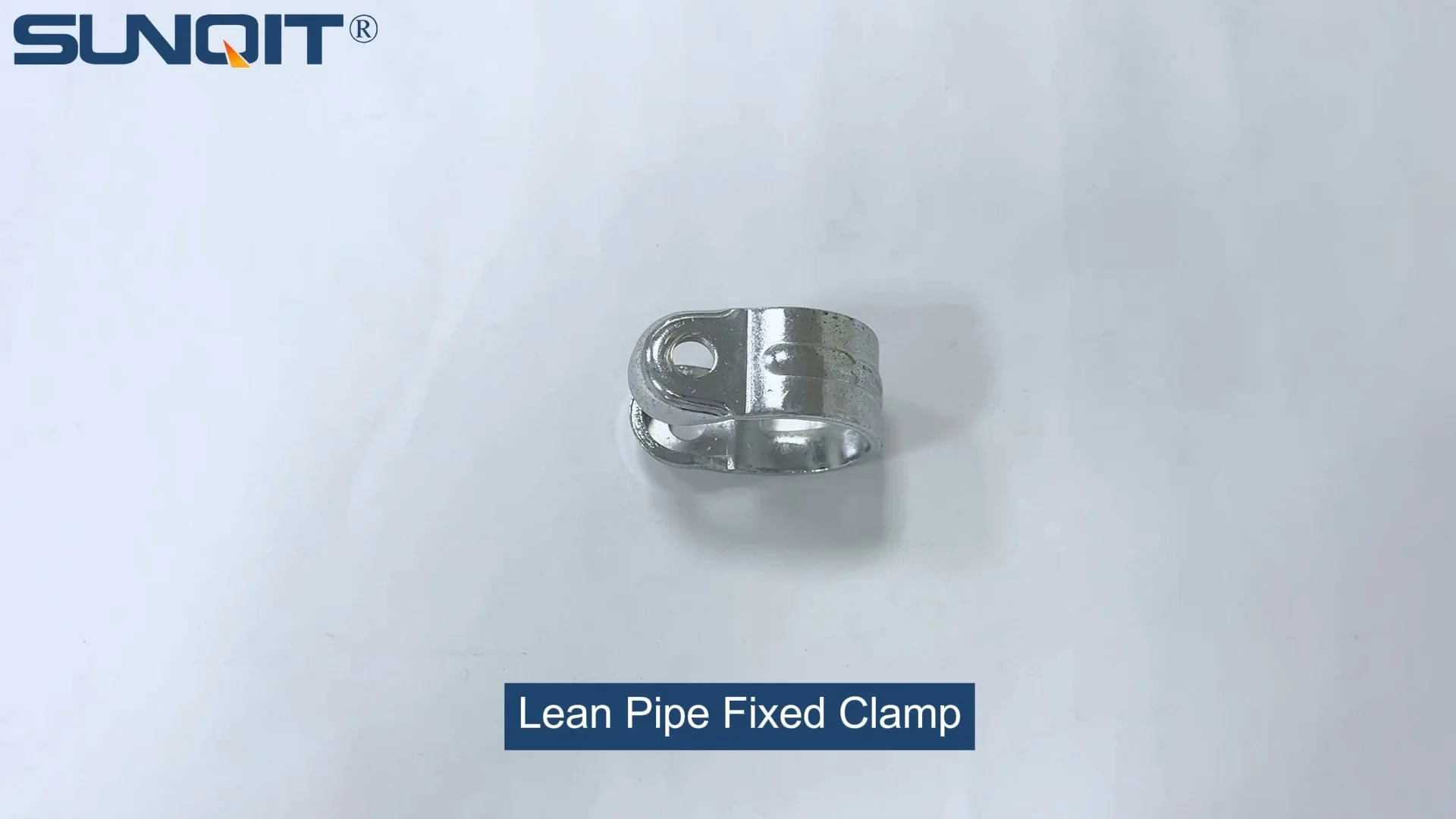
Lean Pipe Fixed Clamp
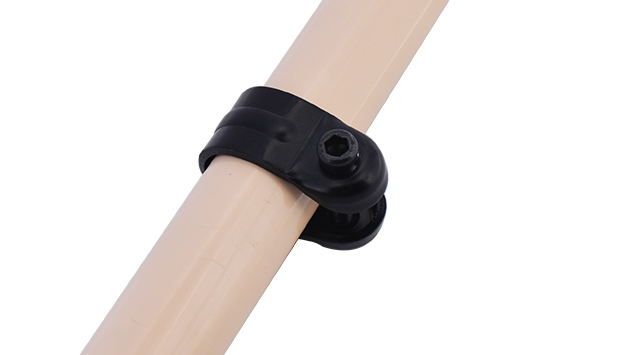
Lean pipe fixed clamp is used for pipe connector fixing the correct position during workbench flow rack hand trolley assemble work.
Picture this: It's 2:30 PM on a Tuesday, and your factory floor is humming. The assembly line for your best-selling product is churning out units at full speed, and the shipping team is already prepping pallets for tomorrow's delivery. Then—*crack*—a loud noise cuts through the rhythm. A critical section of the workbench supporting the final inspection station has come loose, tilting dangerously. Tools clatter to the floor, and the line grinds to a halt. The clock is ticking: every minute of downtime costs your company hundreds of dollars, and that afternoon's shipment deadline is now in jeopardy. What do you do?
For many manufacturers, this scenario is all too familiar. Production lines are complex ecosystems of moving parts, and even small failures—a loose joint, a bent rail, a wobbly frame—can snowball into major disruptions. But here's the good news: there's a quiet hero in the world of industrial maintenance that's changing how teams handle these emergencies: the lean pipe fixed clamp. These unassuming components, often overlooked in day-to-day operations, are proving to be the difference between hours of downtime and a quick, seamless return to production. In this article, we'll dive deep into why lean pipe fixed clamps have become indispensable for emergency repairs, how they work, and why every production manager should have them in their maintenance toolkit.
What Are Lean Pipe Fixed Clamps, Anyway?
Before we jump into their role in emergencies, let's start with the basics. Lean pipe fixed clamps are specialized fasteners designed to connect and secure lean pipes—hollow tubes typically made of steel, aluminum, or stainless steel—to form structures like workbenches, flow racks, conveyors, and material trolleys. Unlike permanent welding or rigid bolts, these clamps are engineered for quick installation, adjustability, and reusability. They're part of the broader "lean pipe system," a modular approach to building industrial structures that aligns with lean manufacturing principles: minimizing waste, maximizing flexibility, and enabling continuous improvement.
At first glance, a lean pipe fixed clamp might look simple: a metal bracket with a locking mechanism, often featuring a threaded bolt or lever that tightens around the pipe. But beneath that simplicity lies thoughtful engineering. Most clamps are made from high-grade materials like galvanized steel or stainless steel (part of the stainless steel pipe series for enhanced durability) to withstand the wear and tear of factory environments. Some are even coated with plastic or rubber to prevent scratching pipes or to provide electrostatic discharge (ESD) protection—critical for electronics manufacturing.
What truly sets these clamps apart is their versatility. They're compatible with standard lean pipe diameters (usually 28mm or 30mm) and can be paired with other lean pipe accessories like elbows, tees, and flanges (known as lean pipe joints ) to create custom configurations. Need to reinforce a wobbly shelf? Secure two pipes at a 90-degree angle with a fixed clamp. Want to extend a conveyor rail temporarily? Connect a new section with a few clamps. The possibilities are nearly endless, which is why they've become a staple in factories, warehouses, and assembly plants worldwide.
Why Lean Pipe Fixed Clamps Are Emergency Repair MVPs
Emergencies don't wait for scheduled maintenance, and neither should your repair tools. Lean pipe fixed clamps excel in crisis situations for three key reasons: speed, flexibility, and reliability. Let's break each down.
Speed: From Breakdown to Backup in Minutes
In production, time is money—literally. According to industry reports, the average manufacturer loses $22,000 per minute of unplanned downtime. Traditional repair methods like welding or drilling new holes in metal frames can take hours, requiring specialized labor and equipment. Lean pipe fixed clamps, by contrast, can be installed with nothing more than a hex key or wrench. A trained maintenance technician can assess the damage, select the right clamp, and secure the structure in under 10 minutes. That's not an exaggeration: in a recent survey of manufacturing plants using lean pipe systems, 82% of respondents reported resolving minor structural failures in less than 15 minutes using fixed clamps.
Consider the workbench example from earlier. If the frame had been welded, the repair would involve shutting down the line, bringing in a welder, waiting for the metal to cool, and then repainting the area to prevent rust—easily a half-day process. With a lean pipe fixed clamp, the technician simply tightens the clamp around the loose joint, checks for stability, and restarts the line. The difference? Hours of lost production vs. a minor hiccup.
Flexibility: Adapting to Any Repair Scenario
Production line emergencies are rarely one-size-fits-all. A loose conveyor rail, a cracked flow rack shelf, and a wobbly turnover trolley all require different fixes. Lean pipe fixed clamps shine here because they're not limited to a single use case. Need to create a temporary brace for a sagging flow rack? Use two clamps to attach a crossbar between the vertical supports. Have a misaligned roller track on a conveyor? Secure it to the frame with adjustable clamps to realign the path. Even in non-emergency situations, this flexibility makes clamps invaluable for modifying structures as production needs change—say, reconfiguring a workbench to accommodate a new product size—but in crises, it's a game-changer.
Another aspect of their flexibility is compatibility. Lean pipe fixed clamps work with a range of pipe materials, including aluminum lean pipe (lighter, corrosion-resistant) and stainless steel (ideal for cleanrooms or food processing). They also pair seamlessly with other accessories like casters, roller tracks, and workbench surfaces, allowing teams to not just repair but improve the structure during the fix. For example, if a workbench leg keeps loosening, a technician might add an extra clamp and a reinforcing cross-brace—turning a temporary repair into a permanent upgrade.
Durability: Withstanding the Heat of Production
An emergency repair is only as good as its longevity. The last thing you want is for a "quick fix" to fail again an hour later, leading to a second shutdown. Lean pipe fixed clamps are built to hold up under pressure—literally. Most are rated to support loads of 50kg to 200kg per clamp, depending on the design and material. Heavy-duty models, often used in automotive or aerospace manufacturing, can handle even more. The secret is in their locking mechanisms: many use a "tooth" design that bites into the pipe when tightened, creating a friction-based hold that resists slipping or loosening over time. Some also feature self-locking nuts or lever-style closures that prevent accidental loosening due to vibration—a common issue in factories with heavy machinery.
Take the example of a flow rack used to store and transport components. These racks rely on gravity to move materials from the back to the front, with roller tracks guiding the flow. If a roller track comes loose, materials can jam, causing backups. A lean pipe fixed clamp can secure the track to the rack's frame, even under the constant stress of boxes sliding over it. In tests, clamps used in this scenario have maintained their grip for months, even with daily use—proving that "quick" doesn't have to mean "temporary."
Real-World Emergencies: When Lean Pipe Fixed Clamps Saved the Day
Theory is one thing, but real-world examples tell the true story. Let's look at three scenarios where lean pipe fixed clamps turned potential disasters into minor inconveniences.
Scenario 1: The Collapsing Workbench (and a Tight Deadline)
A medical device manufacturer in Texas was gearing up for a major product launch. Their assembly line, which produced surgical tools, was running 12-hour shifts to meet pre-orders. One evening, during the second shift, a critical workbench in the packaging area began to wobble. Upon inspection, the maintenance team that a weld connecting the bench's frame to its legs had cracked—a result of the bench being overloaded with heavy packaging materials. The line supervisor estimated that replacing the entire bench (a custom-built wooden structure) would take 4 hours, pushing the night's output below the required quota.
Instead of halting production, the team turned to their lean pipe toolkit. They grabbed two 2-meter aluminum lean pipes, four fixed clamps, and a sheet of plywood. Within 20 minutes, they had built a temporary support frame: attaching the pipes vertically to the floor with clamps, then securing the plywood across the top to create a stable surface. The original bench was later repaired during the next scheduled downtime, but in the meantime, the lean pipe structure kept the line running. The result? The night shift met its quota, and the product launch stayed on track.
Scenario 2: The Jammed Conveyor (and a Shipping Crisis)
A consumer electronics plant in Malaysia produces smartphone chargers for global brands. Their final testing station uses a roller track conveyor to move chargers from the testing area to packaging. One morning, a batch of defective chargers (slightly larger than usual) got stuck in the conveyor, bending a section of the plastic roller track guide rail (yellow, in this case). The conveyor jammed, and with 5,000 units due to ship to Europe that afternoon, panic set in.
The maintenance team quickly identified the issue: the bent rail was causing the chargers to misalign. Replacing the entire rail would require ordering a new part (which would take 2 days to arrive) and disassembling the conveyor. Instead, they used lean pipe fixed clamps to create a temporary guide. They attached a 1-meter aluminum guide rail (type A) parallel to the bent section, securing it to the conveyor frame with clamps. The new rail acted as a barrier, keeping the chargers on track. The team also added a few swivel roller balls (1 inch) to reduce friction, ensuring smooth movement. Total repair time? 35 minutes. The conveyor was back up, and the shipment left on schedule.
Scenario 3: The Wobbly Flow Rack (and a Safety Concern)
A automotive parts supplier in Germany stores small components (screws, washers, gaskets) in flow rack B —a 3-row, 3-floor structure that feeds parts to the assembly line. One Tuesday morning, a forklift operator accidentally bumped the rack while moving pallets, causing one of the vertical supports to loosen. The rack began to sway, putting nearby workers at risk of injury and threatening to spill thousands of small parts onto the floor.
The safety officer immediately cordoned off the area, but shutting down the rack would force workers to retrieve parts manually, slowing production by an estimated 30%. The maintenance team arrived with their lean pipe kit: two stainless steel pipes, six fixed clamps, and four casters (to add stability). They installed diagonal braces from the top of the loose support to the adjacent stable support, securing them with clamps. They also added casters to the rack's base to anchor it to the floor. Within 25 minutes, the rack was stable enough to resume use. A permanent repair (replacing the damaged support) was done over the weekend, but the lean pipe fix kept the line running safely all week.

Traditional Repairs vs. Lean Pipe Fixed Clamps: A Clear Winner
To truly appreciate the value of lean pipe fixed clamps, it helps to compare them to traditional repair methods. Let's break down how they stack up against welding, bolted joints, and temporary fixes like zip ties or duct tape.
| Repair Method | Time to Complete | Cost (Labor + Materials) | Durability | Flexibility | Safety Risk |
|---|---|---|---|---|---|
| Welding | 2–4 hours | $200–$500 (welder + materials) | High (permanent) | None (permanent joint) | High (fire risk, fumes) |
| Bolted Joints | 1–2 hours | $50–$150 (drilling, bolts) | Medium-High | Low (requires pre-drilled holes) | Medium (risk of stripped threads) |
| Zip Ties/Duct Tape | 5–10 minutes | $5–$10 | Very Low (fails under stress/vibration) | High (temporary, adjustable) | High (sudden failure risk) |
| Lean Pipe Fixed Clamps | 10–30 minutes | $15–$50 (clamps + tools) | Medium-High (resists vibration) | Very High (reusable, adjustable) | Low (no heat/fumes, secure grip) |
As the table shows, lean pipe fixed clamps strike a rare balance between speed, cost, and reliability. Welding is durable but slow and expensive; zip ties are fast but unsafe. Clamps, on the other hand, offer the best of both worlds: quick to install, affordable, and strong enough to last until a permanent repair can be made. They're also the only option that allows for future adjustments—critical in lean manufacturing, where adaptability is key.

Choosing the Right Lean Pipe Fixed Clamp for the Job
Not all lean pipe fixed clamps are created equal. To ensure your emergency repair is successful, you need to choose the right clamp for the scenario. Here's what to consider:
1. Load Capacity: Know What You're Supporting
The first question is: How much weight will the clamp need to hold? Most clamps list a maximum load capacity (e.g., 100kg per clamp). For vertical supports (like workbench legs), you'll need heavy-duty clamps rated for higher loads. For horizontal braces or lightweight structures (like roller tracks), standard clamps may suffice. When in doubt, overestimate—the last thing you want is a clamp failing under stress.
2. Pipe Material: Match the Clamp to the Pipe
Lean pipes come in steel, aluminum, and stainless steel, each with different surface textures and strengths. Steel pipes are strong but can rust; aluminum is lightweight and corrosion-resistant; stainless steel is ideal for clean or wet environments. Choose a clamp designed for your pipe material: some clamps have rubber liners to protect aluminum pipes from scratches, while others have stainless steel components for compatibility with stainless steel pipes.
3. Environment: ESD, Corrosion, and Cleanliness
If you work in electronics manufacturing, ESD-safe clamps are a must—they prevent static electricity from damaging sensitive components. For food processing or pharmaceutical plants, stainless steel clamps resist corrosion and are easy to sanitize. In dusty environments, look for clamps with sealed locking mechanisms to prevent debris from jamming the bolt.
4. Angle and Configuration: Straight, 90-Degree, or Custom?
Fixed clamps come in different designs for different joint angles. Straight clamps connect two pipes end-to-end; 90-degree clamps secure pipes at a right angle; and swivel clamps allow for adjustable angles (though these are less common in emergency repairs). Make sure you have a variety of angles in your toolkit to handle different scenarios.
Building Your Emergency Lean Pipe Toolkit
Now that you know why lean pipe fixed clamps are essential, it's time to build a toolkit that can handle any emergency. Here's what we recommend including:
- Assorted Lean Pipe Fixed Clamps: At least 10–15 clamps in different angles (straight, 90-degree, 45-degree) and load capacities.
- Lean Pipes: 5–10 lengths of steel or aluminum pipe (1–2 meters each) for creating braces or temporary structures.
- Lean Pipe Joints: Elbows, tees, and flanges to connect pipes at different angles.
- Basic Tools: Hex keys, adjustable wrenches, and a rubber mallet (for tapping pipes into place).
- Safety Gear: Gloves, safety glasses, and a measuring tape (to ensure clamps are installed evenly).
- Extras: Roller tracks, casters, and small sheets of plywood or metal for creating temporary work surfaces.
Store your toolkit near the production line (in a labeled cabinet or cart) so it's accessible in an emergency. Train your maintenance team on how to use the clamps and joints—even a 30-minute demo can make a big difference when time is critical.
Beyond Emergencies: Lean Pipe Fixed Clamps in Daily Operations
While lean pipe fixed clamps are stars in emergencies, their value doesn't stop there. In fact, many manufacturers use them as part of their daily operations to support lean principles:
Continuous Improvement: Lean manufacturing is all about iterating and improving. With clamps, teams can quickly modify workbenches, flow racks, or conveyors to test new layouts. For example, if workers complain about reaching for tools on a high shelf, a technician can use clamps to lower the shelf by a few inches—no need for a full redesign.
Reduced Waste: Traditional fixed structures often end up in landfills when production needs change. Lean pipe systems, with their reusable clamps and pipes, are modular and can be disassembled and reconfigured. A flow rack that's no longer needed for one product can be turned into a workbench for another—saving money and reducing waste.
On-Demand Flexibility: Seasonal demand spikes, new product launches, or temporary projects all require flexible infrastructure. Lean pipe clamps make it easy to scale up (or down) quickly. Need an extra packing station for the holiday rush? Build one in a day with clamps and pipes, then disassemble it when the season ends.
Conclusion: Your Production Line's First Line of Defense
In the high-stakes world of manufacturing, downtime is the enemy. Every minute a production line is idle eats into profits, delays shipments, and frustrates teams. Lean pipe fixed clamps offer a simple, affordable solution to this problem—turning potential disasters into minor setbacks. They're fast to install, flexible enough to handle any repair scenario, and durable enough to keep your line running until a permanent fix is possible.
But don't just take our word for it. The case studies speak for themselves: a medical device manufacturer meeting a launch deadline, a electronics plant saving a critical shipment, a automotive supplier keeping workers safe. These aren't isolated incidents—they're the result of teams equipping themselves with the right tools for the job.
So, the next time you walk your factory floor, take a closer look at your workbenches, flow racks, and conveyors. Imagine the impact a single loose joint could have on your day. Then, ask yourself: Is my team prepared to fix it in minutes? If not, it's time to invest in lean pipe fixed clamps. They may be small, but their ability to keep your production line moving could be the difference between success and failure.
After all, in manufacturing, the best emergency is the one you can fix before it becomes a crisis.