- Company Articles
- Products and Technology
- Product knowledge
- Lean Pipe Fixed Clamps for Medical Device Racks: Hygiene & Durability

Lean Pipe Fixed Clamps for Medical Device Racks: Hygiene & Durability
Related Product
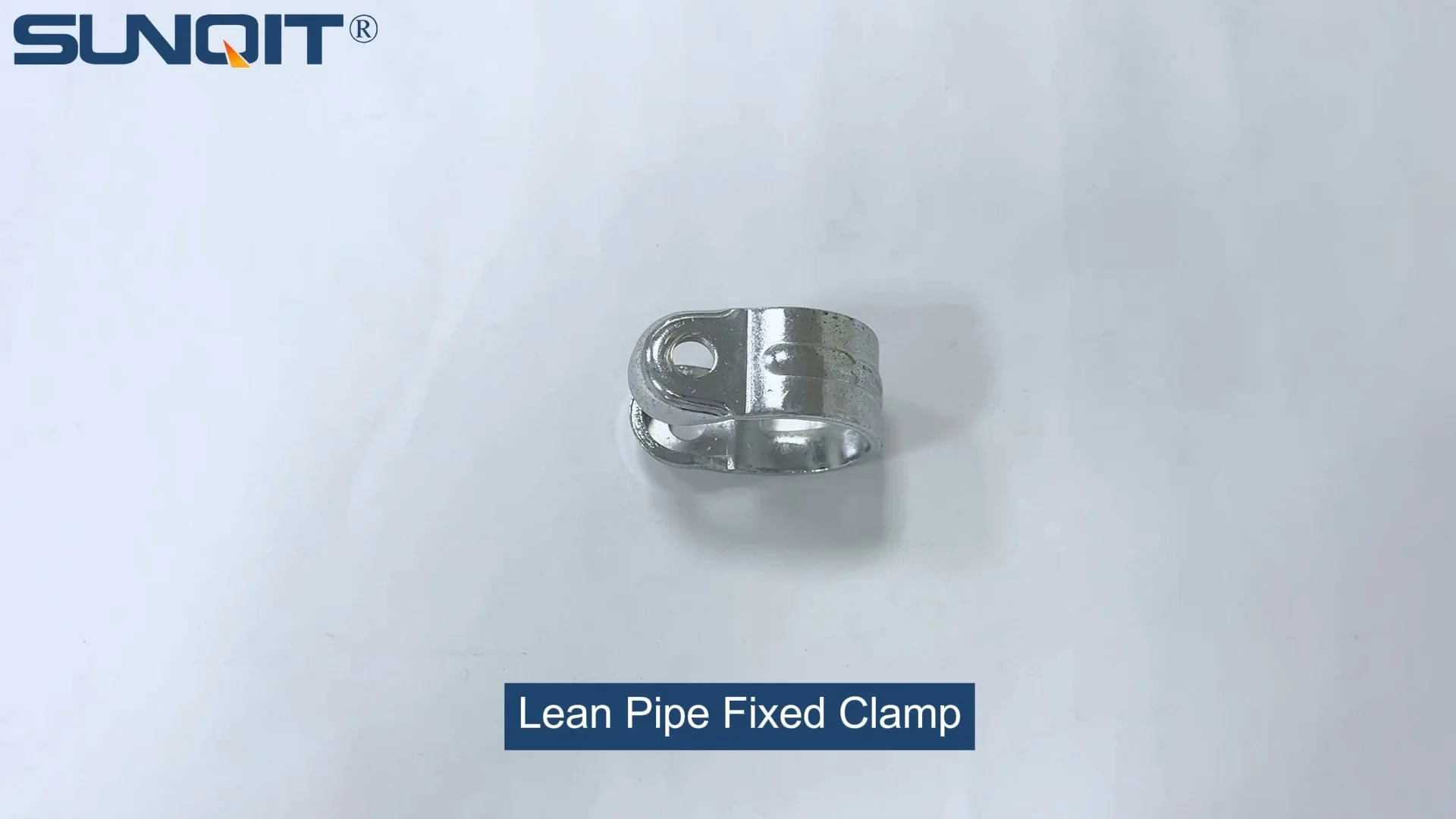
Lean Pipe Fixed Clamp
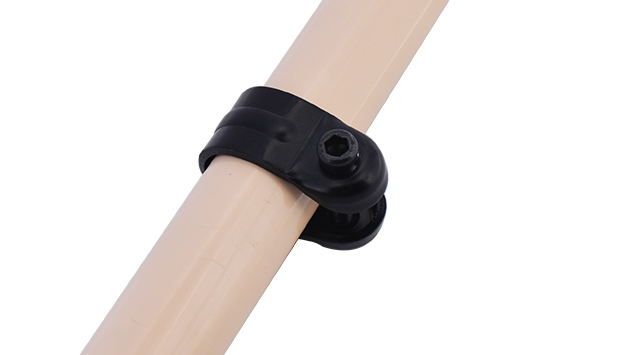
Lean pipe fixed clamp is used for pipe connector fixing the correct position during workbench flow rack hand trolley assemble work.
In the fast-paced world of medical device manufacturing, every detail matters. From the precision of surgical tools to the sterility of packaging lines, the smallest oversight can impact patient safety. One often-overlooked hero in this ecosystem? The humble lean pipe fixed clamp. These unassuming components are the backbone of medical device racks, quietly ensuring that equipment stays organized, accessible, and—most critically—hygienic. But what makes them so indispensable? Let's dive into how lean pipe fixed clamps blend durability and cleanliness to keep medical workflows running smoothly.
Why Medical Device Racks Can't Compromise on Clamps
Medical device racks aren't just storage units—they're active participants in the manufacturing process. They hold delicate sensors, sharp instruments, and sensitive electronic components, often in environments where sterility is non-negotiable. A loose clamp or a rusted joint could mean a dropped tool, a contaminated surface, or worse: a production delay that slows down life-saving equipment. That's where lean pipe fixed clamps step in. Designed to lock components securely, they turn basic aluminum profile or stainless steel pipe series into robust, customizable racks that adapt to shifting needs without sacrificing stability.
Imagine a busy assembly line for pacemakers. Technicians reach for tiny circuit boards stored on a rack; nurses restock surgical scissors on a rolling cart. Every time a shelf is adjusted or a rail is repositioned, the clamps holding it all together must withstand pressure, frequent handling, and rigorous cleaning. A flimsy clamp here isn't just an inconvenience—it's a risk. Lean pipe fixed clamps eliminate that risk by creating connections that stay tight, even after years of use.
Hygiene First: The Material Difference
When it comes to medical settings, "clean" isn't just a preference—it's a regulatory requirement. Surfaces must resist bacterial growth, stand up to harsh disinfectants, and avoid chipping or corroding, which could create crevices for germs to hide. This is where the choice of materials for lean pipe fixed clamps and their components becomes critical.
Stainless Steel Pipe Series: The Gold Standard for Sterility
Stainless steel pipe series are a staple in medical environments, and for good reason. Their non-porous surface doesn't absorb liquids or harbor bacteria, making them easy to wipe down with alcohol or bleach-based cleaners. When paired with lean pipe fixed clamps made from the same material, they create a seamless system where every joint and connection is as hygienic as the next. Unlike painted or coated alternatives, stainless steel won't chip over time, ensuring that racks remain smooth and easy to sanitize—even after daily wipe-downs.
Aluminum Profile: Lightweight Strength with a Clean Edge
For settings where weight matters—like mobile carts or adjustable workbenches—aluminum profile is a game-changer. Its natural resistance to corrosion means it holds up well to steam cleaning and chemical disinfectants, and its smooth finish leaves no room for dirt to accumulate. When combined with lean pipe fixed clamps designed for aluminum, it creates racks that are both lightweight and sturdy. Think of a mobile ESD workstation used in assembling MRI machine parts: the aluminum frame keeps it easy to move, while the clamps ensure that sensitive components stay in place, even when the cart is rolled across a busy floor.
Comparing Materials for Medical-Grade Racks
| Material | Hygiene Features | Durability | Best For |
|---|---|---|---|
| Stainless Steel Pipe Series | Non-porous, corrosion-resistant, easy to sanitize | High (withstands heavy loads and harsh cleaners) | Sterile operating rooms, surgical tool storage |
| Aluminum Profile | Smooth finish, resists oxidation, compatible with ESD coatings | Medium-high (lightweight but strong) | Mobile carts, ESD workstations, cleanrooms |
| Coated Lean Pipe | Plastic coating resists liquids; requires careful cleaning to avoid scratches | Medium (coating may wear over time) | Low-stress storage, non-critical environments |
Durability That Stands Up to Medical Demands
Medical manufacturing isn't gentle on equipment. Racks are loaded with heavy tools, bumped by forklifts, and subjected to temperature fluctuations—all while needing to maintain their structural integrity. Lean pipe fixed clamps are engineered to handle this abuse, thanks to precision design and high-quality materials.
Take, for example, a material rack B (3 row and 3 floor) used to store IV pumps. Each shelf holds 50+ pounds of equipment, and the rack itself is moved weekly for deep cleaning. The lean pipe joints connecting the shelves to the frame must withstand both static weight and dynamic movement. A well-made clamp, like those used in stainless steel pipe series, distributes weight evenly, preventing bending or warping. Even better, they're designed to be tightened repeatedly without stripping threads—a must for racks that are reconfigured as inventory changes.
"We used to replace our old wire racks every two years because the welds would crack or the shelves would sag," says Maria, a production manager at a medical device plant in Ohio. "Since switching to lean pipe systems with fixed clamps, we haven't replaced a single rack in five years. The clamps just… hold. Even when we hose down the racks with sanitizer, they don't rust or loosen. It's been a game-changer for our budget and our peace of mind."
Durability also means adaptability. Medical facilities rarely stay the same—new devices are introduced, workflows shift, and space constraints evolve. Lean pipe fixed clamps make reconfiguration simple: loosen a bolt, adjust the angle, retighten, and the rack is ready for its new role. This flexibility reduces waste (no need to buy new racks) and keeps operations agile, which is crucial in an industry where innovation never stops.

ESD Workstations: Clamps as Guardians of Sensitive Electronics
Many medical devices, from heart monitors to diagnostic scanners, rely on sensitive electronics that are vulnerable to electrostatic discharge (ESD). A single static shock can fry a circuit board, rendering a $10,000 device useless. That's why ESD workstations are standard in medical manufacturing—and lean pipe fixed clamps play a key role in making them effective.
ESD workstations require conductive materials that ground static electricity, preventing it from building up and damaging components. When paired with aluminum profile or stainless steel pipe series, lean pipe fixed clamps create a continuous conductive path from the shelf to the floor. This ensures that any static charge generated by a technician's movements is safely dissipated, rather than zapping a delicate sensor. Even better, many clamps are designed with ESD-friendly coatings or materials, like black ESD wheels on roller tracks, to keep the entire system grounded.
Consider a workstation E (single deck-without caster) used to assemble hearing aids. The tabletop is an aluminum honeycomb panel with ESD properties, and the frame is built from aluminum profile connected by lean pipe fixed clamps. Every time a technician places a tiny microphone on the shelf, the clamps ensure the shelf is grounded, protecting the component from static. It's a silent defense system that works 24/7, so workers can focus on precision, not static risks.

Beyond Clamps: The Ecosystem of Medical-Grade Lean Components
Lean pipe fixed clamps don't work alone—they're part of a larger ecosystem of components that make medical racks functional and efficient. Take roller track and accessories, for example. A roller track guide rail yellow or grey, paired with swivel roller balls 1 inch, turns a static shelf into a dynamic flow rack where devices glide smoothly from storage to assembly. The clamps holding the rail in place must be strong enough to keep the track aligned, even as heavy boxes slide across it. Similarly, caster wheel with brake on mobile racks rely on sturdy castor install base clamps to ensure the cart stays put during loading and unloading, then rolls smoothly when needed.
Even small details matter. Plastic roller track guide rail yellow is often chosen for medical settings because its bright color makes it easy to spot spills or debris, while aluminum guide rail a offers extra strength for heavy loads. And when it comes to cleaning, components like stainless steel swivel roller balls 1 inch are a no-brainer—their smooth surface wipes clean in seconds, with no hidden crevices for bacteria to hide.
Choosing the Right Supplier: Why Quality Matters
Not all lean pipe fixed clamps are created equal. In medical manufacturing, where compliance and safety are paramount, working with a reputable lean pipe supplier is non-negotiable. A trusted supplier will use medical-grade materials, test clamps for strength and corrosion resistance, and provide documentation to meet FDA or ISO standards. They'll also offer expert advice on which components pair best—like matching aluminum profile with ESD workstation needs or recommending stainless steel pipe series for sterile zones.
Cheap, generic clamps might save money upfront, but they'll cost more in the long run: frequent replacements, production delays, and potential compliance issues. A quality clamp, on the other hand, is an investment in reliability. It's the difference between a rack that lasts a decade and one that fails in a year. It's the peace of mind knowing that every connection is secure, every surface is clean, and every medical device that passes through your facility is handled with the care it deserves.
Final Thoughts: Clamps as the Foundation of Safe, Efficient Medical Manufacturing
Lean pipe fixed clamps may not be the most glamorous part of medical device manufacturing, but they're undeniably essential. They bridge the gap between hygiene and durability, turning simple pipes and profiles into systems that protect both workers and patients. Whether you're building a static rack for surgical tools or a mobile ESD workstation for electronic components, the right clamps ensure your setup is safe, adaptable, and built to last.
So the next time you walk through a medical manufacturing facility, take a closer look at the racks and carts. Chances are, you'll spot lean pipe fixed clamps hard at work—quietly keeping everything in place, one secure connection at a time. In an industry where precision and safety save lives, that's more than just a job well done. It's a mission accomplished.