- Company Articles
- Products and Technology
- Product knowledge
- Lean Pipe Fixed Clamps for Medical Industry: Compliance & Sterility

Lean Pipe Fixed Clamps for Medical Industry: Compliance & Sterility
Related Product
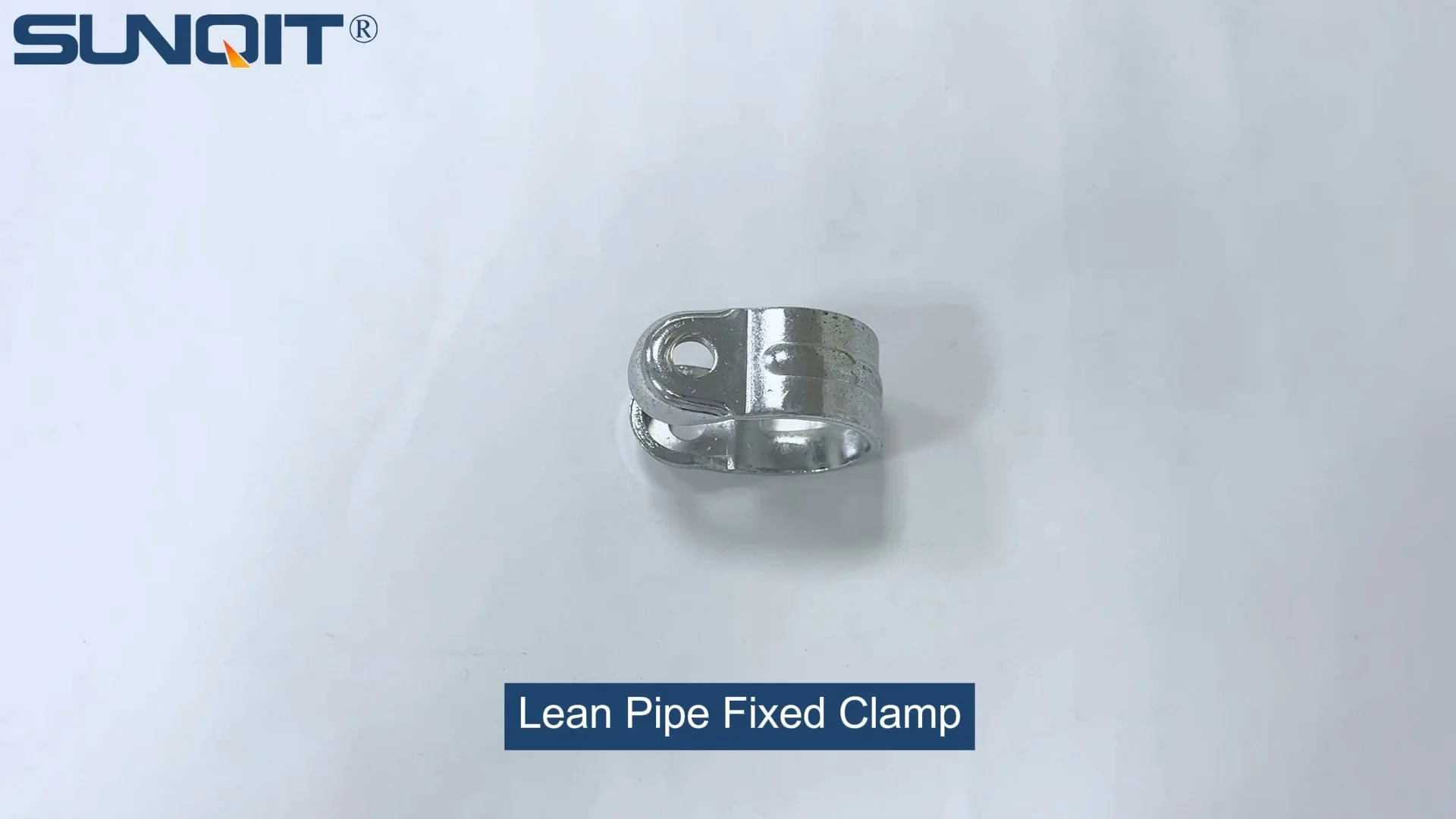
Lean Pipe Fixed Clamp
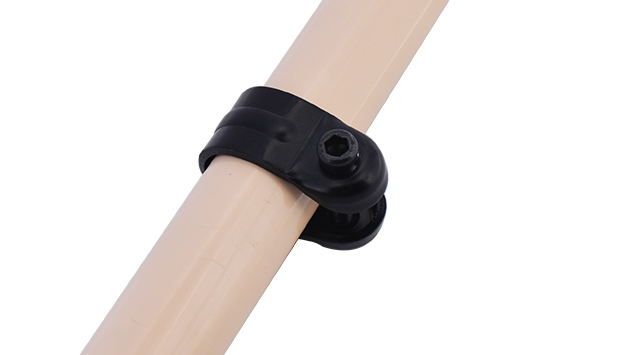
Lean pipe fixed clamp is used for pipe connector fixing the correct position during workbench flow rack hand trolley assemble work.
How precision-engineered components are redefining safety and efficiency in healthcare settings
In the fast-paced world of healthcare, every second counts. From bustling hospital labs to sterile medical device manufacturing floors, the difference between smooth operations and costly delays often lies in the tools and systems that keep workflows moving. Among these unsung heroes are lean pipe fixed clamps—small yet critical components that hold together the structures powering everything from workbenches to material racks. But in an industry where compliance with strict regulations and sterility standards is non-negotiable, not all clamps are created equal. This article dives into how modern lean pipe fixed clamps are designed to meet the unique demands of the medical field, ensuring both operational efficiency and uncompromising safety.
Why Lean Systems Matter in Healthcare
Lean manufacturing principles, born from the need to eliminate waste and optimize processes, have long been a cornerstone of industries like automotive and electronics. But in healthcare, their importance is amplified. Here, "waste" isn't just about time or materials—it can mean delayed patient care, compromised sterility, or even regulatory violations. Lean systems, built on modular components like lean pipes and fixed clamps, offer the flexibility to adapt to evolving needs without sacrificing structure or safety. For example, a hospital pharmacy might use a lean pipe workbench to organize medication dispensing, while a medical device manufacturer relies on flow racks held together by sturdy clamps to move components through assembly lines. In both cases, the goal is simple: create systems that work with healthcare professionals, not against them.
At the heart of these systems are lean pipe fixed clamps. These unassuming connectors are the glue that holds lean structures together, ensuring stability in high-stakes environments. But in the medical industry, they must do more than just "hold things up." They need to resist corrosion, withstand frequent cleaning with harsh disinfectants, and avoid harboring bacteria—all while maintaining the flexibility that makes lean systems so valuable. Let's explore how today's clamps rise to these challenges.
Compliance: Meeting the Strictest Standards
In healthcare, compliance isn't optional—it's a matter of patient safety and legal liability. Regulatory bodies like the FDA (Food and Drug Administration) and ISO (International Organization for Standardization) set rigorous guidelines for everything from manufacturing processes to the materials used in medical settings. For lean pipe fixed clamps, this means adhering to standards like ISO 13485 (medical device quality management) and FDA 21 CFR Part 820 (quality system regulation), which govern design, production, and testing.
Key Compliance Requirements for Clamps
- Material Purity: Clamps must be made from materials that don't leach harmful substances. Stainless steel, a staple in the stainless steel pipe series, is preferred for its inert properties and resistance to corrosion.
- Surface Finish: Rough surfaces can trap bacteria, so clamps must have smooth, non-porous finishes to facilitate easy cleaning and prevent microbial growth.
- Durability Under Stress: Repeated cleaning with chemicals like hydrogen peroxide or alcohol can degrade low-quality materials. Clamps must maintain structural integrity after thousands of cycles.
- Traceability: Manufacturers must provide documentation tracing each clamp's production batch, raw materials, and testing results—critical for recalls or audits.
| Regulation | Focus Area | Impact on Clamp Design |
|---|---|---|
| ISO 13485 | Quality management for medical devices | Requires consistent production processes and material testing |
| FDA 21 CFR Part 820 | Quality system regulation for medical devices | Mandates traceability and validation of manufacturing steps |
| USP Class VI | Plastic biocompatibility | Ensures plastic components (e.g., clamp coatings) are safe for medical use |
A reputable lean pipe supplier understands these requirements and designs clamps with compliance in mind. For instance, clamps in the stainless steel pipe series are often made from 304 or 316 stainless steel—alloys known for their resistance to rust and chemical damage. These materials not only meet regulatory standards but also provide the longevity needed in high-use medical settings, reducing the need for frequent replacements and minimizing waste.
Sterility: The Non-Negotiable Standard
In healthcare, sterility isn't just a buzzword—it's a lifeline. A single contaminated surface can lead to hospital-acquired infections (HAIs), which affect millions of patients yearly and cost the industry billions. Lean pipe fixed clamps, which are often part of workbenches, racks, and carts in sterile zones, must be designed to minimize this risk. How? By eliminating crevices, using non-porous materials, and standing up to aggressive cleaning protocols.
Design Features That Enhance Sterility
Modern lean pipe fixed clamps are engineered with sterility in mind from the ground up. Here are some key features:
Smooth, Seamless Surfaces
Traditional clamps with rough edges or weld seams can trap dirt and bacteria. Today's clamps use precision casting or machining to create smooth, rounded surfaces that leave no room for microbial hideouts.
Chemical Resistance
From bleach-based cleaners to alcohol wipes, medical environments use harsh chemicals to kill pathogens. Clamps made from stainless steel or coated with USP Class VI plastics resist degradation, ensuring they don't break down or release toxins during cleaning.
Tool-Free Assembly
Clamps that require tools (like screws or bolts) can leave behind small gaps where bacteria thrive. Many modern clamps use friction-fit or snap-lock designs, eliminating the need for extra hardware and reducing contamination risks.
Consider an ESD workstation in a medical device lab, where sensitive electronics and sterile components are handled side by side. The lean pipe fixed clamps holding the workstation together must not only ground static electricity (to protect devices) but also withstand daily wipe-downs with disinfectants. A clamp made from 316 stainless steel, with a smooth, crevice-free design, fits the bill perfectly—resisting corrosion, preventing static buildup, and staying sterile shift after shift.
Even small details matter. For example, some clamps in the stainless steel pipe series feature rounded edges to prevent snags on gloves or clothing, reducing the risk of tearing protective gear and exposing workers to contaminants. Others have recessed bolts that sit flush with the surface, avoiding the "dirt traps" common in older designs. These seemingly minor tweaks add up to major improvements in sterility.

Real-World Applications: Where Clamps Make a Difference
Lean pipe fixed clamps aren't just theoretical—they're hard at work in healthcare settings every day. Let's look at a few scenarios where their design and durability shine:
1. Medical Device Assembly Lines
Manufacturing pacemakers, syringes, or surgical tools requires precision and sterility. Flow racks, built with lean pipes and fixed clamps, transport components through each production stage. The clamps here must hold racks steady even when loaded with delicate parts, while remaining easy to disassemble for deep cleaning between production runs. A lean pipe workbench supplier might recommend stainless steel clamps with quick-release levers, allowing workers to break down the system in minutes for autoclaving or chemical sterilization.
2. Hospital Pharmacy Workstations
Pharmacists juggle hundreds of medications daily, and disorganized workspaces can lead to errors. Lean pipe workbenches, customized with shelves, bins, and label holders (all secured by fixed clamps), keep drugs sorted by type, dosage, or expiration date. The clamps must support heavy loads (like bottles of IV fluids) without slipping, while their smooth surfaces ensure no residue builds up between cleanings. An ESD workstation might also be integrated here to protect electronic medication tracking systems from static damage—with clamps that double as grounding points.
3. Sterile Processing Departments (SPDs)
SPDs are the "clean rooms" of hospitals, where used surgical instruments are cleaned, sterilized, and repackaged. Trolleys and racks, built with lean pipes and clamps, move instruments through decontamination, inspection, and storage zones. Here, clamps must resist high temperatures (from autoclaves) and repeated exposure to water and detergents. The stainless steel pipe series is a staple here, as its corrosion resistance ensures clamps won't rust or weaken over time—critical when a single failed clamp could send sterile instruments crashing to the floor.

Beyond Compliance: The Hidden Benefits of Quality Clamps
While compliance and sterility are the top priorities, high-quality lean pipe fixed clamps offer additional perks that boost efficiency and reduce costs in the long run:
- Modularity: Clamps allow healthcare facilities to reconfigure workspaces quickly. Need to add a shelf to a workbench? Swap out a clamp. Expand a flow rack? Add more pipes and clamps. This flexibility reduces the need to buy new furniture, saving money and reducing waste.
- Worker Ergonomics: Adjustable clamps let teams set workbench heights or rack angles to fit individual needs, reducing strain and injuries. A study by the National Institute for Occupational Safety and Health (NIOSH) found that ergonomic workstations can cut musculoskeletal disorders by up to 50%—a win for both workers and employers.
- Longevity: Investing in durable clamps (like those in the stainless steel pipe series) means fewer replacements. A lean pipe supplier that prioritizes quality can provide clamps with a 10+ year lifespan, outlasting cheaper, disposable alternatives.
Consider a small clinic with limited budget: by choosing modular lean systems with reusable clamps, they can start with a basic workbench and expand as patient needs grow, rather than buying a new workstation every time. Over time, this approach saves thousands of dollars while keeping operations agile.
Choosing the Right Lean Pipe Supplier
Not all lean pipe fixed clamps are suited for medical use, so selecting a trusted supplier is critical. Here's what to look for:
- Compliance Documentation: Ask for certificates proving adherence to ISO 13485, FDA 21 CFR, and USP Class VI standards. A reputable supplier will have these readily available.
- Material Testing Reports: Request data on corrosion resistance, chemical compatibility, and durability. For stainless steel clamps, this might include salt spray test results (ASTM B117) to ensure they withstand harsh cleaning.
- Customization Options: Medical settings have unique needs—look for suppliers that offer custom clamp sizes, finishes, or designs (e.g., ESD-safe coatings for electronics workstations).
- Customer Support: From installation guidance to replacement parts, a good supplier should be a partner, not just a vendor. Ask about their warranty and response time for technical issues.
Conclusion: Clamps as Catalysts for Better Healthcare
Lean pipe fixed clamps may be small, but their impact on medical settings is enormous. By prioritizing compliance, sterility, and durability, these components help healthcare facilities deliver safer, more efficient care—whether by streamlining medication dispensing, protecting delicate medical devices, or ensuring surgical instruments stay sterile. As the medical industry continues to evolve, the role of lean systems and their components will only grow, making the choice of clamps and suppliers more important than ever.
At the end of the day, it's not just about holding pipes together—it's about holding up the standards that keep patients and workers safe. And in healthcare, that's the highest priority of all.