- Company Articles
- Products and Technology
- Application Cases
- Lean Pipe Fixed Clamps in 3C Industry: Supporting High-Volume Production

Lean Pipe Fixed Clamps in 3C Industry: Supporting High-Volume Production
Related Product
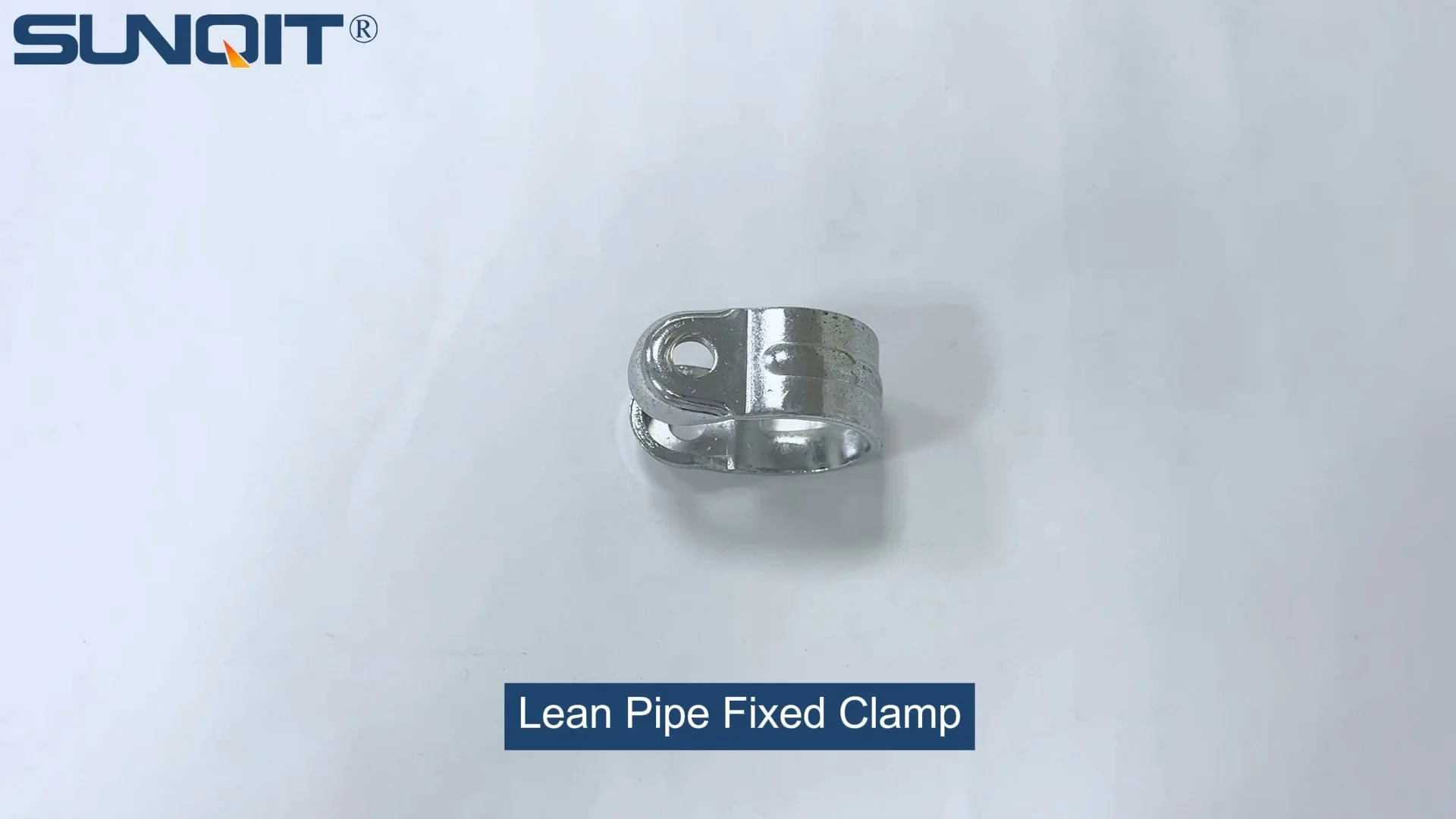
Lean Pipe Fixed Clamp
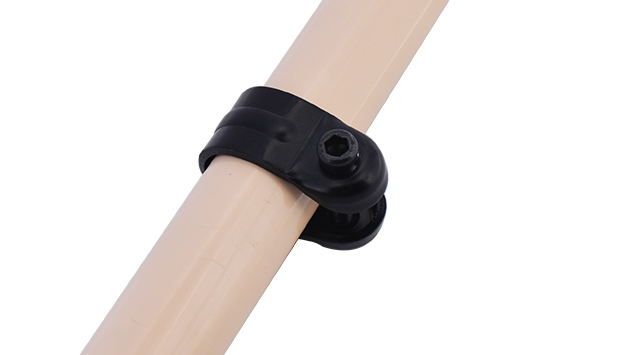
Lean pipe fixed clamp is used for pipe connector fixing the correct position during workbench flow rack hand trolley assemble work.
In the fast-paced world of 3C manufacturing—where smartphones, laptops, and consumer electronics fly off the production line by the millions—every second counts. Imagine a factory floor where assembly lines hum 24/7, workers race to meet tight deadlines, and product designs change faster than the seasons. It's a high-pressure environment where rigidity is the enemy, and flexibility isn't just a nice-to-have—it's survival. That's where lean pipe fixed clamps quietly step in, acting as the unsung heroes that keep production agile, efficient, and ready to adapt to whatever the next big tech launch throws at it.
The 3C Industry's Hidden Battle: Rigidity vs. Agility
Walk into any 3C production facility, and you'll quickly notice the stakes. A single smartphone model might require hundreds of components, each needing precise handling. Traditional production setups—with heavy, bolted-down workbenches and inflexible material racks—often struggle to keep up. When a new model launches, reconfiguring these setups can take weeks, eating into precious time-to-market. Worse, workers end up wrestling with awkwardly positioned tools or materials that don't flow smoothly, leading to delays, errors, and even burnout.
This is where lean manufacturing principles meet practical engineering: enter lean pipe systems, and at their core, the humble yet mighty lean pipe fixed clamp. These small but critical components are the reason lean pipe workbenches, flow racks, and roller tracks can adapt on the fly, turning static production lines into dynamic ecosystems that grow and change with demand.
What Are Lean Pipe Fixed Clamps, Anyway?
Let's start with the basics. Lean pipe fixed clamps are the connectors that hold lean pipe systems together. Think of them as the "glue" that transforms simple aluminum or steel pipes into sturdy, customizable structures—like workbenches, material racks, or conveyor supports. Unlike rigid welding or permanent fasteners, these clamps allow for quick assembly, disassembly, and reconfiguration. Need to raise a workbench by 6 inches to reduce worker strain? Swap out a clamp. Want to add a shelf to a flow rack for new components? Just attach a few more clamps. It's that simple.
But don't let their simplicity fool you. Modern fixed clamps are engineered for durability, often made from high-grade aluminum or stainless steel to withstand the wear and tear of 3C's high-volume production. They're designed to grip pipes tightly, ensuring stability even when loaded with heavy circuit boards or delicate display screens. And because they're compatible with standard lean pipes and aluminum profiles, they fit seamlessly into existing systems—no need to overhaul everything to upgrade.
Lean Pipe Workbenches: The Heart of 3C Assembly Lines
If fixed clamps are the glue, then lean pipe workbenches are the backbone of 3C assembly. These workbenches, built using aluminum profiles and secured with fixed clamps, are a world away from the clunky, one-size-fits-all workstations of the past. Let's break down why they've become indispensable in 3C factories:
| Traditional Workbenches | Lean Pipe Workbenches with Fixed Clamps |
|---|---|
| Permanent, bolted to the floor—impossible to reconfigure without tools or downtime. | Modular by design: Clamps allow quick height adjustments, shelf additions, or layout changes in minutes. |
| Heavy and rigid, limiting mobility and adaptability to new product lines. | Lightweight aluminum profiles make them easy to move, while clamps ensure stability once in place. |
| Expensive to replace when outdated; often end up in landfills. | Reusable: Pipes and clamps can be repurposed for new setups, cutting long-term costs. |
| Limited customization—workers adapt to the bench, not the other way around. | Tailored to tasks: Add tool holders, ESD mats (critical for 3C's static-sensitive components), or LED task lights with simple clamp attachments. |
Take, for example, a leading smartphone manufacturer in Shenzhen. A few years back, their assembly lines were bogged down by traditional wooden workbenches. When a new phone model with a larger screen launched, workers struggled to reach components on the far side of the bench, leading to slower assembly times and a 12% increase in errors. The solution? They switched to lean pipe workbenches with fixed clamps. Within a week, they'd reconfigured the workstations to include extendable shelves (secured with clamps) and angled tool holders, cutting reach time by 40% and reducing errors to less than 2%. Workers reported less shoulder strain, and the line was ready for the next model change in just two days—down from two weeks.

Flow Racks and Roller Tracks: Keeping Materials Moving, Thanks to Clamps
In 3C production, it's not just about assembling products—it's about getting the right parts to the right place at the right time. That's where flow racks and roller tracks come in, and fixed clamps are what make them reliable. Flow racks use gravity to feed components to assembly stations, with roller tracks guiding parts smoothly from shelf to worker. But without sturdy clamps holding those roller tracks in place, the whole system falls apart.
Imagine a flow rack loaded with 500 smartphone batteries. If the roller track isn't secured properly, it could shift, jamming the flow and bringing the line to a halt. Lean pipe fixed clamps solve this by anchoring the tracks to the rack's aluminum profile frame, ensuring alignment even under heavy loads. They also allow for easy adjustments: if parts start getting stuck, a quick tweak to the clamp position can realign the track for smoother flow.
A tablet manufacturer in Taiwan learned this firsthand. Their old material racks relied on plastic brackets that often snapped under the weight of battery packs, causing frequent jams. After switching to aluminum flow racks with steel fixed clamps, they saw a 30% reduction in material handling time. Workers no longer had to stop and unjam tracks—parts flowed consistently, and the line stayed running. "It sounds small, but those 10-minute jams added up to hours of lost production each week," said their production manager. "Now, we barely think about the racks—they just work."

Why 3C Can't Afford to Overlook Fixed Clamps
So, what makes lean pipe fixed clamps such a game-changer for 3C? Let's break down the benefits:
- Speed to Market: In 3C, delays mean lost sales. Fixed clamps let manufacturers reconfigure lines in days, not weeks, so they can launch new products faster. For example, when a major laptop brand needed to rush a new model to compete with a rival's launch, they used fixed clamps to modify their assembly workbenches in 48 hours—cutting their typical retooling time by 80%.
- Worker Wellbeing: Happy, healthy workers are productive workers. Lean pipe workbenches with adjustable heights (thanks to clamps) reduce back and neck strain. One study in a Chinese 3C factory found that switching to customizable workstations led to a 25% drop in worker fatigue reports and a 15% boost in hourly output.
- Cost Savings: Traditional production setups require constant investment in new equipment. Lean pipe systems, with their reusable clamps and pipes, slash long-term costs. A mid-sized 3C manufacturer reported saving $200,000 annually after switching—money that went straight back into R&D for new products.
- ESD Protection: Static electricity is the enemy of 3C components. Many fixed clamps and aluminum profiles are ESD-safe, preventing damage to sensitive chips and circuit boards. This is non-negotiable in an industry where a single static zap can ruin a $500 component.
Choosing the Right Clamps: What 3C Manufacturers Should Look For
Not all fixed clamps are created equal. When shopping for clamps, 3C manufacturers should keep a few key factors in mind:
Load Capacity: 3C components might be small, but they add up. A workbench holding 20 circuit boards needs clamps rated for that weight. Look for clamps with load ratings clearly listed—don't guess.
Material Compatibility: Most 3C facilities use aluminum profiles for their lightweight, corrosion-resistant properties. Ensure clamps are designed to fit standard aluminum pipe sizes (like 28mm or 40mm) to avoid compatibility issues.
Durability: High-volume production means clamps take a beating. Stainless steel or aluminum clamps with reinforced grips will last longer than plastic alternatives. Ask suppliers about wear-testing data—how many times can the clamp be adjusted before losing grip?
The Future: Clamps, Aluminum Profiles, and the Smart Factory
As 3C manufacturing moves toward smart factories and automation, lean pipe fixed clamps are evolving too. Imagine a future where clamps are embedded with sensors that alert managers when a connection loosens, or where aluminum profiles integrate with IoT devices to track material flow in real time. Some suppliers are already testing "smart clamps" that sync with production management software, making reconfiguration even more efficient.
Aluminum profile technology is advancing, too. New extrusion methods are creating profiles that are lighter but stronger, making lean pipe systems even more versatile. Combine that with clamps designed for quick-release (but still secure) connections, and the possibilities for agile production are endless.
Final Thoughts: The Quiet Force Behind 3C's Success
In the grand scheme of 3C manufacturing, lean pipe fixed clamps might not get the same attention as cutting-edge robots or AI-driven quality control. But without them, the industry's ability to innovate, adapt, and deliver the devices we love would grind to a halt. They're the quiet problem-solvers, the connectors that turn chaos into order, and the reason your next smartphone might hit store shelves weeks earlier than planned.
For 3C manufacturers, the message is clear: in a world where change is constant, flexibility isn't optional. And when it comes to building flexible production systems, lean pipe fixed clamps aren't just a tool—they're a strategic advantage.