- Company Articles
- Products and Technology
- Product knowledge
- Lean Pipe Fixed Clamps in Food Manufacturing: Hygienic Design Features

Lean Pipe Fixed Clamps in Food Manufacturing: Hygienic Design Features
Related Product
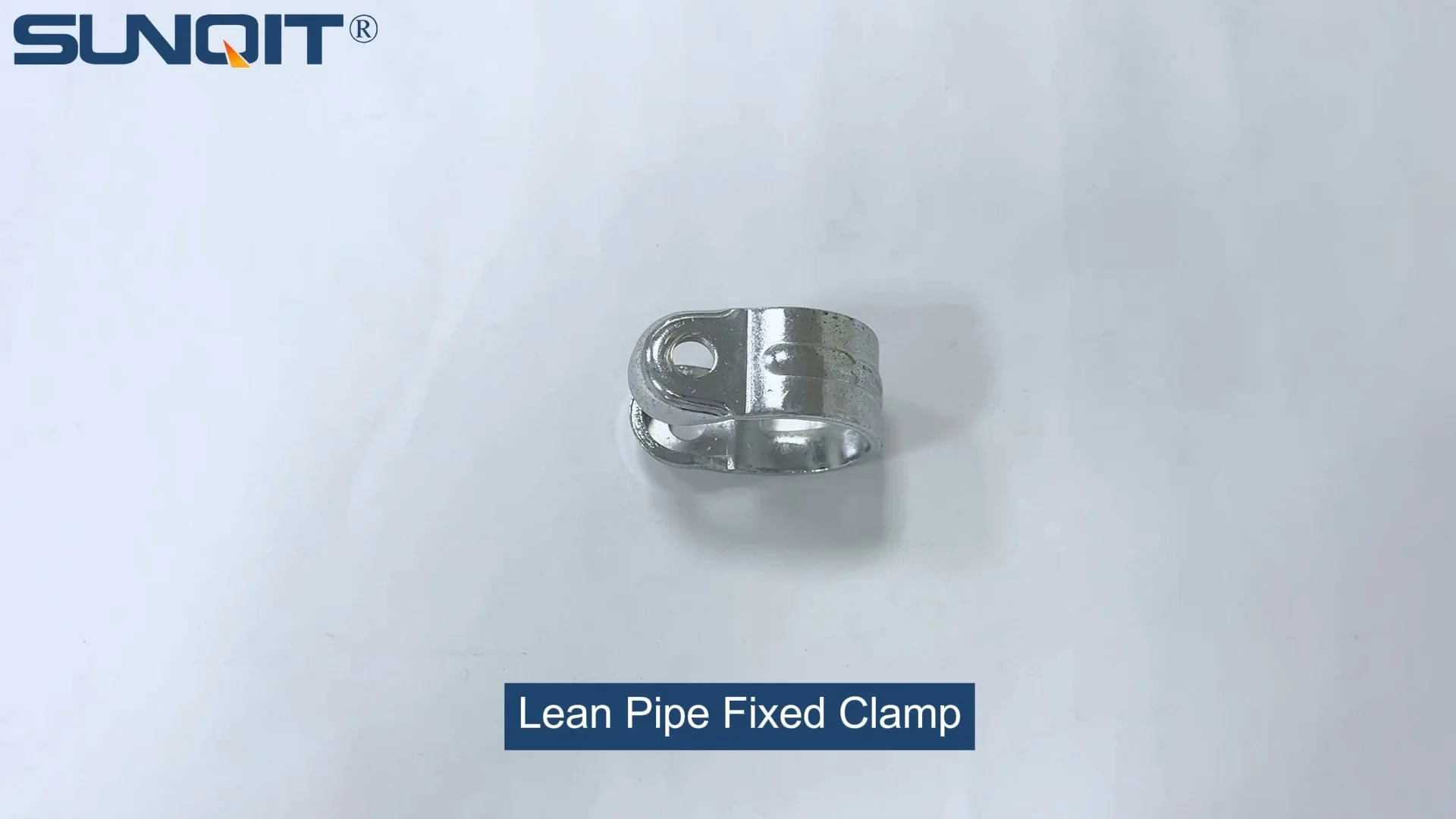
Lean Pipe Fixed Clamp
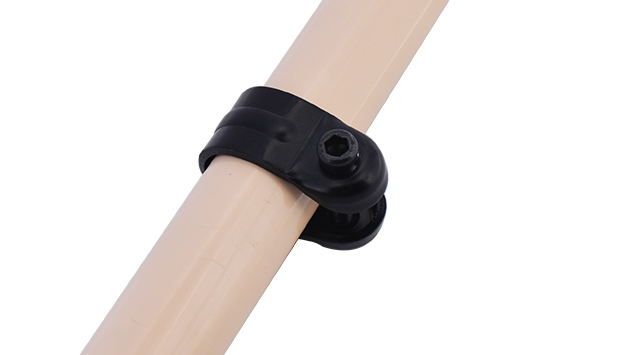
Lean pipe fixed clamp is used for pipe connector fixing the correct position during workbench flow rack hand trolley assemble work.
Introduction: The Intersection of Lean Systems and Food Safety
In the fast-paced world of food manufacturing, where every second counts and safety standards are non-negotiable, efficiency and hygiene walk hand in hand. For decades, lean systems have been the backbone of operational excellence, helping facilities streamline workflows, reduce waste, and boost productivity. But in an industry where a single bacterial breach can lead to product recalls, brand damage, or even public health crises, "lean" can't just be about speed—it must also prioritize cleanliness. Enter the unsung heroes of this balance: lean pipe fixed clamps. These small but critical components hold together the modular structures that power modern food production lines, from workbenches to material racks, and their design can make or break a facility's ability to meet strict hygiene requirements.
Food manufacturers today face a unique challenge: how to maintain the flexibility and cost-effectiveness of lean systems while adhering to rigorous safety regulations like FDA guidelines, EU 10/2011, and HACCP principles. Traditional manufacturing equipment often falls short here, with crevices that trap food particles, materials that corrode under frequent washdowns, or complex assemblies that are impossible to fully sanitize. Lean pipe systems, with their modular aluminum or stainless steel pipes and joints, offer a solution—but only if the clamps holding them together are engineered with hygiene in mind. In this article, we'll dive deep into the world of lean pipe fixed clamps, exploring their role in food manufacturing, the key hygienic design features that set them apart, and why they've become indispensable for facilities aiming to achieve both efficiency and safety.
The Role of Lean Pipe Fixed Clamps in Food Production Lines
Before we unpack their hygienic features, let's first understand what lean pipe fixed clamps do. In lean manufacturing systems, modularity is king. Facilities use pipes, joints, and accessories to build custom structures—think workbenches for packaging, flow racks for ingredient storage, or roller track conveyors for moving products between stations. These structures need to be sturdy enough to handle daily use but flexible enough to reconfigure as production needs change. That's where fixed clamps come in: they secure pipes to joints, ensuring the structure stays stable under load, while still allowing for disassembly when layouts need updating.
In food manufacturing, this role takes on added significance. Unlike in automotive or electronics plants, where the primary concern might be durability or cost, food facilities demand that every component—including clamps—can withstand harsh cleaning regimens. Imagine a busy bakery where flour dust accumulates on workbenches, or a meat processing plant where daily high-pressure washdowns with caustic sanitizers are the norm. A poorly designed clamp with rough edges or hidden gaps could become a breeding ground for Listeria or E. coli, turning a minor oversight into a major safety risk. Lean pipe fixed clamps, when designed correctly, act as a first line of defense against contamination, ensuring that the structures they hold together are not just efficient, but also easy to clean and inspect.
Take, for example, a workbench in a dairy processing facility. The workbench itself is built from aluminum pipes and a stainless steel top, chosen for their corrosion resistance. But if the clamps securing the pipes to the frame have threaded crevices where milk residue can hide, even the best sanitizing protocols won't eliminate the risk of bacterial growth. A hygienically designed fixed clamp, by contrast, would have smooth, rounded edges, minimal seams, and a material that resists both corrosion and chemical damage—ensuring that every part of the workbench can be thoroughly cleaned, inside and out.
Hygienic Design Features: What Sets Food-Grade Clamps Apart
Not all lean pipe fixed clamps are created equal. When it comes to food manufacturing, "hygienic design" isn't just a buzzword—it's a set of engineering principles that prioritize cleanability, corrosion resistance, and material safety. Let's break down the key features that make a clamp suitable for food production environments.
1. Material Selection: Stainless Steel Pipe Series for Longevity and Safety
The first line of defense in hygienic clamp design is the material itself. While standard lean pipe systems might use galvanized steel or aluminum, food-grade applications demand the durability and corrosion resistance of stainless steel. The stainless steel pipe series, in particular, is a popular choice for clamps in food facilities. Stainless steel contains chromium, which forms a passive oxide layer on its surface, preventing rust and repelling water, oils, and food acids. This layer is self-healing, too—if scratched, it reforms over time, ensuring the clamp remains resistant to corrosion even after years of use.
But not all stainless steel is the same. Food manufacturers often opt for 304 or 316 grade stainless steel. 304 is ideal for dry or low-moisture environments like grain processing, while 316 (with added molybdenum) offers enhanced resistance to saltwater and acidic solutions, making it perfect for seafood processing or pickling plants. By choosing clamps made from these grades, facilities eliminate the risk of metal leaching into food products—a critical compliance point under FDA regulations.
2. Smooth, Seamless Surfaces: No Hiding Spots for Contaminants
Bacteria love crevices. A clamp with sharp edges, welded seams, or threaded gaps is an open invitation for food particles, dust, or moisture to get trapped, creating a biofilm that sanitizers can't reach. Hygienic lean pipe fixed clamps address this with smooth, rounded surfaces and minimal seams. Instead of traditional threaded connections, which can harbor residue, many food-grade clamps use compression-style designs, where the clamp tightens around the pipe with a smooth, continuous grip. Welds, if present, are ground down to a flush finish, eliminating ridges where contaminants could accumulate.
Even the smallest details matter here. For example, some clamps feature a "radiused" edge—a gentle curve instead of a sharp 90-degree angle—where the clamp meets the pipe. This not only makes cleaning easier (a sponge or brush can glide over the surface without catching) but also reduces the risk of product damage; in a candy factory, for instance, a sharp edge could tear delicate wrappers, leading to waste. By prioritizing seamless design, manufacturers ensure that every part of the clamp is visible and accessible during cleaning inspections, a key requirement for HACCP plans.
3. Easy Disassembly: Simplifying Deep Cleaning
In food manufacturing, "cleanability" isn't just about wiping down surfaces—it often requires full disassembly. Whether for scheduled deep cleaning or to address a contamination event, structures like workbenches or flow racks need to be taken apart so that every component can be sanitized individually. Lean pipe fixed clamps designed for food use are engineered with this in mind, featuring tool-free or quick-release mechanisms that allow for easy disassembly without compromising stability during use.
Consider a flow rack in a beverage bottling plant, used to store empty plastic bottles before filling. Over time, spills or condensation can collect in the joints where pipes meet clamps. A traditional clamp might require a wrench and 10 minutes of work to remove, delaying cleaning and disrupting production. A hygienic clamp, by contrast, might use a cam lever or a push-button release, allowing workers to disassemble the rack in minutes. This not only saves time but also ensures that cleaning is done thoroughly—no rushing to meet production deadlines means no corners are cut when it comes to sanitization.
4. Chemical and Temperature Resistance: Standing Up to Harsh Environments
Food facilities use a wide range of cleaning agents, from alkaline detergents to acidic sanitizers, and many operate in extreme temperatures—think blast freezers for frozen foods or high-heat drying tunnels for baked goods. A clamp that degrades under these conditions is useless in such environments. Hygienic lean pipe fixed clamps are tested to withstand exposure to common food-grade chemicals, ensuring they don't corrode, crack, or leach harmful substances when in contact with sanitizers like peracetic acid or chlorine dioxide.
Temperature resistance is equally important. In a frozen pizza plant, where clamps might be exposed to sub-zero temperatures for hours, a plastic or low-grade metal clamp could become brittle and break. Stainless steel clamps, however, maintain their strength and flexibility even in extreme cold, while high-temperature applications (like a commercial kitchen with steam cleaning) benefit from clamps with heat-resistant gaskets or coatings. By choosing clamps rated for the specific conditions of the facility, manufacturers avoid premature failure and ensure long-term safety.

Applications in Food Manufacturing: From Workbenches to Conveyors
Now that we've explored the design features that make lean pipe fixed clamps hygienic, let's look at how they're used in real-world food production. From small-scale bakeries to large meat processing plants, these clamps play a role in nearly every custom structure, ensuring both efficiency and safety.
Workbenches: The Heart of Food Processing
Workbenches are where the magic happens in food manufacturing—whether it's assembling sandwich kits, decorating pastries, or labeling jars of salsa. A typical workbench in a food facility is built from aluminum or stainless steel pipes, with a flat, easy-to-clean top (often stainless steel or food-grade plastic). The frame of the workbench is held together by lean pipe fixed clamps, which secure the vertical and horizontal pipes to joints. In this context, the clamps must not only support the weight of the work surface and any equipment (like mixers or scales) but also allow for easy disassembly when the bench needs to be moved or deep-cleaned.
Consider a workbench in a chocolate factory, where workers hand-pour truffles into molds. Chocolate residue can drip onto the frame, and daily cleaning with hot water and mild detergent is essential. A hygienic clamp here would have smooth surfaces to prevent chocolate from sticking, stainless steel construction to resist corrosion, and a quick-release design so the bench can be taken apart for monthly deep cleaning. Without such clamps, the bench might become a haven for mold or bacteria, putting the entire batch of truffles at risk.
Flow Racks and Material Storage
Flow racks are another common application for lean pipe systems in food manufacturing, used to store ingredients or packaging materials in a way that ensures first-in, first-out (FIFO) usage—critical for reducing waste and ensuring product freshness. These racks consist of inclined roller tracks, where products slide forward as items are removed from the front. The frame of the flow rack is built from pipes and joints, secured by fixed clamps, while the roller track itself is held in place by additional clamps or brackets.
In a cereal production plant, for example, flow racks might hold boxes of cereal before they're sealed and shipped. The racks need to be sturdy enough to support the weight of stacked boxes, but the clamps must also be resistant to the dust and occasional spills that come with cereal production. Stainless steel clamps with smooth surfaces prevent dust from accumulating, while corrosion-resistant materials ensure they hold up to weekly vacuuming and monthly washdowns. Additionally, the clamps allow for easy adjustment of the roller track angle—if the cereal boxes start sliding too quickly or too slowly, workers can loosen the clamps, reposition the track, and retighten them, all without specialized tools.
Conveyors and Roller Tracks
Conveyors are the arteries of food production lines, moving products from one station to the next—think raw meat from the cutting area to the packaging line, or baked goods from the oven to the cooling rack. Many conveyors in food facilities are built using lean pipe systems, with roller tracks or belt systems supported by pipe frames. Fixed clamps secure the frame of the conveyor, ensuring it stays aligned even as heavy loads pass over it. In this high-moisture, high-traffic environment, clamps must be both durable and easy to clean.
Take a poultry processing plant, where conveyors move chicken parts through washing, cutting, and packaging stations. The conveyor frame is exposed to water, blood, and sanitizing chemicals daily. Here, stainless steel pipe series clamps are a must, as they resist rust and corrosion. The clamps also feature smooth, crevice-free designs to prevent meat particles from getting trapped, and they're designed to withstand the vibration of the conveyor, ensuring the frame doesn't loosen over time. Without such clamps, the conveyor might shift out of alignment, leading to product jams or, worse, contamination from exposed pipe edges.

Lean Pipe Fixed Clamps vs. Traditional Clamps: A Hygienic Comparison
To truly appreciate the value of hygienic lean pipe fixed clamps, it's helpful to compare them to traditional clamps used in non-food manufacturing settings. The table below highlights the key differences in design, material, and performance, focusing on features critical to food safety.
| Feature | Traditional Lean Pipe Clamps (Non-Food Grade) | Hygienic Lean Pipe Fixed Clamps (Food Grade) |
|---|---|---|
| Material | Galvanized steel, aluminum, or plastic; may contain coatings that leach chemicals. | Stainless steel (304 or 316 grade) or food-grade aluminum; no toxic coatings. |
| Surface Finish | May have rough edges, welded seams, or threaded crevices; prone to trapping contaminants. | Smooth, rounded surfaces; welded seams ground flush; no hidden crevices. |
| Corrosion Resistance | Limited; galvanized steel may rust under frequent washdowns; plastic may degrade in high heat. | High; stainless steel resists rust and chemical damage; withstands caustic sanitizers and high temperatures. |
| Disassembly Ease | Often requires tools (wrenches, screwdrivers); time-consuming to take apart. | Tool-free or quick-release designs; can be disassembled in minutes for cleaning. |
| Compliance | Not tested for food contact; may not meet FDA or EU 10/2011 standards. | Complies with FDA 21 CFR 177, EU 10/2011, and HACCP guidelines for food contact materials. |
| Cost | Lower upfront cost; higher long-term cost due to frequent replacement (rust, damage). | Higher upfront cost; lower long-term cost due to durability and reduced maintenance. |
As the table shows, the primary advantage of hygienic lean pipe fixed clamps lies in their ability to meet the unique demands of food manufacturing. While traditional clamps may be cheaper upfront, they often fail in environments with frequent washdowns, high moisture, or strict cleaning requirements—leading to higher replacement costs and increased contamination risk. For food facilities, the investment in hygienic clamps is an investment in safety, compliance, and long-term efficiency.
Compliance with Food Safety Standards: Why It Matters
In food manufacturing, compliance isn't optional—it's a legal and ethical obligation. Regulatory bodies like the FDA (U.S.), EFSA (EU), and CFIA (Canada) have strict guidelines for materials that come into contact with food, as well as for the cleanability of equipment. Lean pipe fixed clamps, as components of production equipment, must meet these standards to avoid fines, product recalls, or damage to brand reputation.
For example, the FDA's 21 CFR 177 specifies the types of materials that are safe for food contact, including stainless steel (which is generally recognized as safe, or GRAS). Hygienic clamps made from 304 or 316 stainless steel comply with this regulation, ensuring that no harmful chemicals leach into food products. Similarly, EU 10/2011 sets limits on the migration of substances from materials into food, requiring that all components—including clamps—undergo rigorous testing to prove they are safe.
HACCP (Hazard Analysis and Critical Control Points) is another key framework in food safety, requiring facilities to identify potential contamination risks and implement controls to mitigate them. A poorly designed clamp with hidden crevices would be classified as a critical control point (CCP), requiring additional monitoring and cleaning steps. By using hygienic clamps with smooth surfaces and easy cleanability, facilities can reduce the number of CCPs, simplifying their HACCP plans and lowering the risk of non-compliance.
Maintenance and Best Practices for Long-Term Hygiene
Even the best-designed lean pipe fixed clamps require proper maintenance to ensure they continue to perform hygienically. Here are some best practices for food manufacturers:
- Establish a Cleaning Schedule: Clamps should be cleaned daily with food-grade detergent and warm water, using a soft brush or sponge to remove surface residue. For deep cleaning (weekly or monthly, depending on the environment), disassemble the structure and soak clamps in a sanitizing solution (like peracetic acid or chlorine) to kill any hidden bacteria.
- Inspect Regularly for Wear: Check clamps for signs of corrosion, cracks, or loose connections. In high-moisture environments, even stainless steel can corrode if the passive oxide layer is damaged (e.g., by a scratch). replace any clamps that show signs of wear to prevent contamination or structural failure.
- Use Food-Grade Lubricants (If Needed): Some clamps have moving parts (like quick-release levers) that may require lubrication. Always use food-grade lubricants (e.g., NSF H1-rated) to avoid contamination.
- Train Staff on Proper Handling: Ensure workers know how to disassemble and reassemble structures using clamps correctly. Over-tightening can damage clamps or pipes, creating cracks that trap bacteria, while under-tightening can lead to instability.
Future Trends: Innovations in Hygienic Clamp Design
As food safety standards continue to evolve, so too will the design of lean pipe fixed clamps. One emerging trend is the integration of antimicrobial coatings, such as silver ion or copper-based treatments, which inhibit bacterial growth on the clamp surface. While stainless steel already has natural antimicrobial properties, these coatings can provide an extra layer of protection in high-risk environments like raw meat processing.
Another trend is smart clamps with built-in sensors. These clamps could monitor for signs of corrosion, loosening, or temperature changes, sending alerts to maintenance teams before a problem becomes critical. For example, a sensor might detect that a clamp has become loose, triggering a notification to tighten it before the structure becomes unstable or contaminants accumulate.
Finally, 3D printing is opening up new possibilities for custom clamp designs. Food manufacturers with unique needs (e.g., clamps for irregularly shaped pipes or extreme temperature environments) can now 3D-print clamps using food-grade materials like PEEK or nylon, ensuring a perfect fit and optimal cleanability.
Conclusion: Small Clamps, Big Impact on Food Safety
In the world of food manufacturing, where efficiency and safety are equally critical, lean pipe fixed clamps prove that even the smallest components can have a big impact. By prioritizing hygienic design features—stainless steel construction, smooth surfaces, easy disassembly, and chemical resistance—these clamps help facilities build lean systems that are not just productive, but also safe. They ensure that the structures powering food production lines can withstand the rigors of daily cleaning, comply with strict regulations, and protect consumers from contamination.
As food manufacturers continue to adapt to changing consumer demands and tighter safety standards, the role of hygienic lean pipe fixed clamps will only grow. Whether in a bakery, a dairy plant, or a meat processing facility, these clamps are more than just fasteners—they're a commitment to excellence, ensuring that every product that leaves the facility is not just delicious, but also safe to eat. In the end, that's the true measure of a lean system: one that delivers efficiency without compromising on what matters most.