- Company Articles
- Products and Technology
- Product knowledge
- Lean Pipe Fixed Clamps in Warehouse Logistics: Organizing Material Flow

Lean Pipe Fixed Clamps in Warehouse Logistics: Organizing Material Flow
Related Product
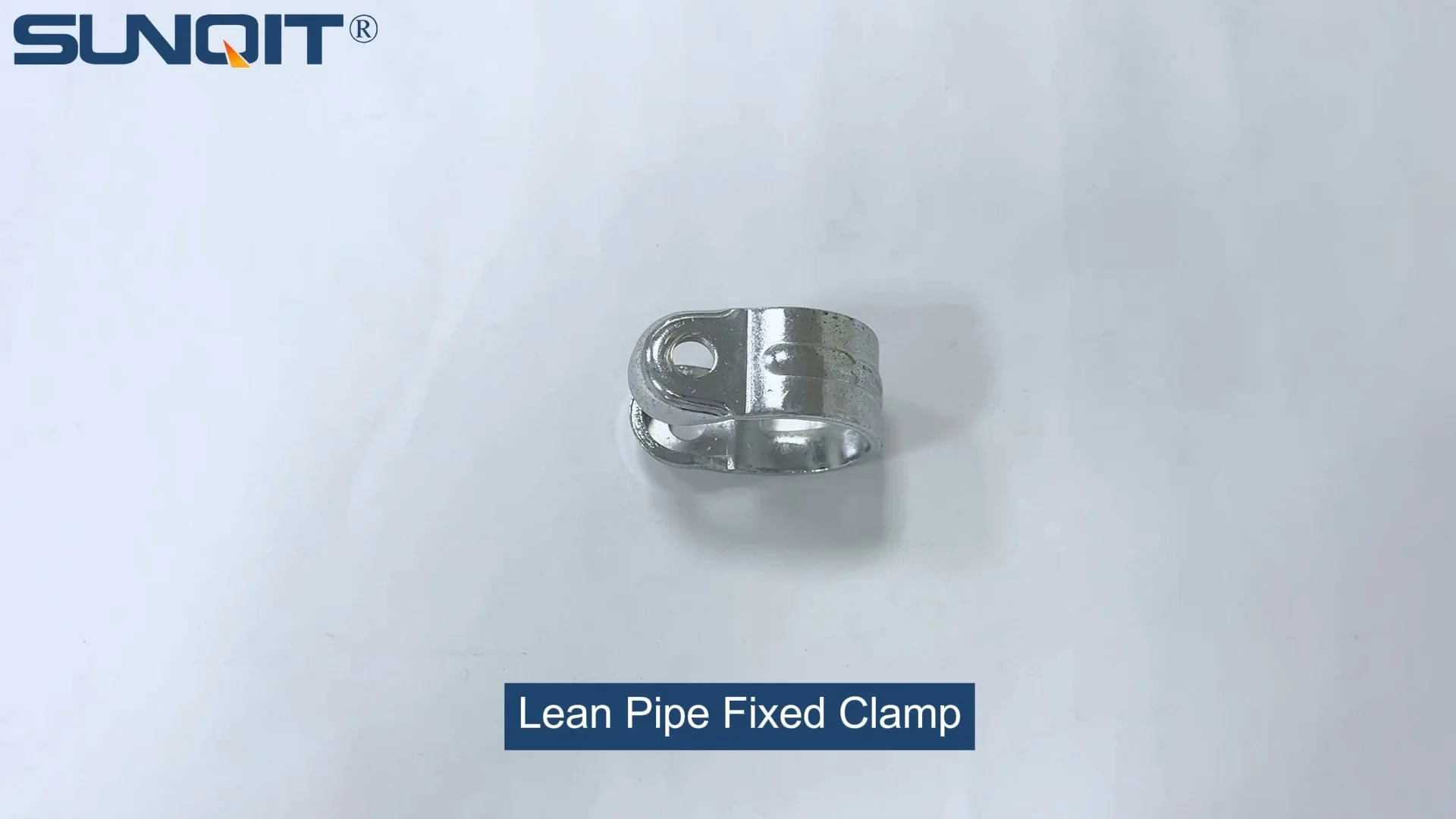
Lean Pipe Fixed Clamp
Lean pipe fixed clamp is used for pipe connector fixing the correct position during workbench flow rack hand trolley assemble work.
Walk into any bustling warehouse, and you'll quickly realize the unsung hero of smooth operations isn't the fancy software or the biggest forklift—it's the flow of materials. Every second a package gets stuck, every time a worker has to hunt for a tool, or every wobbly shelf that slows down retrieval chips away at productivity. But what if there was a quiet, reliable solution that keeps this flow steady, adaptable, and even a little bit human? Enter lean pipe fixed clamps. These small but mighty components are the backbone of organized material flow, turning chaotic warehouses into well-oiled machines where every part has a purpose, and every movement feels intentional.
What Are Lean Pipe Fixed Clamps, Anyway?
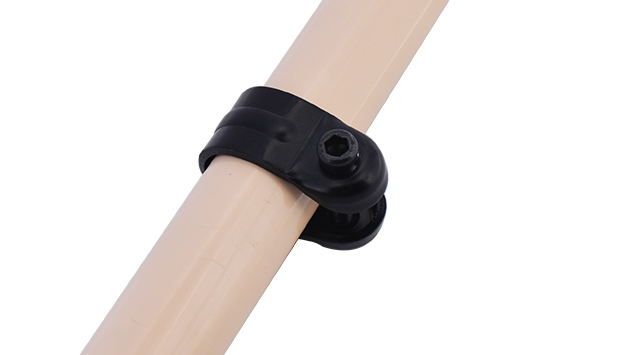
Let's start with the basics. Lean pipe fixed clamps are the unassuming connectors that hold lean pipe systems together. Picture this: you've got lengths of lean pipe (often steel, sometimes coated in plastic for durability or ESD protection), and you need to build a workbench, a flow rack, or a roller track. How do you make sure those pipes stay put, even when boxes are sliding, tools are being set down, or the entire structure needs to be rearranged? That's where the clamps come in. They're designed to grip pipes tightly, creating stable joints that can withstand daily wear and tear—yet they're also easy enough to adjust when your warehouse needs to shift gears.
Think of them as the "glue" of lean logistics, but better. Unlike glue, they're reusable. Unlike welding, they don't require a professional or heavy equipment. A warehouse manager or even a line worker with a basic wrench can loosen a clamp, reposition a pipe, and tighten it back up in minutes. That flexibility is key in today's fast-paced logistics world, where product lines change, seasonal demands spike, and space is always at a premium.
The Quiet Role of Lean Pipe Fixed Clamps in Material Flow
Material flow isn't just about moving things from Point A to Point B—it's about doing it without friction . Friction here means delays, errors, and frustration. Lean pipe fixed clamps fight friction in three big ways:
1. Stability That Workers Can Trust
Imagine a roller track loaded with heavy cartons. If the track wobbles because the pipes underneath aren't secured properly, those cartons might jam, or worse, tip over. That's not just a productivity issue—it's a safety hazard. Lean pipe fixed clamps eliminate that risk by locking pipes into place with a firm, consistent grip. When a worker pushes a box down the track, they don't have to second-guess if the structure will hold. That confidence translates to faster, more efficient work—and fewer anxious glances over their shoulders.
2. Flexibility to Keep Up with Change
Warehouses aren't static. One month, you're storing small electronics; the next, you're handling bulkier items for the holiday rush. Fixed clamps make it easy to adapt. Need to raise a workbench by a few inches? Loosen the clamps, adjust the pipes, retighten. Want to add a second level to a flow rack? Swap out shorter pipes for longer ones, secure with clamps, and you're done. This isn't just about saving time on reconfiguration—it's about empowering teams to solve problems on the fly. No waiting for a contractor, no expensive custom builds—just a few turns of a wrench and the warehouse evolves.
3. Integration with the Entire Lean Ecosystem
Lean pipe fixed clamps don't work alone. They're part of a larger family of components—lean pipe joints, roller tracks, workbenches, and flow racks—that together create a seamless material flow system. For example, a flow rack might use clamps to attach roller tracks to vertical pipes, ensuring the tracks slope at the perfect angle for gravity-fed movement. A workbench could rely on clamps to secure its frame, so when a worker pounds a tool or stacks heavy parts, the bench stays rock-solid. It's this integration that turns individual parts into a cohesive solution—one that feels less like a collection of hardware and more like an extension of the team's workflow.
| Component | Role in Material Flow | How It Works with Lean Pipe Fixed Clamps |
|---|---|---|
| Lean Pipe Joints | Create angles and connections between pipes (e.g., 90°, 45° bends). | Clamps secure joints to pipes, ensuring angles stay precise even under stress. |
| Roller Tracks | Enable smooth sliding of materials (e.g., cartons, bins) along a path. | Clamps attach tracks to support pipes, keeping them level and stable for consistent flow. |
| Workbenches | Provide stable surfaces for assembly, packing, or inventory checks. | Clamps hold the bench frame together, preventing wobbling during use. |
| Flow Racks | Store materials in sloped lanes for first-in, first-out (FIFO) access. | Clamps fix rack uprights and crossbars, maintaining lane angles for gravity flow. |
The Human Side: Why Workers Notice (and Appreciate) Good Clamps
At the end of the day, warehouses are run by people—not robots. And people notice when their tools make their jobs harder. A loose clamp might mean a workbench that creaks every time someone leans on it, or a roller track that jams when a box hits a wobbly section. Over time, those little annoyances add up: frustration, slower work, even mistakes. On the flip side, tight, reliable clamps create a sense of order that makes work feel more manageable.
Take Maria, a picker at a mid-sized e-commerce warehouse. A few months ago, her team's flow rack kept shifting because the clamps holding the roller tracks were cheap and flimsy. "I'd be grabbing a bin, and suddenly the track would tilt, and everything would slide off," she recalls. "I spent half my day picking up messes instead of picking orders." After switching to heavy-duty lean pipe fixed clamps, she says, "It's like night and day. The rack doesn't move. I can focus on my job, not fixing the equipment. It sounds silly, but it makes me feel like the company cares about making my day easier."
That's the human touch of lean pipe fixed clamps: they don't just organize materials—they organize experiences . When a worker doesn't have to fight with unstable structures, they feel respected, valued, and more engaged. And engaged workers are more productive, safer, and less likely to burn out. It's a ripple effect that starts with a simple clamp and ends with a warehouse that runs like a community, not just a machine.

Beyond the Basics: Advanced Benefits of Quality Clamps
Durability That Saves Money (and Headaches)
Cheap clamps might save a few dollars upfront, but they'll cost you in the long run. They strip, corrode, or loosen over time, leading to constant repairs and replacements. High-quality lean pipe fixed clamps, though, are built to last. Made from robust materials like steel with zinc plating or stainless steel for rust resistance, they stand up to humidity, heavy loads, and the daily bumps and scrapes of warehouse life. Over months and years, that durability translates to lower maintenance costs, fewer disruptions, and a system that grows with your business instead of holding it back.
ESD Protection for Sensitive Operations
For warehouses handling electronics, medical devices, or other static-sensitive products, ESD (electrostatic discharge) protection is non-negotiable. Some lean pipe fixed clamps come with ESD-safe coatings or materials that prevent static buildup, ensuring that even as materials flow through the warehouse, they're protected from damage. It's a small detail, but for industries where a single static spark can ruin a $1,000 component, it's a lifesaver.
Sustainability Through Reusability
In an era of increasing focus on sustainability, lean pipe fixed clamps shine. Unlike welded structures or custom-built racks, which often end up in landfills when they're no longer needed, clamps and lean pipes are fully reusable. When your warehouse layout changes, you can disassemble the old system, move the clamps and pipes to a new location, and rebuild. It's a circular approach that reduces waste, cuts down on raw material use, and aligns with the lean philosophy of "doing more with less."

Choosing the Right Clamps: What to Look For
Not all clamps are created equal. When selecting lean pipe fixed clamps for your warehouse, keep these factors in mind:
- Grip Strength: Look for clamps with serrated jaws or rubberized coatings that bite into pipes and prevent slipping, even under heavy loads.
- Material Compatibility: Ensure the clamps work with your existing lean pipes (e.g., steel, aluminum, or stainless steel). Some clamps are designed for specific pipe diameters, so double-check measurements.
- Ease of Adjustment: Opt for clamps that can be tightened or loosened with basic tools (like a hex key or wrench) to speed up reconfiguration.
- Environmental Resistance: If your warehouse is humid, dusty, or exposed to chemicals, choose clamps with corrosion-resistant finishes (e.g., zinc plating or stainless steel).
- Load Rating: Check the manufacturer's load rating to ensure the clamps can handle the weight of your materials. Overloading clamps is a safety risk and shortens their lifespan.
Conclusion: The Clamp That Holds It All Together
Lean pipe fixed clamps might not be the flashiest part of warehouse logistics, but they're undoubtedly one of the most essential. They're the quiet force that turns chaos into order, rigidity into flexibility, and frustration into focus. By securing lean pipe systems with reliability and adaptability, they create material flow that's not just efficient—but human-centered.
So the next time you walk through a warehouse and notice how smoothly everything moves—how the roller tracks glide, the workbenches stand firm, and the workers seem calm and focused—take a moment to appreciate the small, sturdy clamps holding it all together. They're proof that sometimes, the most powerful solutions are the ones that work behind the scenes, making life easier for the people who keep the world's supply chains moving.
Because in the end, logistics isn't just about moving things—it's about moving people forward, one clamp at a time.