- Company Articles
- Products and Technology
- Product knowledge
- Lean Pipe Fixed Clamps: Reducing Downtime in Assembly Processes

Lean Pipe Fixed Clamps: Reducing Downtime in Assembly Processes
Related Product
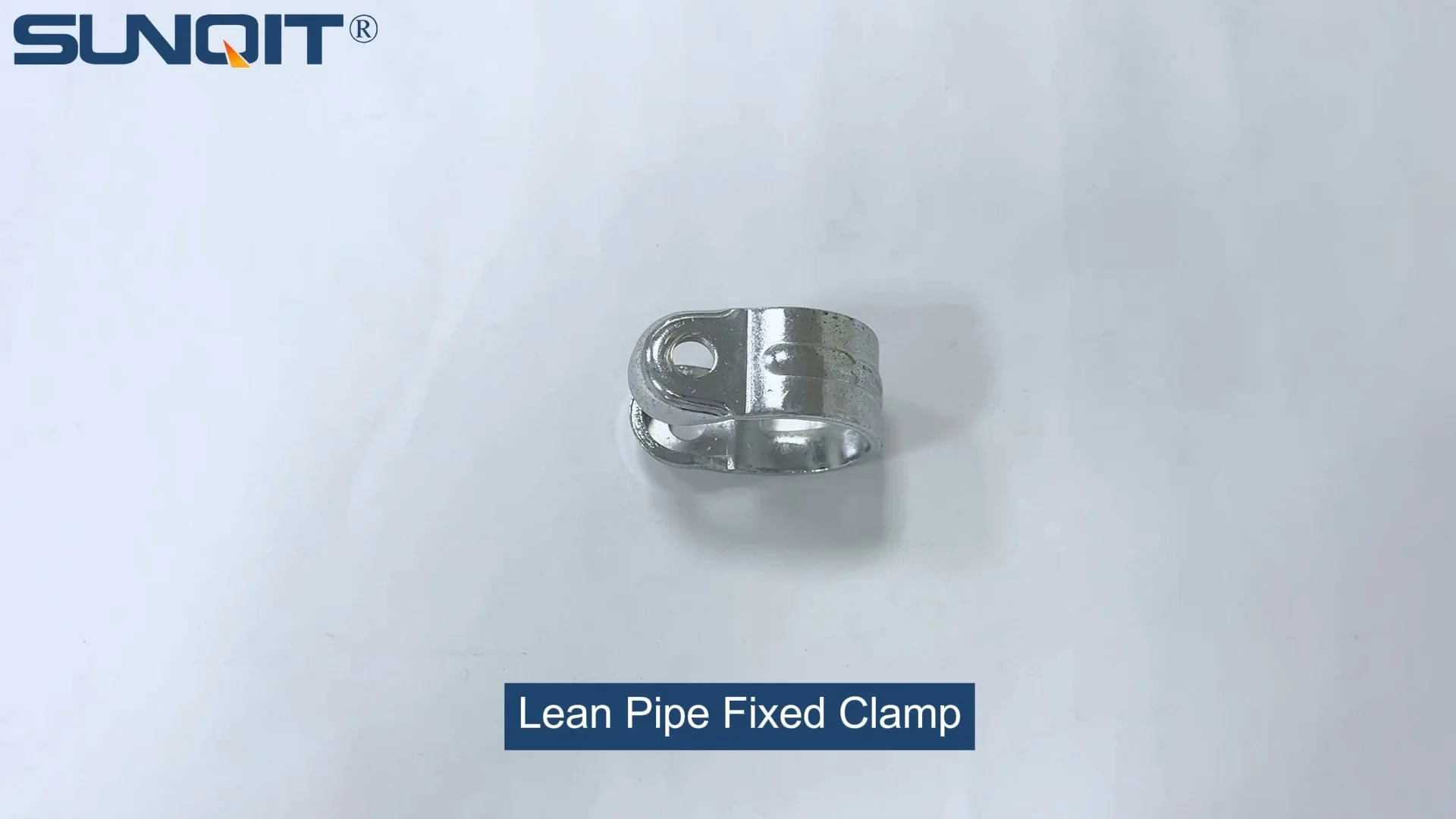
Lean Pipe Fixed Clamp
Lean pipe fixed clamp is used for pipe connector fixing the correct position during workbench flow rack hand trolley assemble work.
Imagine standing on the factory floor at 9 a.m. The hum of machinery fills the air, teams are in rhythm, and production targets feel within reach. Then—suddenly—a sharp metallic clatter cuts through the noise. A workbench on Line 3 has wobbled, a pipe joint, and a bin of components has crashed to the ground. The line grinds to a halt. By the time maintenance tracks down a wrench and tightens the loose part, 45 minutes have slipped by. That's 45 minutes of lost output, frustrated operators, and a growing gap between your team and the day's goals. If this scenario feels familiar, you're not alone. Downtime in assembly processes is the silent thief of productivity, and often, its roots lie in the smallest, most overlooked components—like the clamps holding your lean systems together.
The Hidden Cost of Downtime: More Than Just Lost Minutes
Downtime isn't just a pause in production—it's a cascade of consequences. Unplanned downtime, in particular, strikes without warning: a worn-out clamp snaps, a joint loosens, or a workbench gives way under the weight of tools. Each minute the line is down eats into labor costs (your team is paid to work, not wait), erodes customer trust (missed deadlines add up), and even demoralizes staff (no one likes standing idle when they're ready to perform). For manufacturers, the numbers are stark: industry reports estimate that unplanned downtime can cost factories upwards of $22,000 per minute. But the real pain? It's the intangibles—the stress of scrambling to fix a problem, the guilt of explaining delays to a client, or the frustration of knowing a simple part failure could have been avoided.
Consider a typical assembly line relying on traditional rigid clamps. These clamps, often made of brittle plastic or requiring specialized tools to adjust, have a short lifespan. When one fails, the entire structure—whether a lean pipe workbench, a flow rack, or a conveyor track—becomes unstable. A loose clamp on a flow rack, for example, might cause roller tracks to misalign, jamming the flow of materials. Suddenly, operators can't access parts, and the line stalls. By the time a maintenance technician arrives with a wrench, 20 minutes have passed, and the backlog has already started to pile up. Multiply that by a few such incidents a week, and you're looking at thousands of dollars in lost revenue—and a team that's constantly playing catch-up.
Lean Pipe Fixed Clamps: The Unsung Heroes of Stable, Resilient Systems
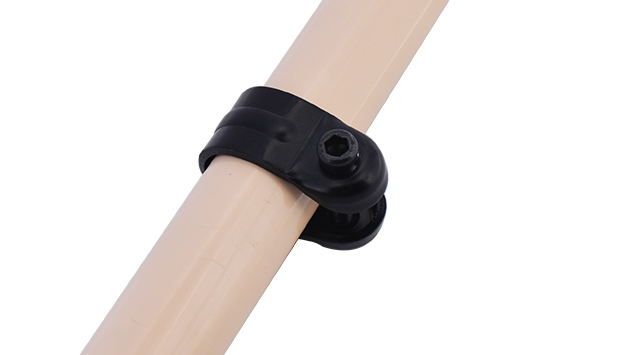
Enter lean pipe fixed clamps: small, unassuming components that punch far above their weight in the fight against downtime. Designed as part of modern lean systems, these clamps are the backbone of flexible, durable workspaces. Unlike their rigid predecessors, they're engineered to secure lean pipes, joints, and accessories with minimal effort—no wrenches, no drills, no specialized training required. Think of them as the "glue" that holds your lean pipe workbench, flow rack, or conveyor system together, but a glue that's strong, adaptable, and easy to adjust when needed.
At their core, lean pipe fixed clamps solve a critical problem: stability without rigidity. Traditional clamps often force a trade-off—either they're so tight they crack under stress, or so loose they can't hold up to daily wear. Lean pipe fixed clamps, by contrast, use ergonomic designs and durable materials (like high-grade aluminum or stainless steel) to balance grip and flexibility. Many feature tool-less adjustment: a simple twist or flip of a lever tightens or loosens the clamp, allowing operators to make on-the-spot fixes without hunting for tools. This isn't just convenience—it's a revolution in how teams respond to small issues before they balloon into line-stopping crises.
3 Ways Lean Pipe Fixed Clamps Slash Downtime (Yes, Really)
It's easy to dismiss clamps as "just another part," but their impact on downtime is measurable. Here's how they make a difference in real-world assembly environments:
1. Tool-Less Repairs: From 30 Minutes to 30 Seconds
Picture this: An operator notices a lean pipe workbench shaking mid-shift. On closer inspection, a clamp holding the frame has loosened. With traditional clamps, they'd have to flag down a maintenance tech, who'd then spend 10 minutes tracking down a wrench, 15 minutes tightening the clamp, and 5 minutes testing stability—total downtime: 30 minutes. With lean pipe fixed clamps? The operator simply twists the clamp's lever with their hand, feels it lock into place, and gets back to work. Total time: 30 seconds. No tools, no waiting, no line stoppage. This isn't just a time-saver; it empowers your frontline team to solve problems themselves, turning passive bystanders into active problem-solvers.
2. Durability That Outlasts the Daily Grind
Assembly lines are tough environments: vibrations from machinery, constant adjustments, and the weight of tools and materials take a toll on equipment. Traditional plastic clamps crack under stress; metal clamps with rough edges wear through pipes, leading to leaks or weak points. Lean pipe fixed clamps, often made from corrosion-resistant aluminum or stainless steel, are built to endure. Their smooth, rounded edges protect pipes from abrasion, while reinforced hinges and locking mechanisms resist fatigue. In one case study, a food packaging plant reported that switching to stainless steel lean pipe fixed clamps reduced clamp replacements by 75% over two years—meaning fewer instances of unexpected failures and the downtime they bring.
3. Flexibility to Adapt—Without Disruption
In today's manufacturing landscape, agility is key. Product lines change, order volumes fluctuate, and workflows evolve. Traditional rigid systems require full reconfigurations—taking days or weeks—to adapt, leading to planned downtime that's almost as costly as the unplanned kind. Lean pipe fixed clamps, however, excel at flexibility. Need to adjust the height of a flow rack to accommodate taller bins? Loosen the clamps, reposition the pipes, and retighten—done in 10 minutes. Want to add a new shelf to a workbench for tools? Clamp it on without drilling or welding. This adaptability means your team can pivot quickly, without halting production for major overhauls.

Beyond Clamps: Building a Downtime-Resistant Lean Ecosystem
Lean pipe fixed clamps don't work in isolation—they're part of a larger lean system designed to minimize waste, including the waste of time. When paired with compatible components like lean pipe workbenches, flow racks, and conveyors, they create a network of stability that keeps your line moving, even when the unexpected happens.
| Lean System Component | How Lean Pipe Fixed Clamps Enhance Stability | Resulting Downtime Reduction |
|---|---|---|
| Lean Pipe Workbench | Secure frame joints and tabletop supports, preventing wobbling or collapse under tool/part weight. | 90% fewer stoppages due to workbench instability. |
| Flow Rack | Hold roller tracks and side guides in alignment, ensuring smooth material flow without jams. | 65% reduction in manual intervention to fix misaligned tracks. |
| Conveyor System | Maintain roller spacing and track alignment, minimizing misfeeds and part jams. | 50% fewer breakdowns related to track misalignment. |
Take flow racks, for example. These critical structures rely on roller tracks to move materials from storage to assembly stations. A single loose clamp can cause a track to dip or shift, leading to boxes getting stuck or even falling. With lean pipe fixed clamps securing every connection point—from the roller track placon mounts to the side guides—tracks stay aligned, and materials glide smoothly. Operators no longer have to stop to free jammed parts, and the line keeps humming.
Similarly, lean pipe workbenches equipped with these clamps become rock-solid workstations. Whether an operator is using a heavy drill or stacking parts, the clamps ensure the bench doesn't shift or creak. This stability isn't just about safety (though that's a huge plus); it's about consistency. When workbenches stay steady, tools stay organized, and tasks stay on schedule—no more hunting for dropped tools or readjusting wobbly surfaces.

From Frustration to Flow: A Real-World Turnaround
Let's ground this in a story—one that mirrors what many manufacturers experience. A mid-sized electronics assembler was struggling with unplanned downtime averaging 4 hours per week, much of it tied to unstable workbenches and flow racks. Their old setup used plastic clamps that cracked under the weight of circuit board components, and metal clamps that required a hex key to adjust. When a clamp failed, the maintenance team was stretched thin, and line leads often had to halt production for 30–45 minutes to fix the issue.
Then, they switched to lean pipe fixed clamps from a trusted lean pipe supplier. The change was subtle at first—just swapping out old clamps for new ones during a weekend maintenance window. But the impact was immediate. Within the first month, unplanned downtime dropped to 1 hour per week. Operators, empowered to tighten loose clamps themselves, started solving problems before they escalated. A line lead noted, "Before, I'd see a wobbly workbench and think, 'Great, another 20 minutes of waiting.' Now, I just twist the clamp and keep going. It's like night and day."
Over six months, the plant calculated that the clamps had saved them over 100 production hours—translating to 2,500 more units assembled and $75,000 in recovered revenue. More importantly, the team's morale lifted. "We feel in control again," one operator said. "We're not just reacting to problems—we're preventing them."
Choosing the Right Clamps: It's About More Than "Good Enough"
Not all lean pipe fixed clamps are created equal. To truly reduce downtime, you need clamps that fit your environment, your load requirements, and your existing lean system. Here's what to look for:
- Material Matters: For humid or corrosive environments (like food processing or automotive paint shops), stainless steel clamps resist rust and degradation. In dry, general manufacturing, aluminum clamps offer a lightweight, cost-effective option.
- Tool-Less Design: Opt for clamps with ergonomic levers, knobs, or twist locks. The goal is to make adjustments so simple that anyone on the line can do it—no special training required.
- Compatibility: Ensure the clamps work with your existing lean pipes, joints, and accessories. Reputable lean pipe suppliers often design clamps to pair seamlessly with their products, reducing the risk of mismatched parts that loosen or fail.
- Load Capacity: Don't skimp on strength. A clamp rated for 50 lbs won't hold up to a workbench loaded with 100 lbs of tools. Check the manufacturer's specs and test under real-world conditions.
And don't overlook the value of working with experienced lean pipe suppliers. They can help you assess your needs, recommend the right clamps, and even provide samples to test in your environment. After all, the best clamp is one that works so well, you forget it's there—until you realize your line hasn't stopped in weeks.
The Bottom Line: Small Clamps, Big Impact
Downtime is a silent adversary, but it's not unbeatable. Often, the solution lies not in expensive overhauls or fancy technology, but in upgrading the small, critical components that keep your systems stable—like lean pipe fixed clamps. These unassuming tools transform how your team handles disruptions, turning minutes of downtime into seconds, and frustration into focus.
If you're tired of watching productivity slip through the cracks of loose clamps and unstable structures, it's time to rethink the role of these tiny workhorses. Lean pipe fixed clamps aren't just parts—they're a commitment to your team, your customers, and your bottom line. And in the end, that's the true power of lean manufacturing: finding value in the details, so your operation runs not just faster, but smarter.
So, the next time you walk your assembly line, take a closer look at those clamps. Are they holding you back, or holding you up? The answer might just be the key to unlocking the productivity you've been chasing.