- Company Articles
- Products and Technology
- Solution
- Lean Principles: 1.5mm Stainless Steel Pipe for Reusable Material Storage Solutions

Lean Principles: 1.5mm Stainless Steel Pipe for Reusable Material Storage Solutions
Related Product
1.5mm Stainless Steel Pipe
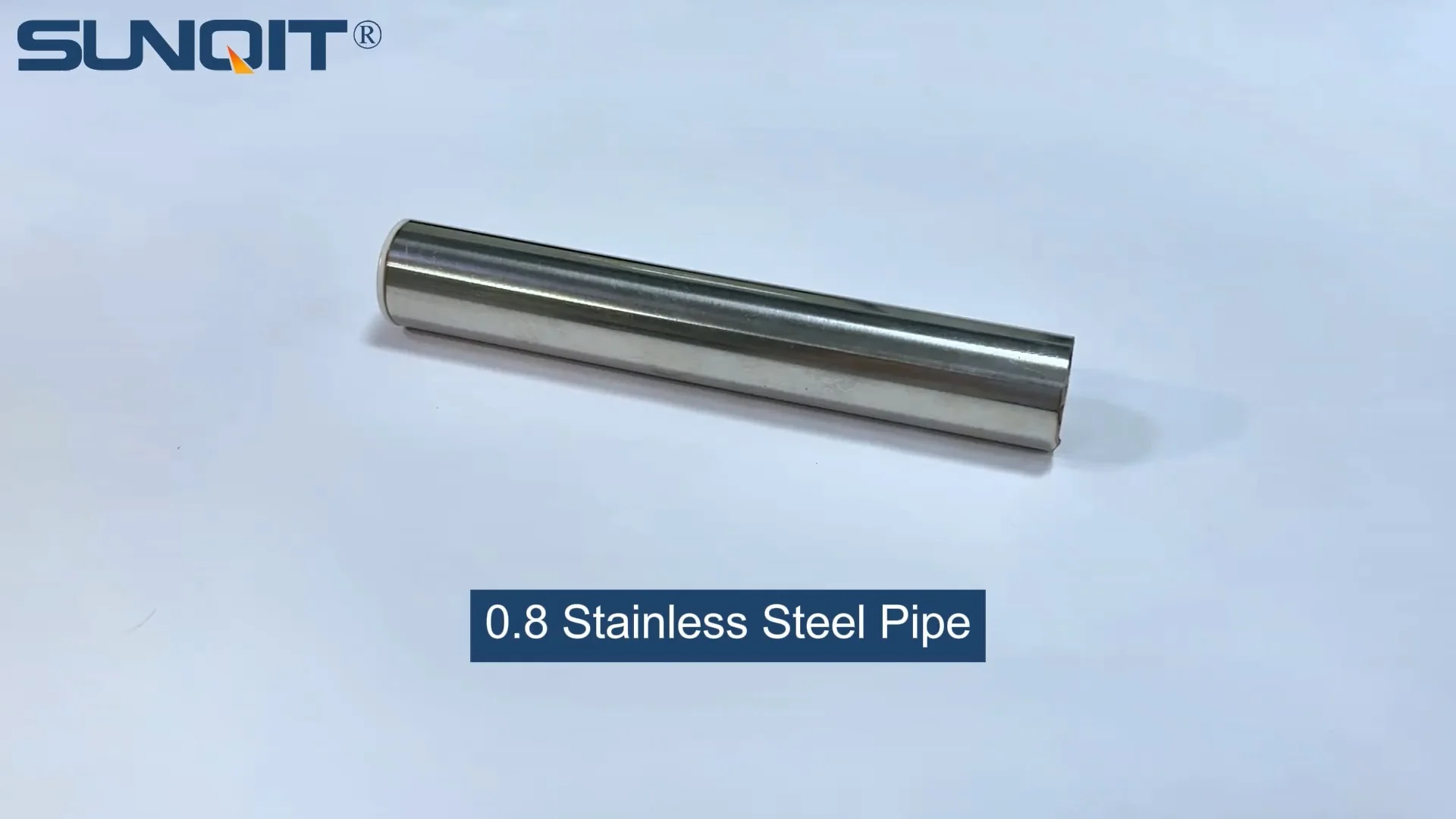
Stainless steel pipe, lean pipe, diameter is 28mm, material is SS201 or SS304, SS201 is normally used in the market. It knows a KARAKURI, KAIZEN material for industrial plant to improve efficiency, save labor cost, standard management.
Walk into any busy manufacturing facility, and you'll notice one thing immediately: the rhythm of production depends on more than just machines and people. It depends on how smoothly materials move—from the moment they arrive at the loading dock to the second they're assembled into finished products. When that flow gets stuck—because a part is lost in a messy storage area, a rack collapses under heavy boxes, or a workbench isn't set up for the day's tasks—everything slows down. Frustration builds. Deadlines get pushed. And over time, those small delays add up to big losses.
This is where lean principles step in—not as some abstract management buzzword, but as a practical way to strip away waste and make work feel less like a struggle. At the heart of lean is the idea that every tool, every process, and every inch of space should add value. And when it comes to material storage, that value starts with choosing the right building blocks. Enter the unsung hero of modern lean storage: 1.5mm stainless steel pipe. It's not flashy, but it's the backbone of systems that turn chaotic warehouses into well-oiled machines.
Lean Principles 101: Why Material Storage Matters More Than You Think
Before we dive into the specifics of stainless steel pipes, let's ground ourselves in what lean really means for storage. Lean isn't just about "getting organized"—it's about eliminating muda , the Japanese term for waste. In manufacturing, waste comes in many forms: time spent searching for parts (waiting), moving materials farther than necessary (transport), storing more inventory than needed (inventory), and even repairing broken storage equipment (defects). Material storage touches all these areas.
Think about it: If your storage system is rigid—say, a set of fixed metal shelves bolted to the floor—you're stuck with that layout forever. When your production line changes (and it will), you either cram new parts into old spaces or spend money on entirely new racks. That's waste. Lean storage, by contrast, is flexible, durable, and built to adapt. It's designed so that materials are always where they need to be, when they need to be there—no hunting, no waiting, no wasted effort.
The Problem with Traditional Storage: Why "Good Enough" Costs You Money
For decades, manufacturers have made do with "good enough" storage solutions. Wooden pallets that warp, plastic bins that crack, and flimsy metal racks that rust or bend under heavy loads. These might work for a while, but they're quietly eating into your bottom line. Let's break down the hidden costs:
Rigidity = Obsolescence: Traditional storage systems are often one-and-done. A welded steel rack might hold heavy parts today, but if next month you start producing smaller components, that rack becomes a giant, useless obstacle. You either live with inefficiency or pay to replace it.
Frequent Replacements: Thinner steel pipes (like 1.0mm) or low-quality materials might save money upfront, but they don't stand up to daily use. A pipe that bends when you load it with 50kg boxes will need replacing in a year. Multiply that by dozens of racks, and suddenly "cheap" becomes expensive.
Corrosion and Wear: In factories where moisture, oils, or chemicals are present, uncoated steel or plastic storage solutions degrade fast. Rust weakens structures; cracked plastic bins spill parts. Not only do you replace the storage itself, but you also lose the materials inside.
Take the example of a small electronics manufacturer I worked with a few years back. They used wooden shelves for storing circuit boards and small components. Within six months, the shelves warped from humidity, leaving gaps where tiny parts fell through. Workers spent 15 minutes each morning just hunting for missing resistors. By the time they switched to a better system, they'd lost hundreds of dollars in parts and countless hours of productivity. The problem wasn't that they ignored storage—it was that they thought "good enough" was enough.

Enter 1.5mm Stainless Steel Pipe: The Unsung Hero of Lean Storage
So, what makes 1.5mm stainless steel pipe different? Let's start with the basics. Stainless steel is an alloy of iron, chromium, and other metals, which gives it that signature resistance to rust and corrosion. The "1.5mm" refers to the thickness of the pipe wall—not too thin to bend, not so thick that it's heavy or hard to work with. It's the sweet spot between strength and practicality.
But why this specific thickness? After testing dozens of options, lean experts and manufacturers alike have found that 1.5mm hits the mark for most storage needs. It can support up to 80kg per linear meter without bending, which is more than enough for typical factory materials—from small components to heavy toolboxes. And because it's stainless steel, it stands up to moisture, oils, and even mild chemicals, making it ideal for everything from food processing plants to automotive workshops.
But the real magic is in its reusability and modularity. Unlike welded racks or fixed shelves, 1.5mm stainless steel pipe systems use simple joints and connectors that let you assemble, disassemble, and reconfigure racks, workbenches, and flow racks as your needs change. Need to add a shelf to a flow rack? Swap out a 2-meter pipe for a 3-meter one. Moving to a new facility? Take the whole system apart, load it on a truck, and rebuild it in the new space. No waste, no new purchases—just adaptability.
| Material | Durability (Average Lifespan) | Corrosion Resistance | Reusability | Long-Term Cost | Flexibility |
|---|---|---|---|---|---|
| 1.5mm Stainless Steel Pipe | 10–15 years (with proper care) | Excellent (resists rust, moisture, oils) | High (easily disassembled/reconfigured) | Low (one-time purchase, minimal replacement) | High (modular, adapts to changing needs) |
| Wooden Shelving | 1–3 years (warping, rot) | Poor (swells with moisture, rots) | Low (damaged during disassembly) | High (frequent replacements) | Low (fixed size, no reconfiguration) |
| 1.0mm Steel Pipe (Uncoated) | 2–4 years (bends, rusts) | Poor (rusts in humid environments) | Medium (can be reused, but bends easily) | Medium (needs replacement every few years) | Medium (modular, but limited weight capacity) |
| Plastic Racks | 2–5 years (cracks, weakens under heat) | Good (resists moisture, but not chemicals) | Low (cracks when disassembled) | Medium (replaced every 3–5 years) | Low (fixed designs, limited weight capacity) |
The table above tells the story: 1.5mm stainless steel pipe outperforms traditional materials in almost every category that matters for lean storage. It's not just about strength—it's about building a system that grows with your business, not against it.

Building Blocks of Lean Storage: Applications That Transform Workflows
So, how do you turn a simple pipe into a lean storage powerhouse? The beauty of 1.5mm stainless steel pipe is its versatility. When paired with the right joints, connectors, and accessories, it becomes the foundation for systems that solve real-world problems. Let's look at three key applications:
Flow Racks: Let Gravity Do the Work
Flow racks are the backbone of "first-in, first-out" (FIFO) inventory management—critical for lean operations. Here's how they work: materials are loaded onto the back of the rack, and gravity pulls them forward as items are removed from the front. No more digging through piles to find the oldest stock; everything moves smoothly to where it's needed.
1.5mm stainless steel pipe forms the frame of these racks, providing the strength to support layers of roller tracks (another key component, often made from plastic or aluminum). The pipe's rigidity ensures the rack doesn't bow under the weight of stacked boxes, while its corrosion resistance means it holds up in damp warehouses or cleanrooms. Unlike fixed metal racks, you can adjust the angle of the flow lanes or add new sections as your inventory mix changes. A client in the automotive parts industry once told me their flow racks, built with 1.5mm stainless steel pipe, reduced time spent restocking by 40%—simply because they could reconfigure the lanes to match seasonal demand.
Workbenches: Where Storage Meets Productivity
A workbench isn't just a table—it's a command center. The best ones keep tools, parts, and paperwork within arm's reach, so workers don't waste time stretching, bending, or walking to grab what they need. 1.5mm stainless steel pipe shines here, too.
Imagine a workbench for assembling small appliances. The frame is built from 1.5mm stainless steel pipe, with a solid wooden or aluminum top. Underneath, there are shelves for toolboxes; above, a hanging rail for frequently used tools. On one side, a small flow rack holds the day's supply of screws and washers. Because the pipe is modular, you can add a drawer unit next month or raise the height by 10cm if a taller worker joins the team. And because it's stainless steel, spills from cleaning solvents or lubricants wipe right off—no staining, no rust.
I visited a medical device manufacturer last year that had swapped their old wooden workbenches for these stainless steel pipe systems. The difference was night and day. Workers reported less back pain (thanks to adjustable heights) and faster assembly times (thanks to organized storage). One technician joked, "I used to spend half my day looking for my torque wrench. Now it's hanging right above my bench. I feel like I've gotten a raise—without the paycheck."
Turnover Trolleys: Storage That Moves with You
In lean terms, "transport" is a form of waste—unless it's adding value. Turnover trolleys (those mobile carts used to move materials between stations) turn transport into value by making it effortless. But not all trolleys are created equal.
A well-built trolley, framed with 1.5mm stainless steel pipe, can carry 200kg or more without wobbling. Add casters with brakes, and it stays put when you need it to, then rolls smoothly when you don't. Unlike plastic or thin-steel trolleys that tip over or break after a few months, these stainless steel workhorses last for years. A food packaging plant I consulted with uses them to move bulk ingredients from the warehouse to the production line. Even with daily use—bumping into walls, being loaded and unloaded—the trolleys look brand-new after three years. "We used to replace plastic trolleys every six months," their operations manager told me. "Now we buy one and forget about it."
The Ripple Effect: Benefits Beyond Just "Storing Stuff"
At this point, you might be thinking, "Okay, 1.5mm stainless steel pipe is strong and flexible—but how does that translate to real business results?" The answer is in the ripple effect. When storage works better, everything works better.
Efficiency That Adds Up: Let's say a worker spends 5 minutes less per day searching for materials because their flow rack is organized. Multiply that by 250 workdays a year and 50 workers, and you're looking at over 10,000 hours saved—enough to complete hundreds of extra orders.
Sustainability That Matters: Lean isn't just about profit; it's about respecting resources. 1.5mm stainless steel pipe is reusable and recyclable, so you're not sending old racks to the landfill every few years. One manufacturer I worked with calculated that switching to stainless steel storage reduced their annual waste by 2 tons—something their customers (who cared about sustainability) loved hearing about.
Morale That Boosts Performance: It's easy to overlook, but workers notice when their workplace is set up for success. A messy, disorganized storage area feels chaotic; a clean, efficient one feels empowering. When tools are where they should be and racks don't collapse, workers feel valued—and valued workers are more engaged, more productive, and less likely to quit.
From Blueprint to Reality: A Small Manufacturer's Success Story
Let's put this all together with a real-world example. A few years ago, I worked with a family-owned furniture manufacturer in the Midwest. They made custom wooden chairs and tables, and their production floor was a maze of mismatched storage: old metal shelves, plastic bins stacked haphazardly, and a corner where "extra parts" accumulated like dust. Their biggest pain point? Storing wooden legs and frames. The legs came in different lengths (45cm, 60cm, 75cm), and workers spent 20 minutes per order just sorting through the piles to find the right ones.
We started by designing a set of flow racks using 1.5mm stainless steel pipe. Each rack had three lanes, one for each leg length, with roller tracks to let the legs roll forward as they were used. We also added a custom workbench next to the assembly line, with hanging hooks for tools and a small flow rack for screws and glue. The total cost was higher than buying new wooden shelves, but the results spoke for themselves:
- Time spent sorting legs dropped from 20 minutes per order to 5 minutes.
- Damaged legs (from being stacked improperly) decreased by 70%.
- Workers reported feeling "less stressed" and "more in control" during morning meetings.
Six months later, the owner told me they'd increased their monthly output by 15%—not by adding more workers, but by making the ones they had more efficient. And because the stainless steel racks were modular, they could add new lanes when they introduced a new leg length the following year. No new investment, no wasted space—just growth.
Choosing Your Partner: What to Look for in a Lean Pipe Supplier
You can't build a great lean storage system with subpar materials. That's why choosing the right lean pipe supplier is just as important as choosing the pipe itself. Here's what to look for:
Expertise in Lean, Not Just Pipes: A good supplier doesn't just sell you pipes and joints—they understand your workflow. They'll ask questions like, "How do your materials flow through the facility?" or "What's your biggest storage frustration?" and then design a system around your answers. Avoid suppliers who push a "one-size-fits-all" solution; lean is about customization.
Quality Certifications: Not all stainless steel is created equal. Look for suppliers who can provide certifications (like ISO 9001) for their materials, ensuring the 1.5mm pipe meets strength and corrosion-resistance standards. A pipe that's "almost" 1.5mm thick might save a few cents, but it won't hold up over time.
Support Beyond the Sale: Installing a new storage system can be intimidating. The best suppliers offer guidance on assembly, or even send a technician to help set up the first few racks. They'll also stand behind their products—if a joint breaks or a pipe bends unexpectedly, they'll replace it without hassle.
Remember: A lean pipe supplier should be a partner, not just a vendor. They're invested in your success because when you succeed, you'll come back for more racks, more workbenches, and more solutions as your business grows.
Conclusion: Lean Storage Isn't Just a System—It's a Mindset
At the end of the day, 1.5mm stainless steel pipe is more than just a material. It's a tool that embodies the core of lean principles: respect for people, elimination of waste, and continuous improvement. It's about building storage systems that don't fight against your workflow, but enable it. Systems that grow with you, adapt with you, and last long enough to become part of your company's story.
So, the next time you walk through your facility, take a hard look at your storage. Is it adding value, or is it just taking up space? If it's the latter, maybe it's time to think lean—and maybe it's time to pick up the phone and talk to a lean pipe supplier about 1.5mm stainless steel pipe. Your workers will thank you. Your bottom line will thank you. And who knows? You might just turn those small, daily frustrations into small, daily wins.
After all, lean isn't about perfection. It's about progress. And progress starts with the right tools—even if they're as simple as a well-made pipe.