- Company Articles
- Products and Technology
- Product knowledge
- Lean Tube System Efficiency: Turning Angle Code 2020 Optimization Tips

Lean Tube System Efficiency: Turning Angle Code 2020 Optimization Tips
Related Product
Urning Angle Code 2020
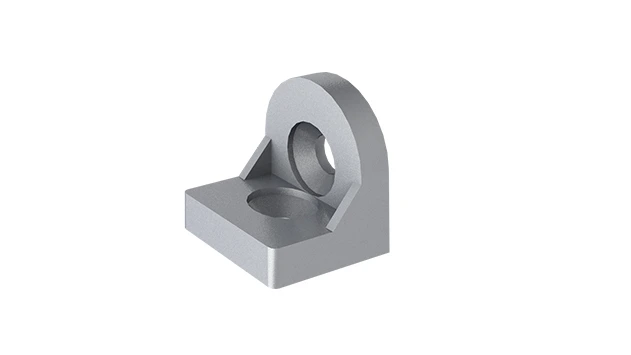
The turning angle aluminum profile connector provides a 90 degree hidden corner connection. 2020 it is means this size is used for 20 series aluminum profile.The corner code comes with set screws that allow for quick, easy connections.
In the fast-paced world of manufacturing, where every second counts and every inch of space matters, lean systems aren't just a buzzword—they're the backbone of operational success. At the heart of these systems lies a network of components working in harmony: lean pipes, aluminum profiles, workbenches, roller tracks, and caster wheels, each playing a role in keeping production lines flowing smoothly. But here's the thing: even the most well-designed lean system can stumble if one small part is overlooked. Enter the Turning Angle Code 2020—a seemingly component that wields outsized influence over your system's efficiency. In this article, we'll dive into why this tiny angle code matters, the common pitfalls that hold back its performance, and actionable tips to optimize it, turning small adjustments into big gains for your workflow.
Understanding Lean Tube Systems: Beyond the Basics
Before we zoom in on the Turning Angle Code 2020, let's take a step back to appreciate the ecosystem it lives in. Lean tube systems, often built with lean pipes (or aluminum profiles for added durability), are the chameleons of manufacturing. They're modular, adaptable, and designed to eliminate waste—whether that's wasted time, space, or effort. Think of them as the Lego sets of the factory floor: with the right pipes, joints, and accessories, you can build workbenches, material racks, conveyor systems, and turnover trolleys tailored to your exact needs.
What makes these systems so powerful is their flexibility. A workbench today might become a material rack tomorrow, thanks to easy-to-assemble components. But flexibility doesn't mean fragility. The best lean systems balance adaptability with stability, and that's where components like the Turning Angle Code 2020 come into play. They're the quiet enforcers of structural integrity, ensuring that pipes and profiles stay connected even when subjected to the daily grind of production.
The Turning Angle Code 2020: A Small Part with a Big Impact
What is the Turning Angle Code 2020?
If lean tube systems are the body, then the Turning Angle Code 2020 is like a critical joint—small, but essential for movement and stability. Put simply, it's a connector designed to join two pieces of lean pipe or aluminum profile at a specific angle (often 90 degrees, though some variants allow for adjustments). Unlike basic straight joints, the Turning Angle Code 2020 is engineered for corners and bends, making it indispensable for building L-shaped workbenches, angular material racks, or roller track systems that need to navigate around obstacles on the factory floor.
At first glance, it might look like just another metal bracket, but don't let its simplicity fool you. The Turning Angle Code 2020 is precision-engineered to fit snugly with standard lean pipe diameters (typically 28mm for traditional lean pipes or 40mm for aluminum profiles), with holes for set screws that lock the connection in place. It's the kind of part you don't notice until it fails—and when it does, the consequences can ripple through your entire operation.
Why It Matters in System Integrity
Imagine building a house with weak nails. The walls might stand for a while, but eventually, they'll start to wobble. The same goes for lean tube systems and the Turning Angle Code 2020. A loose or poorly designed angle code can turn a sturdy workbench into a (wobbly) hazard, or a roller track into a bottleneck as materials get stuck on misaligned rails. Worse, it can compromise safety—no one wants a shelf full of heavy components suddenly giving way because a joint couldn't hold.
But the impact isn't just physical; it's also financial. A system with faulty angle codes might lead to frequent downtime as workers stop to tighten connections or fix misalignments. Over time, those minutes add up to hours of lost productivity. And then there's the cost of replacement parts and, in the worst cases, damaged materials. In short, the Turning Angle Code 2020 might be small, but its role in keeping your lean system efficient and reliable is huge.

Common Inefficiencies with Turning Angle Code 2020 (and How They Hurt Your Line)
Now that we understand why the Turning Angle Code 2020 matters, let's look at the ways it can underperform—and how those issues manifest on the factory floor. These inefficiencies often start small, but they have a knack for snowballing into bigger problems if left unchecked.
| Common Issue | How It Hurts Your Operation | Example Scenario |
|---|---|---|
| Loose Connections | Increased downtime, safety risks, wobbly structures | A workbench corner joint loosens, causing tools to slide off and workers to pause production to retighten. |
| Misalignment | Material jams on roller tracks, uneven weight distribution | A misaligned angle code on a roller track creates a "bump" that stops boxes from sliding smoothly, leading to backups. |
| Material Fatigue | Premature wear, frequent replacements | Using a low-quality angle code on a heavy-duty material rack leads to cracks after months of use, requiring urgent repairs. |
| Compatibility Issues | Assembly delays, weak connections | Mixing a Turning Angle Code 2020 designed for steel lean pipes with aluminum profiles results in a loose fit that can't be tightened properly. |
Loose Connections and Downtime
One of the most frustrating issues with Turning Angle Code 2020 is loose connections. Over time, the set screws that hold the joint in place can vibrate loose, especially if the system is subject to constant movement (like a workbench where operators are using power tools). At first, it might just be a minor wobble, but as the connection loosens further, the entire structure becomes unstable. Workers might have to stop what they're doing to tighten the screws, or worse, the joint could fail entirely, leading to damaged materials or equipment.
Misalignment and Material Flow Bottlenecks
Misalignment is another silent productivity killer. When a Turning Angle Code 2020 isn't installed correctly, it can throw off the entire geometry of a lean system. This is especially problematic for roller track systems, where even a tiny deviation from the intended angle can create a "speed bump" for materials. Imagine a roller track that's supposed to carry boxes from one workstation to the next—if a corner joint is misaligned by just a few degrees, boxes might get stuck, requiring manual intervention. Multiply that by dozens of boxes per hour, and suddenly you've got a bottleneck that grinds your line to a halt.
Compatibility Issues with Other Components
Lean tube systems thrive on compatibility, but that doesn't mean all components play well together. The Turning Angle Code 2020 is no exception. If you're using aluminum profiles instead of traditional lean pipes, for example, you need an angle code designed specifically for aluminum's dimensions and material properties. Using a steel angle code on aluminum profiles is like trying to fit a square peg in a round hole—it might work temporarily, but the connection will never be as strong as it should be. The same goes for mixing and matching brands: not all manufacturers adhere to the exact same tolerances, so a generic angle code might not fit as snugly as one from the same supplier as your pipes or profiles.

Optimization Tips: Turning the Tide with Turning Angle Code 2020
The good news? Most of these inefficiencies are preventable with a little know-how and attention to detail. Below are actionable tips to optimize your Turning Angle Code 2020 and unlock better performance from your lean tube system.
Tip 1: Precision in Design – Measuring Twice, Assembling Once
The old carpenter's adage "measure twice, cut once" applies here, too—except instead of cutting, you're assembling. Before you even pick up a Turning Angle Code 2020, take the time to map out your system's design in detail. Where will the corners be? What angle do they need to be (90 degrees, 45 degrees, or something else)? How much weight will the joint need to support? Answering these questions upfront can save you from costly mistakes later.
For example, if you're building a workbench with a corner shelf, use a protractor to mark the exact angle where the Turning Angle Code 2020 will go. If you're designing a roller track that bends around a machine, sketch the path and measure the radius of the turn to ensure the angle code can handle the curve without misalignment. Taking 10 extra minutes to plan can prevent hours of rework down the line.
Tip 2: Material Matters – Choosing the Right Alloy for Your Workbench
Not all Turning Angle Code 2020s are created equal, and the material they're made from matters—a lot. Traditional lean pipe systems often use steel angle codes, which are strong but prone to rust in humid environments. If your factory deals with moisture or corrosive materials, consider upgrading to stainless steel or aluminum angle codes. Aluminum, in particular, is a great choice for many applications: it's lightweight, resistant to rust, and just as strong as steel when paired with aluminum profiles.
Aluminum profile angle codes also tend to have tighter tolerances, meaning they fit more snugly with aluminum pipes, reducing the risk of loose connections. For heavy-duty applications (like a material rack holding hundreds of pounds of parts), look for angle codes with reinforced edges or thicker walls. Remember: the goal is to match the angle code's material and strength to the demands of your system. A flimsy angle code on a light-duty workbench might be fine, but it'll fail quickly on a high-stress conveyor system.
Tip 3: Assembly Best Practices – Tightening the Gaps (Literally)
Even the best angle code will underperform if it's not assembled correctly. Here's a pro tip: always clean the surfaces of the lean pipe or aluminum profile before attaching the Turning Angle Code 2020. Dust, grease, or debris can create a barrier between the joint and the pipe, preventing a tight fit. A quick wipe with a rag or alcohol swab can make a world of difference.
When tightening the set screws, use a torque wrench instead of a regular screwdriver. Over-tightening can strip the threads or warp the angle code, while under-tightening leaves the connection vulnerable to loosening. Most manufacturers specify a torque range (e.g., 15-20 Nm) for their angle codes—follow it. And don't forget to check the screws periodically, especially in high-vibration areas. A quick once-over every week can catch loose connections before they become problems.
Tip 4: Integrating with Roller Track for Seamless Flow
If your Turning Angle Code 2020 is part of a roller track system, pay extra attention to alignment. Roller tracks rely on gravity and momentum to move materials, so even a tiny misalignment can disrupt the flow. After installing the angle code, place a straightedge along the roller track to ensure it's level and the curve (if any) is smooth. If you notice a dip or bump, loosen the angle code's screws, adjust the position, and retighten. For added precision, use shims (small pieces of metal or plastic) to fine-tune the alignment—they're cheap, easy to use, and can turn a "good enough" track into a "perfect" one.
Another trick: test the roller track with actual materials before fully committing. Slide a box or part along the track to see how it moves. If it slows down or gets stuck at the angle code, that's a sign you need to adjust. It might take a few tries, but the payoff—seamless material flow—will be worth it.
Tip 5: Maintenance Protocols – Extending Lifespan and Performance
Optimization doesn't stop after assembly; it's an ongoing process. Create a simple maintenance schedule for your Turning Angle Code 2020s (and other lean system components). Every month, have a technician inspect all angle codes for signs of wear: cracks, rust, loose screws, or deformation. Tighten any loose screws, replace any damaged angle codes immediately, and lubricate moving parts (like adjustable angle codes) to prevent seized joints.
It's also a good idea to keep a small inventory of spare Turning Angle Code 2020s on hand. That way, if a joint fails unexpectedly, you can replace it right away instead of waiting for a supplier to deliver. Think of it as insurance for your production line—cheap to maintain, but invaluable when you need it.
Real-World Results: A Case Study in Optimization
The Challenge: A mid-sized electronics manufacturer was struggling with frequent downtime on their assembly line. The culprit? Loose Turning Angle Code 2020 joints on their aluminum profile workbenches and roller tracks. Workers were spending 15-20 minutes per shift tightening screws, and misaligned joints on the roller track were causing circuit board trays to get stuck, leading to delays in component delivery to the assembly stations.
The Solution: The manufacturer implemented three key changes: (1) They switched from generic steel angle codes to high-quality aluminum Turning Angle Code 2020s designed for their aluminum profiles. (2) They trained their maintenance team to use torque wrenches for assembly and instituted a weekly inspection schedule. (3) They added shims to misaligned roller track joints to smooth out the flow of trays.
The Results: Within a month, downtime due to loose joints dropped by 80%. The roller track no longer had backups, and workers reported that the workbenches felt sturdier, reducing fatigue from working on wobbly surfaces. Over six months, the manufacturer estimated saving over 200 production hours—time that could be redirected to making products instead of fixing equipment.
Beyond the Angle Code: Holistic Lean System Efficiency
While the Turning Angle Code 2020 is critical, it's just one piece of the lean system puzzle. To truly maximize efficiency, you need to look at the bigger picture. For example, pairing optimized angle codes with high-quality caster wheels can make turnover trolleys easier to maneuver, reducing the time workers spend moving materials. Upgrading to aluminum honeycomb panels for workbench surfaces can lighten the load while increasing durability. Even small changes, like using plastic roller track guide rails (instead of metal) to reduce noise, can improve worker satisfaction and focus.
Remember, lean manufacturing is about continuous improvement. Optimizing your Turning Angle Code 2020 is a great start, but don't stop there. Regularly audit your entire system: Are there bottlenecks in the workflow? Are materials traveling further than they need to? Can you rearrange workbenches or roller tracks to reduce waste? Every small improvement adds up, and the Turning Angle Code 2020 is just the first step on that journey.
Conclusion: Small Adjustments, Big Returns
In the grand scheme of manufacturing, the Turning Angle Code 2020 might seem insignificant. It's not as flashy as a new conveyor system or as high-tech as a robotic arm. But as we've explored, it's the kind of component that quietly shapes your operation's efficiency. A loose joint here, a misalignment there—these small issues can add up to big problems, from downtime and frustration to lost profits.
By taking the time to design with precision, choose the right materials, assemble carefully, integrate with roller tracks seamlessly, and maintain consistently, you can turn the Turning Angle Code 2020 from a potential weak spot into a strength. And when that happens, the benefits ripple outward: smoother workflows, happier workers, and a lean system that truly lives up to its name—eliminating waste and driving success.
So the next time you walk past your factory floor, take a moment to look at those corners and joints. The Turning Angle Code 2020 might be small, but its impact? That's anything but.