- Company Articles
- Products and Technology
- Product knowledge
- Lean Workbench E Accessories: Using Saddle Pipe Clamps for Pipe Stability

Lean Workbench E Accessories: Using Saddle Pipe Clamps for Pipe Stability
Related Product
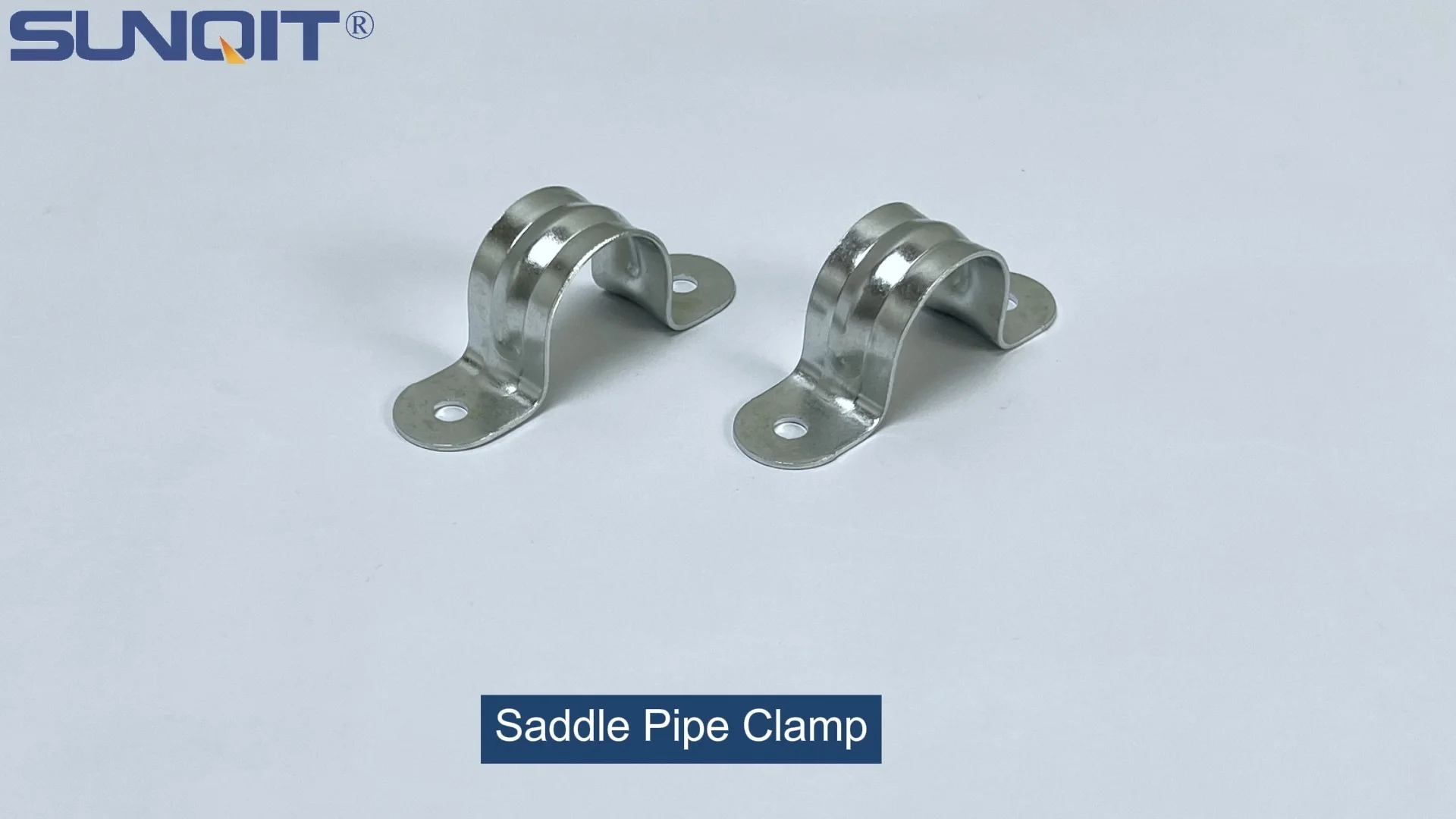
Saddle Pipe Clamp
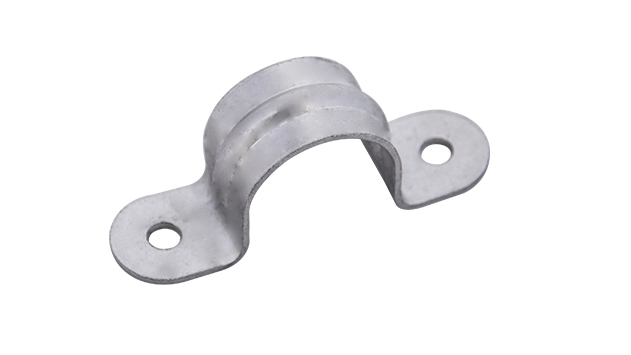
Saddle pipe clamp, used for board connect with pipe, usually for table top installation.
The Backbone of Efficient Production: Why Workbench Stability Matters
In the fast-paced world of production assemble, every detail counts. From the precision of a circuit board to the alignment of automotive parts, the difference between a smooth workflow and costly delays often lies in the tools we use daily. Among these tools, the workbench is the unsung hero—a silent partner that bears the weight of our tasks, holds our materials, and keeps our hands steady. But what happens when that partner wobbles? When a workbench shakes with every movement, when pipes shift under pressure, or when joints loosen after weeks of use? The answer is simple: efficiency drops, errors rise, and safety becomes a concern.
For anyone who's spent hours at a workbench, the frustration of instability is all too familiar. A slight tremor can throw off a measurement, a loose joint can cause a tool to slip, and a misaligned pipe can turn a 10-minute task into a 30-minute ordeal. In high-stakes environments like ESD workstations, where static-sensitive components demand absolute precision, or in lean system setups where every second of downtime eats into profits, a stable workbench isn't just a luxury—it's a necessity. That's where the right accessories come in. Today, we're diving into one such accessory that's changing the game for lean workbench stability: the saddle pipe clamp. Specifically, we'll explore how this unassuming component transforms the reliability of Workbench E (single deck-without caster), a staple in factories and workshops worldwide.
Meet Workbench E: A Workhorse in Lean Environments
Before we talk about solutions, let's get to know the problem solver: Workbench E (single deck-without caster). If you've walked through a modern assembly line or a lean system workshop, you've likely seen it. With its clean, single-deck design and no built-in casters, this workbench is built for stationary tasks that demand a fixed, sturdy surface. It's the kind of bench you'll find in electronics manufacturing plants, where workers assemble motherboards, or in automotive workshops, where mechanics prep parts for installation. Its simplicity is part of its appeal—no unnecessary moving parts, just a flat, durable surface supported by a frame of lean pipes and aluminum profiles.
But here's the thing about Workbench E: its strength lies in its customization. Like most lean pipe workbenches, it's built using modular components—lean pipes, joints, and accessories that can be rearranged to fit specific needs. This modularity is a cornerstone of lean system principles, allowing businesses to adapt quickly to changing production demands. However, modularity can also be a double-edged sword. When pipes and joints are connected, even the tightest lean pipe joint can loosen over time, especially under repeated stress. Add to that the weight of tools, materials, and daily use, and you've got a recipe for gradual instability. That's where saddle pipe clamps step in to reinforce the structure.
The Hidden Weakness: Why Standard Setups Struggle with Stability
To understand why saddle pipe clamps are so crucial, let's first unpack why standard lean workbench setups sometimes fall short. A typical Workbench E frame is constructed using lean pipes (often aluminum or steel) connected by lean pipe joints. These joints are designed to be easy to assemble and disassemble, aligning with lean system goals of flexibility. But "easy to adjust" can sometimes mean "easy to loosen." Over time, vibrations from tools, the weight of heavy items, and even temperature changes can cause joints to shift. When that happens, pipes start to rotate or slide within the joints, creating gaps that lead to wobbling.
Another common issue is uneven weight distribution. Workbench E, with its single deck, often holds tools, materials, and ongoing projects all at once. If the load isn't perfectly balanced, stresss on certain joints,ing wear and tear. In some cases, workers might even overtighten joints to compensate for looseness, stripping threads or damaging the pipe surface—creating new problems instead of solving old ones. The result? A workbench that feels "off" long before it's visibly damaged, costing time and productivity with every use.

Saddle Pipe Clamps: The Quiet Solution to a Noisy Problem
Enter the saddle pipe clamp—a small, unassuming accessory that packs a big punch when it comes to stability. At first glance, it might look like just another clamp, but its design is purpose-built for the unique challenges of lean pipe systems. Unlike standard clamps that grip pipes from a single point, saddle pipe clamps wrap around the pipe like a saddle (hence the name), distributing pressure evenly across a larger surface area. This "wrap-around" design does two critical things: it prevents the pipe from rotating within the joint, and it reduces stress on the pipe itself, minimizing bending or warping over time.
Most saddle pipe clamps are made from durable materials like aluminum or stainless steel, chosen for their strength and resistance to corrosion. They're designed to fit snugly with common lean pipe sizes, from 28mm aluminum lean pipes to 30mm steel pipes, and they attach to the frame using simple bolts or screws—no fancy tools required. What really sets them apart, though, is their versatility. Whether you're reinforcing a vertical support, securing a crossbar, or stabilizing a diagonal brace, saddle pipe clamps adapt to the job, making them a go-to accessory for lean pipe supplier catalogs and workshop managers alike.

How Saddle Pipe Clamps Team Up with Lean Pipe Joints
To truly appreciate the value of saddle pipe clamps, we need to talk about their partnership with lean pipe joints. Lean pipe joints are the "connectors" of the lean system world—they link pipes together to form the frame of workbenches, flow racks, and material carts. From 90° fixed joints to 180° swivel joints, each type serves a specific purpose, but all share one goal: to hold pipes securely. The problem? Even the best joints can't always withstand the constant stress of a busy workbench. That's where saddle clamps step in as reinforcements.
Imagine a standard T-joint connecting a vertical pipe to a horizontal crossbar on Workbench E. Over time, the weight of the workbench deck and the items on it pulls downward on the horizontal pipe, causing it to rotate slightly within the joint. At first, the movement is barely noticeable, but over weeks, that rotation creates a gap, making the entire frame feel unstable. Now, add a saddle pipe clamp just above the joint: the clamp wraps around the vertical pipe and the horizontal pipe, locking them in place. It's like adding a second pair of hands to hold the joint tight, preventing rotation and distributing the weight more evenly. The result? A joint that stays secure for months, not weeks, reducing the need for constant readjustments.
This synergy between saddle clamps and lean pipe joints is especially valuable in high-vibration environments, like near conveyor systems or heavy machinery. Vibrations are the enemy of loose joints, but saddle clamps act as a buffer, absorbing some of that energy and keeping pipes firmly in place. For workers, this means less time spent tightening joints and more time focused on the task at hand—a key principle of lean management that prioritizes value-adding activities over maintenance.
Why Aluminum Profiles Love Saddle Pipe Clamps (And Vice Versa)
While Workbench E can be built with various materials, aluminum profiles have become a favorite in modern lean systems—and for good reason. Aluminum is lightweight, resistant to rust, and easy to customize, making it ideal for workbenches that need to be both sturdy and flexible. But aluminum's lightness can also be a drawback: it's not as rigid as steel, which means it can flex under heavy loads if not properly supported. That's where saddle pipe clamps shine, acting as a bridge between aluminum profiles and the pipes they support.
Aluminum profiles typically feature T-slots—long, narrow grooves that allow accessories to be attached without drilling or welding. Saddle pipe clamps are designed to slide into these T-slots, creating a secure connection between the profile and the pipe. Unlike traditional bolts that might strip the aluminum or damage the T-slot, saddle clamps distribute pressure evenly, protecting the profile while maintaining a tight grip. This compatibility is a game-changer for workshops that use aluminum profile accessories, as it allows for quick, tool-free adjustments without sacrificing stability.
For example, if a Workbench E is being used as an ESD workstation, where static control mats and grounding wires are essential, aluminum profiles provide a non-conductive base that's safe for sensitive electronics. Adding saddle pipe clamps to secure the pipes ensures that the grounding path remains consistent—no shifting pipes, no broken wires, and no static-related damage to components. It's a small detail that makes a big difference in environments where precision and safety go hand in hand.
Saddle Pipe Clamps vs. Other Stability Solutions: A Head-to-Head Comparison
You might be wondering: Are saddle pipe clamps the only option for stabilizing Workbench E? The short answer is no—but they're often the most effective. Let's break down how they stack up against common alternatives, from standard pipe clamps to bolt-on brackets, so you can see why they're a top choice for lean pipe suppliers and workshop managers.
| Feature | Saddle Pipe Clamp | Standard Pipe Clamp | Bolt-On Bracket |
|---|---|---|---|
| Pressure Distribution | Wraps around the pipe, distributing pressure evenly to prevent rotation | Grips from one side, may cause uneven pressure and pipe indentation | Fixed point pressure, risk of stress on bracket edges |
| Installation Time | 5-10 minutes (no drilling required for most setups) | 10-15 minutes (may require precise alignment) | 15-20 minutes (often requires drilling into profiles/pipes) |
| Adjustability | Easy to reposition; can be moved along the pipe as needed | Hard to reposition once tightened; may damage pipe if moved | Permanent once installed; difficult to adjust without tools |
| Compatibility with Aluminum Profiles | Designed to fit T-slots; no drilling or welding needed | May require adapters for T-slots; risk of slipping | Requires pre-drilled holes in profiles; limited flexibility |
| Long-Term Durability | Even pressure reduces pipe wear; resists loosening from vibration | Single-point grip may loosen over time; can mark or dent pipes | Sturdy but rigid; may crack under repeated stress or temperature changes |
As the table shows, saddle pipe clamps excel in the areas that matter most for Workbench E: ease of installation, adjustability, and long-term durability. They're designed to work with the modular nature of lean systems, allowing for quick tweaks without disrupting workflows. And when paired with aluminum profiles, they create a stable foundation that stands up to the demands of daily use.
Step-by-Step: Installing Saddle Pipe Clamps on Workbench E
Now that we've covered why saddle pipe clamps are essential, let's walk through how to install them on Workbench E (single deck-without caster). Don't worry—you don't need to be a mechanic or a DIY expert. With a few basic tools and 15 minutes of your time, you can transform your workbench from wobbly to rock-solid.
What You'll Need
- Saddle pipe clamps (1-2 per joint, depending on pipe size)
- Allen wrench or socket set (size depends on clamp bolts)
- Measuring tape (to position clamps evenly)
- Level (to ensure pipes are straight before tightening)
- Optional: Thread locker (for high-vibration environments)
Step 1: Identify Problem Areas
Start by inspecting your Workbench E. Gently shake the frame—where does it wobble most? Common trouble spots are joints connecting vertical pipes to horizontal crossbars, or diagonal braces that support the deck. Mark these areas with a pencil; these are where you'll install the clamps.
Step 2: Position the Clamp
Slide the saddle pipe clamp over the pipe, positioning it 1-2 inches from the lean pipe joint. For T-joints, place the clamp so it wraps around both the vertical and horizontal pipes. For straight joints, align the clamp parallel to the joint to prevent rotation.
Step 3: Tighten the Bolts
Using your Allen wrench or socket set, tighten the clamp bolts gradually. Avoid overtightening—you want the clamp to grip firmly, but not so hard that it deforms the pipe. A good rule of thumb: tighten until the clamp doesn't slide when you tug on the pipe, then give the bolt a quarter-turn more for security.
Step 4: Check for Stability
Once the clamp is installed, shake the frame again. The wobble should be gone. If not, double-check the position of the clamp—sometimes a small adjustment (moving it closer to the joint) makes all the difference. Repeat the process for all marked trouble spots.
Pro Tip
For ESD workstations or environments with heavy vibration (like near conveyor systems), apply a small amount of thread locker to the clamp bolts before tightening. This prevents loosening over time, keeping your workbench stable for longer.
Real-World Results: How Saddle Pipe Clamps Improve Workflow
At this point, you might be thinking, "This all sounds great, but does it actually make a difference in real life?" To answer that, let's look at a case study from a mid-sized electronics manufacturer in Ohio. The company had 12 Workbench E setups in their assembly line, each used for soldering and testing circuit boards. Workers complained about "shaky surfaces" causing soldering iron slips, and the maintenance team was spending 2 hours per week tightening loose joints—time that could have been spent on other tasks.
After installing saddle pipe clamps on all 12 workbenches, the results were clear: joint adjustments dropped by 80%, soldering errors decreased by 15%, and workers reported feeling "more confident" in their tasks. Over six months, the company estimated saving 48 hours of maintenance time and reducing scrap costs by $3,000—all from a $200 investment in clamps. For a lean system focused on waste reduction, that's a return that speaks for itself.
Another example comes from a automotive parts supplier in Texas, where Workbench E is used to assemble brake components. Here, the issue was not just wobbling, but pipe misalignment caused by heavy toolboxes. After adding saddle clamps to secure the toolbox mounts, the pipes stayed aligned, reducing the need to readjust tools and cutting setup time for each shift by 10 minutes. Multiply that by three shifts a day, five days a week, and it adds up to over 250 hours of saved time per year.
Choosing the Right Saddle Pipe Clamps: What to Look For
Not all saddle pipe clamps are created equal. To get the most out of your investment, here are key factors to consider when shopping:
Material
Opt for aluminum or stainless steel clamps for durability. Aluminum is lightweight and corrosion-resistant, making it ideal for indoor use. Stainless steel is better for humid or outdoor environments, where rust is a concern.
Pipe Size Compatibility
Clamps come in sizes to fit common lean pipe diameters (e.g., 28mm, 30mm). Check your Workbench E's pipe size before buying—most lean pipe suppliers list this information in their product specs.
Bolt Quality
Look for clamps with high-strength bolts (grade 8 or higher) to prevent stripping. Nylon-lock nuts are also a plus—they resist loosening from vibration better than standard nuts.
Brand Reputation
Stick with reputable lean pipe suppliers or aluminum profile accessories brands. Cheap, generic clamps may save money upfront, but they're more likely to bend or crack under stress, costing you more in the long run.
Final Thoughts: Small Accessory, Big Impact
In the world of lean system optimization, it's often the smallest changes that yield the biggest results. Saddle pipe clamps may not be as flashy as a new conveyor or as high-tech as an automated assembly arm, but their impact on Workbench E stability is undeniable. By preventing wobbles, reducing maintenance, and boosting worker confidence, they turn a basic workbench into a tool that drives efficiency—not drains it.
Whether you're running an ESD workstation, managing a production assemble line, or simply want a more reliable workspace, investing in saddle pipe clamps is a decision that pays off. Pair them with quality lean pipe joints, durable aluminum profiles, and a little know-how, and you'll have a workbench that stands the test of time—quietly supporting your team, your projects, and your bottom line.
So, the next time you're at your Workbench E, take a moment to check those joints. If you feel a wobble, remember: the solution might be as simple as a saddle pipe clamp. After all, in lean management, the goal isn't to reinvent the wheel—it's to make sure the wheel doesn't wobble.