- Company Articles
- Products and Technology
- Product knowledge
- Lean Workbench E Integration: Using Four Way Straight Lean Pipe Joint Chrome

Lean Workbench E Integration: Using Four Way Straight Lean Pipe Joint Chrome
Related Product
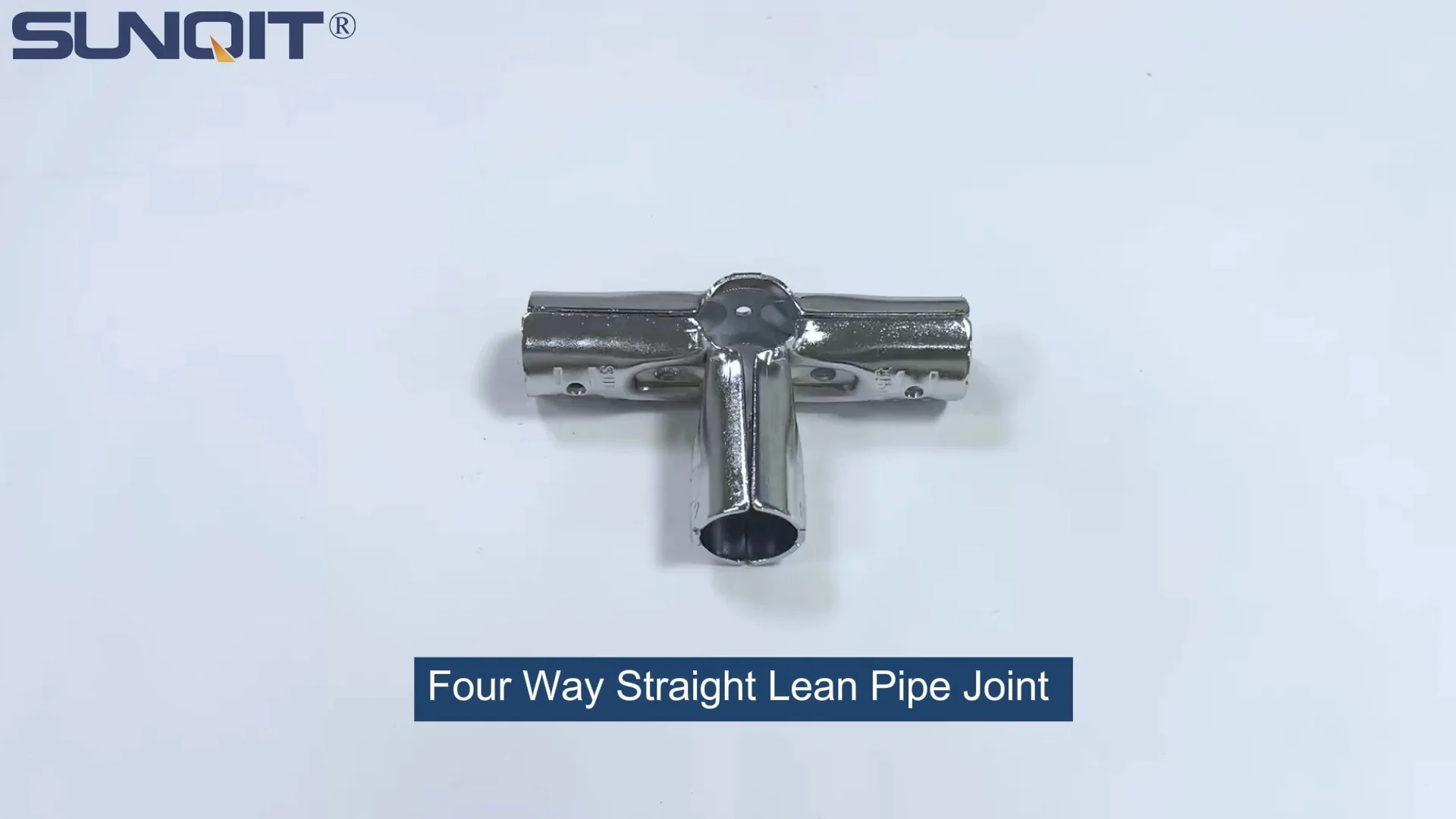
Four Way Straight Lean Pipe Joint Chrome
Four way lean pipe joint for 4 pcs 28MM lean pipe connection in straight angle, which used widely in workbench, flow rack, hand trolley frame connection.
Walk into any busy manufacturing facility, and you'll notice one thing immediately: the workbench is the unsung hero of the operation. It's where ideas turn into products, where teams collaborate, and where the rhythm of production hums along—when everything works. But what happens when that workbench feels more like a roadblock than a partner? When tools are scattered, workflows stall, and reconfiguring for a new project means hours of disassembly and frustration? For many small to mid-sized teams, this is the daily reality. The good news? There's a solution that doesn't involve overhauling your entire setup or breaking the bank. It starts with a lean pipe workbench designed for adaptability, and a tiny but mighty component that makes all the difference: the Four Way Straight Lean Pipe Joint Chrome.
In this article, we're diving deep into how to integrate the workbench E (single deck-without caster) —a popular, no-frills model built for fixed workstations—with the Four Way Straight Lean Pipe Joint Chrome. We'll explore why this combination is a game-changer for lean systems, break down the integration process step by step, and share real-world examples of teams that transformed their efficiency by getting this pairing right. Whether you're setting up a new assembly line, revamping a lab workspace, or simply tired of wrestling with rigid, one-size-fits-all furniture, this guide is for you.
What Makes Workbench E (Single Deck-Without Caster) the Right Starting Point?
Before we jump into joints and integration, let's talk about the star of the show: the workbench itself. The workbench E (single deck-without caster) is a staple in lean manufacturing circles, and for good reason. Unlike heavy, immovable workbenches of the past, this model is built on the principles of flexibility and simplicity. As the name suggests, it features a single, sturdy deck (no extra shelves or drawers to complicate things) and no casters—making it ideal for fixed workstations where stability is key, like assembly stations, quality control areas, or packing zones.
What really sets it apart, though, is its foundation in lean pipe technology. Lean pipes—often made of steel with a plastic or chrome coating—are lightweight, strong, and designed to be easily connected with joints. This means the workbench isn't just a static table; it's a modular system that can grow, shrink, or change shape as your needs do. But here's the catch: the magic of lean pipes lies in the joints that hold them together. Choose the wrong joint, and even the most well-designed workbench becomes a hassle to adjust. That's where the Four Way Straight Lean Pipe Joint Chrome comes in.
The Unsung Hero: Four Way Straight Lean Pipe Joint Chrome Explained
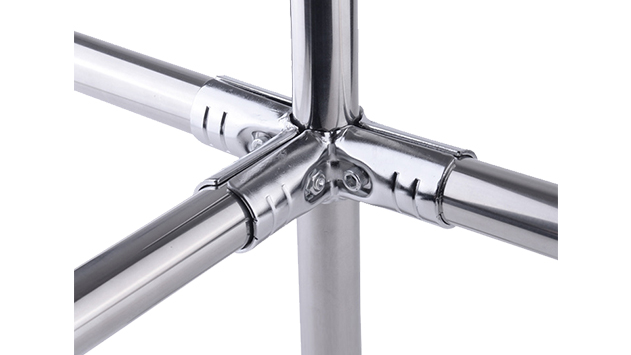
If lean pipes are the bones of your workbench, then lean pipe joints are the joints that let those bones move. Most joints on the market handle two or three connections—useful for basic frames, but limiting when you want to add shelves, tool hooks, or side extensions. The Four Way Straight Lean Pipe Joint Chrome, however, is a multitasker. As the name implies, it allows four pipes to connect in a straight line (think: up, down, left, right) from a single point. That might not sound revolutionary, but in practice, it opens up a world of possibilities for customizing your Workbench E.
Let's break down why this joint matters. First, it's built to last. The chrome plating isn't just for looks; it resists rust, scratches, and the daily wear and tear of a busy shop floor. Unlike plastic joints that crack under heavy loads or uncoated steel that corrodes over time, this one holds up—even in environments with moisture or dust. Second, it's a time-saver. Traditional joints often require tools, clamps, or even welding to secure. The Four Way Straight Joint? It tightens with a simple hex key, so reconfiguring your Workbench E takes minutes, not hours. And third, it's versatile. Need to add a vertical shelf above the deck? Connect a pipe upward. Want to mount a tool rail on the side? Attach a pipe horizontally. No extra adapters, no workaround—just straightforward, flexible design.
Step-by-Step: Integrating Workbench E with Four Way Straight Joints
Integrating the Workbench E with these joints isn't rocket science, but it does require a bit of planning. Let's walk through the process, from assessing your needs to putting the final touches on your custom setup.
1. Map Your Workflow (Before You Pick Up a Pipe)
Before you start assembling, take a step back and ask: What will this workbench actually do ? Will it hold heavy machinery, or just hand tools? Do you need space for bins, a monitor, or a keyboard tray? Sketching a rough layout (even on a napkin) helps you decide where to place the Four Way joints. For example, if you're using Workbench E for electronics assembly, you might want a shelf above for component bins and a side rail for screwdrivers and pliers—both of which will need joints to support them.
2. Gather Your Materials (Keep It Simple)
You won't need a warehouse of supplies here. The basics include: the Workbench E frame (which typically comes with pre-cut lean pipes for the main deck and legs), Four Way Straight Lean Pipe Joints Chrome (we recommend 4–6 to start, depending on add-ons), additional lean pipes (cut to your desired lengths—most suppliers will cut them for you), a hex key set, and a rubber mallet (for gently tapping pipes into joints without damaging them). Pro tip: If you're adding accessories like a tool board or bin holder, check that they're compatible with standard lean pipe sizes (usually 28mm or 30mm diameter)—most are, but it never hurts to double-check.
3. Build the Base Frame (Start Strong)
The Workbench E comes with a basic frame: four legs, a rectangular top frame, and cross-braces for stability. But to make it truly custom, swap out some of the standard two-way joints with Four Way joints at key points. For example, replace the top corner joints with Four Way joints. Now, instead of just holding the top frame together, those corners can also support vertical pipes for shelves or horizontal pipes for side extensions. Tighten each joint snugly with the hex key—you want it firm, but not so tight that you strip the threads. A quick shake of the frame will tell you if anything's loose.
4. Add Your Custom Extras (Make It Yours)
This is where the Four Way joints shine. Let's say you want a shelf 18 inches above the deck. Cut two vertical pipes to that length, then attach them to the top Four Way joints (one on the left, one on the right). Connect a horizontal pipe between them, and suddenly you've got a shelf frame—no extra brackets needed. Want to add tool hooks? Attach a short horizontal pipe to the side of a Four Way joint, then screw on hook attachments. The possibilities are endless, and the best part is that if your needs change next month, you can simply loosen the joints, rearrange the pipes, and tighten them back up. No waste, no hassle.

Why This Combination Works: The Benefits in Action
At this point, you might be thinking, "Sure, it sounds good, but does it actually make a difference?" Let's hear from a real-world example. Take "Precision Parts Co.," a small electronics manufacturer we worked with last year. Their team of five was struggling with a basic plywood workbench that couldn't handle the weight of their testing equipment, and adding a shelf meant drilling holes and hoping for the best. They switched to the Workbench E with Four Way Straight Joints, and within a week, they noticed three big changes:
- Faster project turnaround: When a new client needed a custom circuit board, they reconfigured the workbench to include a dedicated testing shelf in 20 minutes—down from 2 hours with their old setup.
- Less clutter, more focus: Tools and components stayed organized on the side rails and overhead shelf, cutting down on time wasted searching for misplaced items.
- Happier team members: No one likes wrestling with clunky furniture. The team reported less frustration and more energy to focus on the work itself.
Beyond anecdotes, the numbers back it up. Lean systems that prioritize adaptability reduce setup time by up to 30%, according to industry studies, and modular workbenches are a key part of that. The Four Way Straight Joint amplifies that benefit by making customization so simple that even team members with no technical experience can rearrange the setup.
How Does It Compare? A Look at Joint Options
Not all lean pipe joints are created equal. To help you see why the Four Way Straight Lean Pipe Joint Chrome stands out, let's compare it to common alternatives. The table below breaks down key factors like connection points, load capacity, and best uses:
| Joint Type | Connection Points | Max Load Capacity (Per Joint) | Best For | Installation Difficulty |
|---|---|---|---|---|
| Two-Way Straight Joint | 2 (straight line) | 150 lbs | Basic frames, legs, cross-braces | Easy (hex key) |
| Three-Way T-Joint | 3 (T-shape: 2 straight, 1 perpendicular) | 120 lbs | Adding a single shelf or side arm | Moderate (requires alignment) |
| Four Way Straight Lean Pipe Joint Chrome | 4 (up, down, left, right) | 200 lbs | Multi-level shelves, tool rails, side extensions | Easy (hex key, no alignment needed) |
| Cross Joint (Five-Way) | 5 (plus center pipe) | 180 lbs | Complex setups with multiple directions | Hard (requires precise measuring) |
As you can see, the Four Way joint strikes a sweet spot: it offers more connection points than basic joints without the complexity of a cross joint. For most Workbench E users, this means more flexibility without overcomplicating the setup.
Maintenance Tips: Keeping Your Setup in Top Shape
Like any tool, your Workbench E and Four Way joints will perform best with a little care. Here's how to keep them working smoothly for years:
- Clean regularly: Wipe down the joints with a damp cloth to remove dust and debris. The chrome finish resists stains, but built-up grime can make tightening or loosening the joints harder over time.
- Check for tightness monthly: Vibrations from machinery or heavy use can loosen joints. A quick once-over with the hex key ensures nothing wobbles.
- replace worn parts promptly: If a joint starts to slip or the chrome chips (rare, but possible with extreme force), swap it out. Most suppliers sell replacement joints individually, so you don't need to buy a whole new set.
- Protect from extreme conditions: While the chrome resists rust, avoid leaving the workbench outdoors or in standing water. If you work in a humid environment, consider a light coating of anti-rust spray on the joints twice a year.
Final Thoughts: Lean Isn't Just a Buzzword—It's About People
At the end of the day, lean manufacturing isn't just about cutting costs or speeding up production. It's about creating systems that work with your team, not against them. The Workbench E (Single Deck-Without Caster) and Four Way Straight Lean Pipe Joint Chrome embody that perfectly. They're not flashy, but they're reliable. They don't require a huge investment, but they deliver huge returns in efficiency and morale.
So, if you're tired of workbenches that fight you every step of the way, consider this: the solution might be simpler than you think. A modular frame, a joint that can do more, and a little creativity are all it takes to transform your workspace from a source of frustration into a tool that helps your team thrive. After all, in manufacturing, as in life, the best systems are the ones that adapt—so you can focus on what really matters: building great products.