- Company Articles
- Products and Technology
- Product knowledge
- Lightweight Advantage: 1.5mm Stainless Steel Pipe for Mobile Workstations

Lightweight Advantage: 1.5mm Stainless Steel Pipe for Mobile Workstations
Related Product
1.5mm Stainless Steel Pipe
Stainless steel pipe, lean pipe, diameter is 28mm, material is SS201 or SS304, SS201 is normally used in the market. It knows a KARAKURI, KAIZEN material for industrial plant to improve efficiency, save labor cost, standard management.
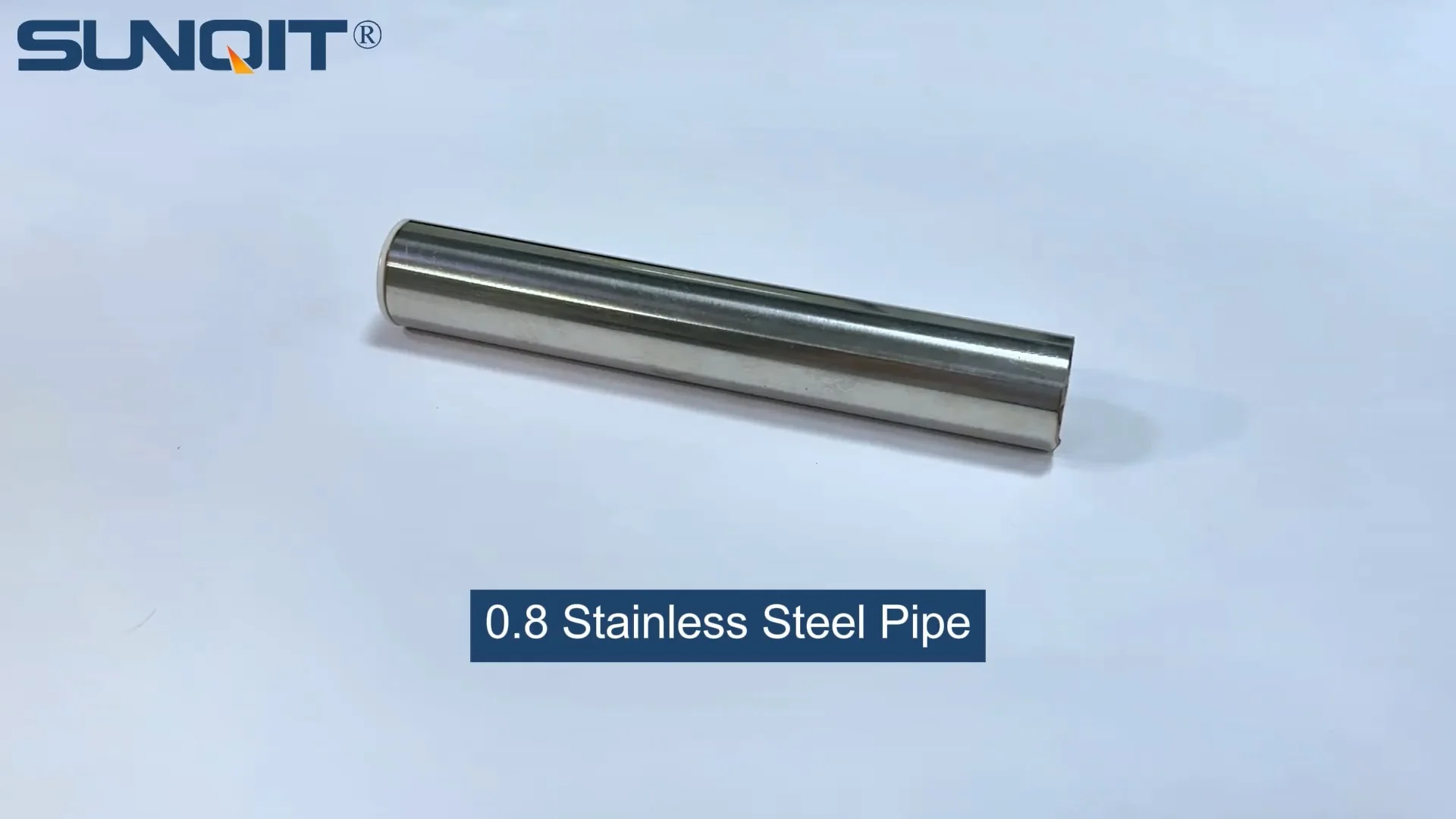
In the fast-paced world of manufacturing and warehouse operations, every second counts. From assembly lines to material handling, the ability to move tools, parts, and workstations efficiently can make or break productivity. This is where mobile workstations shine—they bring the workspace to the task, reducing unnecessary movement and streamlining workflows. But here's the catch: not all mobile workstations are created equal. The materials that build them directly impact their mobility, durability, and long-term value. Enter the unsung hero of lean manufacturing: the 1.5mm stainless steel pipe . Part of the broader stainless steel pipe series , this lightweight yet robust material is redefining what mobile workstations can achieve. Let's dive into why it's becoming the go-to choice for businesses aiming to balance flexibility, strength, and efficiency.
The Hidden Challenge in Mobile Workstations: Balancing Weight and Durability
Imagine a typical day on the factory floor. A worker pushes a loaded workstation across the shop, navigating tight corners and uneven concrete. If the workstation is too heavy, even with caster wheels , the effort slows them down. If it's too flimsy, tools slide off, or the frame bends under the weight of machinery. For years, manufacturers faced a trade-off: choose thicker steel for durability and accept the bulk, or opt for lighter materials like aluminum and compromise on strength. This is especially true for mobile setups like turnover trolley and rack systems, where the need to carry heavy loads while remaining maneuverable is non-negotiable.
Traditional steel pipes, often 2.0mm or thicker, offered the strength needed but came with a cost: weight. A single meter of 2.0mm steel pipe can weigh over 2.5kg, and when multiplied across a workstation frame or trolley, the total weight adds up quickly. This not only strains workers but also wears down caster wheels faster, leading to frequent replacements. On the flip side, thinner pipes (1.0mm or 1.2mm) were lighter but prone to bending under stress—hardly ideal for environments where tools, parts, and even small machinery rest on the workstation daily.
Then there's corrosion. Many workplaces deal with moisture, oils, or chemicals, which can rust standard steel pipes over time. This means regular maintenance, repainting, or even replacing entire frames—costs that eat into budgets and disrupt operations. What if there was a material that skipped the trade-offs? That's where 1.5mm stainless steel pipe steps in.
1.5mm Stainless Steel Pipe: The Sweet Spot of Strength and Lightness
Stainless steel has long been prized for its corrosion resistance and strength, but until recently, its thickness made it a heavy choice for mobile applications. The 1.5mm variant changes that. Let's break down why this specific thickness is a game-changer:
Strength-to-Weight Ratio: At 1.5mm, the pipe strikes a perfect balance. It's thick enough to handle the demands of daily use—think supporting a workbench loaded with power tools, or a turnover trolley and rack stacked with components—yet thin enough to keep the overall weight manageable. A meter of 1.5mm stainless steel pipe weighs approximately 1.8kg, which is 28% lighter than a 2.0mm steel pipe of the same diameter. Over a full workstation frame, this translates to a weight reduction of 15-20%, making it significantly easier to move with standard caster wheels .
Corrosion Resistance: Unlike carbon steel, stainless steel contains chromium, which forms a protective oxide layer on the surface. This layer resists rust and corrosion, even in damp or oily environments. For warehouses near coastal areas or facilities handling liquid-based products, this means the pipe won't degrade over time. No more rust stains on parts, no more unexpected frame failures, and minimal maintenance beyond occasional cleaning.
Flexibility in Design: The 1.5mm thickness is malleable enough to work with standard lean pipe joint systems, which are the building blocks of customizable workstations. Whether you're assembling a simple workbench or a multi-tiered turnover trolley and rack , these joints snap into place, allowing for quick adjustments. Need to reconfigure the workstation next month? Disassemble and rebuild—no welding or specialized tools required.
Cost-Effective Longevity: While stainless steel may have a higher upfront cost than standard steel, its durability pays off. A 1.5mm stainless steel frame can last 10+ years with minimal upkeep, whereas a painted steel frame might need replacement in 3-5 years due to rust. When you factor in maintenance, repairs, and downtime, the stainless steel option often comes out cheaper in the long run.

How It Transforms Key Mobile Workstation Components
Let's get practical: how does 1.5mm stainless steel pipe improve specific tools and systems on the factory floor? Let's look at three critical applications:
1. Mobile Workbenches: Stability Without the Strain
A mobile workbench is the heart of many operations—whether it's for assembly, quality control, or repair work. The ideal workbench needs to stay steady when in use but glide smoothly when moved. With 1.5mm stainless steel pipe, the frame is rigid enough to prevent wobbling during tasks (no more spilled coffee or sliding tools) but light enough that even a single worker can push it across the floor using well-designed caster wheels .
Consider a typical setup: a 120cm x 80cm workbench with a wooden or metal top. Using 2.0mm steel pipes, the frame alone might weigh 35kg. Swap in 1.5mm stainless steel, and the frame drops to around 28kg—a 7kg difference. Add the worktop (say 15kg) and tools (another 10kg), and the total weight goes from 60kg to 53kg. That might not sound like much, but over a full shift of moving the bench multiple times, the reduced effort adds up to less fatigue and faster task completion.
Plus, the corrosion resistance means the workbench stays looking clean and professional, even in environments where spills are common. No more unsightly rust spots or flaking paint—just a durable surface that holds up to daily wear and tear.
2. Turnover Trolley and Rack: Hauling Heavy Loads with Ease
Turnover trolley and rack systems are the workhorses of material handling, shuttling parts from storage to assembly lines or finished products to shipping. These trolleys often carry hundreds of kilograms of goods, so strength is non-negotiable. But if the trolley itself is too heavy, even with caster wheels , moving it becomes a two-person job, wasting labor and time.
1.5mm stainless steel pipe solves this by keeping the trolley's frame lightweight while maintaining structural integrity. For example, a three-tier turnover rack with 1.5mm pipes can easily carry 300kg of parts while weighing just 40kg itself. Compare that to a 2.0mm steel frame, which might weigh 50kg for the same load capacity—adding 10kg of unnecessary weight that slows down movement.
The smooth surface of stainless steel also reduces friction when loading and unloading parts, and the corrosion resistance ensures the trolley remains functional even in damp warehouses or outdoor loading docks. No more jamming wheels due to rusted frames, and no need to replace bent pipes after years of heavy use.
3. Flow Racks: Streamlining Material Flow
Flow racks are designed to keep materials moving—literally. They use gravity or rollers to feed parts to workers, reducing the need to bend, reach, or walk to retrieve items. While flow racks are often stationary, mobile versions are becoming popular for agile manufacturing setups. Here, 1.5mm stainless steel pipe shines as a lightweight yet sturdy frame material.
The pipe's strength supports the weight of stacked bins or boxes, while its lightness makes it easy to reposition the entire rack when production lines change. Even better, when paired with roller tracks (another common component in lean systems), the stainless steel frame ensures the rollers stay aligned, preventing jams and keeping materials flowing smoothly.

How Does It Compare to Other Materials? Let's Take a Look
To truly appreciate 1.5mm stainless steel pipe, it helps to see how it stacks up against other common materials used in mobile workstations. Below is a comparison of key factors like weight, strength, and corrosion resistance:
| Material | Thickness (mm) | Weight per Meter (kg)* | Max Load Capacity (kg/m)** | Corrosion Resistance | Best For |
|---|---|---|---|---|---|
| 1.5mm Stainless Steel Pipe | 1.5 | 1.8 | 250-300 | Excellent (resists rust, oils, moisture) | Mobile workstations, turnover trolleys, damp environments |
| 2.0mm Carbon Steel Pipe | 2.0 | 2.5 | 350-400 | Poor (prone to rust without coating) | Heavy-duty stationary racks, low-moisture areas |
| 1.5mm Aluminum Lean Pipe | 1.5 | 1.2 | 150-200 | Good (resists corrosion, but softer) | Lightweight, low-load applications (e.g., small parts trolleys) |
| 1.5mm PE-Coated Lean Pipe | 1.5 | 1.9 | 200-250 | Good (coating protects steel core) | Indoor use, dry environments, temporary setups |
*Based on standard 25mm diameter pipe. **Approximate load capacity under even distribution.
As the table shows, 1.5mm stainless steel pipe offers a unique blend of moderate weight, high load capacity, and excellent corrosion resistance. Aluminum is lighter but can't handle heavy loads; carbon steel is stronger but heavier and rust-prone; PE-coated pipes are similar in weight but lack stainless steel's long-term durability. For mobile workstations that need to balance all three—strength, weight, and longevity—stainless steel is the clear winner.
The Role of Accessories: Caster Wheels and Lean Pipe Joints
A great material is only as good as the accessories that complement it. For 1.5mm stainless steel pipe, two components stand out as essential: caster wheels and lean pipe joint systems. Together, they turn the pipe into a fully functional, customizable workstation solution.
Caster Wheels: Maneuverability Meets Control Even the lightest frame won't move well with poor-quality casters. For mobile workstations built with 1.5mm stainless steel pipe, heavy-duty swivel casters with brakes are ideal. Look for casters with polyurethane wheels, which roll smoothly on concrete or tile floors and won't mark surfaces. The brake feature is crucial for workbenches—flip the brake, and the workstation stays locked in place during use, preventing accidental movement.
Since the frame is lighter, you don't need oversized casters to handle weight, which reduces overall height and improves stability. For example, 5-inch casters work well with most stainless steel pipe workstations, providing a good balance of mobility and stability.
Lean Pipe Joints: Flexibility to Adapt Lean pipe joint systems are the "building blocks" of customizable workstations. These joints—typically made of metal or plastic—connect pipes at various angles (90°, 45°, T-joints, etc.), allowing users to build frames, shelves, and trolleys without welding. For 1.5mm stainless steel pipe, metal joints are preferred for added strength, though high-quality plastic joints work well for lighter setups.
The beauty of these joints is their reusability. If your workstation needs to grow (e.g., adding a shelf to a trolley) or shrink (e.g., making a workbench narrower for tight spaces), simply loosen the joints, adjust the pipes, and retighten. This adaptability aligns perfectly with lean manufacturing principles, where flexibility and waste reduction are key.
Real-World Impact: From Fatigue to Efficiency
To put this into perspective, let's consider a hypothetical (but realistic) scenario: a mid-sized electronics manufacturer with 50 workers, each using a mobile workbench and a turnover trolley daily. The company previously used 2.0mm carbon steel frames, which were durable but heavy. After switching to 1.5mm stainless steel pipe workstations and trolleys, here's what they noticed:
- Reduced Worker Fatigue: Workers reported less strain when moving workstations, especially during long shifts. This led to a 12% decrease in reported muscle soreness and fewer breaks.
- Faster Task Completion: Moving workbenches and trolleys took 15-20% less time, freeing up workers to focus on core tasks. Over a week, this translated to an extra 2-3 hours of productive work per employee.
- Lower Maintenance Costs: The stainless steel frames required no repainting or rust treatment, cutting annual maintenance costs by 40%.
- Fewer Replacements: Over two years, only 2% of the stainless steel frames needed repairs (mostly due to accidental impacts), compared to 15% of the old carbon steel frames, which often rusted or bent.
These improvements aren't just about numbers—they're about creating a better work environment. When tools and workstations move easily, workers feel more in control, which boosts morale and engagement. And in manufacturing, engaged workers are often more productive and attentive to quality.
Why 1.5mm Stainless Steel Pipe Fits Lean Systems
Lean manufacturing is all about eliminating waste—whether it's time, materials, or effort. 1.5mm stainless steel pipe aligns perfectly with this philosophy in several ways:
Waste Reduction: The durability of stainless steel means fewer replacements, reducing material waste. The lightweight design cuts down on energy (human effort) needed to move workstations, reducing time waste.
Continuous Improvement: With lean pipe joint systems, workstations can evolve with your needs. No need to buy new equipment when processes change—simply reconfigure the existing frame.
Flow Optimization: Mobile workstations built with stainless steel pipe keep materials and tools moving to where they're needed, minimizing bottlenecks and delays.
In short, it's not just a material—it's a tool for building a more efficient, adaptable, and worker-friendly operation.
Final Thoughts: Lightweight, Strong, and Ready to Work
The 1.5mm stainless steel pipe is more than just a component—it's a solution to the age-old problem of balancing strength and mobility in industrial workspaces. Whether you're building a mobile workbench , a turnover trolley and rack , or a flow rack, this material delivers where it matters most: reducing worker strain, cutting maintenance costs, and adapting to changing needs.
In a world where efficiency and flexibility are non-negotiable, choosing the right materials can make all the difference. With 1.5mm stainless steel pipe, you're not just buying a pipe—you're investing in a system that grows with your business, keeps workers happy and productive, and stands the test of time.
So, the next time you're looking to upgrade your mobile workstations, ask yourself: Why compromise on weight or strength when you can have both? The answer might just be in a roll of 1.5mm stainless steel pipe.