- Company Articles
- Products and Technology
- Product knowledge
- Lightweight Advantage: 2020 Aluminum Profile End Caps for Portable Equipment

Lightweight Advantage: 2020 Aluminum Profile End Caps for Portable Equipment
Related Product
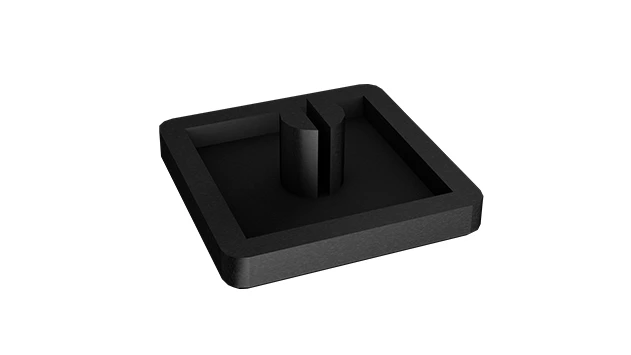
2020 Aluminum Profile End Cap
The aluminum profile end cap adds a finishing touch to your project and closes off profile ends to limit dust and debris buildup, also it can avaid some scratch for material and labor during the assemble work.
In the fast-paced world of modern workspaces—whether it's a bustling factory floor, a cozy home workshop, or a pop-up event setup—portability isn't just a convenience; it's a necessity. Imagine trying to rearrange a heavy steel workbench in a small garage, or hauling a clunky storage rack across a warehouse to meet shifting production needs. The struggle is real, and it often boils down to one critical factor: weight. Every component, no matter how small, plays a role in making equipment easier to move, assemble, and adapt. Today, we're shining a spotlight on an unsung hero of portable design: the 2020 aluminum profile end cap. These tiny, unassuming parts pack a punch when it comes to reducing weight, enhancing durability, and elevating the functionality of portable equipment. Let's dive into why they matter, how they work, and why they're becoming a go-to choice for creators and businesses alike.
Understanding Aluminum Profiles: The Backbone of Portable Design
Before we get to the end caps, let's talk about the star of the show: aluminum extrusion profiles. If you've ever assembled a modular workbench, a storage rack, or even a DIY furniture piece, you've probably encountered these versatile building blocks. Aluminum profiles are created through a process called extrusion, where heated aluminum alloy is pushed through a die to form long, uniform shapes with precise cross-sections—think T-slots, grooves, and channels that make them easy to connect with accessories like brackets, screws, and yes, end caps.
What makes aluminum extrusion profiles so popular? For starters, aluminum is inherently lightweight. Compared to steel, which has long been a staple in industrial equipment, aluminum weighs about one-third as much, making it ideal for applications where mobility is key. It's also corrosion-resistant, thanks to a natural oxide layer that forms on its surface, and it's highly customizable—extruded into hundreds of profiles to suit specific needs. From heavy-duty 4080 profiles used in factory machinery to delicate 2020 profiles for lightweight setups, there's a size for every job.
Enter the 2020 aluminum profile. Named for its dimensions (20mm by 20mm), this compact profile is a favorite for portable equipment. Unlike larger profiles like the 3030 (30x30mm) or 4040 (40x40mm), which excel at supporting heavy loads, the 2020 profile prioritizes agility. Its smaller size means less material, lower weight, and a slimmer footprint—perfect for building gear that needs to be moved frequently, disassembled for transport, or squeezed into tight spaces. But don't let its size fool you: when paired with the right accessories, 2020 profiles can still support impressive weight capacities, making them a balanced choice for light to medium-duty tasks.
Real-World Example: Take a small electronics repair shop in downtown Chicago. The owner, Raj, needs workbenches that can be reconfigured daily to accommodate different projects—sometimes a soldering station, other times a testing area. Steel workbenches would be too heavy to move, and plastic ones lack the sturdiness. Instead, Raj uses 2020 aluminum profiles to build modular workbenches. They're light enough for two people to rearrange in minutes, yet rigid enough to hold tools, circuit boards, and testing equipment. And the secret to their longevity? 2020 aluminum profile end caps that protect the profiles' ends and keep the setup looking sharp.
The Unsung Hero: What Are End Caps, and Why Do They Matter?
If aluminum profiles are the backbone of portable equipment, end caps are the finishing touch that makes them functional, safe, and durable. At first glance, end caps might seem like an afterthought—just small pieces that plug the open ends of profiles. But their role is far more critical than you might think.
Let's start with safety. Raw aluminum profile ends are often sharp, with rough edges left over from cutting or extrusion. Without end caps, these edges can snag clothing, scratch hands, or even cause cuts—especially when equipment is being moved or handled frequently. End caps smooth out these edges, turning a potential hazard into a safe, rounded finish. They also act as a barrier against debris: dust, dirt, and small particles can easily get stuck inside hollow profiles, which over time can gum up T-slots or corrode the interior. End caps seal off the ends, keeping the profiles clean and extending their lifespan.
Aesthetics matter too. Whether you're building a workbench for a client or a display rack for a trade show, a clean, professional look makes a difference. Open profile ends can look unfinished, like a puzzle missing its final piece. End caps give the equipment a polished, intentional appearance, tying together the design and making it look less like a DIY project and more like a high-quality tool.
But perhaps most importantly, end caps add structural support. While aluminum profiles are strong, their open ends are vulnerable to deformation—especially if the equipment is dropped, bumped, or overloaded. End caps reinforce the ends, distributing stress more evenly and preventing the profile from crushing or bending. This is especially crucial for portable equipment, which often endures more wear and tear than stationary setups.
Why Aluminum End Caps? The Perfect Match for 2020 Profiles
End caps come in a range of materials, from plastic to rubber to steel. So why choose aluminum end caps for 2020 profiles? The answer lies in synergy. Aluminum end caps are made from the same alloy as the profiles themselves (typically 6063 T5, a popular choice for its strength and corrosion resistance), ensuring a seamless match in both durability and appearance. Unlike plastic, which can crack or warp under heat or heavy use, aluminum end caps stand up to tough conditions—think garage workshops with fluctuating temperatures or outdoor events exposed to rain and sun.
Weight is another factor. While plastic end caps are lighter, they sacrifice durability, and steel end caps are strong but add unnecessary heft. Aluminum strikes the perfect balance: lightweight enough to keep the overall equipment weight down, but sturdy enough to protect the profiles. For portable setups where every ounce counts, this balance is game-changing.

Lightweight Advantage: How 2020 Aluminum Profile End Caps Transform Portability
Now, let's circle back to the big question: how do 2020 aluminum profile end caps enhance portability? To answer that, we need to think about what "portable" really means. For most users, it's not just about being able to lift something—it's about ease of assembly, disassembly, transport, and daily use. Let's break down the benefits:
1. Reduced Overall Weight: Every Gram Counts
Portable equipment is only as good as its weight. If it's too heavy to lift into a truck, push across a floor, or carry up stairs, it's not truly portable. 2020 aluminum profiles are already lightweight, but adding end caps made from the same material keeps the total weight in check. Let's do the math: a 1-meter length of 2020 aluminum profile weighs roughly 0.3 kg. A steel profile of the same size would weigh around 1 kg—more than three times as much. Now, add end caps: an aluminum end cap for 2020 profiles weighs about 15 grams, while a steel end cap might weigh 40 grams. Multiply that by the number of profiles in a typical setup (say, a workbench with 8 profiles), and the difference adds up: aluminum end caps save nearly 200 grams, and that's just the end caps. When combined with the lighter profiles themselves, the total weight reduction can be several kilograms—enough to turn a two-person job into a one-person task.
2. Easier Assembly and Disassembly
Portable equipment often needs to be taken apart and reassembled, whether for storage, transport, or reconfiguration. Aluminum end caps are designed for quick, tool-free installation—many are snap-on, meaning they simply pop into place with a gentle push, no screws or bolts required. This makes setup a breeze, even for someone with minimal technical skills. Compare that to steel end caps, which often require nuts and bolts to secure, adding time and complexity to the process. For businesses that need to set up and tear down equipment frequently—like event planners, mobile workshops, or trade show vendors—this time savings is invaluable.
3. Durability Without the Bulk
Lightweight doesn't have to mean flimsy. Aluminum end caps are tough enough to handle the rigors of portable use. They're resistant to dents, scratches, and corrosion, so even if the equipment gets bumped during transport or left out in the rain, the end caps (and the profiles they protect) stay intact. This durability means less downtime for repairs and replacements, keeping the equipment in service longer. For example, a turnover trolley used to move parts between factory stations might get jostled dozens of times a day. Steel end caps might dent or rust, but aluminum ones will keep rolling, day in and day out.
| End Cap Material | Weight per Unit (g) | Durability | Corrosion Resistance | Best For |
|---|---|---|---|---|
| Aluminum | 15–20 | High (resistant to dents/scratches) | Excellent (natural oxide layer) | Portable equipment, indoor/outdoor use |
| Plastic | 8–12 | Medium (prone to cracking under impact) | Good (but UV-sensitive) | Light-duty indoor use, temporary setups |
| Steel | 35–45 | Very High (but heavy) | Poor (requires coating to prevent rust) | Heavy-duty stationary equipment |

Design and Engineering: What Makes 2020 Aluminum Profile End Caps Tick?
Not all end caps are created equal. The best 2020 aluminum profile end caps are the result of careful design and engineering, tailored to work seamlessly with 2020 profiles and meet the demands of portable use. Let's take a closer look at their key features:
Material: Aluminum Alloy 6063 T5
Most 2020 aluminum profile end caps are made from aluminum alloy 6063 T5, the same material used in many aluminum extrusion profiles. This alloy is prized for its excellent extrudability (meaning it can be shaped into complex forms), high strength-to-weight ratio, and good corrosion resistance. The T5 temper—achieved by cooling the alloy quickly after extrusion and then artificially aging it—gives the end caps added hardness and stability, ensuring they don't warp or deform under stress.
Snug, Secure Fit
A loose end cap is a useless end cap. That's why manufacturers design 2020 end caps with a precise tolerance, ensuring they fit snugly inside the profile without being too tight to install. Many end caps feature small ribs or tabs that grip the inner walls of the profile, preventing them from falling out during transport or use. Some even have a slight taper, making installation easy but keeping them secure once in place.
Compatibility with Accessories
Portable equipment often relies on accessories—casters, shelves, brackets—to function. 2020 aluminum profile end caps are designed to work with the full range of 2020 aluminum profile accessories without getting in the way. For example, if you need to attach a caster to the bottom of a profile, the end cap won't block the T-slot or interfere with the mounting hardware. This compatibility ensures that the end caps enhance the equipment's functionality, not hinder it.
Versatility in Design
End caps aren't one-size-fits-all. Depending on the application, you might need a solid end cap for maximum protection, a vented end cap for airflow (useful if the profile is housing cables or electronics), or even a threaded end cap that allows you to attach other components like feet or handles. Manufacturers offer a range of designs to suit these needs, ensuring that there's an end cap for every portable setup.
Practical Applications: Where 2020 Aluminum Profile End Caps Shine
To truly appreciate the value of 2020 aluminum profile end caps, let's look at some real-world applications where they make a tangible difference:
1. Portable Workbenches
Mobile workbenches are a staple in garages, workshops, and job sites. They need to be sturdy enough to support tools and materials, yet light enough to move when needed. A typical portable workbench might use 2020 profiles for the frame, with a plywood or aluminum top. End caps on the frame's legs protect the floor from scratches and the profiles from dirt, while end caps on the crossbars prevent cuts during assembly. Thanks to the lightweight design, the workbench can be wheeled around with ease—no more straining to lift heavy steel frames.
2. Turnover Trolleys and Racks
In warehouses and factories, turnover trolleys are used to transport materials between stations. A trolley built with 2020 profiles and aluminum end caps is easy to push, even when loaded with boxes or parts. The end caps on the trolley's corners prevent damage to walls or other equipment if it's accidentally bumped, while the lightweight design reduces operator fatigue—important for workers who push trolleys all day.
3. Trade Show Displays
Trade show exhibitors know the pain of transporting heavy display racks. 2020 aluminum profiles with end caps offer a lightweight alternative: racks that can be disassembled into flat-pack pieces, loaded into a car, and reassembled in minutes. The end caps ensure the racks look professional and stay sturdy during the event, while the low weight makes setup a one-person job—no need to hire extra help.
Choosing the Right 2020 Aluminum Profile End Caps: A Buyer's Guide
With so many end caps on the market, how do you choose the right ones for your portable equipment? Here are a few factors to consider:
Profile Size: Confirm It's 2020
This might seem obvious, but it's easy to mix up sizes. 2020 end caps are designed for 20x20mm profiles—they won't fit 1515, 3030, or 4040 profiles. Double-check the profile dimensions before buying to avoid disappointment.
Application: Indoor vs. Outdoor
If your equipment will be used outdoors or in humid environments, look for end caps with extra corrosion resistance—some manufacturers offer anodized end caps, which have a thicker oxide layer for added protection against the elements. For indoor use, standard aluminum end caps should suffice.
Load Requirements: Light vs. Medium Duty
Most 2020 end caps are designed for light to medium-duty use, but if you're building equipment that will carry heavy loads (e.g., a workbench with a 50kg capacity), opt for reinforced end caps with thicker walls or additional ribs for extra strength.
Installation: Snap-On vs. Screw-On
Snap-on end caps are great for quick assembly, but if the equipment will be moved frequently or subjected to vibration (e.g., a mobile tool cart), screw-on end caps might be more secure. These use small screws to fasten the end cap to the profile, preventing it from popping out.
Conclusion: Small Part, Big Impact
In the world of portable equipment, every component matters—and 2020 aluminum profile end caps prove that even the smallest parts can make a big difference. By combining lightweight aluminum construction with smart design, these end caps enhance safety, durability, and most importantly, portability. They turn clunky, hard-to-move setups into agile, adaptable tools that can keep up with the demands of modern workspaces.
Whether you're a small business owner building modular workbenches, a warehouse manager upgrading turnover trolleys, or a DIY enthusiast creating the ultimate portable workshop, 2020 aluminum profile end caps are a investment in efficiency, safety, and peace of mind. They might not be the first thing you think of when designing equipment, but once you experience the difference they make—lighter loads, easier setup, and a polished finish—you'll wonder how you ever worked without them.
So the next time you're assembling portable equipment, don't overlook the end caps. They're not just accessories—they're the key to unlocking the full potential of aluminum profiles, and the lightweight advantage that makes portability possible.