- Company Articles
- Products and Technology
- Product knowledge
- Lightweight Advantage of T Slot Aluminum Pipe: Easier Installation

Lightweight Advantage of T Slot Aluminum Pipe: Easier Installation
Related Product
T Slot Aluminum Pipe
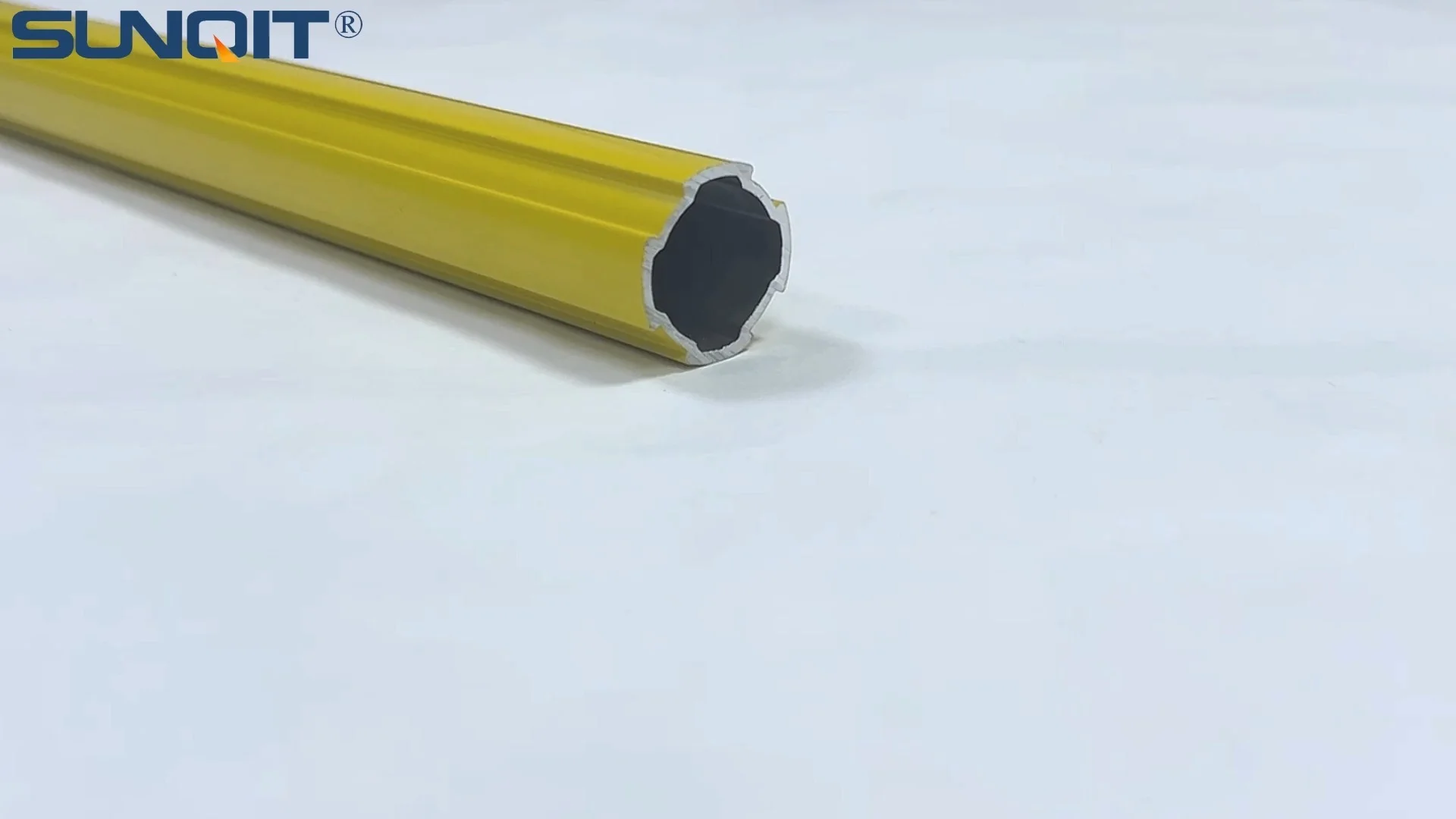
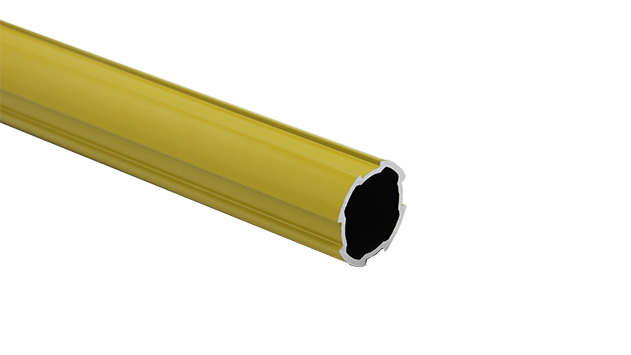
Aluminum pipe, it is used for workbench, flow rack,hand trolley assemble work with advantage of flexible and durable, yellow color makes it more attactive as a caution remind.
Walk into any manufacturing plant, warehouse, or workshop, and you'll likely see the backbone of its operations: workbenches cluttered with tools, flow racks stacked with components, conveyors moving products along assembly lines, and material trolleys shuttling supplies. These setups aren't just metal and wood—they're the silent partners in productivity. But here's the thing: most of these systems were built with heavy, cumbersome materials that make installation a slog, reconfiguration a nightmare, and daily use a strain on workers' bodies.
Steel pipes, wooden frames, and iron brackets have long been the go-to for industrial setups. They're strong, sure, but they come with a hidden cost: weight. A 10-foot steel pipe can weigh upwards of 40 pounds; a wooden workbench top might add another 60. Installing these often requires two people, a forklift, or worse—hours of back-breaking labor. And if your production line needs to pivot (say, to accommodate a new product), tearing down and rebuilding with these materials means lost downtime, sore muscles, and delayed deadlines.
But what if there was a material that offered the strength of steel, the flexibility of wood, and the lightness of… well, something that doesn't require a team of weightlifters to move? Enter T slot aluminum pipe —the unsung hero of modern industrial setups. Its claim to fame? Being lightweight. But this isn't just about "easy to carry." It's about redefining how we build, install, and adapt our workspaces. Let's dive into why the lightweight advantage of T slot aluminum pipe isn't just a nice-to-have—it's a game-changer for installation ease.
What Even Is T Slot Aluminum Pipe, Anyway?
First, let's get the basics straight. T slot aluminum pipe (sometimes called aluminum extrusion profile) is exactly what it sounds like: a pipe made from aluminum alloy, shaped with a continuous "T" groove (the "T slot") running along its length. This groove isn't just for show—it's a built-in connection point. Slide a bolt, nut, or bracket into the slot, tighten it, and boom: a secure, tool-friendly joint. No welding, no drilling, no messy adhesives.
But what makes it lightweight? Aluminum itself is a lightweight metal—about one-third the density of steel. When alloyed with elements like magnesium and silicon (common in industrial aluminum profiles), it gains strength without packing on pounds. For example, a 10-foot T slot aluminum pipe (20mm diameter, 1.5mm wall thickness) weighs roughly 12 pounds— less than a third of a comparable steel pipe . That's the kind of weight difference that turns a two-person job into a one-person task, and a half-day installation into a morning project.
Lightweight = Less Strain, More Speed: The Installation Revolution
Let's talk about installation—the moment where lightweight truly shines. Imagine you're tasked with building a workbench for a new assembly line. With traditional steel, here's how the day might go: You and a coworker haul 10 steel pipes from the storage room (each 40 lbs, so 400 lbs total). You struggle to align them, bolt them together (needing a wrench to tighten each nut, since steel doesn't flex), and then hoist a heavy wooden top onto the frame. By lunch, you're sweaty, your back aches, and you've only finished half. If a pipe is misaligned? Good luck adjusting it—steel bends, but not gently.
Now swap those steel pipes for T slot aluminum. That same 10-foot pipe? 12 pounds. You grab two with one hand, carry them to the workspace, and start assembling. The T slots let you slide brackets into place without pre-drilling; the aluminum's slight flexibility means you can nudge pipes into alignment with a gentle push, not a sledgehammer. Need to adjust the height? Loosen a few bolts, slide the crossbar up, and retighten. By noon, you've built the workbench, added a shelf, and even had time to label the tool hooks. That's the power of lightweight: it turns installation from a chore into a quick, painless process.
But don't just take my word for it. Let's look at the numbers. A recent survey of manufacturing plants that switched to T slot aluminum systems found that installation time dropped by 40-60% compared to steel setups. Why? Because lightweight materials reduce the need for heavy machinery (forklifts, cranes) and extra labor. One person can handle most tasks, and adjustments are fast—no waiting for a second worker to hold a pipe steady while you bolt it.
| Installation Task | Traditional Steel/Wood Setup | T Slot Aluminum Pipe Setup | Time Saved |
|---|---|---|---|
| 8ft Workbench Assembly (2 workers) | 3 hours (includes lifting, aligning, drilling) | 1 hour (1 worker, tool-free adjustments) | 66% |
| 3-Tier Flow Rack (4 shelves, 10ft long) | 5 hours (requires forklift for shelving) | 2 hours (manual lifting, snap-in brackets) | 60% |
| Conveyor System (15ft roller track) | 8 hours (heavy rail mounting, welding) | 3 hours (lightweight rails, bolt-on connectors) | 62.5% |
| Reconfiguring for New Product Line | 2 days (teardown + rebuild) | 4 hours (disassemble, reposition, reassemble) | 91% |
It's Not Just Light—It's Smart: The Role of Aluminum Profile Accessories
Lightweight pipe alone is great, but it's the aluminum profile accessories that turn T slot aluminum into an installation dream team. These aren't your average nuts and bolts. They're designed specifically for speed, precision, and—you guessed it—ease of use.
Take the internal rotatary aluminum joint , for example. It's a small, lightweight connector that slides into the T slot and rotates 360 degrees. Need to angle a pipe at 45 degrees? Twist the joint, tighten the bolt, and you're done. No measuring, no cutting, no welding. Or the T-slot nut —a simple, spring-loaded nut that snaps into the T slot and stays put until you're ready to attach a bracket. Even better: most accessories are made from the same lightweight aluminum, so they don't add unnecessary heft to the setup.
Compare this to steel accessories: heavy iron brackets that require precise drilling, nuts that rust and seize up, and connectors that need a wrench the size of a forearm to tighten. With aluminum profile accessories, installation feels less like "construction" and more like "building with adult Legos"—intuitive, fast, and satisfying.
One factory manager I spoke with summed it up: "We used to order steel brackets and spend an hour just unboxing and sorting them because they were so heavy. Now, with aluminum accessories, a intern can carry a box of 50 joints under one arm and start assembling right away. It's not just faster—it's less stressful."

From Workbenches to Lean Systems: Where Lightweight Aluminum Shines Brightest
Okay, so T slot aluminum pipe is lightweight and easy to install. But where does it actually make the biggest difference in real-world use? Let's zoom in on two common setups: workbenches and lean systems .
Workbenches: The Heart of the Workshop
Workbenches are where the magic happens—assembly, repairs, inspections. But traditional workbenches are often overbuilt and underwhelming. A steel frame with a wooden top might weigh 200 pounds, making it impossible to move if you need to rearrange your floor plan. With T slot aluminum, though, a workbench becomes a flexible, lightweight hub.
Take the "Workbench E (single deck-without caster)" model—a popular T slot aluminum design. The frame uses 20mm aluminum pipes and aluminum profile accessories like corner brackets and shelf supports. The total weight? Around 50 pounds. That's light enough for one person to tilt and roll (if you add casters later) or carry short distances. Need to add a tool rail? Slide a bracket into the T slot. Want a pegboard on the side? Bolt it directly to the frame. And if you need to lower the height for a shorter worker? Loosen four bolts, adjust, and retighten—done in 5 minutes.
Workers love it, too. No more straining to lift heavy parts onto a clunky bench; the lightweight frame reduces vibration, making delicate tasks (like electronics assembly) easier. And when the workday ends, cleaning around and under the bench is a breeze—no heavy lifting to sweep underneath.
Lean Systems: Flexibility for the Agile Factory
Lean manufacturing is all about eliminating waste—whether that's time, materials, or motion. But traditional lean systems (think steel flow racks, fixed conveyor belts) are anything but agile. They're built to last "forever," which sounds good until your production line needs to shrink, expand, or pivot.
T slot aluminum pipe changes that. Lean systems built with aluminum are lightweight and modular, so you can tweak them on the fly. For example, a material rack (like "Material Rack B (3 row and 3 floor)") uses aluminum pipes and roller track accessories to create a gravity-fed flow of parts. If you need to add a fourth row? Just slide in new pipes and brackets—no cutting or welding. If demand drops and you need to shrink the rack? Dismantle a section in 20 minutes and store the extra pipes (which, again, are light enough to stack in a closet).
A electronics manufacturer in Texas recently shared their experience: they switched their entire assembly line to T slot aluminum lean systems. When a new smartphone model required a smaller component bin, they reconfigured their flow racks in 2 hours —down from the 2 days it took with their old steel racks. "We used to dread product launches because of the setup time," said their operations manager. "Now? We look forward to it. The aluminum system bends to our needs, not the other way around."

But Wait—Is Lightweight the Same as "Flimsy"?
I can almost hear the skepticism: "If it's that light, it must be weak, right?" Let's put that to rest. T slot aluminum pipe isn't just lightweight—it's strategically lightweight. The aluminum alloy (often 6063-T5, a common industrial grade) is heat-treated for strength, and the T slot design distributes weight evenly along the pipe's length. This means it can handle heavy loads without bending or warping.
For example, a 20mm T slot aluminum pipe (1.5mm wall) can support up to 220 pounds per linear foot when properly braced—more than enough for a workbench top loaded with tools, a flow rack stacked with boxes, or a conveyor carrying small parts. And because the connections (via aluminum profile accessories) lock into the T slot, there's no "wiggle" or instability, even under vibration.
In fact, aluminum's corrosion resistance is an added bonus. Unlike steel, it won't rust when exposed to moisture or chemicals—critical in factories where spills happen or humidity is high. So you're not just getting a lightweight setup; you're getting one that lasts longer, too.
The Ripple Effect: Lightweight Installation = Happier Workers, Better Bottom Lines
Let's step back. Easier installation, faster setup, and flexibility are all great—but how does this translate to real business outcomes? It starts with workers. Heavy lifting is a leading cause of workplace injuries: strains, sprains, hernias. The Bureau of Labor Statistics reports that overexertion (e.g., lifting heavy objects) accounts for 25% of all workplace injuries, costing companies billions in lost workdays and workers' comp claims.
T slot aluminum pipe reduces this risk. When pipes weigh 12 pounds instead of 40, workers are less likely to strain their backs. When installation takes 1 hour instead of 3, they're less fatigued at the end of the day. Happier, healthier workers are more productive, more engaged, and less likely to quit—a huge win in today's tight labor market.
Then there's the bottom line. Faster installation means less downtime: a factory that can set up a new production line in a day instead of a week starts generating revenue sooner. Easier reconfiguration means adapting to market changes faster—no waiting for custom steel parts to ship. And because aluminum is recyclable, you can even recoup some cost when you retire old setups (unlike steel, which often ends up in a landfill).
Wrapping Up: Lightweight, Not Light on Impact
At the end of the day, T slot aluminum pipe isn't just a material—it's a mindset shift. For too long, we've equated "industrial strength" with "heavy and hard to use." But in a world where agility, speed, and worker well-being matter more than ever, lightweight is the new strong.
Whether you're building a workbench, setting up a lean system, or overhauling your entire production line, the lightweight advantage of T slot aluminum pipe makes installation easier, reconfiguration faster, and daily use less of a burden. Pair it with aluminum profile accessories, and you've got a setup that grows with your business—no sweat, no stress, no forklifts required.
So the next time you look at your clunky, heavy workspace, ask yourself: What could we build if we stopped fighting with our materials? With T slot aluminum pipe, the answer is simple: anything we want—faster, easier, and better.