- Company Articles
- Products and Technology
- Product knowledge
- Lightweight Advantage: Why Aluminum Side Guards Are Ideal for Mobile Carts

Lightweight Advantage: Why Aluminum Side Guards Are Ideal for Mobile Carts
Related Product
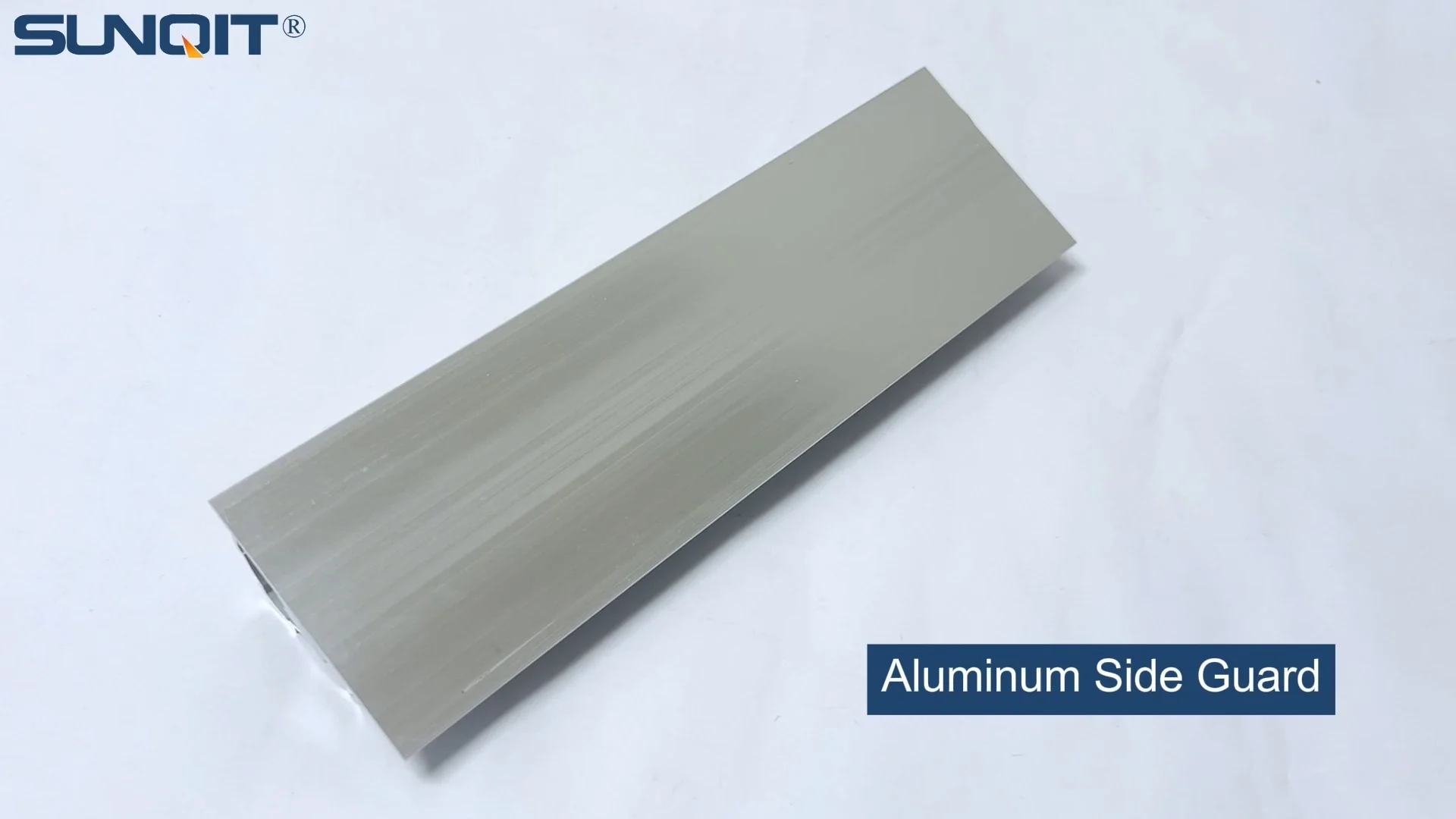
Aluminum Side Guard
Aluminum side guard, it works with a aluminum pipe or a roller track as side guard to prevent material drop,or move to wrong direction.
Walk into any busy warehouse, manufacturing plant, or retail stockroom, and you'll likely see a fleet of mobile carts hard at work. These unsung heroes of material handling ferry everything from raw components to finished products, keeping operations moving like the circulatory system of a business. But for all their utility, mobile carts often face a silent challenge: side guards. Designed to keep items secure during transport, traditional side guards—often made of heavy steel or rigid plastic—can turn a nimble cart into a cumbersome burden. They add unnecessary weight, strain caster wheels, and make maneuvering through tight aisles feel like pushing a boulder. That's where aluminum side guards come in. Specifically, those built with aluminum lean pipe have emerged as a game-changer, blending featherlight agility with surprising durability. In this article, we'll explore why aluminum side guards are redefining what mobile carts can do, focusing on their lightweight advantage, compatibility with essential components like caster wheels and roller track, and how they transform daily workflows for the better.
The Hidden Cost of Heavy Side Guards
To appreciate why aluminum side guards matter, let's first unpack the struggles of traditional options. For decades, steel has been the go-to material for side guards. It's strong, right? Sure—but that strength comes with a price: weight. A standard steel side guard for a medium-sized cart can add 15–20 pounds to the cart's total load. Multiply that by dozens of carts in a facility, and suddenly workers are expending extra energy just to move empty carts. Over an 8-hour shift, that cumulative effort leads to fatigue, slower task completion, and even an increased risk of musculoskeletal injuries. "I used to dread pushing the steel-guarded cart to the assembly line," says Maria, a warehouse associate with 10 years of experience. "By the end of the day, my shoulders and lower back ached so bad I could barely lift my arms. It wasn't just slow—it was exhausting."
Then there's plastic. Lighter than steel, plastic guards seem like a solution—until they're not. Low-quality plastic cracks under heavy loads, warps in extreme temperatures, and can't withstand the bumps and scrapes of daily use. In a manufacturing setting where carts collide with machinery or get loaded with sharp metal parts, plastic guards often need replacement within months. "We tried plastic once to save on weight," recalls Raj, a plant manager. "Six weeks in, half the guards had cracks, and items started sliding off the carts. We ended up spending more on replacements than we saved on the initial cost."
The worst part? These heavy or flimsy guards don't just hurt workers—they hurt productivity. A cart that's hard to push means longer transit times between workstations. A guard that bends or cracks means items fall off, leading to damaged goods and time wasted retrieving them. And when caster wheels are overloaded by steel guards, they wear out faster, leading to frequent downtime for repairs. It's a cycle of inefficiency that many facilities accept as "just part of the job"—but it doesn't have to be.
Aluminum Lean Pipe: The Lightweight Powerhouse
Enter aluminum lean pipe—a material that's quietly revolutionizing side guard design. At its core, aluminum lean pipe is exactly what it sounds like: lightweight aluminum tubing engineered for lean manufacturing principles—think flexibility, modularity, and efficiency. But what makes it so special for side guards? Let's start with the numbers: aluminum lean pipe weighs roughly 1/3 the weight of steel pipe of the same dimensions. A 4-foot section of 1.5-inch steel pipe might weigh 10 pounds; the same length of aluminum lean pipe? Just 3–4 pounds. That difference adds up fast when building side guards for a cart. A typical cart with four side guards could shed 20–30 pounds by switching to aluminum lean pipe—enough to turn a strenuous push into a glide.
But aluminum lean pipe isn't just light—it's surprisingly strong. Thanks to its alloy composition (often blended with magnesium or silicon), it boasts a tensile strength that rivals many steels, meaning it can withstand the bumps, impacts, and heavy loads of industrial use without bending or warping. "We tested aluminum lean pipe side guards with 50-pound boxes slamming into them during transport," says Tom, an engineer at a material handling solutions company. "After 1,000 cycles, there was zero deformation. Steel would have held up too, but the cart would have weighed twice as much."
Another advantage? Modularity. Aluminum lean pipe systems use simple connectors and joints that let you assemble, disassemble, and reconfigure side guards in minutes. Need to raise the guard height to contain taller items? Swap out a section of pipe. Want to add a notch for tools? Cut the pipe and attach a custom fitting. This flexibility is a far cry from rigid steel guards, which often require welding or specialized tools to modify. For facilities that handle a variety of products—one day small electronics, the next bulky machinery—this adaptability is invaluable. "We reconfigure our carts weekly based on production runs," explains Lina, a supervisor at an electronics plant. "With aluminum lean pipe guards, we can adjust the height or add dividers in 10 minutes. Before, with steel, we'd have to build entirely new guards or live with inefficiency."
And let's not overlook corrosion resistance. Unlike steel, aluminum naturally forms a protective oxide layer that prevents rust—critical in environments like food processing facilities, warehouses with high humidity, or outdoor loading docks. Even in manufacturing plants where oils, coolants, or chemicals are present, aluminum lean pipe guards stay looking and performing like new. "We used to repaint steel guards every six months to fight rust," says Mike, a maintenance lead. "Aluminum? We wipe them down with a damp cloth, and they shine. No more paint fumes, no more downtime for repainting—it's a maintenance dream."

Working in Harmony: Aluminum Guards and Caster Wheels
A lightweight side guard is only as good as the caster wheels supporting the cart—and aluminum lean pipe guards play nicely with even the most hardworking caster wheel systems. Here's why: caster wheels are rated for specific weight capacities. When you reduce the cart's total weight by 20–30 pounds (thanks to aluminum guards), you're not just making it easier to push—you're extending the life of the caster wheels. A caster wheel rated for 300 pounds will last far longer if the cart only weighs 250 pounds than if it's maxed out at 300. Less strain on bearings, less wear on treads, and fewer flat spots from overloading—all translate to fewer replacements and less downtime.
But it's not just about weight. Aluminum lean pipe guards are also designed to be low-profile, which keeps the cart's center of gravity low. That stability is crucial for caster wheels, especially swivel caster wheels that allow for tight turns. A cart with top-heavy steel guards is more likely to tip during sharp maneuvers, putting stress on the caster wheel joints and increasing the risk of accidents. Aluminum guards, with their lighter weight and sleek design, keep the cart balanced, letting the caster wheels do what they do best: glide smoothly and turn effortlessly. "We had a problem with our old steel-guarded carts tipping when cornering with heavy loads," says James, a logistics coordinator. "After switching to aluminum lean pipe guards, the carts feel planted. The caster wheels don't lock up or skid anymore—they just roll."
And let's talk about brake performance. Many mobile carts use caster wheels with brakes to keep them stationary during loading/unloading. Heavy steel guards can make braking less effective, as the extra weight momentum can cause the cart to creep even when brakes are engaged. Lighter aluminum guards mean less momentum, so brakes work faster and more reliably. In busy warehouses where carts are constantly stopping and starting, this split-second difference can prevent collisions and keep workers safe.

Roller Track and Aluminum Guards: A Material Handling Dream Team
For carts equipped with roller track—those handy systems of wheels or rollers that let items slide smoothly from one end to the other—side guards aren't just about containment; they're about preserving the roller track's functionality. Traditional steel guards, with their bulky frames and sharp edges, can sometimes interfere with how items move along the roller track. A misaligned steel guard might catch on a box, slowing it down or even damaging the item. Aluminum lean pipe guards, with their slim profile and smooth finish, eliminate that problem.
Aluminum's natural smoothness means items glide past the guards without friction. Unlike steel, which can develop rough spots from rust or dents, aluminum lean pipe maintains its sleek surface even after years of use. This is especially important for delicate items, like electronics or glassware, where scratches or snags can ruin products. "We ship fragile medical devices, and our old steel guards had burrs that would scratch the packaging," says Priya, a warehouse manager. "With aluminum lean pipe guards, the roller track moves boxes so smoothly, we haven't had a single scratch in six months. It's saved us thousands in damaged goods."
But the benefits go beyond protection. Roller track systems rely on gravity or gentle pushes to move items, and heavy side guards can throw off the cart's balance, making it harder to angle the cart for optimal loading. Aluminum guards keep the cart light, so workers can easily tilt or position it to let gravity do the work. Plus, aluminum lean pipe's modular design means side guards can be custom-fit to the roller track's width and height, ensuring there are no gaps where items might slip through. Need a guard that's 3 inches taller on one side to contain taller boxes? No problem—just add an extra section of aluminum lean pipe. It's customization that keeps the roller track working efficiently, not against it.
Aluminum vs. Steel vs. Plastic: How They Stack Up
| Feature | Aluminum Lean Pipe | Steel Pipe | Plastic Pipe |
|---|---|---|---|
| Weight (4ft section) | 3–4 lbs | 10–12 lbs | 5–6 lbs |
| Durability | High (resists dents, corrosion) | High (prone to rust without coating) | Low (cracks under impact, warps in heat) |
| Customization | Excellent (modular joints, easy cutting) | Poor (requires welding/tools) | Limited (hard to modify without breaking) |
| Maintenance | Low (wipe clean, no painting) | High (needs painting, rust removal) | Medium (prone to stains, hard to repair) |
| Cost (Initial) | Moderate | Low | Low |
| Cost (Long-Term) | Low (minimal replacements, energy savings) | High (repairs, paint, caster replacements) | High (frequent replacements) |
*Comparison based on 1.5-inch diameter pipe, typical for side guard applications.
Debunking the Myth: "Lightweight = Flimsy"
If there's one pushback we hear about aluminum lean pipe guards, it's this: "They're too light—they must be flimsy." It's a fair concern, especially for workers who've relied on steel's heft for decades. But here's the truth: aluminum lean pipe's strength comes from engineering, not weight. Let's break it down.
First, aluminum's inherent properties. While it's lighter than steel, aluminum has a high strength-to-weight ratio, meaning it can absorb impact without bending. Think about airplane wings—they're made of aluminum, and they withstand turbulence, pressure changes, and extreme temperatures. If aluminum can handle flying at 35,000 feet, it can handle a box slamming into a side guard. "We tested our aluminum lean pipe guards by dropping a 25-pound weight from 3 feet onto them," says Lisa, a product tester. "The guard flexed slightly and then bounced back—no dents, no cracks. Steel would have dented, and plastic would have shattered."
Second, the modular joint systems. Aluminum lean pipe guards aren't just pipes—they're connected with precision-engineered joints that distribute weight evenly across the structure. These joints, often made of reinforced plastic or aluminum, lock the pipes in place, creating a rigid frame that resists twisting or warping. A well-built aluminum lean pipe guard can support hundreds of pounds of lateral force—more than enough to contain even the heaviest items on a mobile cart. "We use aluminum lean pipe guards on carts that carry 500-pound machinery parts," says Carlos, a manufacturing engineer. "In two years, we've never had a guard fail. They're tough as nails—just without the nails' weight."
Third, real-world testing. Facilities that have made the switch to aluminum lean pipe guards consistently report durability that matches or exceeds steel. A automotive plant in Michigan tracked their side guards for three years and found that aluminum lean pipe guards required 75% fewer repairs than steel guards. A distribution center in Texas noted that aluminum guards showed less wear and tear after 1,000+ uses than plastic guards did after 100 uses. The data speaks for itself: lightweight doesn't mean weak—it means smartly engineered.
Customization: Build Guards That Fit Your Exact Needs
One of the biggest frustrations with off-the-shelf side guards is that they're designed for "average" carts—but no two facilities have average needs. Maybe your carts carry long, narrow items that need extra-tall guards. Maybe you need cutouts for barcode scanners or hooks for tools. Aluminum lean pipe thrives here, thanks to its modular design. With aluminum lean pipe, you're not limited to prefab sizes—you build exactly what you need.
Let's take height adjustment. Traditional steel guards are welded at a fixed height, so if you start carrying taller items, you're out of luck. Aluminum lean pipe guards? Just loosen the joints, add a section of pipe, and retighten. Done. Need a guard that's 30 inches on one side and 24 inches on the other? No problem—mix and match pipe lengths. "We have carts that carry both small parts bins and large equipment cases," says Derek, a production supervisor. "With aluminum lean pipe, we can adjust the guard heights in 5 minutes. It's like having a custom cart for every job without buying 10 different carts."
Accessories are another area where aluminum lean pipe shines. Want to add a tool holder to your side guard? Screw on a clamp-on hook. Need a label holder for inventory tracking? Snap on a plastic bracket. These accessories are lightweight, easy to install, and just as durable as the guards themselves. Some facilities even add LED light strips to aluminum guards for low-light work areas—something you'd never do with conductive steel. "We added magnetic tool strips to our aluminum guards, and it's transformed our assembly line," says Sarah, a factory worker. "Now my tools are always within reach, and the cart still rolls like a dream."
And because aluminum lean pipe is compatible with standard lean manufacturing accessories, you're not locked into a single brand. If you find a better joint or a specialized bracket from another supplier, it will likely fit your existing aluminum lean pipe. This flexibility future-proofs your investment—your side guards can evolve as your needs change, without requiring a complete overhaul.
Safety: Lighter Guards, Happier (and Healthier) Workers
At the end of the day, the most important benefit of aluminum side guards might be the one that's hardest to quantify: worker safety and well-being. Heavy carts with steel guards aren't just inefficient—they're a hazard. The Bureau of Labor Statistics reports that overexertion (like pushing/pulling heavy objects) is one of the leading causes of workplace injuries, accounting for 20% of all non-fatal occupational injuries. These injuries cost businesses billions in medical bills, lost productivity, and workers' compensation claims each year. Aluminum lean pipe guards directly address this risk by reducing the physical strain of cart operation.
Consider the physics of pushing a cart: the force required to get a cart moving is directly related to its weight. Reduce the cart's weight by 30 pounds, and you reduce the pushing force by roughly 30%. For a worker pushing a cart 50 times a day, that's a massive reduction in cumulative stress on the back, shoulders, and knees. "I used to come home with a headache from straining to push the steel cart," says Mark, a warehouse associate. "Now with the aluminum guards, I can push it with one hand. My back pain is gone, and I actually have energy left after my shift."
Aluminum's smooth, rounded edges are another safety win. Unlike steel, which can develop sharp burrs from welding or corrosion, aluminum lean pipe is typically finished with a smooth anodized coating that resists chipping and maintains a consistent, safe surface. This reduces the risk of cuts and scrapes when loading/unloading items. Even if the pipe does get scratched, aluminum doesn't rust, so there's no flaky, sharp rust to worry about. "We had a lot of minor cuts from steel guard burrs," says a safety officer at a manufacturing plant. "Since switching to aluminum, those injuries have dropped to zero. It's a small thing, but it makes a big difference in morale."
And let's not forget visibility. Aluminum lean pipe is often available in bright colors (like yellow or orange) or can be painted to match facility safety standards, making carts more visible in busy environments. This helps prevent collisions between carts and pedestrians or machinery—another common source of workplace accidents. "We painted our aluminum guards high-visibility green," says a logistics manager. "Now everyone can spot the carts from across the warehouse. Near-misses have gone way down."
Real-World Success Stories: From Frustration to Efficiency
Still not convinced? Let's look at how aluminum lean pipe side guards have transformed operations in real facilities across different industries.
Case Study 1: Automotive Manufacturing Plant
A mid-sized automotive parts manufacturer in Ohio was struggling with high turnover in its assembly line due to worker complaints about heavy carts. Their steel-guarded carts weighed nearly 150 pounds empty, making them difficult to push through the plant's narrow aisles. After switching to aluminum lean pipe side guards, the empty cart weight dropped to 100 pounds—a 33% reduction. Within three months, worker turnover decreased by 40%, and production output increased by 15% as cart transit times shortened. "Workers aren't quitting because of the carts anymore," says the plant manager. "In fact, they're asking for more aluminum-guarded carts for other departments."
Case Study 2: E-Commerce Fulfillment Center
An e-commerce warehouse in California was dealing with frequent damaged packages due to plastic side guards cracking during peak shipping seasons. They switched to aluminum lean pipe guards on their roller track carts, and the results were dramatic: package damage dropped by 60%, and cart repairs decreased by 80%. The lighter carts also allowed workers to move 20% more orders per hour, helping the warehouse meet holiday demand without hiring extra staff. "We were skeptical at first—aluminum seemed too expensive," says the operations director. "But the ROI came in six months. We'll never go back to plastic."
Case Study 3: Hospital Supply Room
A large hospital in Florida needed carts that were lightweight enough for nurses to maneuver through crowded corridors but durable enough to hold heavy medical supplies. Steel carts were too heavy, and plastic carts couldn't handle the load. Aluminum lean pipe guards provided the solution: carts that weighed 25% less than steel, with side guards that withstood daily bumps and spills. Nurses reported less fatigue, and supply delivery times to patient rooms improved by 15%. "Every second counts in a hospital," says a head nurse. "Aluminum carts help us get supplies where they're needed faster, which means better patient care."
These stories aren't outliers—they're the norm for facilities that embrace aluminum lean pipe side guards. The common thread? A focus on reducing unnecessary weight without sacrificing strength, leading to happier workers, smoother operations, and better bottom-line results.
Maintenance and Cost: Long-Term Savings That Add Up
Let's talk money—because while aluminum lean pipe might have a higher upfront cost than steel or plastic, its long-term savings are impossible to ignore. Let's start with maintenance: aluminum lean pipe guards require almost none. Unlike steel, which needs regular painting to prevent rust, aluminum's natural oxide layer protects it from corrosion. A quick wipe with a damp cloth is all it takes to keep it clean. Plastic guards, meanwhile, need to be replaced every 6–12 months in heavy-use environments; aluminum guards can last 5–10 years with minimal upkeep. "We used to spend $5,000 a year replacing plastic guards," says a facilities manager. "With aluminum, we've spent $0 in three years. The initial investment paid for itself in under a year."
Then there's caster wheel replacement. As we discussed earlier, lighter carts mean less wear on caster wheels. A facility with 50 carts might replace caster wheels 2–3 times a year with steel guards; with aluminum guards, that drops to once every 2–3 years. At $20–$50 per caster wheel, the savings add up: 50 carts × 4 wheels × $30 per wheel = $6,000 per replacement. Cut that from 3 replacements a year to 1 every 3 years, and you're saving $16,000 over three years. That's not chump change.
Worker productivity is another hidden cost saver. A study by the National Institute for Occupational Safety and Health (NIOSH) found that reducing cart weight by 30 pounds can increase worker productivity by 15–20% for tasks involving frequent cart movement. For a worker earning $20 an hour, that's an extra $3–$4 per hour in output. Multiply that by 50 workers over a year, and you're looking at $30,000–$40,000 in additional productivity. When you factor in reduced injury claims (which can cost $10,000–$50,000 per claim), the financial case for aluminum lean pipe becomes overwhelming.
And let's not forget modularity. When your needs change, you don't have to buy new carts—just reconfigure the aluminum lean pipe guards. Need a longer guard? Add a pipe. Need to repurpose a cart for a new department? Disassemble the guards and rebuild them. This adaptability means you get more use out of each cart, reducing the need to purchase new equipment. "We've reused the same aluminum lean pipe guards on three different cart models over five years," says a procurement manager. "With steel, we would have had to buy new carts each time. The flexibility is priceless."
The Future of Aluminum Side Guards: What's Next?
As manufacturing and warehousing continue to evolve, so too will aluminum side guard technology. Here are a few trends to watch:
Eco-Friendly Finishes : Anodizing—the process that gives aluminum its protective coating—is getting greener. New anodizing techniques use less energy and produce fewer harmful byproducts, making aluminum lean pipe an even more sustainable choice. Some manufacturers are even using recycled aluminum in their pipes, reducing the carbon footprint further.
Smart Guards with Sensors : Imagine side guards embedded with sensors that detect impact, temperature, or even when items are about to fall off. Early prototypes use thin, flexible sensors attached to aluminum lean pipe, sending alerts to workers' phones or warehouse management systems. This could prevent damage before it happens and help track cart usage patterns.
Lighter Alloys : Materials science is constantly improving, and new aluminum alloys are being developed that are even lighter and stronger than current options. These next-gen alloys could reduce weight by another 10–15% without sacrificing durability, making carts even easier to maneuver.
3D-Printed Accessories : As 3D printing becomes more accessible, custom aluminum lean pipe accessories (like brackets, hooks, or tool holders) can be printed on-site, reducing lead times and allowing for hyper-specific designs. Need a guard with a custom curve for a uniquely shaped item? Print the joint in an hour.
These innovations won't replace aluminum lean pipe—they'll enhance it, making it an even more indispensable tool for modern material handling. The future of mobile carts is lightweight, smart, and sustainable—and aluminum lean pipe is leading the way.
Conclusion: Lightweight, Strong, and Ready to Transform Your Workflow
Mobile carts are the backbone of countless industries, but for too long, their side guards have been an afterthought—heavy, rigid, and prone to causing more problems than they solve. Aluminum lean pipe side guards change that equation, offering a rare combination of lightweight agility, rugged durability, and endless customization. By shedding unnecessary weight, they make carts easier to push, reduce worker strain, extend caster wheel life, and improve overall efficiency. By embracing modular design, they adapt to your changing needs, ensuring your investment lasts for years. And by prioritizing safety, they keep workers healthy and happy—because a productive workplace is one where people feel valued and protected.
If you're still using steel or plastic side guards, ask yourself: What would a 30-pound weight reduction do for your workers? How much time could you save by eliminating cart repairs and damaged goods? What would it mean for your bottom line to reduce workplace injuries and turnover? The answers might surprise you.
Aluminum lean pipe side guards aren't just a "nice-to-have"—they're a "must-have" for any facility looking to thrive in today's fast-paced, lean-focused world. They're proof that sometimes, the best solutions aren't about working harder—they're about working smarter. And when it comes to mobile carts, smarter means lighter, stronger, and built for the way you actually work.
So why wait? It's time to let go of the heavy, inefficient guards of the past and embrace the lightweight advantage of aluminum lean pipe. Your workers, your bottom line, and your peace of mind will thank you.