- Company Articles
- Products and Technology
- Product knowledge
- Lightweight Aluminum Pipe with Board Holder: Transport Ease

Lightweight Aluminum Pipe with Board Holder: Transport Ease
Related Product
Aluminum Pipe with Board Holder
The linear rolling assembly can be arbitrarily connected in the protruding part of the card slot to increase the rigidity of the track.
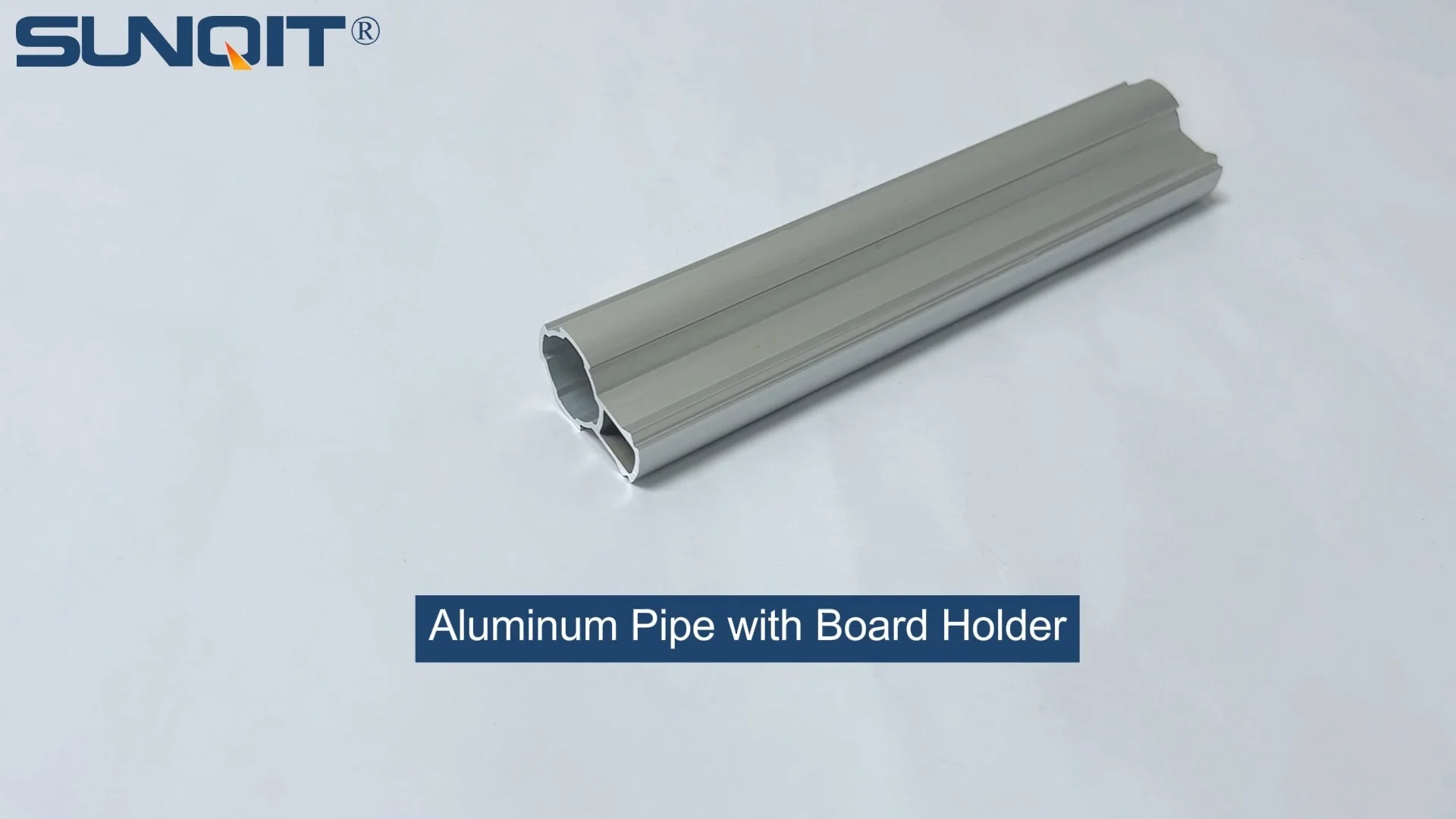
In the fast-paced world of manufacturing, warehousing, and logistics, the efficiency of material transport can make or break a team's productivity. Picture this: a worker struggling to push a heavy steel cart loaded with components across a factory floor, its wheels sticking on uneven surfaces, the frame creaking under the weight. Now, contrast that with another scene: a sleek, lightweight cart gliding smoothly, its aluminum frame sturdy yet easy to maneuver, materials secured neatly by a built-in board holder. The difference? The second scenario relies on aluminum lean pipe and its ecosystem of accessories—a game-changer for businesses aiming to streamline transport and reduce operational friction.
At its core, the lightweight aluminum pipe with board holder is more than just a tool; it's a testament to how smart design can transform daily operations. From small workshops to large-scale production lines, this solution addresses a universal challenge: moving materials quickly, safely, and with minimal effort. In this article, we'll dive into what makes aluminum lean pipe with board holder indispensable, explore its key features, and uncover how it integrates with aluminum pipe accessories to create seamless transport systems. We'll also look at real-world applications, from workbench setups to turnover trolley and rack solutions, and why it's become a go-to choice for lean-minded businesses.
What Is Lightweight Aluminum Pipe with Board Holder?
Let's start with the basics. Lightweight aluminum pipe with board holder is a modular building component designed for creating custom transport and storage systems. It's crafted from high-grade aluminum extrusion profiles—think of it as a versatile "building block" that can be cut, connected, and configured to fit almost any need. The "board holder" refers to a specialized attachment that secures flat surfaces (like wooden or plastic boards) to the pipe frame, creating stable platforms for holding materials, tools, or products during transport.
Unlike traditional steel pipes, aluminum lean pipe is engineered to be lightweight without sacrificing strength. Its secret lies in the aluminum alloy composition, which offers an impressive strength-to-weight ratio. For context, a 1-meter length of 28mm diameter aluminum lean pipe weighs roughly 0.8kg, compared to 2.4kg for a similar steel pipe—making it three times lighter. This lightness is a game-changer for mobility: workers can push or pull carts with less physical strain, reducing fatigue and lowering the risk of workplace injuries.
But it's not just about weight. The board holder adds another layer of functionality. Imagine transporting small electronic components or fragile parts—without a secure holder, items might slide off, leading to damage or delays. The board holder keeps surfaces flat and stable, whether you're moving a single box or a stack of materials. Plus, since the system is modular, you can adjust the board size or add dividers to separate items, making it adaptable for everything from tiny screws to bulky machinery parts.
Key Features That Make It Ideal for Transport
What sets aluminum lean pipe with board holder apart from other transport solutions? Let's break down its standout features:
1. Lightweight, Yet Surprisingly Strong : As mentioned earlier, aluminum's low density is a huge advantage. But don't let the lightness fool you—aluminum lean pipe can handle impressive weight loads. A standard 28mm pipe, for example, can support up to 50kg per linear meter when properly installed. This means you can build a trolley that carries heavy tools or products without the frame bending or warping over time.
2. Corrosion and Rust Resistance : Aluminum naturally forms a protective oxide layer, making it resistant to rust and corrosion. This is a big deal for environments like warehouses with high humidity or factories where spills (of water, oil, or chemicals) are common. Unlike steel, which requires regular painting or coating to prevent rust, aluminum lean pipe stays looking and performing like new with minimal maintenance.
3. Modular Flexibility : Here's where the magic happens. Aluminum lean pipe works with a range of aluminum pipe accessories—joints, connectors, casters, and brackets—that let you build almost anything. Need a small parts trolley today? Connect a few pipes with 90° aluminum joints, add a board holder, and attach caster wheels. Tomorrow, if you need a longer rack, simply add more pipes and connectors. No welding, no specialized tools—just basic hand tools and a little creativity.
4. Board Holder Design for Stability : The board holder isn't an afterthought; it's engineered for precision. Most holders feature adjustable clamps or slots that fit standard board thicknesses (12mm to 25mm), ensuring a snug fit. Some even have rubberized grips to prevent slipping, which is crucial when moving materials up ramps or around corners. Whether you're using a plywood board for durability or a plastic board for easy cleaning, the holder keeps it firmly in place.
5. Compatibility with Lean Systems : Aluminum lean pipe aligns perfectly with lean manufacturing principles—eliminating waste, improving flow, and maximizing value. Its modularity means you can design systems that adapt to changing production needs, avoiding the waste of "one-size-fits-all" equipment. For example, if a production line reconfigures, you can disassemble a trolley and rebuild it as a workbench shelf instead of buying a new one.

Aluminum Pipe Accessories: The Glue That Holds It All Together
A great pipe is only as good as the accessories that bring it to life. Aluminum pipe accessories are the unsung heroes of transport systems, turning basic pipes into functional tools. Let's explore the most essential ones for transport ease:
Caster Wheels and Brakes : No transport trolley is complete without reliable wheels. Aluminum pipe systems pair with heavy-duty caster wheels (often made of rubber or polyurethane) that glide smoothly over concrete, tile, or warehouse floors. Many casters come with locking brakes, which are critical when loading/unloading or when the trolley needs to stay stationary during use. For example, a turnover trolley with swivel caster wheels (360° rotation) can easily navigate tight corners, while brake locks prevent it from rolling during material transfer.
Joints and Connectors : These are the "building blocks" of modularity. Internal rotary aluminum joints, for instance, let pipes rotate 180°, allowing you to adjust the angle of a workbench or trolley shelf on the fly. 90° aluminum crossing joints connect perpendicular pipes, creating stable frames for racks or tables. Even specialized joints like the 45° reinforce aluminum pipe joint add strength to angled structures, ensuring they can handle heavier loads.
Roller Tracks and Swivel Balls : When it comes to loading and unloading, roller tracks and swivel balls are game-changers. Imagine a turnover rack where materials slide effortlessly onto a workbench—no lifting required. Swivel roller balls (1 inch or 0.5 inch) are small, rotating spheres embedded in a plate; when you place a box on them, it glides with minimal friction. Roller tracks, like plastic or aluminum guide rails, work similarly for longer distances, making them ideal for assembly lines where materials need to move from one station to the next.
End Caps and Protectors : Safety first! Aluminum pipe ends can be sharp, so end caps (made of plastic or rubber) cover exposed edges, preventing cuts or snags. They also protect the pipe from dust and debris, extending its lifespan. For example, a basic aluminum tube used in a trolley frame will last longer with end caps, as they prevent moisture from seeping into the pipe and causing internal corrosion.

Applications: From Workbenches to Turnover Trolleys
Now that we understand the "what" and "why," let's look at the "how." Aluminum lean pipe with board holder shines in real-world setups, adapting to diverse transport needs. Here are some of the most common applications:
1. Mobile Workbenches : A workbench isn't just a table—it's a command center. With aluminum lean pipe, you can build a mobile workbench that moves with you. Picture this: a single-deck workbench (like "Workbench E" from supplier catalogs) with a board holder securing a wooden top. Below the top, you add shelves using aluminum guide rails and roller tracks, so tools or materials slide out when needed. Caster wheels with brakes let you roll the workbench to the production line, then lock it in place. When the job is done, you can reconfigure the shelves or add a second deck—all without buying a new workbench.
For example, a mechanic repairing small engines might use such a workbench. The board holder keeps the engine steady, while roller tracks below hold spare parts. When the repair is done, the workbench rolls to storage, freeing up floor space. It's efficient, space-saving, and tailored to the task at hand.
2. Turnover Trolleys and Racks : Turnover trolleys (also called "material handling trolleys") are designed for moving goods between stations—think of them as the "delivery trucks" of the factory floor. Aluminum lean pipe makes these trolleys lightweight and durable. A typical design might use basic aluminum tubes for the frame, a board holder for the base, and swivel roller balls on the deck to let materials slide off easily. Add side rails (using aluminum side guards) to prevent items from falling, and you've got a trolley that's both safe and efficient.
Take a warehouse storing clothing boxes: a turnover trolley with a board holder and 3-row, 3-floor rack (like "Material Rack B") can carry multiple boxes at once. The roller tracks on each floor let workers slide boxes on/off without lifting, reducing strain. Since the trolley is lightweight, even a single worker can push it through narrow aisles. When not in use, it can be folded or disassembled to save space—thanks to those modular joints.
3. Assembly Line Feeders : In manufacturing, keeping assembly lines stocked with parts is critical. Aluminum lean pipe with roller tracks solves this by creating "feeders" that deliver parts directly to workers. For example, a car parts manufacturer might use an aluminum guide rail system with plastic roller tracks (yellow or grey) to move small components (like screws or washers) from a storage area to the assembly line. The board holder ensures the track stays aligned, while roller track placon mounts (brackets that secure tracks to aluminum profiles) keep the system stable. Workers simply reach for parts as they glide by, eliminating time spent walking to storage.
The Benefits: Why Businesses Are Making the Switch
So, why are more businesses swapping steel carts and fixed racks for aluminum lean pipe systems? Let's break down the benefits:
1. Boosted Productivity : Time is money, and aluminum lean pipe saves plenty of it. Lighter trolleys mean faster transport—workers can move materials in half the time it takes with steel carts. Roller tracks and swivel balls reduce loading/unloading time, while modular workbenches let teams set up stations in minutes, not hours. For example, a study by a manufacturing association found that companies using aluminum lean pipe transport systems reported a 25-30% reduction in material handling time, freeing up workers to focus on value-added tasks.
2. Improved Safety : Heavy lifting and awkward pushing are leading causes of workplace injuries. Aluminum's lightness reduces strain, lowering the risk of back pain or muscle injuries. The board holder prevents items from sliding off, while caster brakes and non-slip end caps add stability. Even small details, like rounded pipe edges (thanks to end caps), reduce cuts and scrapes. In one warehouse case study, switching to aluminum trolleys led to a 40% drop in reported injuries over six months.
3. Unmatched Adaptability : Businesses change—production lines expand, new products are introduced, or floor plans shift. Aluminum lean pipe systems adapt with them. Need a taller rack? Add more pipes. Want to turn a trolley into a shelf? Swap the caster wheels for feet. This flexibility means you're not stuck with equipment that becomes obsolete. A small electronics manufacturer, for example, recently reconfigured their entire assembly line using the same aluminum pipes and joints—saving $10,000 they would have spent on new steel racks.
4. Cost-Effectiveness : While aluminum lean pipe may cost more upfront than basic steel, it pays off in the long run. Its durability means it lasts 10-15 years (vs. 5-7 for steel), and low maintenance (no painting, rust removal, or frequent part replacements) cuts ongoing costs. Plus, modularity means you can upgrade components (like adding better casters) instead of replacing the entire system. Over time, businesses report saving 30-50% on transport equipment costs compared to traditional steel setups.
Comparing Aluminum Pipe Types for Transport: A Quick Guide
Not all aluminum pipes are created equal. Depending on your transport needs, you'll want to choose the right type. Here's a handy comparison:
| Aluminum Pipe Type | Material Thickness | Weight (per meter) | Weight Capacity | Ideal Transport Use Case | Essential Accessories |
|---|---|---|---|---|---|
| Basic Aluminum Tube | 1.2mm | 0.6kg | Up to 30kg per linear meter | Light-duty trolleys (tools, small parts) | Plastic end caps, 90° aluminum joints, caster wheels |
| Aluminum Lean Pipe | 1.5mm | 0.8kg | Up to 50kg per linear meter | Medium-duty trolleys, workbenches | Internal rotary joints, board holder, roller tracks |
| Corrugated Aluminum Pipe | 2.0mm | 1.1kg | Up to 80kg per linear meter | Heavy-duty racks, industrial trolleys | Reinforce joints, heavy-duty casters, steel end caps |
| T-Slot Aluminum Pipe | 1.8mm | 0.9kg | Up to 60kg per linear meter | Adjustable shelves, modular workbenches | T-slot nuts, board holder brackets, swivel roller balls |
Final Thoughts: Transport Ease, Redefined
In a world where efficiency and safety are non-negotiable, lightweight aluminum pipe with board holder stands out as a solution that delivers on both fronts. It's more than just a pipe and a holder—it's a system that grows with your business, adapts to your needs, and makes daily tasks feel less like a chore and more like a well-oiled machine. Whether you're building a mobile workbench, a turnover trolley, or a full assembly line feeder, the combination of aluminum lean pipe, aluminum pipe accessories, and modular design ensures transport ease isn't just a goal—it's a reality.
So, if you're tired of heavy, rigid transport equipment that slows your team down, it might be time to explore aluminum lean pipe systems. From the factory floor to the warehouse, it's changing how businesses move materials—one lightweight, adaptable pipe at a time.