- Company Articles
- Products and Technology
- Product knowledge
- Lightweight Castor Install Base Options for Small Parts Handling Trolleys

Lightweight Castor Install Base Options for Small Parts Handling Trolleys
Related Product
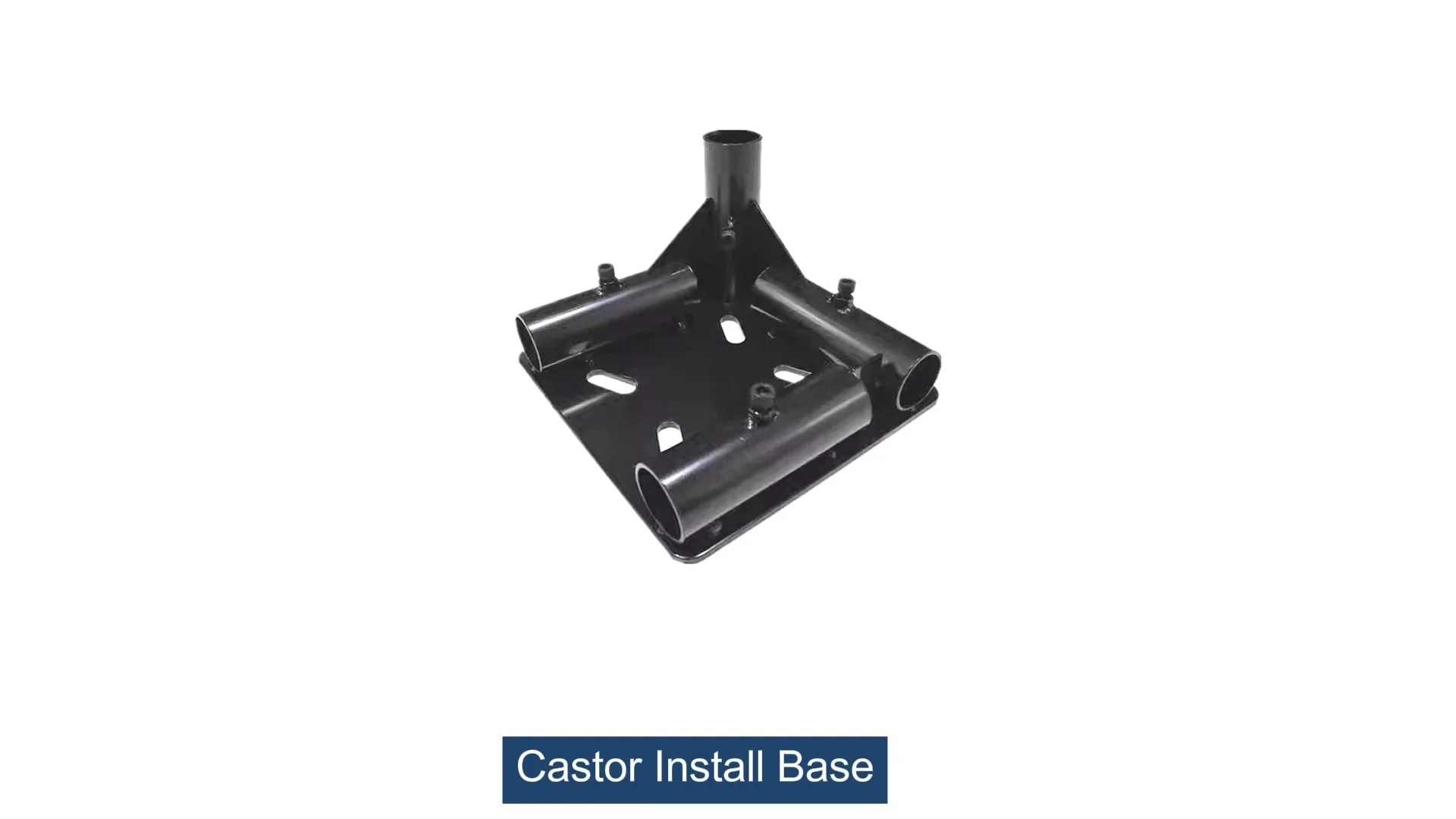
Castor Install Base
Castor install base, used for connection between pipe and castor, it can connect 4 pcs pipe by 1 pcs castor base, to make the structure strong and stable.
In the bustling world of warehouses, manufacturing floors, and retail stockrooms, small parts handling trolleys are the unsung workhorses that keep operations moving. From tiny electronic components to delicate medical supplies, these trolleys ensure that parts reach their destination safely and efficiently. But if you've ever wondered what makes a trolley glide smoothly, stop without wobbling, or hold up to the daily grind of a busy workspace, look no further than the castor install base—the often-overlooked component that bridges the trolley frame and the caster wheel. And when it comes to small parts handling, lightweight castor install bases aren't just a convenience; they're a game-changer.
Why lightweight? Imagine pushing a trolley loaded with small parts across a warehouse floor for eight hours a day. The heavier the trolley base, the more energy you expend—leading to fatigue, slower workflows, and even increased risk of injury. Lightweight bases reduce that physical strain, making trolleys easier to maneuver, especially in tight spaces or when navigating around other equipment. They also contribute to overall trolley efficiency: a lighter base means the caster wheels can perform better, with less stress on their bearings and joints. Plus, in environments where trolleys are frequently loaded and unloaded, a lightweight design makes setup and adjustment quicker, keeping your team focused on the task at hand.
What Is a Castor Install Base, Anyway?
Before diving into the options, let's clarify: a castor install base is the mounting component that attaches the caster wheel to the trolley frame. Think of it as the "middleman"—it must be strong enough to support the trolley's load, stable enough to prevent tipping, and designed to work seamlessly with the caster wheel and its accessories. For small parts handling trolleys, where loads are often lighter but precision is key, the base's weight, size, and material become critical factors.
These bases come in various shapes and sizes, but their core job remains the same: to provide a secure connection between the trolley and the caster, ensuring smooth movement and reliable performance. And when paired with the right caster wheel and accessories—like brakes, swivel locks, or shock absorbers—they transform a basic trolley into a tool that adapts to your workspace's unique needs.
Lightweight Materials: The Foundation of Efficiency
The material of your castor install base directly impacts its weight, durability, and suitability for different environments. Let's break down the top contenders for small parts handling:
Aluminum: The Lightweight Champion
Aluminum is a favorite for lightweight applications—and for good reason. It's about 30% lighter than steel, corrosion-resistant (thanks to its natural oxide layer), and surprisingly strong for its weight. Aluminum castor install bases are ideal for indoor environments like electronics manufacturing facilities or retail stockrooms, where moisture is minimal and maneuverability is a priority. They're also easy to clean, making them a solid choice for industries with strict hygiene standards, such as pharmaceuticals or food processing.
High-Grade Plastic: Budget-Friendly and Versatile
For even lighter loads (think small hardware, craft supplies, or office materials), high-grade plastic bases—often made from polypropylene or nylon—shine. They're the lightest option on the market, affordable, and resistant to chemicals and impact. Plastic bases are great for trolleys that need to be moved frequently by hand, like those used in retail backrooms to restock shelves. However, they're best suited for loads under 100 lbs; beyond that, you might sacrifice stability.
Steel: The Heavyweight (But Sometimes Necessary) Option
Steel is the strongest material here, but it's also the heaviest. So why include it in a lightweight guide? Because "lightweight" is relative. If your small parts handling trolley occasionally carries heavier batches (say, metal fasteners or dense components), a thin-gauge steel base might be the way to go. It offers the durability of steel without adding excessive weight. Look for powder-coated steel bases to resist rust, making them suitable for semi-outdoor or humid environments like garages or loading docks.

Types of Lightweight Castor Install Bases: Which One Fits Your Trolley?
Now that we've covered materials, let's explore the most common types of lightweight castor install bases, each designed to solve specific challenges in small parts handling.
| Type of Install Base | Material | Weight Capacity (lbs) | Best For | Pros | Cons |
|---|---|---|---|---|---|
| Aluminum Plate Base | Aluminum | 150–300 | Hand Trolley A, Assembly Line Trolleys | Lightweight, corrosion-resistant, easy to drill for custom mounting | Higher cost than plastic, not ideal for heavy impacts |
| Plastic Stem Base | Nylon/Polypropylene | 50–150 | Small Parts Carts, Retail Trolleys | Ultra-light, affordable, chemical-resistant | Low weight capacity, prone to cracking under stress |
| Thin-Gauge Steel Swivel Base | Steel (Powder-Coated) | 200–400 | Turnover Trolley and Rack, Garage Use | Durable, handles occasional heavy loads | Heavier than aluminum/plastic, needs rust protection |
| Aluminum Adjustable Base | Aluminum Alloy | 100–250 | Uneven Floors, Mobile Workstations | Height-adjustable, maintains balance on rough surfaces | More complex design, higher price point |
Aluminum Plate Bases: A Staple for Hand Trolley A and Beyond
Aluminum plate bases are the workhorses of lightweight castor installation. They feature a flat, rectangular or square plate with pre-drilled holes for attaching to the trolley frame, and a threaded hole or stem for the caster wheel. Their simple design makes them easy to install and compatible with most standard caster wheels, from swivel to fixed models.
Take the Hand Trolley A, a popular model in electronics manufacturing—its aluminum plate base keeps the overall weight low, so workers can easily push it between assembly stations. The base's corrosion resistance also ensures it holds up to the occasional spill or cleaning, a must in environments where precision parts can't risk contamination.
Plastic Stem Bases: Lightweight and Cost-Effective for Small Loads
If your trolley carries loads under 150 lbs—think small hardware, stationery, or cosmetic supplies—plastic stem bases are a budget-friendly choice. These bases have a narrow stem that inserts into a hole in the trolley frame, secured with a nut or pin. They're incredibly light, often weighing less than half an aluminum base, and their smooth plastic surface won't scratch floors, making them perfect for retail spaces or offices.
Just be mindful of their limits: plastic can warp under extreme heat, and sharp impacts (like slamming into a wall) might crack the base. For low-stress, high-frequency use, though, they're hard to beat.
Thin-Gauge Steel Swivel Bases: When Durability Trumps Weight
For operations that occasionally need to handle heavier small parts—like metal fasteners or dense automotive components—a thin-gauge steel swivel base offers a happy medium. These bases are lighter than traditional steel bases but still strong enough to support 200–400 lbs. The swivel design allows the caster wheel to rotate 360 degrees, making tight turns a breeze, while the powder coating adds a layer of rust protection.
A common use case? Turnover trolley and rack systems in warehouses, where trolleys might carry batches of parts from storage to shipping. The steel base ensures the trolley holds up to daily use, while the swivel feature lets workers navigate around pallets and equipment with ease.

Compatibility: Making Sure Your Base Plays Well with Others
A castor install base is only as good as its ability to work with your caster wheel and accessories. After all, even the lightest base won't perform if it's paired with the wrong wheel or lacks essential features like brakes or locks.
Start with the caster wheel size: most small parts trolleys use wheels between 2–5 inches in diameter. The install base must match the wheel's mounting type—whether it's a stem, plate, or bolt-on design. For example, a plate-style base won't work with a stem-mount caster wheel, so double-checking compatibility saves time and frustration.
Don't forget about caster and accessories, either. If your trolley needs a brake to stay put during loading, ensure the base has a cutout or mounting point for the brake mechanism. Swivel locks, which prevent the wheel from rotating, require a base with a sturdy locking tab. Even small details like the distance between mounting holes matter—misaligned holes can lead to wobbly wheels and premature wear.
Pro tip: When in doubt, opt for a universal-fit aluminum base. Aluminum's malleability makes it easy to drill new holes or adjust mounting points, ensuring compatibility with a wide range of caster wheels and accessories. This flexibility is a lifesaver for businesses with mixed trolley fleets or evolving needs.

Installation and Maintenance: Keeping Your Trolleys Rolling Smoothly
Installing a lightweight castor base is usually straightforward, but a few best practices will ensure it lasts. Start by cleaning the trolley frame where the base will mount—dirt or debris can create gaps, leading to instability. Use the right tools: a power drill with the correct bit size, lock washers to prevent loosening, and a torque wrench to tighten bolts evenly (over-tightening can crack plastic bases or strip aluminum threads).
Once installed, maintenance is minimal but important. Check the base for cracks or bending monthly, especially if the trolley is used on rough floors. Tighten any loose bolts and lubricate the caster wheel axle as needed—this reduces friction, which in turn eases movement and extends the base's life. For aluminum bases, a quick wipe with a damp cloth removes dust and prevents buildup; for steel, inspect the powder coating for chips and touch up with rust-resistant paint if needed.
Real-World Success Stories: How the Right Base Boosts Productivity
Let's look at two scenarios where choosing the right lightweight castor install base made a tangible difference:
Case 1: Electronics Manufacturer Upgrades to Aluminum Plate Bases
A mid-sized electronics company was struggling with slow assembly line workflows. Their old steel-based trolleys were heavy, making it hard for workers to move small circuit components between stations. After switching to Hand Trolley A models with aluminum plate bases, they saw a 20% increase in trolley movement speed—workers reported less fatigue, and the lighter trolleys were easier to maneuver around tight corners. The aluminum bases also held up better to the factory's weekly cleaning routine, reducing maintenance costs by 15%.
Case 2: Warehouse Optimizes Turnover Trolley and Rack Systems
A retail warehouse handling small apparel accessories (buttons, zippers, tags) was using plastic stem bases on their turnover trolleys. While lightweight, the bases cracked under the stress of daily use, leading to frequent replacements. They switched to thin-gauge steel swivel bases, which were slightly heavier but far more durable. The result? Trolley downtime dropped by 30%, and the swivel feature allowed workers to navigate the warehouse's narrow aisles 15% faster. The steel bases also paired seamlessly with brake-equipped caster wheels, reducing accidents from runaway trolleys.
Choosing Your Lightweight Castor Install Base: A Quick Checklist
Not sure where to start? Use this checklist to narrow down your options:
- Load Capacity: What's the maximum weight your trolley will carry? Stick to bases rated for 20% more than your typical load to avoid strain.
- Environment: Indoors? Outdoors? Wet, dry, or chemical-exposed? Aluminum/plastic for clean, dry spaces; steel for rugged or humid areas.
- Trolley Type: Is it a Hand Trolley A, a turnover trolley, or a custom cart? Check the manufacturer's recommendations for base compatibility.
- Maneuverability Needs: Do you need swivel wheels for tight turns? Choose a swivel-compatible base.
- Budget: Aluminum is pricier upfront but lasts longer; plastic is affordable for light use; steel balances cost and durability.
Remember, the goal is to find a base that's light enough to make movement easy but strong enough to keep your trolley—and your small parts—safe. It's a balance, but with the right information, you'll find the perfect fit.
Conclusion: The Small Component That Makes a Big Difference
Lightweight castor install bases might not be the first thing you think about when setting up your small parts handling system, but they're the backbone of efficiency, safety, and productivity. From aluminum plate bases that keep Hand Trolley A gliding smoothly to steel swivel bases that power turnover trolley and rack systems, the right base reduces fatigue, speeds up workflows, and ensures your trolleys stand the test of time.
So, the next time you're evaluating your material handling equipment, take a closer look at those unsung heroes under the trolley. Investing in a quality lightweight castor install base isn't just about buying a part—it's about building a workspace that works with your team, not against them. And when your team can move faster, work smarter, and focus on what matters, your business thrives.