- Company Articles
- Products and Technology
- Solution
- Lightweight Solutions: Gusset Alp 3030 for Mobile Workstations

Lightweight Solutions: Gusset Alp 3030 for Mobile Workstations
Related Product
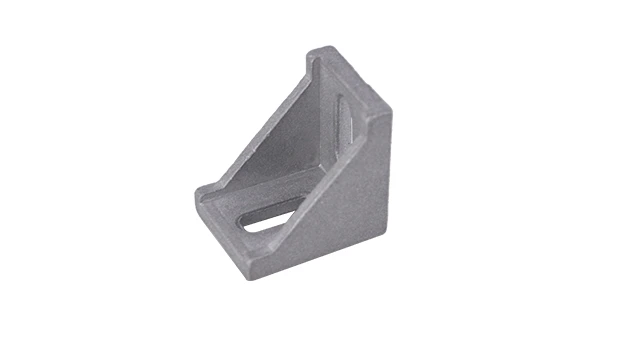
Gusset ALP 3030
The 3030 bracket/Gusset is an external fastening method that creates a 90 degree connection. 3030 means this size is used for 30 series aluminum profile with a quick connection by bolt and nut.
In the fast-paced world of modern manufacturing, warehousing, and logistics, the ability to adapt quickly isn't just a luxury—it's a necessity. Imagine a factory floor where production lines shift overnight, a warehouse where inventory flows in and out by the hour, or a workshop where teams need to reconfigure their space to tackle new projects at a moment's notice. At the heart of this flexibility lies a quiet hero: the mobile workstation. But what makes a mobile workstation truly reliable? It's not just about wheels and a flat surface. It's about the strength to carry heavy loads, the agility to move smoothly, and the durability to withstand the chaos of daily operations. Enter the Gusset Alp 3030 —a small but mighty component that transforms ordinary aluminum profiles into workstations that don't just move, but perform .
The Rise of Mobile Workstations in Lean Systems
Lean manufacturing isn't just a buzzword; it's a philosophy built on eliminating waste, optimizing flow, and empowering teams to work smarter. Central to this is the idea that work should come to the worker, not the other way around. Mobile workstations embody this principle perfectly. They're the unsung workhorses of lean systems: think rolling workbenches that glide alongside assembly lines, turnover trolleys that ferry materials from storage to production, and material racks that adjust to shifting inventory needs. But here's the catch: mobility often comes with a trade-off. Lightweight structures can feel flimsy, while heavy-duty setups become cumbersome to move. This is where the right components make all the difference—and why the Gusset Alp 3030 has become a cornerstone of effective lean solutions.
Consider a typical scenario in an electronics factory. Workers assemble delicate circuit boards on ESD workstations, which must stay stable to avoid damaging components. But when a new product line launches, those workstations need to shift to a different area of the floor. A wobbly workstation risks not just product defects but also worker frustration. This is where stability meets mobility, and it's exactly where the Gusset Alp 3030 shines. By reinforcing the connections between aluminum profiles, it ensures that even when a workstation is on the move, its structure remains rock-solid.
What Is Gusset Alp 3030, Anyway?
Let's break it down. If aluminum profiles are the "bones" of a mobile workstation, gussets are the "ligaments" that hold those bones together. The Gusset Alp 3030 is a specialized aluminum accessory designed specifically for 3030 aluminum profiles—the workhorses of modular systems. 3030 profiles get their name from their dimensions: 30mm by 30mm, a sweet spot that balances strength and versatility for most light-to-medium-duty applications. The Gusset Alp 3030 is a small, angular plate (usually L-shaped or T-shaped) that fits snugly into the T-slots of these profiles, reinforcing the joints where two or more profiles meet.
But it's not just a metal plate. Crafted from high-grade aluminum alloy (often 6063-T5, a material prized for its strength-to-weight ratio), the Gusset Alp 3030 is engineered for precision. Its edges are deburred to avoid snags, its holes are pre-drilled to align perfectly with 3030 profile slots, and its finish is anodized to resist corrosion. Unlike clunky steel brackets or flimsy plastic fasteners, it adds strength without adding bulk—critical for keeping mobile workstations lightweight enough to maneuver.
Fun Fact: The "Alp" in Gusset Alp 3030 stands for "Aluminum Profile," a nod to its seamless integration with the modular aluminum systems that dominate modern industrial setups. It's a small detail, but it speaks to the intentional design: this isn't a one-size-fits-all part—it's built to work with your existing aluminum infrastructure.

Key Features That Make Gusset Alp 3030 Indispensable
To understand why the Gusset Alp 3030 has become a favorite among manufacturers and facility managers, let's dive into its standout features. These aren't just specs on a datasheet—they're the reasons it solves real-world problems.
1. Lightweight Strength
Aluminum is already lighter than steel, but the Gusset Alp 3030 takes this further. Weighing in at just 85 grams per unit (about the weight of a small apple), it adds minimal heft to a workstation. Yet, don't let its lightness fool you: each gusset can withstand a shear force of up to 250 kg—enough to keep a fully loaded material rack (think 3 rows, 3 floors, stacked with parts) stable even when rolled over uneven factory floors.
2. Precision Fit for 3030 Profiles
There's nothing more frustrating than parts that "almost" fit. The Gusset Alp 3030 is machined to tight tolerances, with tabs that slide into the T-slots of 3030 profiles like a key into a lock. This precision ensures that stress is distributed evenly across the joint, reducing the risk of cracks or warping over time. Whether you're building a simple workbench or a complex turnover trolley, you won't waste time filing down edges or jerry-rigging connections.
3. No Welding, No Hassle
Traditional metal structures rely on welding to join parts—a time-consuming, skill-intensive process that makes reconfiguration nearly impossible. The Gusset Alp 3030, however, uses T-slot bolts and nuts (another common aluminum profile accessory) to attach. Simply slide the gusset into place, insert the bolt through the slot, tighten the nut with a hex key, and you're done. This "tool-less" assembly (okay, you need a hex key, but it's still way easier than welding) means teams can build, modify, or repair workstations in minutes, not hours.
4. Corrosion Resistance for Tough Environments
Factories aren't always clean, dry places. From oil spills in automotive shops to humidity in food processing plants, workstations face harsh conditions. The Gusset Alp 3030's anodized finish creates a protective oxide layer that resists rust, scratches, and chemical damage. Compare that to uncoated steel brackets, which can start rusting after a single spill, and it's clear why aluminum gussets are the choice for long-term durability.
5. Compatibility with the Lean Ecosystem
A workstation is more than just profiles and gussets—it's a system. The Gusset Alp 3030 plays well with others, seamlessly integrating with casters (like the 360° swivel expanding stem casters with brake), roller tracks (such as the 40 steel roller track with yellow wheels), and even ESD accessories (critical for electronics workstations). This compatibility means you can build a fully customized setup: a mobile workbench with a roller track top for easy material flow, casters for mobility, and Gusset Alp 3030 reinforcements at every joint.

Why Lean Systems Can't Afford to Skip Gusset Alp 3030
Lean manufacturing is all about eliminating waste—whether that's time, materials, or unnecessary effort. The Gusset Alp 3030 aligns with this mission in ways that might not be obvious at first glance, but add up to significant savings over time.
Waste Reduction: Durability That Cuts Replacement Costs
A workstation with weak joints won't last long. Loose connections lead to wobbling, which leads to damaged parts, which leads to replacing the entire workstation. The Gusset Alp 3030 prevents this domino effect by strengthening joints, extending the lifespan of your mobile setups by 3–5 years (based on industry data). For a facility with 50 workstations, that's tens of thousands of dollars saved on replacements.
Flexibility: Adapt Fast Without Rebuilding
In lean systems, "setup time" is the enemy. When a new order comes in, you need to reconfigure workstations quickly. The Gusset Alp 3030 makes this easy. Since it's bolted (not welded) into place, you can disassemble a workstation, reposition the profiles, and reattach the gussets in under an hour. Compare that to steel brackets, which often need to be cut or welded anew—wasting hours of labor.
Safety: Stability That Protects Workers and Products
A wobbly workstation isn't just inefficient—it's dangerous. Tools slide off, parts topple, and workers strain to stabilize heavy loads. The Gusset Alp 3030 reduces these risks by ensuring that even when a workstation is loaded to capacity (say, a material rack B with 3 rows and 3 floors stacked with components), it remains steady. Fewer accidents mean fewer downtime, lower insurance costs, and a happier, more productive team.
Real-World Applications: Where Gusset Alp 3030 Makes a Difference
Talk is cheap—let's look at how the Gusset Alp 3030 performs in the wild. Here are three industries where it's become a game-changer:
Automotive Manufacturing: Assembly Lines on the Move
Automotive plants are a symphony of movement. Cars move down the line, and workers need tools and parts right where they need them. Mobile workstations (often called "kitting carts") carry everything from bolts to wiring harnesses, following the assembly line. These carts need to be light enough for one person to push, but strong enough to hold 100+ kg of parts. A leading auto parts supplier in Michigan recently switched to Gusset Alp 3030-reinforced carts and reported a 22% reduction in cart-related downtime—mostly due to fewer loose joints and broken brackets.
Electronics: ESD Workstations That Stay Stable
Electronics manufacturing demands precision. ESD workstations (designed to prevent static electricity from damaging sensitive components) must remain stable to avoid jostling circuit boards. A manufacturer in Taiwan, which produces smartphone motherboards, was struggling with wobbly workstations causing micro-cracks in chips. After adding Gusset Alp 3030 to the joints of their aluminum frame workstations, defect rates dropped by 18%. The gussets ensured that even when workers leaned on the bench or moved it to a new station, the surface stayed level.
Warehousing: Turnover Trolleys That Keep Up with Demand
Warehouses live and die by speed. Turnover trolleys—used to move pallets, boxes, and bins—need to be tough enough to handle daily use but light enough to zip through narrow aisles. A logistics company in Germany, which manages over 10,000 sq. meters of warehouse space, replaced their steel-bracketed trolleys with aluminum ones reinforced with Gusset Alp 3030. The result? Trolleys that were 30% lighter (easier for staff to push) and 50% more durable (fewer breakdowns during peak shipping seasons).
Gusset Alp 3030 vs. the Competition: A Clear Winner
You might be thinking, "Can't I just use a cheaper bracket or a different gusset?" Let's put that to the test. Below is a comparison of Gusset Alp 3030 with two common alternatives: steel L-brackets and plastic corner connectors.
| Feature | Gusset Alp 3030 | Steel L-Bracket | Plastic Corner Connector |
|---|---|---|---|
| Material | Aluminum Alloy (6063-T5) | Mild Steel | ABS Plastic |
| Weight (per unit) | 85g | 240g | 45g |
| Max Load Capacity | 250 kg (shear force) | 300 kg (shear force) | 80 kg (shear force) |
| Corrosion Resistance | High (anodized finish) | Low (prone to rust without coating) | Medium (resists moisture, but UV-sensitive) |
| Installation Time | 5 minutes (bolt-on, no welding) | 15+ minutes (may require welding) | 3 minutes (snap-on, but loose over time) |
| Cost (per unit, USD) | $4.50 | $3.20 | $1.80 |
| Longevity (avg. lifespan) | 7–10 years | 5–7 years (with coating) | 1–2 years (prone to cracking) |
At first glance, steel brackets are cheaper upfront, and plastic connectors are lighter. But when you factor in longevity, weight (which affects workstation mobility), and load capacity, the Gusset Alp 3030 is the clear value winner. Over 10 years, the cost of replacing plastic connectors every 2 years or re-coating steel brackets every 3 years far outpaces the initial investment in aluminum gussets.
Installing Gusset Alp 3030: It's Easier Than You Think
You don't need to be a master mechanic to install Gusset Alp 3030. Here's a step-by-step guide to reinforcing a simple mobile workstation (say, a single-deck workbench without casters, or "Workbench E" in industry terms):
Tools You'll Need:
- Hex key set (2.5mm and 3mm, typically included with aluminum profile accessories)
- T-slot bolts (M5 or M6, depending on your 3030 profile's slot size)
- Flange nuts (to secure the bolts)
- Rubber mallet (for gently tapping profiles into alignment)
Step 1: Align Your Aluminum Profiles
Lay out your 3030 profiles in the desired shape (e.g., a rectangle for a workbench frame). Use the rubber mallet to tap joints into place—they should fit snugly but not forcefully.
Step 2: insert the Gusset Alp 3030
Slide the Gusset Alp 3030 into the T-slots at the joint where two profiles meet. The gusset should lie flat against both profiles; if it's crooked, double-check that your profiles are aligned.
Step 3: Secure with T-Slot Bolts
insert a T-slot bolt into the slot of one profile, passing through the pre-drilled hole in the gusset. Thread a flange nut onto the bolt and tighten with the hex key until snug (about 2–3 Nm of torque—you want it tight, but not so tight you strip the threads).
Step 4: Repeat and Test
Repeat for all joints (most workbench frames have 4 corners, so you'll need 4 gussets). Once installed, give the workstation a gentle shake—if it wobbles, check that all bolts are tight. You're done!
Pro tip: For extra stability in high-load setups (like material rack B with 3 rows and 3 floors), add a second Gusset Alp 3030 to each joint. This "double reinforcement" distributes weight even more evenly.
The Future of Mobile Workstations: Gusset Alp 3030 and Beyond
As manufacturing and logistics evolve—with trends like Industry 4.0, automation, and "lights-out" factories—mobile workstations are becoming smarter. They're getting sensors to track usage, IoT connectivity to send maintenance alerts, and even autonomous wheels to move themselves. But none of this matters if the workstation's frame can't keep up. The Gusset Alp 3030 is poised to play a key role in this future.
For example, imagine a "smart" turnover trolley equipped with weight sensors to prevent overloading. If the frame isn't reinforced with something like Gusset Alp 3030, the added weight of sensors and batteries could compromise stability. Or consider collaborative robots (cobots) that work alongside mobile workstations—they need a steady platform to operate safely. The Gusset Alp 3030 ensures that even as workstations get more advanced, their core structure remains reliable.
Sustainability is another trend driving change. Aluminum is 100% recyclable, and the Gusset Alp 3030's long lifespan means less waste in landfills. As companies aim for net-zero goals, choosing durable, recyclable components like this becomes more than a practical decision—it's a statement about values.
Final Thoughts: Why Gusset Alp 3030 Isn't Just a Part—It's a Partnership
Mobile workstations are the backbone of flexible, lean operations. They keep teams moving, reduce waste, and adapt to the unexpected. But without the right reinforcements, they're just a collection of aluminum profiles waiting to wobble. The Gusset Alp 3030 changes that. It's a small part with a big job: turning flimsy frames into reliable workhorses, and keeping your operations running smoothly—no matter how fast things change.
So, the next time you see a mobile workstation gliding across a factory floor, take a closer look at the joints. Chances are, there's a Gusset Alp 3030 holding it all together. And that's not just engineering—that's the difference between a workstation that exists and one that performs .