- Company Articles
- Products and Technology
- Product knowledge
- Lightweight vs. Heavy Duty Flat Swivel Castor Wheels: Which to Pick?

Lightweight vs. Heavy Duty Flat Swivel Castor Wheels: Which to Pick?
Related Product
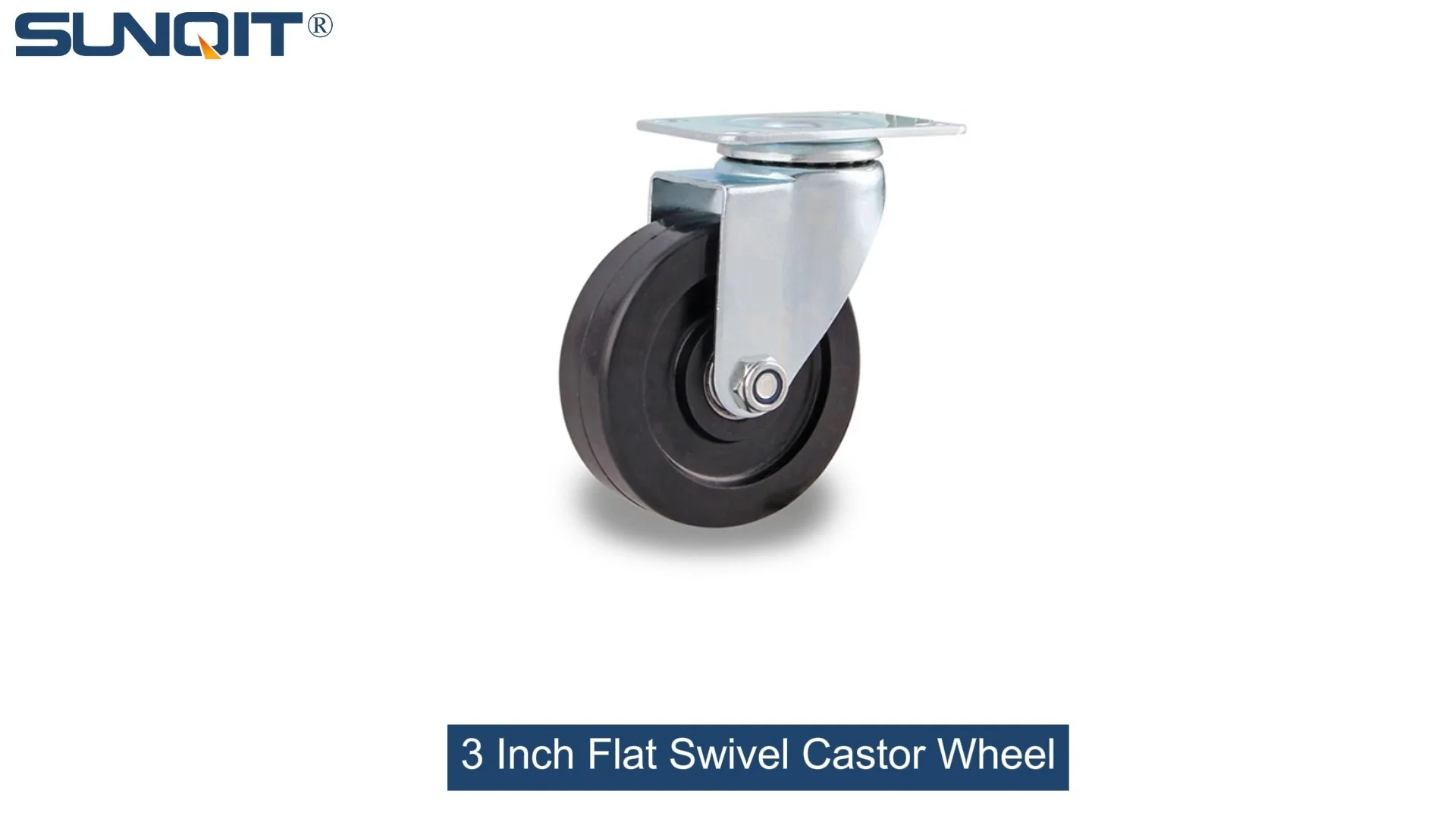
Flat Swivel Castor Wheel
Chair Casters Ball Bearing Wheels Rubber Base. Resistant to abrasion, impact and corrosion. Heavy payload can hold 70-90Kgs per pcs,which can make it works at a stable and smooth status.
Every day, in workshops, warehouses, hospitals, and offices around the world, a quiet hero keeps operations moving: the castor wheel. From the cart that delivers medical supplies to a patient's bedside to the workbench that glides across a factory floor, the right castor wheel can turn a tedious task into a seamless one. But not all castors are created equal. When it comes to flat swivel castor wheels—those versatile, 360-degree rotating workhorses—the choice between lightweight and heavy duty models can make or break efficiency, safety, and long-term cost-effectiveness. Let's dive into what sets these two types apart, how to identify which one fits your needs, and why getting this decision right matters more than you might think.
What Are Flat Swivel Castor Wheels, Anyway?
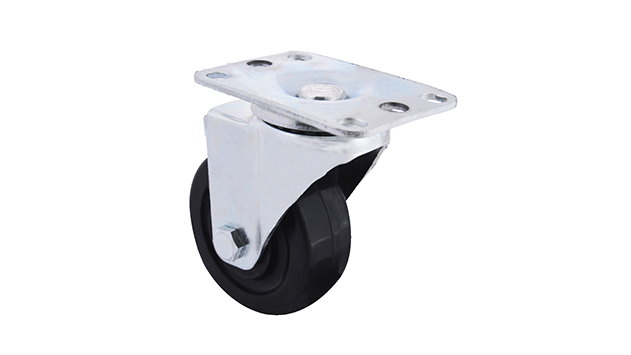
Before we compare lightweight and heavy duty options, let's get clear on the basics. A flat swivel castor wheel is a wheel assembly mounted on a swivel plate, allowing it to rotate 360 degrees. The "flat" design refers to the base plate, which sits flush against the equipment it's attached to—think workbenches, trolleys, or racks. This design distributes weight evenly, reduces wobbling, and makes installation straightforward, whether you're retrofitting an old cart or building a new one from scratch.
Swivel castors are prized for maneuverability. Unlike rigid castors (which only roll forward and backward), swivel models let you navigate tight corners, pivot in place, and change direction with minimal effort. This flexibility is why they're a staple in environments where agility matters—like busy warehouses or crowded hospital corridors.
Lightweight Flat Swivel Castor Wheels: The Agile Contenders
Defining "Lightweight"
Lightweight flat swivel castor wheels are built for tasks where load capacity takes a backseat to ease of movement and cost. Typically, they're rated to handle loads between 50 and 200 pounds per wheel, though some high-end models might push to 300 pounds. Their "lightweight" label comes from both their load capacity and their construction: manufacturers often use materials like high-grade plastic (nylon, polypropylene), aluminum, or even rubber to keep weight down.
Materials That Matter
Plastic wheels are a common choice here. Nylon, for example, offers a smooth roll, resists chemicals and corrosion, and works well on hard floors like tile or concrete. Polypropylene is even lighter and more affordable, making it ideal for indoor use where loads are minimal. Aluminum wheels add a bit more durability without much extra weight, often paired with rubber treads to reduce noise and protect delicate floors (think hospital rooms or office spaces).
Where They Shine: Applications
Lightweight castors thrive in environments where precision and ease of movement are key. Here are a few scenarios where they're the go-to choice:
- Medical and Lab Equipment: Carts carrying medications, lab samples, or small medical devices need to glide quietly and smoothly. Lightweight castors with rubber treads prevent noise and won't scratch hospital floors.
- Office and Retail: Mobile workstations, display racks, or storage carts in offices or stores often use lightweight castors. They're easy for staff to move without straining, even when fully loaded with documents or merchandise.
- Light Workbenches: In electronics assembly or small-scale manufacturing, workbenches might need to shift positions occasionally. A lightweight castor wheel lets workers reconfigure their space quickly without heavy lifting.
- Home Use: DIY projects, rolling shelves, or portable kitchen islands—lightweight castors make these household items functional and easy to move.
Pros and Cons
Pros:
- Easy Maneuverability: Their low weight and smooth roll mean even a single person can move a loaded cart with minimal effort.
- Cost-Effective: Lightweight materials and simpler designs make these castors budget-friendly, perfect for small businesses or home projects.
- Corrosion and Chemical Resistance: Plastic and aluminum options stand up to spills, moisture, and harsh cleaning agents—critical in labs or food prep areas.
- Floor-Friendly: Soft treads (like rubber) or smooth plastic reduce the risk of scuffing or damaging floors, a big plus in high-traffic indoor spaces.
Cons:
- Limited Load Capacity: Exceeding the weight limit can bend the swivel plate, crack the wheel, or cause the castor to lock up—safety hazards you can't ignore.
- Less Durability: Plastic wheels can wear down faster on rough surfaces (like concrete with cracks), and aluminum may dent under repeated heavy impacts.
- Not for Outdoor Use: Rain, mud, or gravel can damage lightweight wheels. They're strictly indoor performers.
Heavy Duty Flat Swivel Castor Wheels: The Workhorses
Defining "Heavy Duty"
Heavy duty flat swivel castor wheels are built for the tough jobs. They typically handle loads from 300 pounds up to 2,000 pounds per wheel (and some industrial models can go even higher). Their construction reflects this strength: steel frames, cast iron wheels, or reinforced rubber are standard. These castors aren't just about weight, though—they're designed to withstand abuse, from rough terrain to constant use in industrial settings.
Materials Built to Last
Steel is the backbone here. Steel swivel plates and frames resist bending under pressure, while cast iron wheels offer unmatched durability. For added traction or floor protection, manufacturers might coat iron wheels with rubber or polyurethane. Polyurethane, in particular, is a favorite for heavy duty use: it's tough enough to handle debris (like nails or gravel) but still rolls smoothly and absorbs shocks.
Where They Dominate: Applications
Heavy duty castors are the backbone of industrial and commercial operations where loads are big and conditions are harsh. Here's where you'll find them:
- Warehousing and Logistics: Pallet jacks, heavy-duty material racks, and shipping carts rely on heavy duty castors to move hundreds of pounds of goods across concrete floors, often over uneven surfaces.
- Manufacturing: Assembly lines, tool carts, and equipment like welding tables need castors that can handle the weight of machinery, raw materials, or finished products without faltering.
- Construction: On job sites, heavy duty castors with pneumatic (air-filled) tires navigate gravel, dirt, and debris, carrying tools,, or even small machinery.
- Automotive Shops: Carts holding engines, transmissions, or heavy tools need castors that can take the weight and resist oil, grease, and solvents.
Pros and Cons
Pros:
- High Load Capacity: The biggest selling point—they can handle the heaviest jobs without breaking a sweat.
- Durability: Steel frames and reinforced wheels stand up to impacts, debris, and harsh chemicals, making them ideal for outdoor or industrial use.
- Stability: Heavier construction means less wobble, even when moving uneven loads. This stability reduces the risk of accidents.
- Long Lifespan: With proper maintenance, heavy duty castors can last for years, even in high-use environments.
Cons:
- Harder to Maneuver: Their weight and sturdiness can make them tough to pivot or turn, especially on smooth floors. You might need two people to move a fully loaded cart.
- Higher Cost: Steel, polyurethane, and reinforced components drive up the price. They're an investment, not a budget buy.
- Potential Floor Damage: Uncoated steel or iron wheels can scratch soft floors like wood or vinyl. Always check the tread material if using indoors.

The Comparison Table: Lightweight vs. Heavy Duty
| Feature | Lightweight Flat Swivel Castor Wheels | Heavy Duty Flat Swivel Castor Wheels |
|---|---|---|
| Load Capacity | 50–300 lbs per wheel | 300–2,000+ lbs per wheel |
| Common Materials | Plastic (nylon, polypropylene), aluminum, rubber | Steel, cast iron, polyurethane, reinforced rubber |
| Best For | Light loads, indoor use, quiet environments | Heavy loads, industrial/outdoor use, rough terrain |
| Maneuverability | Excellent—easy to pivot and roll | Fair—requires more effort to turn |
| Durability | Moderate—good for light, regular use | High—built to withstand abuse and heavy use |
| Cost | Budget-friendly ($10–$50 per wheel) | Premium ($50–$200+ per wheel) |
| Floor Compatibility | Best on smooth, hard floors (tile, concrete, wood) | Works on rough surfaces (gravel, dirt) but may scratch soft floors without tread |

How to Choose: 5 Key Questions to Ask
Still on the fence? Let's break it down with five critical questions to guide your decision:
1. What's the Total Load You Need to Move?
Start here. Calculate the total weight of your cart, equipment, and the items it will carry. Divide that by the number of castors (most carts use 4) to get the per-wheel load. If the result is under 200 pounds, lightweight might work. Over 300 pounds? Heavy duty is a must. Err on the side of caution—overloading a castor is a safety risk.
2. Where Will the Castors Be Used?
Indoor, smooth floors? Lightweight castors with plastic or rubber wheels are fine. Outdoor or rough terrain (gravel, cracks in concrete)? Heavy duty with polyurethane or pneumatic tires will hold up better. Also, consider floor protection: if you're moving the cart over wood or vinyl, avoid uncoated steel wheels.
3. How Often Will They Move?
Daily, heavy use (like a warehouse cart making 50 trips a day) demands heavy duty durability. Occasional use (a home project cart rolled out once a month) can get by with lightweight models.
4. Who Will Be Moving Them?
If your team includes people of all physical abilities, lightweight castors reduce strain and injury risk. Heavy duty castors might require more strength, so factor in your workforce's capacity.
5. What's Your Budget?
Lightweight castors save money upfront, but if you skimp on quality, you might end up replacing them sooner. Heavy duty castors cost more initially but last longer—they're often the better value for high-use environments.
Caster Accessories: The Unsung Heroes
Whichever type you choose, don't overlook caster accessories—small add-ons that can boost performance and extend lifespan. For lightweight castors, brake mechanisms (like side locks or total-lock brakes) prevent carts from rolling away on sloped floors. For heavy duty models, shock-absorbing mounts reduce vibration when moving over rough terrain, protecting both the castor and the load. Other useful accessories include replacement wheels (keep spares on hand!), swivel bearing lubricants, and floor protectors (like rubber mats) for heavy duty use on delicate surfaces.
Final Thoughts: It's About Balance
At the end of the day, choosing between lightweight and heavy duty flat swivel castor wheels isn't about picking "the best"—it's about picking what's best for your needs. A medical clinic might swear by lightweight castors for their quiet, smooth roll, while a construction site wouldn't dream of using anything but heavy duty. By weighing load capacity, environment, and usage frequency, you can find the castor that keeps your operations moving—literally and figuratively.
And remember: quality matters. Whether you go light or heavy, invest in a reputable caster wheel supplier. Cheap, poorly made castors will cost you more in repairs, replacements, and downtime than a slightly pricier, reliable model. Your team, your equipment, and your bottom line will thank you.