- Company Articles
- Products and Technology
- Product knowledge
- Load-Bearing Capacity of 1.0mm Stainless Steel Pipe in Workbench E Construction

Load-Bearing Capacity of 1.0mm Stainless Steel Pipe in Workbench E Construction
Related Product
1.0mm Stainless Steel Pipe
Stainless steel pipe, lean pipe, diameter is 28mm, material is SS201 or SS304, SS201 is normally used in the market. It knows a KARAKURI, KAIZEN material for industrial plant to improve efficiency, save labor cost, standard management.
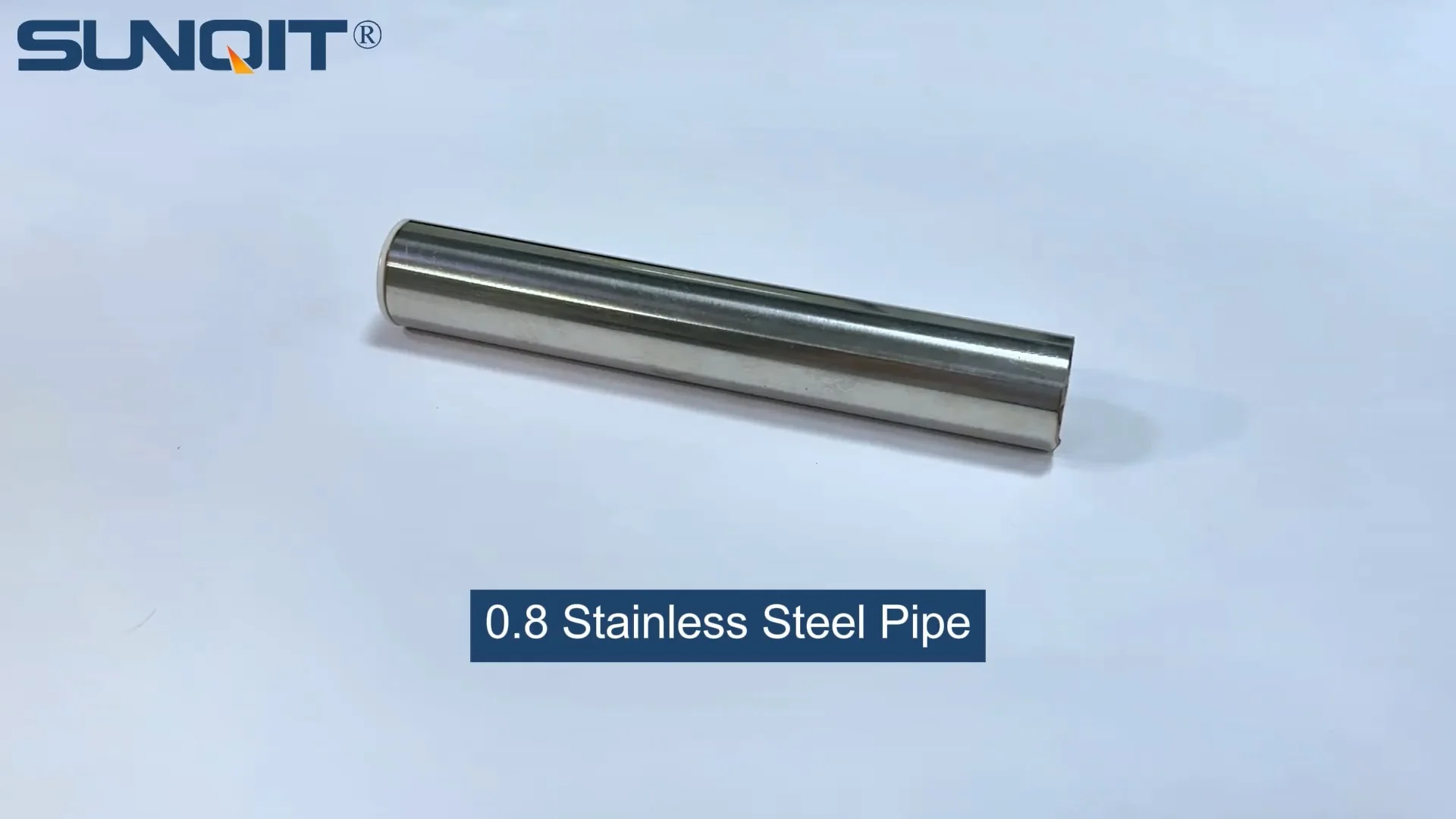
Walk into any busy manufacturing facility, and you'll notice the unsung heroes keeping operations running smoothly: workbenches. These sturdy surfaces are where assembly lines hum, tools are organized, and products take shape. But not all workbenches are created equal. When it comes to durability, especially under heavy daily use, the materials that go into their construction matter more than you might think. Today, we're zeroing in on a specific star player in this space: the 1.0mm stainless steel pipe, and how it holds up as a core component in Workbench E— a single-deck, caster-free workbench designed for stability and reliability in industrial settings.
If you've ever worked with a flimsy workbench, you know the frustration: a slight nudge causes it to wobble, tools slide off, and over time, the structure bends under the weight of equipment. That's why load-bearing capacity isn't just a technical spec—it's the backbone of productivity and safety. For Workbench E, which lacks casters (unlike mobile workbenches), the stationary design means it's meant to bear consistent, often heavy loads without shifting. And at the heart of that stability? The 1.0mm stainless steel pipe series, chosen for its strength, corrosion resistance, and adaptability.
Understanding Workbench E: Design and Purpose
Before diving into the load-bearing specifics, let's get to know Workbench E. Unlike turnover trolleys or mobile racks that prioritize mobility, Workbench E is a fixed workstation—think of it as the "anchor" of a production line. Its design is straightforward but intentional: a single deck (no extra shelves) without casters, which means all its weight and the weight of whatever's placed on it rests directly on its frame. This simplicity is a strength, but it also puts extra pressure on the materials used, especially the pipes that form its skeleton.
In manufacturing, where precision matters, a stable workbench isn't a luxury—it's a necessity. Imagine assembling delicate electronic components on a wobbly surface, or placing heavy machinery parts on a bench that sags under the weight. Not only does this slow down production, but it also increases the risk of errors or accidents. Workbench E is built to avoid these issues, and a key part of that reliability comes from its frame, often constructed using 1.0mm stainless steel pipe from the stainless steel pipe series. But why this specific pipe, and how much weight can it actually handle?
The Role of 1.0mm Stainless Steel Pipe in Load-Bearing
At first glance, 1.0mm might seem thin—after all, some industrial pipes are thicker, like 1.2mm or 2.0mm variants. But stainless steel's inherent strength means that even a 1.0mm wall thickness can punch above its weight, especially when paired with the right joints and structural design. In Workbench E, the stainless steel pipe isn't just a passive component; it's the primary load-bearing element, supporting the deck, tools, materials, and even the occasional operator leaning on it.
To understand its role, think of the workbench frame as a grid. Vertical pipes act as legs, while horizontal pipes connect them, forming a rectangle that distributes weight evenly. The 1.0mm stainless steel pipe's job is to resist bending, twisting, or compressing under load. This resistance is measured in terms of tensile strength (how much pulling force it can take) and compressive strength (how much pushing force it can handle). Stainless steel, known for its high tensile strength (typically around 500-700 MPa for 304 grade), excels here, making it a reliable choice for static structures like Workbench E.

Material Science: Why Stainless Steel?
Stainless steel isn't the only option for workbench frames. You might also encounter aluminum pipe or PE coated lean pipe, which are popular in lean manufacturing setups. But when it comes to raw load-bearing capacity and durability, stainless steel has distinct advantages—especially in environments where moisture, chemicals, or heavy use are common.
First, corrosion resistance. Manufacturing floors can be messy: oil spills, water, cleaning agents, and even humidity can take a toll on metal over time. Stainless steel contains chromium, which forms a protective oxide layer on its surface, preventing rust and degradation. This means a 1.0mm stainless steel pipe will maintain its structural integrity longer than, say, a plain steel pipe, even in damp conditions. For Workbench E, which is meant to be a long-term fixture, this longevity is critical.
Second, strength-to-weight ratio. While aluminum is lighter, it's also softer and more prone to bending under heavy loads. A 1.0mm aluminum pipe might weigh less, but it can't match the load capacity of a stainless steel pipe of the same thickness. PE coated lean pipe, often used in lean systems for its flexibility, has a steel core coated in plastic, but the coating adds minimal structural strength. For static workbenches where maximum stability is key, stainless steel's rigidity and strength make it the better choice.
| Material | Pipe Thickness | Approx. Max Load (per linear meter) | Corrosion Resistance |
|---|---|---|---|
| 1.0mm Stainless Steel (304 Grade) | 1.0mm | 150-200 kg | High (resists rust, chemicals) |
| 1.2mm PE Coated Lean Pipe | 1.2mm (steel core) | 120-160 kg | Moderate (coating can chip) |
| 1.0mm Aluminum Pipe | 1.0mm | 80-120 kg | High (but softer, prone to dents) |
The table above highlights why 1.0mm stainless steel pipe stands out for load-bearing in Workbench E. Even with a slightly thinner wall than PE coated lean pipe, its higher max load capacity and superior corrosion resistance make it a smarter investment for heavy-duty, long-term use.

Testing Load-Bearing Capacity: Methods and Standards
Claims about load-bearing are only meaningful if they're backed by rigorous testing. Manufacturers of Workbench E and stainless steel pipe series components don't just guess at how much weight the pipe can handle—they put it through standardized tests to ensure safety and reliability.
One common test is the "static load test," where a gradually increasing weight is placed on the workbench deck to see when deflection (bending) occurs. For a well-designed Workbench E using 1.0mm stainless steel pipe, the deflection should be minimal—typically less than 2mm under a load of 200-300 kg, which is well within industry standards for industrial workbenches. Beyond that, manufacturers also test for "failure load," the point at which the pipe bends permanently or the joints give way. This is usually much higher than the recommended working load (often 2-3 times higher), providing a safety margin.
Another factor is the pipe's diameter. Most stainless steel pipes used in workbenches are 28mm or 30mm in outer diameter, which, combined with the 1.0mm wall thickness, creates a balance between strength and weight. A larger diameter would increase load capacity but add unnecessary bulk, while a smaller diameter might not distribute weight as evenly. Workbench E's design teams carefully calculate this balance to ensure the frame can handle typical industrial loads without being overbuilt.
Real-World Performance: Case Studies
To put this in perspective, let's look at a real-world example. A mid-sized electronics manufacturer in Ohio switched to Workbench E with 1.0mm stainless steel pipe frames in their assembly line. They needed workbenches that could support circuit board testing equipment (around 150 kg per bench), plus tools, bins of components, and occasional operator use. After six months of daily use, the workbenches showed no signs of sagging or structural wear. The maintenance team noted that the stainless steel pipes had resisted the oil and cleaning solvents used on the factory floor, unlike their previous aluminum pipe benches, which had started to corrode in spots.
Another case comes from a automotive parts supplier in Texas. They use Workbench E for assembling heavy metal brackets, with each bench holding up to 250 kg of materials at any given time. The 1.0mm stainless steel frame has held up for over three years, with only minor scratches to the surface—no bending, no loose joints. As the plant manager put it: "We used to replace workbenches every two years because the frames would warp. With these stainless steel ones, we're expecting them to last five years or more. It's saved us a lot in replacement costs."
Accessories That Enhance Load-Bearing
While the 1.0mm stainless steel pipe is the star, it doesn't work alone. The joints, connectors, and deck material all play a role in maximizing load-bearing capacity. Workbench E often uses heavy-duty stainless steel lean pipe joints, which are designed to lock the pipes together securely, preventing wobble or shifting. These joints are typically made from die-cast zinc or stainless steel, with a clamping mechanism that tightens around the pipe, distributing stress evenly.
The deck material matters too. Most Workbench E models use a plywood or metal top, but some opt for aluminum honeycomb panels, which are lightweight but strong. The deck is attached to the frame using brackets that bolt into the stainless steel pipes, ensuring that the weight on the deck is transferred directly to the frame without weak points. Even small details, like gusset plates (triangular brackets) at the corners of the frame, can increase rigidity by preventing the joints from flexing under load.
Maintenance Tips for Long-Term Durability
A 1.0mm stainless steel pipe is durable, but it still needs care to maintain its load-bearing capacity over time. Here are a few simple maintenance tips for Workbench E owners:
- Keep it clean: Wipe down the stainless steel pipes regularly to remove oil, grease, or chemicals, which can degrade the protective oxide layer over time. A mild detergent and soft cloth work best—avoid abrasive cleaners that scratch the surface.
- Tighten joints annually: Even the best lean pipe joints can loosen slightly with vibration from daily use. A quick check with a wrench to tighten any loose bolts will prevent unnecessary stress on the pipes.
- Avoid overloading: While the pipe can handle more than the recommended load, consistently exceeding the working limit (usually 300-400 kg for Workbench E) will shorten its lifespan. Posting load limits near the workbench is a good reminder for operators.
- Address damage promptly: If a pipe gets dented or bent (e.g., from a dropped tool), replace it immediately. A damaged pipe has reduced load capacity and can throw off the frame's balance.
Conclusion: Why 1.0mm Stainless Steel Pipe is a Smart Choice for Workbench E
When it comes to building a workbench that balances strength, durability, and cost-effectiveness, 1.0mm stainless steel pipe from the stainless steel pipe series is hard to beat. For Workbench E, a stationary, single-deck workstation designed for heavy daily use, this material checks all the boxes: high load-bearing capacity, resistance to corrosion and wear, and compatibility with sturdy joints and accessories.
Whether you're running a small workshop or a large manufacturing plant, the right workbench can make a world of difference in productivity and safety. Workbench E, with its 1.0mm stainless steel pipe frame, isn't just a piece of equipment—it's an investment in reliability. So the next time you're evaluating workbenches, remember: it's not just about the surface you see, but the strength of the pipes holding it all together. And when those pipes are 1.0mm stainless steel, you can trust they'll keep your operations running smoothly for years to come.