- Company Articles
- Products and Technology
- Product knowledge
- Load Capacity of Aluminum Pipe Clamps: What You Need to Understand

Load Capacity of Aluminum Pipe Clamps: What You Need to Understand
Related Product
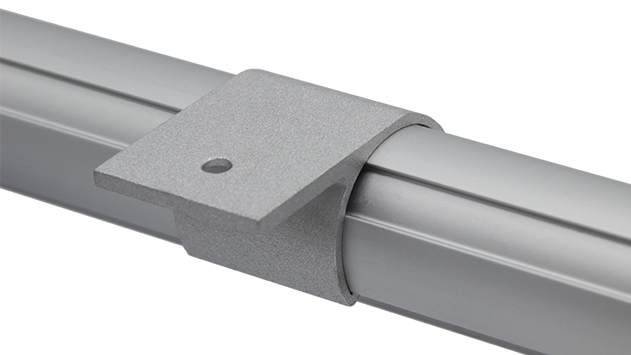
Aluminum Pipe Clamp
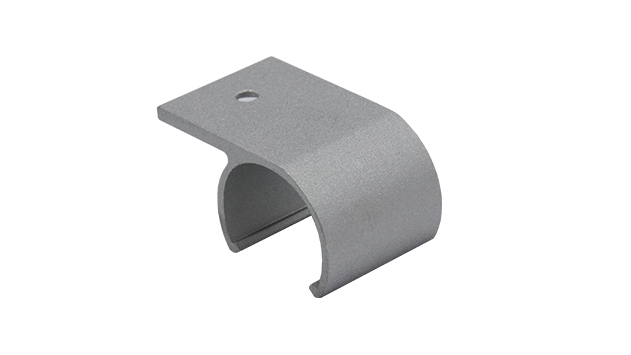
Aluminum pipe side clamp used for 28mm aluminum pipe connect with table top, or other accessories.

Walk into any modern factory, workshop, or production line, and you'll notice a silent workhorse holding everything together—aluminum pipe clamps. These unassuming components might not grab headlines, but they're the backbone of efficient workflows, sturdy workbenches, and reliable material handling systems. Whether you're setting up a lean manufacturing cell, assembling a conveyor track, or building a heavy-duty material rack, understanding the load capacity of your aluminum pipe clamps isn't just a technical detail—it's the difference between a system that hums along smoothly and one that risks costly downtime (or worse, safety hazards).
In this guide, we're diving deep into the world of aluminum pipe clamps. We'll break down what makes them tick, why load capacity matters, and how to choose the right clamp for your project. Along the way, we'll cover everything from material science to real-world applications, so by the end, you'll feel confident selecting, installing, and maintaining clamps that keep your operations running strong. Let's start by getting to know these essential tools.
What Are Aluminum Pipe Clamps, Anyway?
At their core, aluminum pipe clamps are mechanical fasteners designed to secure aluminum pipes (or tubes) to each other, to other structures, or to surfaces like workbenches or conveyor frames. Think of them as the "glue" of lean systems—without them, your aluminum pipe and aluminum lean pipe setups would quickly fall apart. But they're more than just simple connectors; they're engineered to balance strength, flexibility, and ease of use, which is why they're a staple in industries from automotive manufacturing to electronics assembly.
Most aluminum pipe clamps are part of a broader ecosystem of aluminum pipe accessories, which includes everything from connectors and joints to end caps and mounting brackets. This ecosystem is what makes aluminum pipe systems so versatile: you can mix and match components to build custom workbenches, turnover trolleys, flow racks, or just about any structure your workflow demands. And at the heart of that versatility? The clamp's ability to handle specific loads without bending, breaking, or slipping.
Let's clarify a common term here: when we talk about "aluminum lean pipe," we're referring to lightweight, durable aluminum tubes specifically designed for lean manufacturing systems. These pipes are often paired with lean pipe joints and clamps to create flexible, modular setups that adapt to changing production needs. So, when we discuss aluminum pipe clamps in this context, we're focusing on the components that make these lean systems both strong and adaptable.
The Basics: Materials and Design Features
Not all aluminum pipe clamps are created equal. Their load capacity starts with two key factors: the materials they're made from and their design. Let's break these down.
Materials Matter: Aluminum Alloys and Strength
Aluminum pipe clamps are typically made from high-grade aluminum alloys, often 6061 or 6063. These alloys are chosen for their winning combo of strength, corrosion resistance, and lightweight properties. 6061, for example, is known for its excellent tensile strength (around 310 MPa) and is heat-treatable, making it a popular choice for clamps that need to handle heavier loads. 6063, on the other hand, is more malleable, which is useful for clamps with intricate designs or those that need to be formed into specific shapes.
The thickness of the aluminum in the clamp also plays a role. A clamp with a 2mm wall thickness will generally support more weight than one with a 1mm thickness, assuming all other factors are equal. But thickness isn't everything—how the clamp is designed to distribute weight across the pipe and joint matters just as much.
Design Features: From Simple to Heavy-Duty
Clamp design varies widely based on their intended use. Basic clamps might feature a simple two-piece design with bolts or screws to tighten around the pipe, while heavy-duty versions could include reinforced edges, gussets, or multiple points of contact to spread the load. Some clamps also have rubber or plastic liners to prevent slipping and protect the aluminum pipe from scratches—these liners add grip, which indirectly boosts effective load capacity by reducing the risk of the pipe shifting under weight.
Another design element to watch is the clamp's "grip range"—the diameter of pipes it can secure. Most clamps are adjustable, but using a clamp that's too loose (or too tight) for your pipe size can compromise load capacity. For example, a clamp designed for 28mm pipes might technically fit a 30mm pipe, but the reduced contact area could weaken its hold, leading to failure under heavy loads.
Factors That Affect Load Capacity: It's Not Just About the Clamp
Load capacity isn't a fixed number stamped on a clamp. It's a dynamic metric influenced by several factors, some of which are in your control. Let's explore the most critical ones.
1. Material Thickness and Pipe Strength
Even the strongest clamp can't compensate for a weak pipe. If you're using a thin-walled aluminum pipe (say, 1mm thickness) with a heavy-duty clamp rated for 500kg, the pipe itself might bend before the clamp fails. That's why it's crucial to match your clamp's load capacity to the strength of your aluminum pipe. Most manufacturers provide data on pipe tensile strength and bending resistance, so always cross-reference this with your clamp's specs.
2. Joint Type: The Role of Lean Pipe Joints
Aluminum pipe clamps rarely work alone—they're often paired with lean pipe joints to connect pipes at angles or in complex configurations. A 90-degree joint, for example, creates a corner where two pipes meet, and the clamp's load capacity here depends on how well the joint distributes weight. A poorly designed joint might create stress points, reducing the overall system's ability to handle loads. Look for joints with smooth, rounded edges and secure locking mechanisms to minimize stress on the clamp and pipe.
3. Installation: Tightness and Alignment
You could have the best clamp on the market, but if it's installed incorrectly, its load capacity plummets. Over-tightening a clamp can warp the aluminum pipe or strip the clamp's threads, weakening both. Under-tightening? The pipe will slip, and the clamp's effective load capacity drops to zero. Most clamps come with torque specifications (e.g., "tighten to 15 Nm")—follow these religiously. Also, ensure pipes are aligned straight before clamping; a misaligned pipe creates uneven stress, which can cause the clamp to fail under load.
4. Environmental Conditions
Heat, moisture, and chemicals can all affect a clamp's load capacity. Aluminum resists corrosion well, but in high-humidity environments (like food processing plants) or areas with exposure to acids, the clamp's surface might degrade over time, weakening its structure. Similarly, extreme heat can soften aluminum alloys, reducing their tensile strength. If your workspace has harsh conditions, opt for clamps with additional coatings (like anodization) or corrosion-resistant finishes to maintain load capacity over time.
Testing Load Capacity: How Manufacturers Determine the Numbers
When a manufacturer says a clamp has a "load capacity of 300kg," how do they arrive at that number? It starts with rigorous testing. Most reputable suppliers follow industry standards, such as ISO 898-2 (for mechanical properties of fasteners) or ASTM F1554 (for anchor bolts), to ensure their clamps meet safety benchmarks. Let's walk through the typical testing process.
Static Load Testing: The Foundation
Static load testing is the most common method. Here, the clamp is mounted to a test rig with a standard aluminum pipe, and a gradually increasing weight is applied until the clamp deforms or fails. The "rated load capacity" is usually set at 50-70% of the failure load to account for safety margins. For example, if a clamp fails at 500kg during testing, its rated capacity might be 300kg—giving you a buffer for unexpected stress or wear.
Dynamic Load Testing: For Moving Applications
If the clamp will be used in dynamic settings (like conveyor systems where loads shift or vibrate), manufacturers perform dynamic load tests. This involves applying cyclic loads (repeatedly adding and removing weight) to simulate real-world movement. Clamps in these applications need to resist fatigue, so the rated capacity might be lower than in static tests to account for the stress of constant motion.
Shear vs. Tensile Strength
Load capacity also depends on the direction of the force. "Shear strength" refers to the clamp's ability to resist forces parallel to the pipe (e.g., a load sliding sideways), while "tensile strength" is its resistance to forces pulling the pipe apart. A clamp might have a high tensile rating but lower shear strength, so always match the test type to your application. For example, a material rack with vertical pipes will rely more on tensile strength, while a roller track with sliding loads needs strong shear resistance.

Aluminum Pipe Clamp Types and Their Load Capacities: A Comparison
To help you visualize how different clamps stack up, here's a comparison table of common aluminum pipe clamp types, their typical load capacities, and best-use scenarios. Remember, these are general guidelines—always check your manufacturer's specs for exact numbers.
| Clamp Type | Material | Static Load Capacity (kg) | Best For | Key Features |
|---|---|---|---|---|
| Standard Adjustable Clamp | 6061 Aluminum | 150-250 | Light workbenches, small material racks | Basic two-piece design, rubber liner for grip |
| Heavy-Duty Reinforced Clamp | 6063 Aluminum (thickened walls) | 300-500 | Industrial workbenches, conveyor frames | Reinforced edges, multiple bolt points |
| ESD-Compliant Clamp | Conductive aluminum alloy | 200-350 | Electronics assembly lines (prevents static damage) | Anti-static coating, secure grounding |
| Swivel Joint Clamp | 6061 Aluminum with steel pins | 100-200 | Adjustable workbenches, rotating material racks | 360° rotation, locking mechanism for angles |
| Parallel Fixation Clamp | 6063 Aluminum | 250-400 | Double-pipe structures (e.g., heavy tool holders) | Secures two parallel pipes, even weight distribution |
*Note: Load capacities assume use with 28mm diameter aluminum lean pipe (1.5mm wall thickness) and proper installation. Capacities may vary with pipe size and material.
Real-World Applications: How Load Capacity Translates to Your Workspace
Let's put this theory into practice. Here are three common scenarios where aluminum pipe clamp load capacity directly impacts your operations—and how to choose the right clamp for each.
Scenario 1: Building a Workbench for Assembly Line Tools
Imagine you're setting up a workbench for an electronics assembly line. The bench will hold tools, circuit boards, and a small testing station—total load around 200kg. You're using aluminum lean pipe for the frame, so you need clamps that can handle this weight without wobbling. A standard adjustable clamp (150-250kg capacity) would work here, but opt for one with a rubber liner to prevent tools from slipping. Pair it with a lean pipe joint at the corners to distribute weight evenly across the frame.
Scenario 2: Conveyor Systems for Heavy Parts
A automotive parts manufacturer needs a roller track conveyor to move engine components (each weighing 50kg) between stations. The conveyor frame uses aluminum pipe, and the clamps must support the weight of the rollers, parts, and the occasional jolt from loading. Here, a heavy-duty reinforced clamp (300-500kg capacity) is non-negotiable. Look for clamps with high shear strength to handle the sliding motion of the parts, and pair them with aluminum guide rails to keep the load centered and reduce stress on the clamps.
Scenario 3: Material Racks for Bulk Storage
A warehouse needs a material rack to store boxes of inventory, with each shelf holding up to 400kg. The rack uses vertical and horizontal aluminum pipes, connected by clamps and lean pipe joints. For the vertical supports, choose parallel fixation clamps (250-400kg capacity) to secure the horizontal shelves to the vertical pipes. Add gusset plates (a type of aluminum pipe accessory) at the joints for extra reinforcement, and ensure the clamps are tightened to the manufacturer's torque specs to prevent shelf sagging.
Choosing the Right Clamp: 5 Questions to Ask
With so many options, how do you pick the perfect clamp for your project? Start by answering these five questions:
- What's the total load? Calculate the maximum weight the clamp will bear, including dynamic forces (like movement or vibration). Add 20-30% to this number for a safety buffer.
- Static or dynamic load? Will the load stay in place (static) or move (dynamic)? Dynamic loads need clamps with higher fatigue resistance.
- What pipe size and material are you using? Match the clamp's grip range to your aluminum pipe diameter, and ensure the pipe's strength complements the clamp's capacity.
- What's the environment like? Corrosive, humid, or high-heat environments require coated or specialized clamps.
- Are there industry standards to follow? Some sectors (like aerospace or medical) have strict safety standards—check if your clamps need certification.
When in doubt, consult your aluminum pipe supplier. Reputable suppliers will have technical teams who can help you match clamps to your load and application, ensuring you don't overspend on a heavy-duty clamp you don't need or risk safety with an underrated one.
Common Mistakes to Avoid
Even with the best intentions, it's easy to make missteps that compromise load capacity. Here are four common mistakes and how to steer clear of them:
Mistake 1: Overlooking the "System" in "System Load"
Many people focus only on the clamp's capacity and forget the entire system. A clamp rated for 400kg won't help if the aluminum pipe it's attached to bends under 300kg. Always view the clamp, pipe, joints, and accessories as a single system, and check that each component can handle the load.
Mistake 2: Using Mismatched Accessories
Mixing and matching aluminum pipe accessories from different brands might seem cost-effective, but it's risky. A clamp from Brand A and a lean pipe joint from Brand B might not fit perfectly, creating gaps or uneven stress that reduces load capacity. Stick to a single supplier's ecosystem when possible, or verify compatibility with technical specs.
Mistake 3: Ignoring Installation Torque
"Tighter is better" is a common myth. Over-tightening clamps can warp the pipe or strip threads, while under-tightening leads to slipping. Invest in a torque wrench and follow the manufacturer's recommended settings—this small step can double the clamp's effective lifespan.
Mistake 4: Skipping Regular Inspections
Clamps wear over time, especially in high-use areas. Loose bolts, bent edges, or cracked liners can all reduce load capacity. Schedule monthly checks: tighten loose fasteners, replace worn liners, and swap out damaged clamps immediately. It's a simple habit that prevents catastrophic failures.
Maintenance Tips to Maximize Load Capacity
With proper care, your aluminum pipe clamps can maintain their load capacity for years. Here are five maintenance tips to keep them in top shape:
- Clean regularly: Wipe clamps with a damp cloth to remove dust, grease, or debris that can cause slipping. For corrosive environments, use a mild detergent to prevent buildup.
- Lubricate moving parts: If your clamps have adjustable components (like swivel joints), apply a small amount of silicone lubricant to keep them moving smoothly without binding.
- Check for signs of wear: Look for bent aluminum, stripped threads, or cracked rubber liners. replace any clamp that shows these issues—don't try to "fix" it with tape or makeshift solutions.
- Re-torque after initial use: Clamps can loosen slightly after the first few load cycles. Re-tighten them to the recommended torque 1-2 weeks after installation to ensure a secure hold.
- Store spare clamps properly: If you keep extra clamps on hand, store them in a dry, cool place to prevent corrosion. Avoid stacking heavy objects on them, as this can warp the metal.
Final Thoughts: Load Capacity as a Foundation for Efficiency
Aluminum pipe clamps might not be the most glamorous part of your workspace, but they're the foundation of safe, efficient operations. By understanding their load capacity—what influences it, how it's tested, and how to choose the right clamp—you're not just preventing accidents; you're building a system that adapts, grows, and supports your team's best work.
Remember, the goal isn't to overengineer with the strongest clamp on the market, but to find the perfect balance between strength, flexibility, and cost. With the right knowledge (and a little help from your supplier), you can select clamps that keep your aluminum pipe and aluminum lean pipe systems running strong for years to come.
So, the next time you're setting up a workbench, conveyor, or material rack, take a moment to appreciate the humble aluminum pipe clamp. It's the quiet hero holding everything together—and now, you know exactly how to make sure it never lets you down.