- Company Articles
- Products and Technology
- Product knowledge
- Load Capacity of Roller Track Placon Mount Center Support Bracket: What You Need to Know

Load Capacity of Roller Track Placon Mount Center Support Bracket: What You Need to Know
Related Product
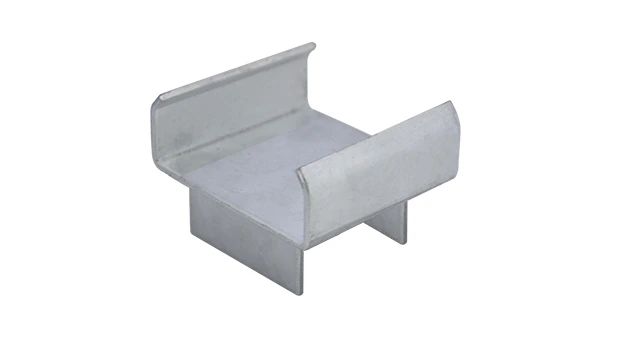
Roller Track Placon Mount Center Support Bracket
Roller track placon mount work as a connector for roller track and pipe or aluminum profile in rack syetem, it is a necessary parts in rack system which widely used in industrial plant and logistic,warehouse storage.
Why Load Capacity Matters More Than You Think
Let's start with the obvious: In any manufacturing or warehouse setup, the last thing you want is a equipment failure. But here's the thing—when we talk about roller tracks, the spotlight usually falls on the rollers themselves or the frame. Rarely do we stop to think about the unsung hero holding it all together: the center support bracket. Specifically, the roller track placon mount center support bracket. This small but mighty component is the backbone of your roller track system, quietly bearing the weight of everything from delicate 3C components to heavy warehouse packages.
Think about a typical day in a 3C assembly plant. Circuit boards, screens, and small parts glide along roller tracks, moving from one workstation to the next. If the center support bracket under those tracks can't handle the load, even a slight imbalance could cause the track to sag. That sagging leads to jams, damaged parts, and suddenly, your entire production line grinds to a halt. Now multiply that by a busy warehouse with pallets of goods—suddenly, a bracket that can't keep up isn't just a minor hiccup; it's a safety risk, a productivity killer, and a budget drain.
So, whether you're setting up a new lean system or upgrading an existing one, understanding the load capacity of your roller track placon mount center support bracket isn't just technical detail—it's the key to keeping your operations smooth, safe, and efficient. Let's dive in.
Think about a typical day in a 3C assembly plant. Circuit boards, screens, and small parts glide along roller tracks, moving from one workstation to the next. If the center support bracket under those tracks can't handle the load, even a slight imbalance could cause the track to sag. That sagging leads to jams, damaged parts, and suddenly, your entire production line grinds to a halt. Now multiply that by a busy warehouse with pallets of goods—suddenly, a bracket that can't keep up isn't just a minor hiccup; it's a safety risk, a productivity killer, and a budget drain.
So, whether you're setting up a new lean system or upgrading an existing one, understanding the load capacity of your roller track placon mount center support bracket isn't just technical detail—it's the key to keeping your operations smooth, safe, and efficient. Let's dive in.
First Things First: What Even Is a Roller Track Placon Mount Center Support Bracket?
Before we get into load capacity, let's make sure we're all on the same page. A roller track placon mount center support bracket is a specialized component designed to anchor the middle section of a roller track to a supporting structure—usually an aluminum profile or a workbench frame. The "placon mount" part refers to its mounting style, which is engineered to fit seamlessly with t-slot aluminum profiles, a common feature in modern lean system setups.
Picture this: Your roller track is like a bridge. The ends are supported by the main frame, but the middle? Without a center support bracket, that's where the track would bend under weight, like a bridge without piers. The bracket acts as that pier, distributing the load evenly across the track and preventing flexing or warping. It's not just about holding weight—it's about maintaining stability, ensuring smooth material flow, and extending the life of your entire roller track system.
These brackets come in various designs, but they all share a common goal: to keep your roller track straight, sturdy, and ready for action. Now, let's talk about what determines how much weight they can handle.
Picture this: Your roller track is like a bridge. The ends are supported by the main frame, but the middle? Without a center support bracket, that's where the track would bend under weight, like a bridge without piers. The bracket acts as that pier, distributing the load evenly across the track and preventing flexing or warping. It's not just about holding weight—it's about maintaining stability, ensuring smooth material flow, and extending the life of your entire roller track system.
These brackets come in various designs, but they all share a common goal: to keep your roller track straight, sturdy, and ready for action. Now, let's talk about what determines how much weight they can handle.

Key Factors That Determine Load Capacity
Load capacity isn't a one-size-fits-all number. It depends on a mix of material, design, and installation choices. Let's break down the big ones:
1. Material: Aluminum vs. Steel—Which Wins?
The material of your bracket is the first line of defense against heavy loads. Most roller track placon mount center support brackets are made from either aluminum or steel, and each has its pros and cons.
Aluminum brackets are lightweight, corrosion-resistant, and perfect for lean systems where flexibility and quick adjustments are key. They're ideal for environments like 3C assembly lines, where the loads are moderate (think small components, boxes under 50kg), and you need to reconfigure your setup frequently. But here's the catch: aluminum isn't as strong as steel. A typical aluminum bracket might handle loads up to 150kg per linear meter, depending on design.
Steel brackets, on the other hand, are the heavyweights. They're denser, stiffer, and built to take a beating. If you're in a warehouse moving pallets of automotive parts or large medical equipment, steel is your go-to. Some heavy-duty steel brackets can handle upwards of 300kg per linear meter. The tradeoff? They're heavier, which makes adjustments trickier, and they're prone to rust if not coated—something to keep in mind if your environment is humid or damp.
To help you compare, here's a quick breakdown:
Aluminum brackets are lightweight, corrosion-resistant, and perfect for lean systems where flexibility and quick adjustments are key. They're ideal for environments like 3C assembly lines, where the loads are moderate (think small components, boxes under 50kg), and you need to reconfigure your setup frequently. But here's the catch: aluminum isn't as strong as steel. A typical aluminum bracket might handle loads up to 150kg per linear meter, depending on design.
Steel brackets, on the other hand, are the heavyweights. They're denser, stiffer, and built to take a beating. If you're in a warehouse moving pallets of automotive parts or large medical equipment, steel is your go-to. Some heavy-duty steel brackets can handle upwards of 300kg per linear meter. The tradeoff? They're heavier, which makes adjustments trickier, and they're prone to rust if not coated—something to keep in mind if your environment is humid or damp.
To help you compare, here's a quick breakdown:
| Material | Typical Load Capacity (per linear meter) | Best For | Pros | Cons |
|---|---|---|---|---|
| Aluminum | 80-150kg | 3C assembly, light, lean workstations | Lightweight, corrosion-resistant, easy to adjust | Lower max load, less rigid for heavy use |
| Steel (coated) | 150-300kg+ | Heavy, automotive parts, large medical equipment | High load capacity, durable, rigid | Heavier, harder to reconfigure, needs rust protection |
2. Design: It's All in the Shape
You could have the strongest material in the world, but if the bracket's design is flawed, it won't matter. The shape and structure of the roller track placon mount center support bracket play a huge role in how it distributes weight. Let's look at two key design features:
Bracket Profile: Most brackets are either L-shaped, U-shaped, or have a reinforced "C" profile. U-shaped brackets, for example, wrap around the roller track, providing support from three sides—this design is great for stability and can handle more weight than a simple L-bracket, which only supports from two sides. Reinforced brackets with gussets (those little triangular pieces of metal at the corners) add extra strength by reducing stress on the joints.
Mounting Points: How the bracket attaches to the supporting frame (usually an aluminum profile) matters too. Placon mount brackets are designed to fit into t-slot profiles, using bolts or clips to secure them. Brackets with multiple mounting points (say, two bolts instead of one) distribute the load more evenly across the profile, reducing the risk of the bracket pulling loose under stress.
For example, a basic L-shaped bracket with a single mounting point might be fine for light loads, but for heavy-duty use, you'll want a U-shaped bracket with reinforced gussets and double mounting points. It's like the difference between a flimsy folding chair and a sturdy office chair—both seat you, but one will collapse if you lean back too far.
Bracket Profile: Most brackets are either L-shaped, U-shaped, or have a reinforced "C" profile. U-shaped brackets, for example, wrap around the roller track, providing support from three sides—this design is great for stability and can handle more weight than a simple L-bracket, which only supports from two sides. Reinforced brackets with gussets (those little triangular pieces of metal at the corners) add extra strength by reducing stress on the joints.
Mounting Points: How the bracket attaches to the supporting frame (usually an aluminum profile) matters too. Placon mount brackets are designed to fit into t-slot profiles, using bolts or clips to secure them. Brackets with multiple mounting points (say, two bolts instead of one) distribute the load more evenly across the profile, reducing the risk of the bracket pulling loose under stress.
For example, a basic L-shaped bracket with a single mounting point might be fine for light loads, but for heavy-duty use, you'll want a U-shaped bracket with reinforced gussets and double mounting points. It's like the difference between a flimsy folding chair and a sturdy office chair—both seat you, but one will collapse if you lean back too far.
3. Installation Spacing: Don't Spread Them Too Thin
Even the best bracket won't perform if it's installed too far apart. Imagine hanging a heavy picture with only one nail in the middle—eventually, the frame will bend. The same logic applies to roller tracks. The distance between your center support brackets (what we call "spacing") directly impacts load capacity.
Most manufacturers recommend spacing brackets no more than 600mm apart for standard loads. If you're moving heavier items (over 100kg per linear meter), you'll want to reduce that spacing to 400mm or even 300mm. Why? Because the more brackets you have, the more evenly the weight is distributed. A track with brackets every 300mm can handle significantly more weight than one with brackets every 800mm, even if the brackets themselves are identical.
Here's a real-world example: A client once came to us with a sagging roller track in their warehouse. They were using heavy-duty steel brackets, but the spacing was 1000mm apart. By simply reducing the spacing to 500mm, they doubled the effective load capacity of their system—no new brackets needed. Moral of the story: Installation spacing is just as important as the bracket itself.
Most manufacturers recommend spacing brackets no more than 600mm apart for standard loads. If you're moving heavier items (over 100kg per linear meter), you'll want to reduce that spacing to 400mm or even 300mm. Why? Because the more brackets you have, the more evenly the weight is distributed. A track with brackets every 300mm can handle significantly more weight than one with brackets every 800mm, even if the brackets themselves are identical.
Here's a real-world example: A client once came to us with a sagging roller track in their warehouse. They were using heavy-duty steel brackets, but the spacing was 1000mm apart. By simply reducing the spacing to 500mm, they doubled the effective load capacity of their system—no new brackets needed. Moral of the story: Installation spacing is just as important as the bracket itself.
4. Environmental Factors: It's Not Just About Weight
Load capacity isn't static—it can change based on where and how you use the bracket. Let's talk about the environment:
Temperature: Extreme heat or cold can affect material strength. Aluminum, for example, becomes more brittle in very low temperatures, which might slightly reduce its load capacity. Steel, while more resilient, can expand in high heat, leading to loosened bolts if not accounted for.
Humidity and Corrosion: In damp environments (like some medical device facilities or outdoor warehouses), corrosion weakens brackets over time. A steel bracket with a chipped coating will start to rust, and rust eats away at strength. Even aluminum, which is corrosion-resistant, can develop weak spots if exposed to certain chemicals.
Vibration: Constant vibration—from nearby machinery or heavy traffic—can loosen bolts and weaken the bracket's grip. Over time, that vibration can cause metal fatigue, reducing the bracket's load capacity even if it looks fine on the surface.
So, when calculating load capacity, don't just look at the number on the spec sheet—factor in your environment. If you're in a hot, humid warehouse, you might need to derate the bracket's capacity by 10-15% to be safe.
Temperature: Extreme heat or cold can affect material strength. Aluminum, for example, becomes more brittle in very low temperatures, which might slightly reduce its load capacity. Steel, while more resilient, can expand in high heat, leading to loosened bolts if not accounted for.
Humidity and Corrosion: In damp environments (like some medical device facilities or outdoor warehouses), corrosion weakens brackets over time. A steel bracket with a chipped coating will start to rust, and rust eats away at strength. Even aluminum, which is corrosion-resistant, can develop weak spots if exposed to certain chemicals.
Vibration: Constant vibration—from nearby machinery or heavy traffic—can loosen bolts and weaken the bracket's grip. Over time, that vibration can cause metal fatigue, reducing the bracket's load capacity even if it looks fine on the surface.
So, when calculating load capacity, don't just look at the number on the spec sheet—factor in your environment. If you're in a hot, humid warehouse, you might need to derate the bracket's capacity by 10-15% to be safe.

Load Capacity Needs Across Different Industries
Not all industries have the same needs when it comes to roller track load capacity. What works for a 3C assembly line might not cut it for automotive manufacturing. Let's break down the requirements for some key sectors:
3C Assembly: In plants assembling smartphones, laptops, or tablets, the loads are relatively light—usually 20-50kg per linear meter. Components are small, and the focus is on precision and speed. Here, aluminum roller track placon mount center support brackets with spacing around 600mm are perfect. They're lightweight, easy to adjust (since 3C lines often reconfigure for new models), and corrosion-resistant (important for cleanroom environments).
Medical Equipment Manufacturing: Medical devices can vary widely in weight—from small surgical tools to larger imaging machines. For smaller parts, aluminum brackets work, but when moving heavier equipment (100-150kg), you'll need steel brackets with closer spacing (400-500mm). Cleanliness is also key, so brackets with smooth surfaces (to avoid dust traps) are a must.
Automotive and Heavy Machinery: This is where heavy-duty steel brackets shine. Automotive parts—engines, transmissions, body panels—can weigh 150kg or more per item. Roller tracks here need brackets spaced 300-400mm apart, with reinforced designs and multiple mounting points. Vibration is also a factor (from assembly line machinery), so brackets must be extra secure to prevent loosening.
Warehouse and Logistics: Warehouses handle everything from small boxes to palletized goods. For general warehousing (50-100kg loads), aluminum brackets with 500mm spacing work. For pallet-sized loads (150-300kg), steel brackets with 300mm spacing are non-negotiable. Some warehouses even use "double-bracket" setups—two brackets per support point—for extra security during peak seasons.
3C Assembly: In plants assembling smartphones, laptops, or tablets, the loads are relatively light—usually 20-50kg per linear meter. Components are small, and the focus is on precision and speed. Here, aluminum roller track placon mount center support brackets with spacing around 600mm are perfect. They're lightweight, easy to adjust (since 3C lines often reconfigure for new models), and corrosion-resistant (important for cleanroom environments).
Medical Equipment Manufacturing: Medical devices can vary widely in weight—from small surgical tools to larger imaging machines. For smaller parts, aluminum brackets work, but when moving heavier equipment (100-150kg), you'll need steel brackets with closer spacing (400-500mm). Cleanliness is also key, so brackets with smooth surfaces (to avoid dust traps) are a must.
Automotive and Heavy Machinery: This is where heavy-duty steel brackets shine. Automotive parts—engines, transmissions, body panels—can weigh 150kg or more per item. Roller tracks here need brackets spaced 300-400mm apart, with reinforced designs and multiple mounting points. Vibration is also a factor (from assembly line machinery), so brackets must be extra secure to prevent loosening.
Warehouse and Logistics: Warehouses handle everything from small boxes to palletized goods. For general warehousing (50-100kg loads), aluminum brackets with 500mm spacing work. For pallet-sized loads (150-300kg), steel brackets with 300mm spacing are non-negotiable. Some warehouses even use "double-bracket" setups—two brackets per support point—for extra security during peak seasons.
| Industry | Typical Load (per linear meter) | Recommended Bracket Material | Installation Spacing |
|---|---|---|---|
| 3C Assembly | 20-50kg | Aluminum | 500-600mm |
| Medical Devices (Small Parts) | 30-80kg | Aluminum or Coated Steel | 500mm |
| Medical Devices (Large Equipment) | 100-150kg | Coated Steel | 400-500mm |
| Automotive | 150-300kg+ | Heavy-Duty Steel | 300-400mm |
| General Warehousing | 50-100kg | Aluminum or Steel | 500mm |
| Heavy-Duty Warehousing | 150-300kg | Heavy-Duty Steel | 300-400mm |
How to Choose the Right Bracket for Your Needs
Now that you know the factors and industry needs, how do you actually choose the right roller track placon mount center support bracket? Follow these steps:
Step 1: Calculate Your Maximum Load: Start by figuring out the heaviest load your roller track will carry. Don't just guess—weigh the items! If you're moving boxes, calculate the weight per linear meter (total weight divided by track length). Add a 20% safety margin (because loads can sometimes be heavier than expected, or you might add more in the future). For example, if your max load is 100kg/m, aim for a bracket rated for 120kg/m.
Step 2: Consider Your Environment: As we discussed, temperature, humidity, and vibration matter. If you're in a corrosive environment, choose aluminum or coated steel. If vibration is high, opt for brackets with lock washers or thread-locking adhesive.
Step 3: Match Material to Load and Environment: Use the tables above as a guide. For light loads in clean, dry environments: aluminum. For heavy loads or harsh environments: steel.
Step 4: Determine Spacing: Divide your track length by the recommended spacing for your load. For example, a 3m track with 100kg/m loads (steel bracket) would need brackets every 400mm—so 7-8 brackets total (including ends).
Step 5: Consult the Pros: Every setup is unique. If you're unsure, reach out to a lean system supplier who specializes in roller tracks. They can help you run load tests, recommend specific bracket models, and even simulate how the bracket will perform under your exact conditions.
Step 1: Calculate Your Maximum Load: Start by figuring out the heaviest load your roller track will carry. Don't just guess—weigh the items! If you're moving boxes, calculate the weight per linear meter (total weight divided by track length). Add a 20% safety margin (because loads can sometimes be heavier than expected, or you might add more in the future). For example, if your max load is 100kg/m, aim for a bracket rated for 120kg/m.
Step 2: Consider Your Environment: As we discussed, temperature, humidity, and vibration matter. If you're in a corrosive environment, choose aluminum or coated steel. If vibration is high, opt for brackets with lock washers or thread-locking adhesive.
Step 3: Match Material to Load and Environment: Use the tables above as a guide. For light loads in clean, dry environments: aluminum. For heavy loads or harsh environments: steel.
Step 4: Determine Spacing: Divide your track length by the recommended spacing for your load. For example, a 3m track with 100kg/m loads (steel bracket) would need brackets every 400mm—so 7-8 brackets total (including ends).
Step 5: Consult the Pros: Every setup is unique. If you're unsure, reach out to a lean system supplier who specializes in roller tracks. They can help you run load tests, recommend specific bracket models, and even simulate how the bracket will perform under your exact conditions.
Installation Tips for Maximum Load Performance
Even the best bracket will fail if installed poorly. Here's how to ensure your roller track placon mount center support brackets perform at their peak:
Use the Right Tools: Don't skimp on tools. Use a torque wrench to tighten bolts to the manufacturer's specifications—over-tightening can strip threads, while under-tightening leads to loosening. For t-slot profiles, use the correct size bolts (usually M6 or M8) to avoid damaging the profile.
Level the Brackets: If brackets are installed at an angle, the load won't distribute evenly. Use a spirit level to ensure each bracket is perfectly horizontal. Even a 1-degree tilt can cause the track to sag on one side.
Check for Alignment: Brackets should line up straight along the track. A misaligned bracket creates stress points, which weaken the entire system over time. String a line along the support frame to ensure brackets are in a straight line before tightening.
Test Before Full Deployment: Once installed, do a test run with gradually increasing loads. Start with 50% of your target load, then 75%, then 100%. Check for sagging, creaking, or movement in the brackets. If something feels off, adjust the spacing or tighten bolts before going live.
Use the Right Tools: Don't skimp on tools. Use a torque wrench to tighten bolts to the manufacturer's specifications—over-tightening can strip threads, while under-tightening leads to loosening. For t-slot profiles, use the correct size bolts (usually M6 or M8) to avoid damaging the profile.
Level the Brackets: If brackets are installed at an angle, the load won't distribute evenly. Use a spirit level to ensure each bracket is perfectly horizontal. Even a 1-degree tilt can cause the track to sag on one side.
Check for Alignment: Brackets should line up straight along the track. A misaligned bracket creates stress points, which weaken the entire system over time. String a line along the support frame to ensure brackets are in a straight line before tightening.
Test Before Full Deployment: Once installed, do a test run with gradually increasing loads. Start with 50% of your target load, then 75%, then 100%. Check for sagging, creaking, or movement in the brackets. If something feels off, adjust the spacing or tighten bolts before going live.
Maintaining Load Capacity: Long-Term Care Tips
Your brackets won't last forever—but with proper maintenance, you can extend their life and keep their load capacity intact:
Regular Inspections: Check brackets monthly for signs of wear: rust, bent metal, loose bolts, or cracks. Pay extra attention to high-stress areas (like the corners of L-brackets) and areas near vibration sources.
Clean and Lubricate: Wipe down brackets to remove dust, debris, or chemicals that could cause corrosion. For steel brackets, touch up chipped coatings with rust-resistant paint. Lubricate moving parts (if any) with a light machine oil to prevent seizing.
Tighten Loose Bolts: Vibration will loosen bolts over time. Do a quarterly bolt check, and retighten as needed. For critical applications (like automotive lines), check monthly.
replace When Needed: If a bracket is bent, cracked, or heavily rusted, replace it immediately. Don't try to "fix" it with welding or makeshift repairs—this compromises load capacity and safety.
Regular Inspections: Check brackets monthly for signs of wear: rust, bent metal, loose bolts, or cracks. Pay extra attention to high-stress areas (like the corners of L-brackets) and areas near vibration sources.
Clean and Lubricate: Wipe down brackets to remove dust, debris, or chemicals that could cause corrosion. For steel brackets, touch up chipped coatings with rust-resistant paint. Lubricate moving parts (if any) with a light machine oil to prevent seizing.
Tighten Loose Bolts: Vibration will loosen bolts over time. Do a quarterly bolt check, and retighten as needed. For critical applications (like automotive lines), check monthly.
replace When Needed: If a bracket is bent, cracked, or heavily rusted, replace it immediately. Don't try to "fix" it with welding or makeshift repairs—this compromises load capacity and safety.
Common Myths About Load Capacity—Busted
Let's clear up some misconceptions that could lead to bad bracket choices:
Myth 1: "Thicker metal means higher load capacity." Not necessarily. A thick, poorly designed bracket (like a flat piece of steel) can bend under load, while a thinner, reinforced bracket (with gussets) can handle more weight. Design matters more than thickness.
Myth 2: "All brackets with the same material have the same capacity." Nope. Two aluminum brackets can have vastly different capacities based on design, mounting points, and manufacturing quality. Always check the manufacturer's spec sheet, not just the material.
Myth 3: "If it doesn't bend, it's fine." Metal fatigue is invisible. A bracket might look straight, but constant stress can weaken it over time. That's why regular inspections are key—even if everything looks okay.
Myth 4: "Spacing doesn't matter if the bracket is strong enough." Wrong. Even a 300kg-rated bracket will fail if spaced 1m apart with a 100kg load. The track itself will sag between brackets, putting extra stress on the bracket and leading to failure.
Myth 1: "Thicker metal means higher load capacity." Not necessarily. A thick, poorly designed bracket (like a flat piece of steel) can bend under load, while a thinner, reinforced bracket (with gussets) can handle more weight. Design matters more than thickness.
Myth 2: "All brackets with the same material have the same capacity." Nope. Two aluminum brackets can have vastly different capacities based on design, mounting points, and manufacturing quality. Always check the manufacturer's spec sheet, not just the material.
Myth 3: "If it doesn't bend, it's fine." Metal fatigue is invisible. A bracket might look straight, but constant stress can weaken it over time. That's why regular inspections are key—even if everything looks okay.
Myth 4: "Spacing doesn't matter if the bracket is strong enough." Wrong. Even a 300kg-rated bracket will fail if spaced 1m apart with a 100kg load. The track itself will sag between brackets, putting extra stress on the bracket and leading to failure.
Final Thoughts: Your Bracket, Your Lean System's Backbone
At the end of the day, the roller track placon mount center support bracket might be small, but its role in your lean system is huge. It's the difference between a smooth, efficient operation and costly downtime. By understanding load capacity—what affects it, how to choose the right bracket, and how to maintain it—you're not just investing in a component; you're investing in the reliability of your entire production line or warehouse.
So, the next time you're setting up a roller track or troubleshooting a sagging system, remember: look to the bracket. It's the quiet hero holding everything together. And when in doubt, partner with a supplier who understands the nuances of lean systems, roller tracks, and what it takes to keep your operations running strong. After all, in the world of manufacturing and logistics, the details—like a well-chosen support bracket—are what set the best operations apart.
So, the next time you're setting up a roller track or troubleshooting a sagging system, remember: look to the bracket. It's the quiet hero holding everything together. And when in doubt, partner with a supplier who understands the nuances of lean systems, roller tracks, and what it takes to keep your operations running strong. After all, in the world of manufacturing and logistics, the details—like a well-chosen support bracket—are what set the best operations apart.