- Company Articles
- Products and Technology
- Product knowledge
- Load Capacity of Three Way Lean Pipe Joint Chrome: What You Need to Know

Load Capacity of Three Way Lean Pipe Joint Chrome: What You Need to Know
Related Product
Three Way Lean Pipe Joint Chrome
Three way lean pipe joint for 3 pcs 28MM lean pipe connection in straight angle, which used widely in workbench, flow rack, hand trolley frame connection.
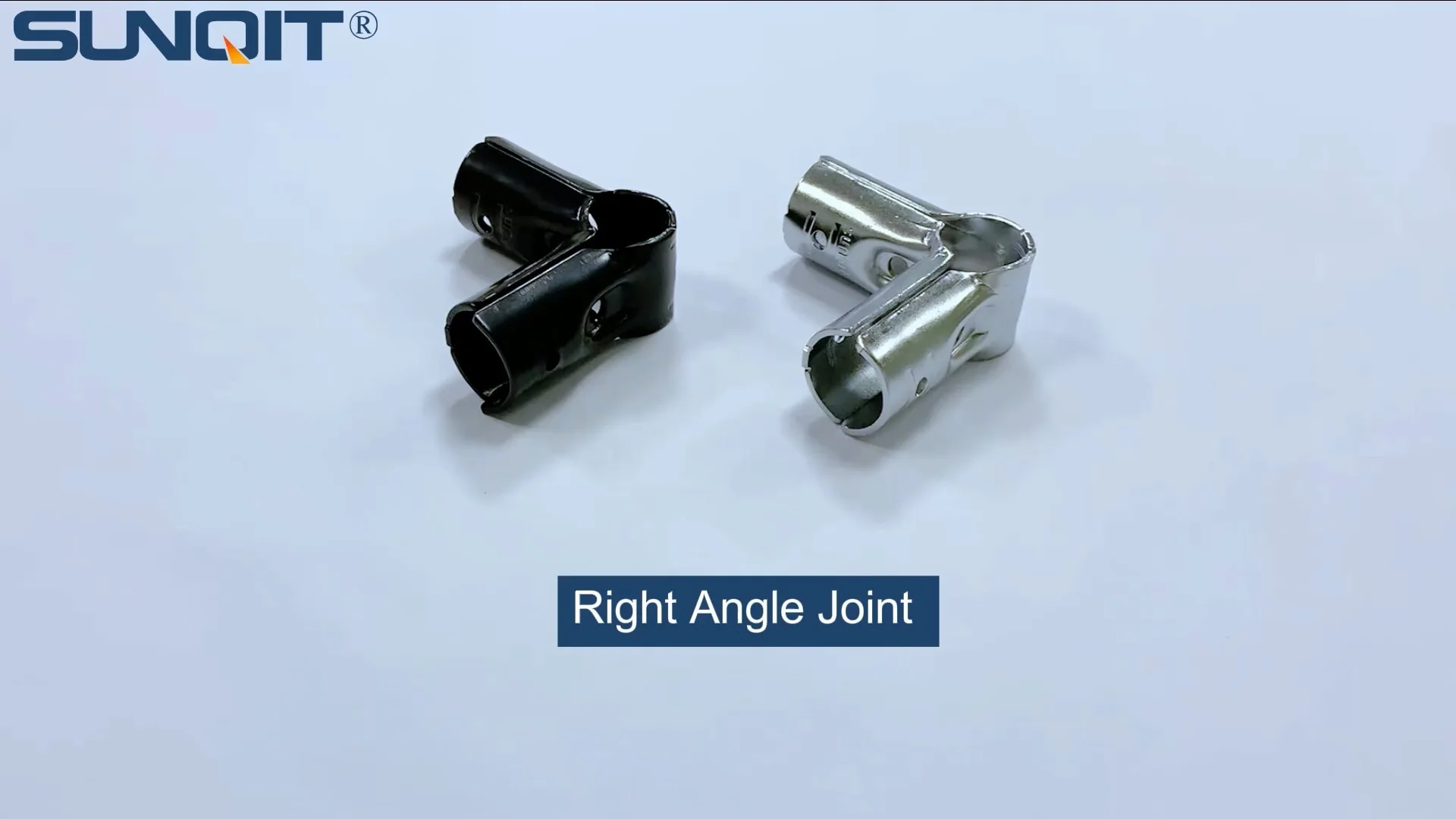
Walk into any modern manufacturing facility, warehouse, or assembly plant, and you'll likely see the quiet backbone of efficient operations: lean systems. These modular setups—built from lean pipes, joints, and accessories—are the unsung heroes of lean manufacturing, enabling everything from streamlined assembly lines to organized material storage. At the heart of these systems lies a small but critical component: the lean pipe joint. Among the many types of joints available, the three way lean pipe joint chrome stands out for its versatility, durability, and ability to connect lean pipes in multiple directions, forming the framework for workbenches, flow racks, and trolleys. But while its design and chrome finish might catch the eye, there's one factor that truly determines its value: load capacity. How much weight can it safely support? Why does that matter? And what factors influence it? In this guide, we'll dive deep into the world of three way lean pipe joint chrome, unpacking everything you need to know about load capacity to keep your operations running smoothly, safely, and efficiently.
Understanding the Three Way Lean Pipe Joint Chrome: More Than Just a Connector
Before we talk about load capacity, let's get to know the star of the show: the three way lean pipe joint chrome. At first glance, it might seem like a simple piece of hardware—a small, metallic connector with three openings designed to fit over the ends of lean pipes. But its design is the result of careful engineering, tailored to meet the demands of dynamic manufacturing environments.
Most three way lean pipe joints are made from a high-grade steel core, chosen for its strength and rigidity. The chrome coating, however, is more than just aesthetic; it adds a layer of protection against corrosion, rust, and wear, making the joint suitable for use in environments where moisture, chemicals, or frequent cleaning are part of the daily routine (think food processing plants or automotive workshops). The three-way design itself is what makes it so versatile: it allows lean pipes to intersect at 90-degree angles (or other custom angles, depending on the model), creating stable, three-dimensional structures. Whether you're building a lean pipe workbench with a shelf, a flow rack with multiple levels, or a turnover trolley with side rails, this joint is the linchpin that holds the entire system together.
But here's the thing: not all three way lean pipe joints are created equal. The quality of the steel, the thickness of the chrome coating, and the precision of the manufacturing process can vary widely between suppliers. That's why understanding load capacity is so critical—because even the most well-designed joint on paper can fail if it's not built to handle the weight it's expected to carry.
Load Capacity Explained: The Difference Between Safe Operations and Costly Downtime
So, what exactly is load capacity? Put simply, it's the maximum weight a three way lean pipe joint chrome can support without deforming, cracking, or failing. It's usually measured in kilograms (kg) or pounds (lbs) and is often split into two categories: static load capacity and dynamic load capacity.
Static load capacity refers to the weight the joint can support when the load is stationary—think of a stack of boxes sitting on a flow rack, or tools resting on a lean pipe workbench. Dynamic load capacity , on the other hand, applies to weight in motion: materials being slid onto a roller track, a trolley being pushed across the factory floor, or workers placing and removing items from a shelf. Dynamic loads are often more demanding because they introduce additional forces like vibration, sudden shifts in weight, or impact (e.g., dropping a heavy part onto a workbench).
Why does this matter? Imagine this: You've just invested in a new lean pipe workbench for your assembly line, using three way joints to connect the legs to the table frame. You load it up with power tools, parts bins, and a heavy inspection device—only to have the joints buckle under the weight an hour later. The result? Damaged equipment, halted production, and potential safety risks for your team. That's the worst-case scenario, but even minor issues—like joints sagging under load—can disrupt workflows. A flow rack with sagging levels might cause materials to get stuck on the roller track, slowing down production. A trolley with weak joints might wobble, making it hard to maneuver and increasing the risk of accidents. In short, load capacity isn't just a number on a spec sheet; it's the foundation of safety, efficiency, and reliability in your lean system.

Key Factors Influencing Load Capacity: What Determines How Much Weight a Joint Can Handle?
Load capacity isn't a fixed number. It's influenced by a variety of factors, from the materials used to how the joint is installed. Let's break down the most critical ones:
1. Material Quality: The Core of Strength
The old saying "you get what you pay for" rings true here. The quality of the materials used to make the three way lean pipe joint chrome has a direct impact on its load capacity. Most joints start with a steel core, but the type of steel matters. High-carbon steel, for example, is stronger and more resistant to bending than low-carbon steel, making it better suited for heavy-load applications. The thickness of the steel walls in the joint's arms also plays a role: thicker walls can distribute weight more evenly and resist deformation under pressure.
Then there's the chrome coating. While chrome doesn't directly contribute to load capacity (that's the steel's job), it does protect the steel from corrosion. Over time, rust or corrosion can weaken the steel core, reducing its ability to bear weight. A thin or poorly applied chrome coating might chip or wear off, exposing the steel to moisture and chemicals. So, while chrome isn't the "strength" factor, it's a critical "longevity" factor—ensuring the joint maintains its load capacity over years of use.
2. Joint Design: Engineering for Stress Distribution
The three-way design of the joint is no accident. It's engineered to distribute weight across three points, but the way those points are structured can make or break load capacity. A well-designed joint will have smooth, rounded corners where the three arms meet, reducing stress concentration. Sharp angles, on the other hand, create weak spots where the joint is more likely to crack under heavy loads.
Another design feature to look for is the fit between the joint and the lean pipe. The openings in the joint should be precisely sized to match the diameter of the lean pipes (typically 28mm or 30mm for standard lean pipes). A loose fit means the pipe can shift inside the joint, putting extra strain on the connection and reducing the overall load capacity. Tighter, more precise fits ensure the weight is evenly transferred from the pipe to the joint, maximizing stability.
3. Installation Precision: Tightness, Alignment, and the "Human Factor"
Even the highest-quality joint with the best design will underperform if it's installed incorrectly. Installation precision is a major factor in load capacity, and it comes down to two key things: tightness and alignment.
Most three way lean pipe joints use set screws or bolts to secure the lean pipes in place. If these screws are too loose, the pipe can wiggle inside the joint, creating instability and reducing the joint's ability to support weight. If they're too tight, however, they can strip the threads or even crack the joint's arms (especially if the joint is made from brittle material). The sweet spot? A firm, even tightness that holds the pipe securely without damaging the joint.
Alignment is equally important. If the lean pipes connected to the joint are not straight or are angled incorrectly, the weight will pull unevenly on the joint, creating torque and stress on one arm more than the others. Over time, this uneven stress can weaken the joint, leading to deformation or failure. Proper installation—using a level, checking angles, and ensuring pipes are straight—ensures the load is distributed evenly across all three arms.
4. Environmental Conditions: When the Workplace Takes a Toll
Your facility's environment can quietly eat away at a joint's load capacity over time. High humidity, extreme temperatures, and exposure to chemicals (like cleaning agents or oils) can all impact performance. In humid environments, for example, a joint with a damaged chrome coating may start to rust, weakening the steel core. In very hot environments, steel can expand slightly, loosening the fit between the joint and the pipe. In cold environments, steel can become more brittle, making it prone to cracking under sudden loads.
Corrosive environments—like those in marine or chemical processing—require extra protection. Some suppliers offer stainless steel three way joints (part of the stainless steel pipe series) for these settings, as stainless steel is naturally resistant to corrosion. For most general manufacturing environments, however, a chrome-plated steel joint should suffice, provided the chrome coating is well-maintained.
5. Usage Patterns: Static vs. Dynamic Loads
How you use the joint matters just as much as how it's built. Load capacity isn't a one-size-fits-all number; it varies based on whether the load is static (sitting still) or dynamic (moving). Static loads are easier on joints because the weight is constant and predictable. A lean pipe workbench holding a 200kg machine, for example, exerts a steady downward force on the joints—force they can handle if rated for that weight.
Dynamic loads, however, are more demanding. Think of a flow rack where boxes are constantly being slid onto or off of roller tracks. Each time a box hits the rollers, it creates a small impact force that travels through the rack to the joints. Over time, these repeated impacts can weaken the joint, even if the static load capacity is higher than the box weight. Similarly, a turnover trolley with joints that's pushed around the factory floor experiences vibrations and sudden shifts in weight (like when it hits a bump), which can strain the joints more than a static load.
Frequency of use also plays a role. A joint in a high-traffic area (like a busy assembly line) will experience more wear and tear than one in a rarely used storage rack. This is why it's important to match the joint's load capacity to both the weight of the load and how often that load is moved or adjusted.

Testing Load Capacity: How Manufacturers Ensure Safety
So, how do you know if a three way lean pipe joint chrome can actually handle the load it claims? Reputable lean pipe suppliers test their joints rigorously to determine load capacity, using standardized methods to ensure accuracy. One common test involves mounting the joint to a test rig, attaching lean pipes to each arm, and gradually applying weight to one or more arms until the joint deforms or fails. The maximum weight it supports before failure is recorded as its "ultimate load capacity." Manufacturers then typically list a "safe working load capacity" (SWL), which is a fraction of the ultimate load (often 50% or less) to account for real-world variables like installation, environment, and usage.
When shopping for joints, always ask your lean pipe supplier for test reports or certifications. Look for suppliers who follow industry standards, such as ISO 9001 (for quality management) or ASTM guidelines for material testing. A supplier who can't provide proof of load capacity testing is a red flag—you don't want to gamble with safety or efficiency.
Real-World Applications: How Load Capacity Impacts Your Lean System
To put load capacity into perspective, let's look at some common applications where three way lean pipe joint chrome is used—and how load capacity plays a role.
Lean Pipe Workbenches: A typical workbench might have a wooden or metal top supported by a frame of lean pipes and joints. The joints connecting the legs to the table frame must support the total weight of the top, tools, equipment, and any materials placed on it. If the joints have a static load capacity of 300kg, but the total weight on the bench is 350kg, the joints could sag or fail, risking injury to workers and damage to tools.
Flow Racks: Flow racks use roller tracks to let materials slide from the back to the front, reducing the need for manual lifting. Each level of the rack is supported by three way joints, which must hold the weight of the roller track, the materials on it, and the force of materials sliding onto the track. A joint with insufficient dynamic load capacity might bend under the repeated impact of sliding boxes, causing the roller track to tilt and materials to jam.
Turnover Trolleys: These wheeled trolleys are used to move materials around the factory. The joints holding the trolley's frame together must handle both the static weight of the materials and the dynamic forces of movement (vibrations, bumps, turns). A joint with low dynamic load capacity might loosen over time, making the trolley unstable and difficult to push.
| Application | Typical Load (Static) | Typical Load (Dynamic) | Minimum Joint Load Capacity Needed |
|---|---|---|---|
| Light-Duty Lean Pipe Workbench (tools, small parts) | 100–200kg | 50–100kg (tools being placed/removed) | 200kg (static), 100kg (dynamic) |
| Medium-Duty Flow Rack (boxes of components) | 200–400kg per level | 150–300kg (boxes sliding onto track) | 400kg (static), 300kg (dynamic) |
| Heavy-Duty Turnover Trolley (large machinery parts) | 400–600kg | 300–500kg (trolley in motion) | 600kg (static), 500kg (dynamic) |
Common Misconceptions About Load Capacity
Even with all this information, there are still some common myths about three way lean pipe joint chrome load capacity. Let's debunk a few:
Myth 1: "The thicker the chrome coating, the higher the load capacity." False. Chrome coating protects against corrosion, but it doesn't add strength. Load capacity depends on the steel core's quality and design.
Myth 2: "All three way joints have the same load capacity." False. Load capacity varies by size, material, and manufacturer. A small joint for 20mm lean pipes will have a lower capacity than a large joint for 30mm pipes.
Myth 3: "If the joint doesn't break, it's safe." False. A joint might not break under an overload, but it could deform (bend or warp), reducing its capacity over time. Deformed joints are a safety hazard and should be replaced.
Choosing the Right Three Way Lean Pipe Joint Chrome: Tips for Buyers
Now that you understand load capacity and what influences it, how do you choose the right joint for your needs? Here are a few tips:
1. Calculate Your Load Requirements: Start by estimating the maximum weight the joint will need to support, including both static and dynamic loads. Add a safety margin (typically 20–30%) to account for unexpected loads or wear over time.
2. Choose a Reputable Lean Pipe Supplier: Not all suppliers are created equal. Look for a supplier with a track record of quality—one that can provide test reports, certifications, and references from other customers. A reliable lean pipe supplier will also be able to help you select the right joint for your specific application.
3. Check the Specs: Don't just take the supplier's word for it. Look for load capacity specs in the product description, and ask for details on how those specs were tested. If the supplier can't provide this information, consider looking elsewhere.
4. Consider the Environment: If you work in a corrosive or extreme environment, opt for stainless steel joints or those with heavy-duty chrome coatings. For general use, standard chrome-plated steel should work.
5. Train Your Team on Installation: Even the best joint will fail if installed incorrectly. Make sure your team knows how to properly tighten set screws, align pipes, and check for wear. Regular inspections (looking for rust, loose screws, or deformation) can also help catch issues before they become problems.
Conclusion: Load Capacity as the Foundation of Lean Success
The three way lean pipe joint chrome might be a small component, but its role in your lean system is huge. It's the glue that holds your workbenches, racks, and trolleys together—and its load capacity is the glue that holds your operations together, ensuring safety, efficiency, and reliability. By understanding what load capacity is, what influences it, and how to choose the right joint for your needs, you can build lean systems that stand the test of time.
Remember: load capacity isn't just a number. It's a promise—a promise that your joint will support the weight you throw at it, day in and day out. So, the next time you're shopping for lean pipe components, don't just focus on price or appearance. Ask about load capacity. Check the specs. Talk to your supplier. Your team, your workflow, and your bottom line will thank you.