- Company Articles
- Products and Technology
- Product knowledge
- Load Capacity of Vertical Lean Pipe Joints: What You Need to Know

Load Capacity of Vertical Lean Pipe Joints: What You Need to Know
Related Product
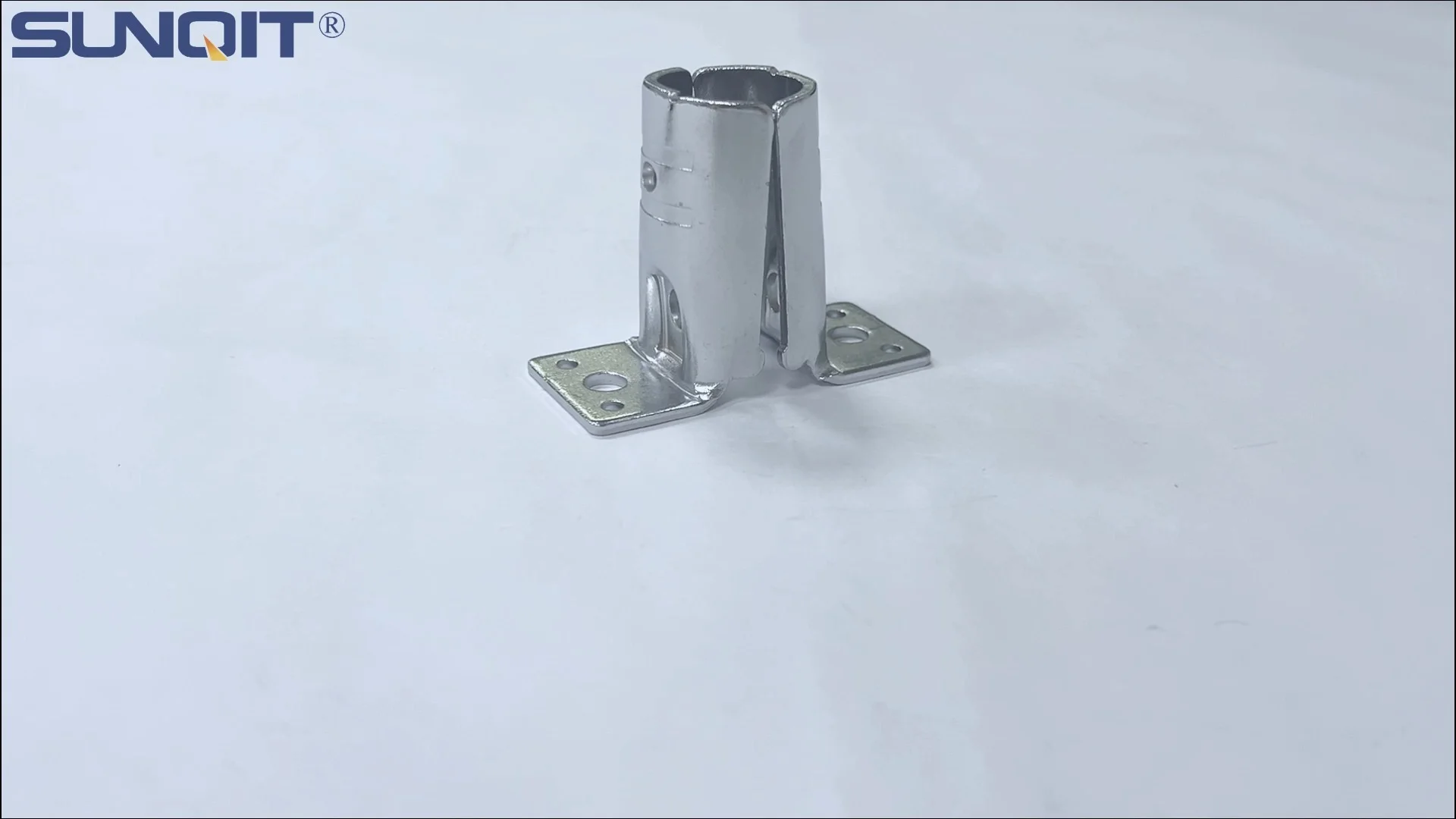
Vertical Lean Pipe Joint
Vertical lean pipe joint is used for 28mm lean pipe fixed on ground and keep it stable.
Walk into any modern manufacturing facility, warehouse, or assembly plant, and you'll likely see a network of sturdy, modular structures quietly powering the workflow: workbenches where technicians assemble electronics, roller tracks guiding components from station to station, and material racks holding inventory. These structures, often built with lean pipe and aluminum profiles, are the backbone of efficient operations. But ask any plant manager what keeps these systems reliable, and they'll point to one unsung hero: the vertical lean pipe joint. These small, unassuming connectors are the glue that holds everything together, and their load capacity—the maximum weight they can safely support—directly impacts productivity, safety, and even the bottom line. In this article, we'll dive deep into what vertical lean pipe joints are, why their load capacity matters, and how to ensure you're choosing the right ones for your lean system.
What Are Vertical Lean Pipe Joints, Anyway?
First, let's clarify: a lean pipe joint is a connector designed to link lean pipe (also called "lean tube")—typically steel, aluminum, or stainless steel pipes—to form structures like workbenches, racks, and roller tracks. Vertical lean pipe joints, as the name suggests, are specifically engineered to handle vertical loads—think the weight pressing down on a workbench leg or the downward force of materials stacked on a rack. Unlike horizontal joints, which manage shear or lateral forces, vertical joints bear the brunt of static and dynamic weight, making their strength non-negotiable.
These joints come in various designs: fixed joints that lock pipes at a 90-degree angle, swivel joints that allow limited rotation, and multi-way joints that connect three or more pipes at once. Materials matter too—steel joints offer rugged durability, while aluminum joints balance strength with lightweight flexibility, a boon for mobile structures like turnover trolleys. Even the smallest details, like the thickness of the joint's walls or the quality of its internal locking mechanism, can drastically affect how much weight it can handle.
Why Load Capacity Isn't Just a Number—It's a Safety Net
Imagine a busy assembly line where a workbench, supported by vertical lean pipe joints, holds a heavy drill press, bins of metal parts, and a technician leaning on the edge while working. If those joints are rated for 200 kg but the actual load hits 250 kg, the structure might wobble, sag, or even collapse. The result? Damaged equipment, injured workers, and halted production. That's why load capacity isn't just a specification on a datasheet—it's a safety margin that protects your team and your operations.
In lean systems, where efficiency is king, downtime is costly. A failed vertical joint can disrupt workflows for hours as teams scramble to repair or replace the structure. Worse, if the collapse damages expensive tools or sensitive materials, the financial hit multiplies. On the flip side, choosing joints with a higher load capacity than needed isn't a solution either—it adds unnecessary cost and weight, making structures bulkier and harder to reconfigure (a key advantage of lean systems). Striking the right balance starts with understanding what factors influence a vertical lean pipe joint's load capacity.

5 Key Factors That Determine Load Capacity
Load capacity isn't a one-size-fits-all metric. A vertical lean pipe joint's ability to bear weight depends on a mix of design, materials, and real-world conditions. Let's break down the most critical factors:
1. Material: Steel vs. Aluminum vs. Plastic
The material of the joint is the foundation of its strength. Steel joints, often coated in zinc or chrome for corrosion resistance, are the heavyweights here. A standard steel vertical joint can typically support 300–500 kg of static load (weight applied and held constant) thanks to steel's high tensile strength. Aluminum joints, while lighter (great for mobile structures like hand trolleys), usually top out at 200–350 kg. They're ideal for environments where weight matters more than maximum load, like cleanrooms or facilities with frequent reconfigurations. Plastic joints, though rare for vertical applications, are sometimes used in light-duty setups (e.g., small parts storage) but struggle with loads over 100 kg and can degrade in high temperatures.
2. Joint Design: Fixed vs. Swivel, Single vs. Multi-Way
How a joint is engineered to distribute weight plays a huge role. Fixed vertical joints, which lock pipes rigidly at 90 degrees, are the strongest because they transfer load directly through their solid structure. For example, a fixed steel vertical joint might handle 400 kg, while a swivel joint—designed to pivot slightly to accommodate misalignment—might only support 250 kg, as its moving parts create weak points. Multi-way joints, which connect three or four pipes (common in complex structures like material racks with multiple shelves), also have lower load capacities per connection point. A five-way steel joint, for instance, might support 200 kg per vertical leg, compared to 400 kg for a single fixed joint.
3. Installation Quality: Torque, Alignment, and Pipe Compatibility
Even the strongest joint will fail if installed poorly. Vertical joints rely on tight, secure connections to the lean pipe. If the bolts aren't torqued to the manufacturer's specifications (usually 25–35 Nm for steel joints), the joint can loosen over time, reducing its load capacity by 30% or more. Misalignment is another culprit: if the pipe isn't perfectly vertical, the joint bears uneven stress, leading to premature wear. Finally, using mismatched components—like a 28mm steel joint with a 30mm aluminum pipe—creates gaps that weaken the connection. Always check that your joint size matches your lean pipe diameter (common sizes are 28mm for steel, 30mm for aluminum) and that accessories like pipe clamps are compatible.
4. Environmental Conditions: Temperature, Humidity, and Chemicals
Your facility's environment can quietly erode a joint's strength. In high-temperature areas (e.g., near ovens or foundries), plastic components in joints can soften, while metal joints may expand, loosening connections. Humid or corrosive environments (like food processing plants or coastal facilities) demand stainless steel joints, as regular steel will rust, weakening the material over time. Even exposure to chemicals, oils, or cleaning agents can degrade coatings or weaken plastic parts. For example, a standard steel joint in a humid warehouse might lose 10–15% of its load capacity after a year of rust, while a stainless steel joint remains strong.
5. Dynamic vs. Static Load: It's Not Just About Weight—It's About Motion
Load capacity specs often distinguish between static load (weight that doesn't move) and dynamic load (weight that shifts, impacts, or vibrates). A vertical joint might handle 400 kg static load (e.g., a stack of boxes on a shelf) but only 250 kg dynamic load (e.g., parts rolling onto a roller track, which creates impact). Why the difference? Dynamic loads create sudden stress spikes—imagine dropping a 50 kg crate onto a workbench versus placing it gently. Over time, repeated dynamic loads can fatigue the joint's material, leading to cracks. Always check both static and dynamic ratings if your structure will see moving or shifting weight.

Testing Load Capacity: How Manufacturers Ensure Reliability
Reputable lean pipe suppliers don't just guess at load capacity—they test it rigorously. Most follow industry standards, like ISO 9001 or ASME B30.20, which outline testing protocols for structural connectors. Here's how it works:
Static Load Testing: The joint is mounted vertically to a test rig, and a hydraulic press applies increasing weight until the joint deforms or fails. Manufacturers record the "yield load" (when the joint bends but doesn't break) and "ultimate load" (when it collapses). They then set the safe working load (SWL) at 25–50% of the ultimate load to account for real-world variables like vibration or temperature.
Dynamic Load Testing: For joints used in roller tracks or conveyor systems, machines simulate repeated impacts (e.g., dropping 20 kg weights onto the joint 10,000 times) or cyclic loading (weight applied and removed repeatedly). If the joint survives without cracking or loosening, it passes.
Environmental Testing: Joints are exposed to extreme temperatures (-40°C to 80°C), humidity (95% RH for 1,000 hours), or salt spray (for corrosion resistance) to mimic harsh conditions. Load capacity is retested afterward to ensure it holds.
When evaluating a vertical lean pipe joint, ask your supplier for test reports. A trustworthy lean pipe supplier will happily share data on static/dynamic load ratings, material certifications, and environmental performance.

Real-World Applications: When Load Capacity Matters Most
To see why load capacity is critical, let's look at two common scenarios where vertical lean pipe joints make or break operations: workbenches and roller tracks.
Workbenches: Supporting Tools, Tech, and Teams
A typical assembly workbench might have four vertical legs, each anchored by a vertical lean pipe joint. On top, there's a 50 kg tool chest, a 20 kg soldering station, and a technician (70 kg) leaning on the edge. That's 140 kg of static load—before adding the weight of the workbench itself (another 30 kg). So each vertical joint needs to support at least (140 + 30)/4 = 42.5 kg. But wait—what if the technician leans heavily (adding 50 kg) or places a 100 kg batch of parts on the bench? Suddenly, the load per joint jumps to (140 + 30 + 50 + 100)/4 = 80 kg. If the joints are rated for only 50 kg, the bench will wobble, risking tool damage or injury. A steel fixed vertical joint with a 150 kg static load rating would provide a safe buffer here.
Roller Tracks: Handling Impact and Motion
Roller tracks, used to slide materials between workstations, rely on vertical joints to support the track's frame. When a 30 kg bin of parts is pushed onto the track, it hits the first roller with a dynamic load—maybe 45 kg of force. Multiply that by 100 bins per day, and the vertical joints endure thousands of impacts monthly. A swivel aluminum joint with a 200 kg static load might fail here because dynamic impacts exceed its limits. Instead, a fixed steel joint with a 300 kg dynamic load rating would stand up to the abuse, keeping the track aligned and parts flowing smoothly.
| Application | Typical Load per Vertical Joint | Recommended Joint Type | Minimum Load Capacity Needed |
|---|---|---|---|
| Light-duty workbench (small parts assembly) | 50–100 kg static | Aluminum fixed joint | 150 kg static |
| Heavy-duty workbench (power tools, large parts) | 150–300 kg static | Steel fixed joint | 400 kg static |
| Roller track (light parts: electronics, small components) | 80–150 kg dynamic | Steel swivel joint | 250 kg dynamic |
| Material rack (3-tier, heavy inventory) | 200–400 kg static per shelf leg | Steel multi-way joint | 500 kg static |
Choosing the Right Vertical Lean Pipe Joint: 4 Questions to Ask
With so many options, how do you pick the right vertical joint for your needs? Start by answering these four questions:
1. What's the Maximum Load the Structure Will Bear?
Calculate both static and dynamic loads. For a workbench, add the weight of tools, materials, and workers. For a roller track, estimate the heaviest item that will roll on it and the force of impact. Then, multiply by 1.5 (a safety factor) to get your required load capacity.
2. What's the Environment Like?
Humid or corrosive environments (e.g., food processing, coastal areas) need stainless steel or aluminum joints. High temperatures (e.g., near furnaces) rule out plastic. For cleanrooms, aluminum's smooth finish is easier to sanitize than steel.
3. Will the Structure Be Moved or Reconfigured?
If you need to relocate the structure (e.g., a mobile hand trolley), aluminum joints save weight. For permanent setups (e.g., fixed material racks), steel joints offer better long-term durability.
4. What's Your Budget?
Steel joints cost 20–30% more than aluminum but last longer. If you're on a tight budget, prioritize steel joints for high-load areas (e.g., workbench legs) and use aluminum for low-load parts (e.g., side rails).
Common Misconceptions About Load Capacity
Even experienced facility managers can fall prey to myths about vertical lean pipe joints. Let's debunk a few:
Myth 1: "All vertical joints with the same material have the same load capacity." False. A cheap steel joint with thin walls and weak bolts might only support 200 kg, while a high-quality steel joint from a reputable lean pipe supplier could handle 500 kg. Always check the manufacturer's specs, not just the material.
Myth 2: "If it doesn't bend, it's fine." Not true. A joint might look intact but have internal cracks (from repeated dynamic loads) that reduce its load capacity by 50%. Regular inspections (looking for rust, dents, or loose bolts) are key.
Myth 3: "Oversizing joints is always safer." Overkill adds cost and weight. A 500 kg joint on a workbench that only needs 200 kg is money and makes the structure harder to move or reconfigure.
Maintaining Load Capacity: 5 Tips for Longevity
Even the best vertical lean pipe joint will degrade over time. Here's how to keep yours performing at peak capacity:
1. Tighten Bolts Regularly: Use a torque wrench to check joint bolts every 3 months. Loose bolts reduce load capacity by up to 40%.
2. Inspect for Wear: Look for rust, cracks, or bent components. replace any joint that shows signs of damage—don't risk it.
3. Clean Joints: Wipe away grease, dust, or debris that can corrode metal or jam moving parts (like swivel joints).
4. Avoid Overloading: Post load limits on structures (e.g., "Max 200 kg per shelf") to prevent workers from exceeding joint capacity.
5. Reconfigure Carefully: When reusing joints in new structures, retest their load capacity—previous use may have weakened them.
Conclusion: Invest in the Right Joints, Invest in Efficiency
Vertical lean pipe joints may be small, but their impact on your lean system is huge. Choosing joints with the right load capacity isn't just about safety—it's about keeping your operations running smoothly, reducing downtime, and getting the most out of your lean system investment. By understanding the factors that affect load capacity, testing, and real-world applications, you can make informed decisions that protect your team, your tools, and your bottom line. Remember: the next time you walk through your facility, take a second look at those vertical joints. They're not just connectors—they're the quiet guardians of your productivity.