- Company Articles
- Products and Technology
- Product knowledge
- Logistics & Supply Chain: Lean Pipe Clamp B Chrome for Conveyor System Frames

Logistics & Supply Chain: Lean Pipe Clamp B Chrome for Conveyor System Frames
Related Product
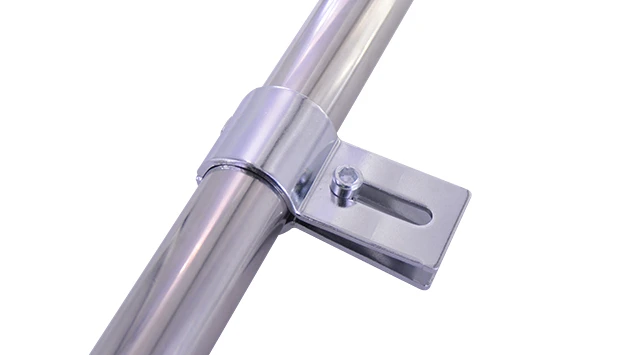
Lean Pipe Clamp B Chrome
Lean pipe clamp is used for turnover trolley, workbench, flowrack adjust the frame or fix some accessory.
In the fast-paced world of logistics and supply chain management, every second counts. From the moment a customer clicks "buy" to the instant their package arrives at the door, the pressure is on to move goods faster, safer, and more efficiently than ever before. Behind the scenes of this high-stakes dance are the unsung heroes of the warehouse: conveyor systems. These intricate networks of belts, rollers, and frames form the backbone of modern material handling, ensuring products flow seamlessly from storage to shipping. But what makes a conveyor system truly reliable? It's not just the motors or the belts—it's the small, often overlooked components that hold everything together. Today, we're shining a spotlight on one such component: the lean pipe clamp B chrome. This unassuming piece of hardware plays a critical role in keeping conveyor system frames sturdy, flexible, and ready to tackle the demands of 21st-century logistics.
Conveyor Systems: The Lifeline of Modern Warehouses
Walk into any large warehouse, distribution center, or manufacturing plant, and you'll likely hear the steady hum of conveyor systems at work. They're the silent workhorses that transport everything from small electronics to heavy pallets, eliminating the need for manual lifting and reducing the risk of human error. In e-commerce fulfillment centers, for example, conveyor belts zip packages from picking stations to packing areas at speeds of up to 600 feet per minute—processing thousands of orders daily without breaking a sweat. In automotive plants, roller conveyors carry car parts through assembly lines, ensuring each component arrives at the right station at the right time. Simply put, without conveyor systems, the global supply chain as we know it would grind to a halt.
But here's the thing: a conveyor system is only as strong as its frame. The frame is the skeleton that supports the rollers, belts, and motors, absorbing vibrations, bearing loads, and maintaining alignment even under constant use. Over time, however, frames can loosen, warp, or corrode—especially in high-traffic environments where dust, moisture, and heavy loads are part of the daily grind. This is where lean manufacturing principles come into play. Lean systems prioritize efficiency, flexibility, and durability, and lean pipe structures—built from modular pipes and joints—have become the gold standard for constructing conveyor frames. They're lightweight, easy to assemble, and infinitely customizable, allowing warehouses to adapt their layouts as needs change. And at the heart of these lean pipe frames? The lean pipe clamp B chrome.
Meet the Lean Pipe Clamp B Chrome: Small Component, Big Impact
At first glance, the lean pipe clamp B chrome might seem like just another metal fastener. But take a closer look, and you'll realize it's engineered for precision. Designed to connect lean pipes (also known as "lean tubes") in conveyor system frames, this clamp is made from high-grade steel with a chrome-plated finish—a combination that balances strength, corrosion resistance, and longevity. Unlike generic clamps, which often slip or rust after months of use, the lean pipe clamp B chrome is built to withstand the harsh conditions of industrial settings. Its unique design features a secure locking mechanism that tightens firmly around pipes, preventing wobbling or shifting even when carrying heavy loads. And because it's part of the lean pipe system, it allows for quick assembly and disassembly—no welding or specialized tools required.
So, why chrome? Chrome plating isn't just for aesthetics (though it does give the clamp a sleek, professional look). It's a functional choice that adds a protective layer to the steel, shielding it from moisture, chemicals, and abrasion. In warehouses where humidity levels fluctuate or where spills are common (think food processing or pharmaceutical facilities), chrome-plated components resist rust and corrosion far better than uncoated steel. This means fewer replacements, less downtime, and lower maintenance costs over time. For operations managers, that translates to peace of mind—and a healthier bottom line.
How It Works: The Science of a Secure Connection
To understand the value of the lean pipe clamp B chrome, let's break down how it functions in a typical conveyor frame. Lean pipe systems are built using modular pipes (usually 28mm in diameter) and joints that snap or screw together, allowing for endless configurations. The clamp B chrome is specifically designed to connect two or more pipes at right angles or in parallel, creating sturdy frames that support conveyor rollers or belt tracks. Its key feature is the adjustable bolt mechanism: when tightened, the clamp's jaws grip the pipes tightly, creating a friction-based connection that can withstand both vertical and horizontal loads. Unlike welded joints, which are fixed and difficult to modify, these clamps allow for easy adjustments. Need to reconfigure your conveyor line to accommodate a new product size? Simply loosen the clamps, adjust the pipes, and retighten—no cutting or rewelding needed. This flexibility is a cornerstone of lean manufacturing, where adaptability is key to reducing waste and improving efficiency.
Another advantage of the lean pipe clamp B chrome is its compatibility with a wide range of lean pipe materials. Whether your frame uses traditional PE-coated lean pipes, stainless steel pipes, or even aluminum lean pipes, this clamp can handle them all. Its jaws are designed to grip different pipe diameters securely, making it a versatile choice for warehouses with mixed pipe systems. And because it's manufactured to strict tolerances, you can trust that each clamp will fit consistently—no guesswork, no mismatched parts, and no frustrating delays during assembly.
Technical Specifications: Why Details Matter
When it comes to conveyor system components, the details make all the difference. Let's dive into the technical specs of the lean pipe clamp B chrome to see why it stands out from the competition:
| Feature | Lean Pipe Clamp B Chrome | Standard Steel Clamp |
|---|---|---|
| Material | High-grade carbon steel with chrome plating (0.0005mm thickness) | Low-carbon steel, uncoated or zinc-plated |
| Load Capacity | Up to 500kg per clamp (when used with 2.0mm wall thickness lean pipe) | Typically 200-300kg per clamp |
| Corrosion Resistance | Resistant to salt spray, moisture, and mild chemicals (tested to 500 hours per ASTM B117) | Prone to rust in humid environments; zinc plating may corrode after 200-300 hours |
| Installation Time | 1-2 minutes per clamp (requires only an Allen wrench) | 5-10 minutes per clamp (may require welding or specialized tools) |
| Reusability | Can be disassembled and reused up to 50 times without loss of grip strength | Often single-use (welded) or loses grip after 5-10 disassembly cycles |
| Temperature Range | -20°C to 120°C (suitable for cold storage and high-temperature manufacturing) | -10°C to 80°C (limited by zinc plating or paint) |
These specs tell a clear story: the lean pipe clamp B chrome is built for durability and performance. Its higher load capacity means it can support heavier conveyor components, reducing the need for extra clamps and simplifying frame design. The corrosion resistance ensures it holds up in diverse environments, from freezers to automotive plants. And the quick installation time? That's a game-changer for warehouses that need to set up or reconfigure conveyor systems on tight deadlines.
Real-World Applications: How the Lean Pipe Clamp B Chrome Delivers Results
To truly appreciate the impact of the lean pipe clamp B chrome, let's look at some real-world examples of how it's transforming conveyor systems across industries.
Case Study 1: E-Commerce Fulfillment Center in the U.S.
A major e-commerce retailer was struggling with frequent downtime in its peak-season conveyor lines. The culprit? Loose frame connections caused by standard zinc-plated clamps that rusted and slipped under heavy loads. After switching to lean pipe clamp B chrome, the facility saw a 40% reduction in unplanned maintenance stops. Workers reported that the clamps stayed tight even during 16-hour shifts, and the chrome finish resisted the moisture from daily floor cleanings. The IT team also noted a 15% increase in throughput, as the more stable frames reduced jams and misalignments. "We used to have a technician checking clamps every morning," said the warehouse manager. "Now, we check them once a week—and we rarely find any that need tightening."
Case Study 2: Automotive Parts Manufacturer in Germany
An automotive supplier needed to reconfigure its assembly line conveyor system to accommodate a new electric vehicle component. The old system used welded steel frames, which would have required days of downtime and costly welding work to modify. Instead, the company switched to a lean pipe system with lean pipe clamp B chrome. The new frames were assembled in just 8 hours, and the modular design allowed workers to adjust the height and width of the conveyor on the fly. The chrome-plated clamps also proved resistant to the oil and coolant spills common in automotive plants, with zero signs of corrosion after six months of use. "We saved over €20,000 in downtime alone," noted the plant engineer. "And because the clamps are reusable, we can reconfigure the line again next year without buying new parts."
These stories highlight a common theme: the lean pipe clamp B chrome isn't just a component—it's a solution. It solves the problems of downtime, rigidity, and corrosion that plague traditional conveyor frames, allowing businesses to focus on what matters most: moving products efficiently.
Beyond Conveyors: The Versatility of Lean Pipe Clamp B Chrome
While conveyor system frames are the clamp's primary domain, its versatility doesn't stop there. Lean pipe systems are used to build everything from workbenches and material racks to turnover trolleys and assembly stations—and the lean pipe clamp B chrome is right there with them, ensuring these structures are just as sturdy and flexible as the conveyors. In a manufacturing setting, for example, a workbench built with lean pipes and B chrome clamps can be adjusted to the perfect height for workers, reducing ergonomic strain and boosting productivity. In a warehouse, a material rack constructed with the same clamps can be expanded or reconfigured as inventory needs change, eliminating the need for costly new shelving.
One particularly innovative application is in cleanroom environments, where hygiene and corrosion resistance are non-negotiable. Pharmaceutical and medical device manufacturers often use lean pipe systems with chrome-plated components like the B clamp, as they're easy to sanitize and won't leach contaminants into sensitive products. The smooth chrome surface resists bacterial growth and can withstand frequent wipe-downs with disinfectants, making it ideal for compliance with strict regulatory standards.
Maintenance Tips: Keeping Your Clamps (and Conveyors) in Top Shape
Like any component, the lean pipe clamp B chrome performs best when properly maintained. Fortunately, caring for these clamps is simple and requires minimal time or tools. Here are a few tips to ensure your clamps—and your conveyor system—stay in peak condition:
- Regular Inspections: Check clamps monthly for signs of looseness, especially in high-vibration areas of the conveyor. A quick tighten with an Allen wrench can prevent bigger issues down the line.
- Cleaning: Wipe clamps with a dry cloth to remove dust and debris. In environments with oils or chemicals, use a mild detergent and rinse thoroughly—avoid abrasive cleaners that could scratch the chrome plating.
- Lubrication: Apply a small amount of dry lubricant (like graphite powder) to the clamp's bolt threads once to prevent seizing. Avoid oil-based lubricants, which can attract dust.
- Replacement: While B chrome clamps are durable, they're not indestructible. If you notice cracks in the steel, significant chrome peeling, or stripped threads, replace the clamp immediately—don't risk a frame failure.
By following these simple steps, you can extend the life of your clamps and ensure your conveyor system remains reliable for years to come.
The Future of Lean Pipe Systems: What's Next for the B Chrome Clamp?
As logistics and manufacturing continue to evolve, so too will the tools and components that power them. The rise of automation, for example, is driving demand for conveyor systems that can integrate with robots and AI-driven sorting machines. Lean pipe systems, with their modular design, are well-positioned to meet this demand—and the lean pipe clamp B chrome will play a key role. Engineers are already exploring ways to enhance the clamp with smart features, such as embedded sensors that alert maintenance teams when a clamp is loosening or under excessive strain. While these "smart clamps" are still in development, the foundation of reliability and flexibility laid by the current B chrome clamp ensures they'll be built on a strong base.
Sustainability is another trend shaping the future of material handling. Warehouses and plants are increasingly seeking eco-friendly solutions, and lean pipe systems align perfectly with this goal. Because they're reusable and recyclable, lean pipes and clamps reduce waste compared to traditional welded frames. Chrome plating, too, is becoming more sustainable, with new processes that use less energy and produce fewer harmful byproducts. As these innovations continue, the lean pipe clamp B chrome will remain a leader in both performance and environmental responsibility.
Final Thoughts: The Power of the "Small" Component
In the grand scheme of logistics and supply chain management, it's easy to focus on the big-ticket items: the automated sorting machines, the fleet of delivery trucks, the AI algorithms optimizing routes. But as we've explored today, the true magic lies in the details—the small components that keep the entire operation running smoothly. The lean pipe clamp B chrome is a perfect example. It's not flashy or high-tech, but it's essential. It's the reason conveyor frames stay strong under pressure, why warehouses can adapt to changing needs, and why maintenance teams sleep a little easier at night knowing their systems are built to last.
So, the next time you walk through a warehouse or watch a conveyor belt in action, take a moment to appreciate the lean pipe clamp B chrome. It's a reminder that in the world of logistics, success isn't just about moving fast—it's about moving smart. And sometimes, the smartest moves start with the smallest parts.