- Company Articles
- Products and Technology
- Product knowledge
- Logistics Conveyors with 2.0mm Stainless Steel Pipe: Smooth Operations

Logistics Conveyors with 2.0mm Stainless Steel Pipe: Smooth Operations
Related Product
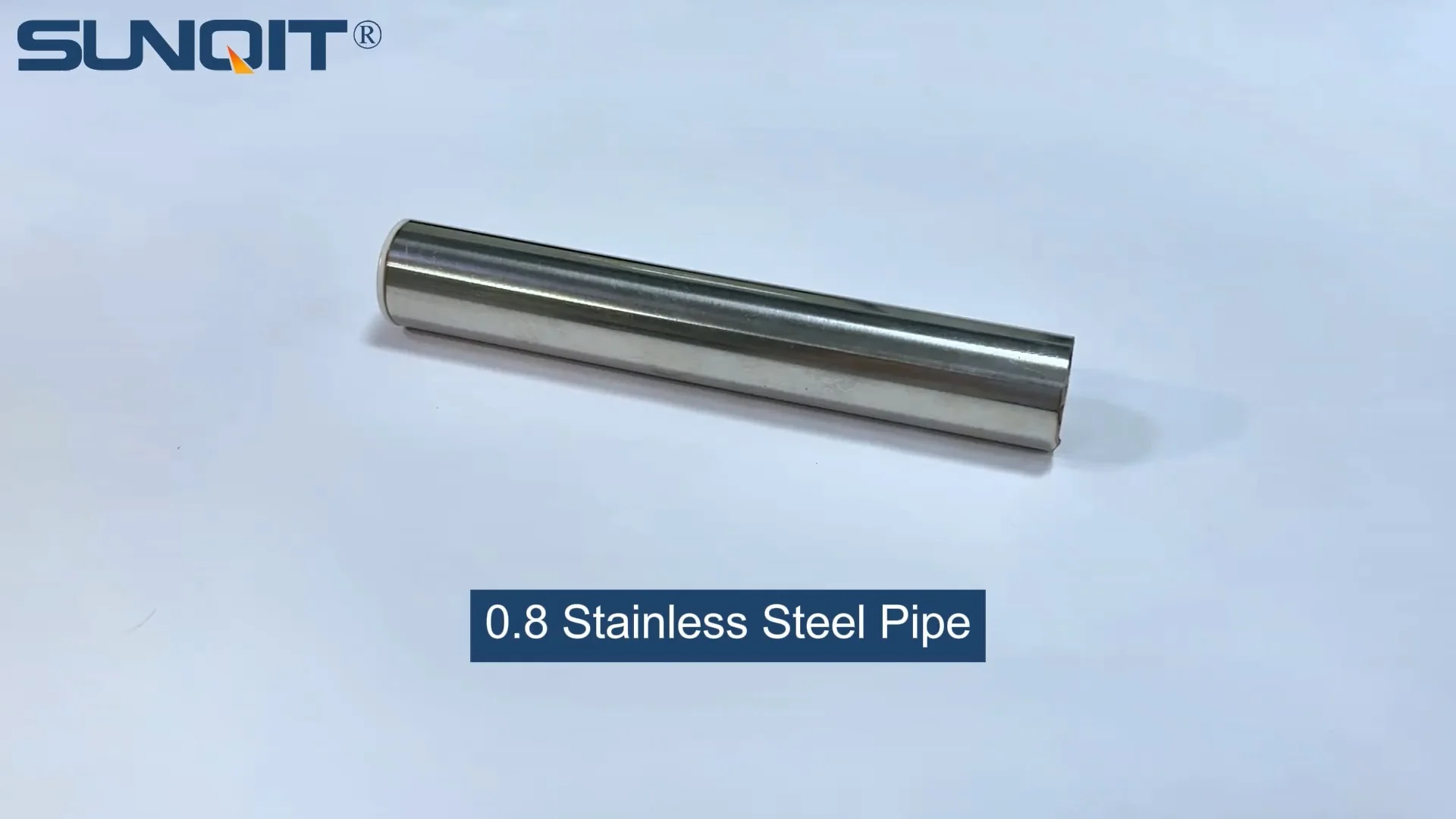
2.0mm Stainless Steel Pipe
Stainless steel pipe, lean pipe, diameter is 28mm, material is SS201 or SS304, SS201 is normally used in the market. It knows a KARAKURI, KAIZEN material for industrial plant to improve efficiency, save labor cost, standard management.
How durable design and smart engineering are transforming warehouse and factory workflows
Walk into any busy warehouse or manufacturing plant, and you'll notice the heartbeat of the operation: the conveyors. They're the silent workhorses, moving products from point A to B, keeping orders on track, and ensuring deadlines are met. But not all conveyors are created equal. When operations hit a snag—whether it's a jammed roller, a bent frame, or a system that can't keep up with heavy loads—it's not just the machines that suffer. Teams get frustrated, deadlines slip, and the bottom line takes a hit. That's where logistics conveyors built with 2.0mm stainless steel pipe come in. These aren't just pieces of equipment; they're game-changers that turn chaos into calm, one smooth workflow at a time.
The Problem with "Good Enough" Conveyors
For years, many businesses settled for conveyors made with lightweight materials—thin steel, aluminum, or even plastic. They seemed cost-effective at first, but over time, the cracks (literally) started to show. A food processing plant I worked with once relied on aluminum conveyors. Within months, the constant exposure to moisture and cleaning chemicals left them corroded. The rollers stuck, and the frames bent under the weight of daily shipments. Their maintenance team was spending 10+ hours a week fixing issues, and workers were stressed from the frequent delays. "We were always putting out fires instead of preventing them," the plant manager told me. Sound familiar? If your conveyor system feels like a liability instead of an asset, it's time for an upgrade.
Why 2.0mm Stainless Steel Pipe? The Durability Difference
Stainless steel has long been praised for its strength and resistance to corrosion, but the magic here is in the details: the 2.0mm thickness. Let's break it down. Most standard conveyors use 1.2mm or 1.5mm steel—fine for light loads, but not when you're moving pallets of auto parts, crates of fresh produce, or cases of bottled beverages. The 2.0mm stainless steel pipe adds a layer of toughness that can handle up to 500kg per linear meter without bending or warping. That's the difference between a system that quits when the going gets tough and one that keeps going, day in and day out.
But durability isn't just about thickness. Stainless steel's natural resistance to rust and corrosion makes it ideal for harsh environments. Think about a pharmaceutical warehouse where strict hygiene standards require daily sanitization, or a coastal distribution center where salt air eats away at metal. A 2.0mm stainless steel frame won't just survive these conditions—it will thrive. No more replacing parts every quarter. No more shutdowns to fix rusted joints. Just reliable performance, even in the toughest settings.

Beyond Strength: Designing for Flexibility
Durability is critical, but what good is a tough conveyor if it can't adapt to your changing needs? The beauty of 2.0mm stainless steel pipe conveyors lies in their modular design. They're built to grow with your business, not hold it back. Let's say you need to add a new section to your workflow—maybe a detour for quality checks or a branch to a new packing station. With standard conveyors, that might mean calling in a contractor, shutting down operations, and spending thousands on custom modifications. Not with these systems.
The secret is in the components—specifically, the roller track and its connectors. These aren't one-size-fits-all parts. They're designed to snap together like building blocks, so you can reconfigure your conveyor system in hours, not days. A distribution center in Texas recently expanded their operations by 30%. Instead of replacing their entire conveyor setup, they simply added new sections using the same 2.0mm stainless steel pipe and roller track connectors. Their team assembled it themselves over a weekend, and by Monday morning, the new line was up and running. "It felt like adding a new bookshelf to a room, not rebuilding the whole house," their operations director laughed. That's the flexibility businesses need in today's fast-paced world.

Smooth as Silk: The Role of Roller Track
A conveyor is only as good as its ability to move products without hiccups. That's where the roller track comes in. These aren't just any rollers—they're precision-engineered to glide smoothly, even under heavy loads. The 2.0mm stainless steel frame provides a stable base, while the roller track (often paired with high-quality bearings) ensures that boxes, crates, and packages flow without jamming. I visited a electronics manufacturer last year that switched to these conveyors, and their team couldn't stop talking about the difference. "Before, we'd hear this loud, grinding noise every time a shipment came through," one line worker said. "Now, it's so quiet, we can actually hear each other talk. And we haven't had a single jam in six months."
But it's not just about noise. The roller track's design minimizes friction, which means less wear and tear on both the system and the products. Delicate items—like glassware or electronics—arrive at their destination unscathed, reducing waste and returns. For businesses shipping fragile goods, that's not just a convenience; it's a lifesaver for customer satisfaction.
Mobility Meets Stability: Caster Wheels for On-the-Go Workflows
Not every part of your operation stays in one place. Sometimes, you need a conveyor that can move where the work is—whether it's a temporary packing station during peak season or a mobile line that follows a production shift. That's where caster wheels come into play. These aren't your average office chair wheels; they're heavy-duty, lockable casters designed to pair seamlessly with 2.0mm stainless steel pipe frames. They glide over warehouse floors with ease, even when the conveyor is fully loaded, and lock securely in place to prevent unwanted movement during operation.
A furniture manufacturer I worked with uses these mobile conveyors to great effect. During their busy season, they set up temporary lines near their loading docks, using caster wheels to move the conveyors into place in minutes. When the rush dies down, they roll them back to storage, freeing up floor space. "It's like having a Swiss Army knife for workflows," their plant manager told me. "We're not stuck with a rigid setup anymore. We can adapt on the fly, and that's been a game-changer for meeting tight deadlines."
From Conveyor to Workstation: Building a Unified System
Logistics isn't just about moving products—it's about processing them, too. That's why the best conveyor systems don't exist in a vacuum; they integrate seamlessly with workbenches, packing stations, and material racks. Imagine a workflow where products roll off the conveyor and onto a workbench for labeling, then onto another conveyor for shipping. With 2.0mm stainless steel pipe systems, this isn't just a dream; it's reality. The same modular components that make the conveyors flexible can be used to build custom workbenches, complete with shelves, tool holders, and even integrated lighting.
A small e-commerce business in California recently set up this exact system. Their team used 2.0mm stainless steel pipe to build a conveyor line that feeds directly into a series of workbenches. Each bench is equipped with storage bins, barcode scanners, and packing materials—all within arm's reach. Workers no longer have to walk back and forth between the conveyor and storage areas. They stand in one spot, process orders, and send them on their way. "Our pick-and-pack time dropped by 40%," their owner told me. "And our team is happier, too. No more rushing around—just steady, efficient work."
Comparing Conveyor Materials: Why 2.0mm Stainless Steel Stands Out
Still on the fence? Let's take a closer look at how 2.0mm stainless steel pipe stacks up against other common conveyor materials. The table below breaks down the key factors that matter most to businesses: durability, load capacity, corrosion resistance, and maintenance needs.
| Material | Thickness | Max Load Capacity (per linear meter) | Corrosion Resistance | Annual Maintenance Cost (Estimated) |
|---|---|---|---|---|
| Plastic | 1.0-1.5mm | 100-200kg | High (but prone to cracking) | $1,500-$3,000 |
| Aluminum | 1.2-1.5mm | 200-300kg | Medium (corrodes in wet environments) | $2,000-$4,000 |
| Standard Steel | 1.5mm | 300-400kg | Low (rusts easily) | $3,000-$5,000 |
| 2.0mm Stainless Steel | 2.0mm | 400-500kg | Very High (resists rust, chemicals, moisture) | $500-$1,000 |
The numbers speak for themselves. While 2.0mm stainless steel pipe conveyors might have a higher upfront cost, they more than pay for themselves in reduced maintenance, longer lifespan, and increased productivity. It's an investment that keeps giving back, year after year.
Real-World Results: Stories from the Field
Numbers are one thing, but hearing from businesses that have made the switch? That's where the real impact shines through. Take a look at these stories:
A Food Processing Plant in Michigan: After struggling with corroded aluminum conveyors, they switched to 2.0mm stainless steel pipe systems. Within three months, their maintenance costs dropped by 65%. "We used to have to replace rollers every two weeks," their plant engineer said. "Now, we check them once a month, and they're still running like new. Plus, the stainless steel is so easy to clean—we've passed every health inspection with flying colors."
A Automotive Parts Distributor in Ohio: They needed a conveyor system that could handle heavy metal components. Their old steel conveyors bent under the weight, causing frequent jams. After upgrading to 2.0mm stainless steel pipe conveyors with roller track, they've increased their daily output by 25%. "We're moving more parts, faster, and with zero downtime," their operations manager reported. "Our team used to dread the morning rush; now, they walk in excited to see what we can accomplish."
A Pharmaceutical Warehouse in North Carolina: Strict hygiene standards meant they needed conveyors that could withstand daily sanitization. Their plastic conveyors warped under the heat of steam cleaning. The 2.0mm stainless steel system? It handles the heat, resists chemicals, and keeps products contamination-free. "Compliance used to be a headache," their quality control lead said. "Now, it's just part of the process. We don't worry about the conveyors—we focus on the products."
Maintenance Made Simple: Keeping Your System Running Smoothly
One of the biggest myths about durable equipment is that it's hard to maintain. Nothing could be further from the truth with 2.0mm stainless steel pipe conveyors. These systems are designed to be low-maintenance, so your team can focus on what matters—running the business, not fixing machines. Here's what routine care looks like:
- Daily Checks: Wipe down the roller track with a damp cloth to remove dust and debris. This prevents jams and keeps products moving smoothly.
- Weekly Inspections: Check the roller track connectors and caster wheels for signs of wear. Tighten any loose bolts—this takes less than 10 minutes with a basic toolkit.
- Monthly Lubrication: Apply a small amount of food-grade lubricant to the roller bearings and caster wheel axles. This keeps everything gliding smoothly and prevents rust.
- Quarterly Deep Clean: For businesses in harsh environments (like food processing or pharmaceuticals), a deep clean with mild soap and water will keep the stainless steel looking and performing like new.
That's it. No expensive tools, no specialized training, no downtime. Just simple, consistent care that ensures your conveyor system stays in top shape for years to come.
The Bottom Line: Investing in Smooth Operations
At the end of the day, logistics conveyors built with 2.0mm stainless steel pipe aren't just about moving products. They're about creating a workplace where teams can thrive—where stress is replaced with confidence, chaos with control, and setbacks with success. When your conveyor system runs smoothly, everything else follows: happier workers, faster turnaround times, fewer errors, and a stronger bottom line. It's not just an investment in equipment; it's an investment in your team, your customers, and the future of your business.
So, if you're tired of "making do" with conveyors that let you down, it's time to upgrade. Talk to a supplier who specializes in these systems, share your workflow challenges, and see how a custom-designed setup can transform your operations. Trust me—your team will thank you, your customers will notice the difference, and you'll wonder how you ever managed without it. Smooth operations aren't a luxury; they're the foundation of a successful business. And with 2.0mm stainless steel pipe conveyors, they're within reach.