- Company Articles
- Products and Technology
- Product knowledge
- Long-Term Cost Analysis: Aluminum Workbench C vs Other Material Workstations

Long-Term Cost Analysis: Aluminum Workbench C vs Other Material Workstations
Related Product
Aluminum Workbench C
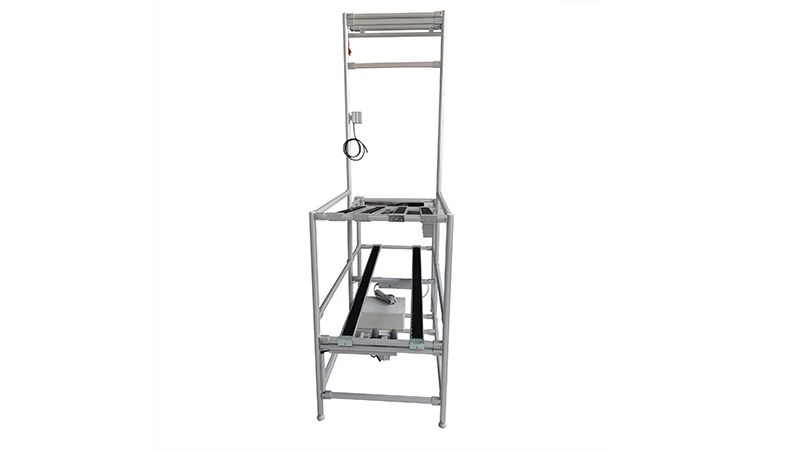
aluminum-tube-workbench-is-more-flexible-and-durable,-compared-with-traditional-pe/abs-coated-steel-tube.-it-is-easy-to-assemble,-anti-corrosion,-rust-protection,-and-recycle-use-after-disassemble.
Walk into any manufacturing facility, workshop, or warehouse, and you'll notice one thing that ties every operation together: workstations. They're the silent backbone of productivity—where parts are assembled, tools are organized, and teams collaborate to keep production lines moving. But here's the catch: not all workstations are created equal. And when it comes to long-term value, the difference between a smart investment and a costly mistake can add up to tens of thousands of dollars over time.
Today, we're diving deep into a comparison that matters for businesses of all sizes: Aluminum Workbench C versus workstations made from traditional materials like wood and steel. We'll break down costs beyond the initial price tag, examining durability, maintenance, flexibility, and even productivity impacts. By the end, you'll understand why more teams are swapping out their old workbenches for aluminum-based solutions—and how this shift could save your operation money, time, and headaches in the long run.
Why "Long-Term Cost" Matters More Than Upfront Price
Let's start with a common scenario: A small electronics manufacturer needs to outfit a new production line. The purchasing team compares three options: a basic wooden workbench for $200, a steel workstation for $500, and Aluminum Workbench C for $800. On paper, wood looks like the "best deal." But fast-forward three years: the wooden bench is warped from spills, the steel one is rusted in spots and too heavy to reconfigure, and the aluminum workstation? It still looks brand-new, with zero rust, minimal scratches, and the ability to add a shelf or adjust height in 10 minutes. Which one was the real bargain?
This is the difference between upfront cost and total cost of ownership (TCO) —the sum of all expenses incurred over a product's lifespan, including maintenance, repairs, replacements, and even productivity losses from downtime. For workstations, TCO is often 3–5 times higher than the initial price tag, especially for materials that wear quickly or limit operational flexibility.
Aluminum Workbench C, built with high-grade aluminum profile and designed for the demands of lean manufacturing, is engineered to minimize TCO. But to prove that, we need to compare it head-to-head with the alternatives.
The Contenders: Wood, Steel, and Aluminum Workstations
Before we dive into the numbers, let's outline what each material brings to the table (pun intended):
Wood Workstations
Wood is the old reliable—familiar, easy to customize, and cheap upfront. Think plywood or particleboard tables with basic legs. They're popular in small workshops or low-volume settings where budget is the top priority. But wood's Achilles' heels? Moisture, scratches, and weight. Spills from cleaning supplies or lubricants seep in, causing warping or rot. Heavy tools leave permanent dents, and over time, the surface becomes uneven, making precision work impossible. Most wooden workstations last 2–3 years in industrial settings before needing replacement.
Steel Workstations
Steel is the tough guy. Welded steel frames and metal tops can handle heavy loads (think 500+ pounds) and resist impacts better than wood. They're common in automotive or heavy manufacturing, where durability is non-negotiable. But steel has its own issues: weight and corrosion. A steel workstation can weigh 200+ pounds, making it nearly impossible to move without machinery. Without proper coating, it rusts in humid environments or when exposed to chemicals. And if you need to reconfigure (e.g., add a shelf or shorten the length), you'll need a welder—hardly a quick fix.
Aluminum Workstations (Aluminum Workbench C)
Aluminum Workbench C sits in a league of its own, thanks to its aluminum lean pipe frame and modular aluminum profile construction. Aluminum is naturally corrosion-resistant (no rust, even in damp warehouses), lightweight (about 1/3 the weight of steel), and infinitely customizable. The magic lies in its modular design: using aluminum profile accessories like brackets, connectors, and shelf mounts, you can reconfigure the workstation in minutes—no welding or power tools needed. It's built for lean system principles, where adaptability and efficiency are key.

The Numbers: 10-Year Cost Breakdown
To truly understand long-term costs, let's model a 10-year timeline for a typical manufacturing workstation. We'll compare Aluminum Workbench C with a mid-range wooden workstation and a standard steel workstation, factoring in upfront cost, maintenance, replacements, and productivity losses.
| Cost Factor | Wood Workstation | Steel Workstation | Aluminum Workbench C |
|---|---|---|---|
| Upfront Cost | $200 | $500 | $800 |
| Replacement Frequency | Every 2 years (5 replacements in 10 years) | Every 5 years (2 replacements in 10 years) | No replacement needed (1 workstation in 10 years) |
| Total Replacement Cost | $200 x 5 = $1,000 | $500 x 2 = $1,000 | $0 |
| Annual Maintenance | $50 (sanding, refinishing, repairing warped surfaces) | $100 (rust treatment, repainting, welding repairs) | $10 (occasional cleaning, tightening accessories) |
| Total Maintenance (10 years) | $50 x 10 = $500 | $100 x 10 = $1,000 | $10 x 10 = $100 |
| Productivity Loss (Downtime) | 8 hours per replacement (5 replacements x 8 hours = 40 hours; $50/hour labor = $2,000) | 12 hours per replacement (2 replacements x 12 hours = 24 hours; $50/hour labor = $1,200) | 0 hours (no downtime for replacement) |
| Reconfiguration Costs | $300 (new custom cuts/modifications every 2 years) | $800 (welding, custom fabrication for reconfigurations) | $150 (aluminum profile accessories for 3 reconfigurations) |
| 10-Year Total Cost of Ownership | $200 + $1,000 + $500 + $2,000 + $300 = $4,000 | $500 + $1,000 + $1,000 + $1,200 + $800 = $4,500 | $800 + $0 + $100 + $0 + $150 = $1,050 |
The numbers speak for themselves: Over a decade, Aluminum Workbench C costs less than a third of wood or steel workstations. Even with its higher upfront price, the savings from zero replacements, minimal maintenance, and no downtime make it the clear long-term value.

Real-World Impact: Case Studies from the Field
Case Study 1: Automotive Parts Manufacturer Switches to Aluminum
A mid-sized automotive parts plant in Michigan was using 20 steel workstations on its assembly line. Each workstation weighed 250 pounds, making it impossible to rearrange when production needs changed. After 4 years, 80% of the steel surfaces showed rust from coolant spills, and the team was spending $2,000 annually on repainting and welding repairs. In 2020, they replaced all 20 steel workstations with Aluminum Workbench C units.
Three years later, the results are striking: No rust, zero repairs, and the ability to reconfigure the line in hours (instead of days) using aluminum profile accessories like adjustable shelves and tool hooks. The plant manager estimates they've saved $15,000 in maintenance alone, plus $30,000 in productivity gains from faster reconfigurations. "We used to avoid process changes because moving the steel workstations was such a hassle," he noted. "Now, we can adapt on the fly—and that's been a game-changer for meeting customer demands."
Case Study 2: Woodworking Shop Eliminates Replacement Cycles
A small woodworking shop in Oregon relied on wooden workbenches for years, replacing them every 2–3 years due to sawdust buildup, glue spills, and water damage. In 2019, the owner invested in 5 Aluminum Workbench C units, skeptical that aluminum could handle the heavy tools and rough use. Eight years later, those workbenches are still in service. The surface, while showing minor scratches, remains flat and stable, and the team has added custom tool rails and storage bins using aluminum profile brackets. "I thought aluminum would feel 'flimsy,'" the owner admitted, "but it's held up better than any wood bench I've ever owned. And I haven't spent a dime on replacements—money I've reinvested in new tools instead."

Beyond Cost: The Hidden Benefits of Aluminum Workbench C
While TCO is critical, aluminum workstations offer intangible benefits that further justify the investment:
Flexibility for Lean Manufacturing
Modern manufacturing thrives on agility. A lean system requires workstations that can adapt to new products, shorter runs, and changing workflows. Aluminum Workbench C's modular design—built around aluminum lean pipe frames and compatible with hundreds of accessories—lets you add a light, install a power strip, or adjust height without replacing the entire unit. This flexibility reduces the need for new equipment, keeping costs low even as your business evolves.
Worker Safety and Comfort
Steel workstations are heavy, increasing the risk of back injuries when moving or adjusting them. Aluminum Workbench C weighs 60–70 pounds (compared to 200+ pounds for steel), making it easy for one person to reposition. The smooth aluminum surface also resists splinters and sharp edges, reducing workplace injuries. Safer workers mean fewer absences and lower workers' comp costs—another hidden TCO win.
Sustainability
Aluminum is 100% recyclable, and its production uses 95% less energy than creating new aluminum from raw materials. For businesses prioritizing sustainability (and facing increasing pressure from customers and regulators to reduce waste), aluminum workstations align with green initiatives. Unlike wood (which contributes to deforestation) or steel (which requires energy-intensive mining), aluminum is a circular material—even at the end of its lifespan, it can be recycled into new products.
Is Aluminum Workbench C Right for You?
Aluminum Workbench C isn't just a workstation—it's an investment in your operation's efficiency, flexibility, and bottom line. But it's not the right fit for every scenario. Here's how to decide:
- You prioritize long-term savings over upfront cost. If you plan to stay in your current space or scale operations, aluminum's TCO will shine.
- Your workflow changes regularly. Modular design makes reconfiguration fast and cheap.
- Your environment is harsh. Humidity, chemicals, or heavy use will wear down wood and steel quickly—aluminum thrives here.
- Sustainability matters to your brand. Aluminum's recyclability aligns with eco-friendly goals.
On the flip side, if you're running a temporary workspace (e.g., a pop-up shop) or have extremely low-volume, low-impact tasks (e.g., light office work), a cheaper material might suffice. But for most industrial, manufacturing, or workshop settings, aluminum is the smart long-term choice.
Conclusion: Invest in Workstations That Grow With You
When you buy a workstation, you're not just buying a table—you're buying years of productivity, reliability, and adaptability. Wood and steel might seem cheaper on day one, but their hidden costs add up: replacements, repairs, downtime, and missed opportunities to innovate.
Aluminum Workbench C, with its aluminum profile construction, modular design, and focus on lean system efficiency, is built to outlast and outperform traditional materials. It's an investment that pays dividends in lower TCO, happier workers, and a more agile operation.
So, the next time you're shopping for workstations, ask yourself: "What will this cost me in 10 years?" The answer might just lead you to aluminum—and a future where your workbench works as hard as your team does.