- Company Articles
- Products and Technology
- Product knowledge
- Long-Term Durability of 4040F EU Standard Aluminum Profile: Lifespan & Maintenance Tips

Long-Term Durability of 4040F EU Standard Aluminum Profile: Lifespan & Maintenance Tips
Related Product
4040F EU Standard Aluminum Profile
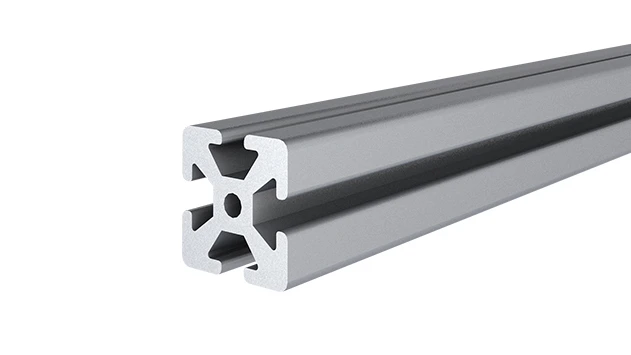
4040F is a 4.00x4.00 CM fractional 40 series square extrusion T-slot profile with four side open T-slots, each side with 4.00cm face. The profile has align-a-grooves to assist in aligning connecting profiles.
Walk into any busy manufacturing workshop, warehouse, or even a small-scale DIY studio, and you'll likely spot a common workhorse: aluminum profiles. They're the silent backbone of workbenches, material racks, conveyor systems, and lean manufacturing setups. But not all aluminum profiles are created equal. If you've ever dealt with wobbly workstations, rusted frames, or frequent part replacements, you know the frustration of choosing the wrong material. That's where the 4040F EU Standard Aluminum Profile comes in—a product designed not just for function, but for longevity. In this article, we'll dive into what makes this profile a standout choice, how long it can realistically last, and the simple maintenance habits that will keep it performing at its best for decades.
What Exactly Is the 4040F EU Standard Aluminum Profile?
Before we talk about durability, let's get clear on what the 4040F EU Standard Aluminum Profile is. At its core, it's a rectangular aluminum extrusion with a cross-section of 40mm by 40mm—hence the "4040" in its name. The "F" typically refers to a specific design variant, often with standardized T-slots (those handy grooves running along the length) that make it compatible with a wide range of aluminum profile accessories, from connectors and end caps to brackets and panels.
But what really sets the "EU Standard" apart? EU standards are known for their strict quality and safety benchmarks. This means the 4040F profile isn't just extruded from any aluminum alloy—it's made from high-grade materials (often 6063-T5 aluminum, a popular choice for its excellent strength-to-weight ratio and corrosion resistance) and manufactured using precision extrusion processes. These processes ensure uniform thickness, smooth surfaces, and consistent structural integrity across every meter of the profile.
Think of it like buying a tool: You could grab a generic wrench from a discount bin, or you could invest in one from a trusted brand that meets industry standards. The 4040F EU Standard profile is the latter. Its T-slot design, for example, isn't just a convenience—it's engineered to distribute weight evenly when paired with the right accessories, reducing stress on individual joints and extending the overall lifespan of the structure it's part of.
Why Does Durability Matter? The Hidden Costs of Short-Lived Equipment
You might be thinking, "Durability is great, but isn't it more expensive upfront?" It's a fair question. But let's crunch the numbers. Imagine you buy a basic workbench frame for $200 that lasts 3 years before joints loosen and rust sets in. Over 15 years, that's 5 replacements, totaling $1000. Now, a 4040F EU Standard Aluminum Profile workbench might cost $400 upfront, but with proper care, it could last 20 years. That's half the cost over twice the time—plus, you avoid the hassle of frequent replacements, downtime for repairs, and the safety risks of unstable equipment.
Durability also ties directly to operational efficiency. In a lean system, where every second counts, a wobbly material rack or a workbench that can't support heavy tools disrupts workflows. Employees waste time adjusting unstable setups or waiting for replacements, and morale takes a hit when equipment feels flimsy. The 4040F profile, with its robust design, minimizes these disruptions, letting teams focus on what matters: getting the job done right.

The Science Behind Its Longevity: What Makes 4040F Profiles Last?
So, what gives the 4040F EU Standard Aluminum Profile its impressive lifespan? It's a mix of material science, engineering design, and manufacturing precision. Let's break it down:
1. Aluminum's Natural Advantages
Aluminum is inherently corrosion-resistant, thanks to a thin oxide layer that forms on its surface when exposed to air. This layer acts as a shield, preventing rust and degradation—unlike steel, which requires regular painting or coating to avoid corrosion. For indoor environments like workshops or factories, this means minimal upkeep. Even in slightly humid or dusty settings, the profile holds up well. For outdoor use (though less common), adding a protective coating like anodizing or powder coating can further boost its resistance to the elements.
Another key trait is aluminum's strength-to-weight ratio. It's lightweight enough to be easily assembled and reconfigured (a boon for lean systems that need flexibility) but strong enough to support heavy loads. A 40x40mm profile can typically handle hundreds of kilograms of weight when properly braced, making it ideal for workbenches, shelving, and even light-duty conveyor systems.
2. Precision Extrusion: Consistency is Key
The 4040F profile is made using an extrusion process, where heated aluminum alloy is pushed through a die to form its specific shape. EU standards mandate tight tolerances here—meaning each profile is nearly identical in dimensions, wall thickness, and T-slot alignment. Why does this matter? Inconsistent extrusion can lead to weak spots, uneven weight distribution, or difficulty fitting accessories. A precisely extruded profile ensures that every section is as strong as the next, reducing the risk of premature failure.
3. T-Slot Design: Strength in Connections
The T-slots running along the profile's length aren't just for attaching shelves or panels—they're a structural feature. When paired with aluminum profile accessories like bolts, nuts, and connectors, they create a secure, rigid joint that distributes stress across the profile rather than concentrating it in one spot. Unlike welded connections (which can weaken over time due to vibration or thermal stress), T-slot connections can be tightened or adjusted as needed, keeping the structure stable for years.
4. Quality Surface Treatments
Many 4040F profiles come with surface treatments that enhance durability. Anodizing, for example, increases the thickness of the natural oxide layer, making the surface harder and more scratch-resistant. Powder coating adds a colored, protective layer that resists chipping and fading. These treatments don't just improve appearance—they act as an extra barrier against wear, chemicals, and moisture, extending the profile's lifespan even further.
How Long Can You Expect It to Last? Realistic Lifespan Estimates
Let's cut to the chase: How many years can you get out of a 4040F EU Standard Aluminum Profile? The answer depends on a few factors—where it's used, how it's maintained, and the load it bears—but in most cases, you're looking at 15 to 20 years of reliable service. In ideal conditions (indoor, moderate use, regular maintenance), some profiles even hit the 25-year mark.
To put that in perspective, let's compare it to other common materials:
- Steel profiles : While strong, steel is prone to rust if not regularly painted or galvanized. Indoors, they might last 10-15 years; outdoors, maybe 5-8 years without heavy maintenance.
- Plastic or PVC profiles : Lightweight and cheap, but they degrade under UV light, warp with heat, and can't handle heavy loads. Expect 3-5 years at best.
- Non-standard aluminum profiles : Made with lower-grade alloys or shoddy extrusion, these might last 5-10 years before joints loosen or structural weaknesses appear.
What shortens lifespan? Harsh outdoor conditions (constant rain, saltwater, extreme temperatures), overloading beyond the profile's weight capacity, neglecting maintenance (letting dirt and grime build up, ignoring loose joints), or using low-quality accessories that wear out quickly. But with basic care, the 4040F profile easily outlasts most alternatives.
Maintenance 101: Simple Habits to Maximize Lifespan
The good news? Maintaining a 4040F EU Standard Aluminum Profile isn't complicated. It's about regular, small actions that prevent big problems later. Here's a breakdown of the essential tasks:
1. Keep It Clean
Dust, oil, and debris might seem harmless, but over time, they can trap moisture (leading to corrosion) or scratch the surface (damaging protective coatings). Aim to wipe down the profile with a soft cloth or sponge every 2-4 weeks. For tougher grime (like oil spills), use a mild detergent mixed with warm water—avoid abrasive cleaners or steel wool, which can scratch the finish. Rinse with clean water and dry thoroughly to prevent water spots.
2. Inspect Regularly for Wear and Tear
Set a quarterly inspection schedule to check for signs of trouble:
- Joints and connections : Are bolts or connectors loose? Tighten them with a hex key or wrench—loose joints create stress points that weaken the structure over time.
- Corrosion : Look for white or grayish spots (aluminum oxide) or pitting. A small amount of oxide is normal (it's the protective layer), but heavy buildup or pitting means moisture is getting trapped—clean the area and consider applying a corrosion inhibitor if needed.
- Surface damage : Check for dents, scratches, or cracks. Minor scratches are usually cosmetic, but deep cracks or dents in load-bearing areas might require replacing the section.
3. Lubricate Moving Parts
If your setup includes moving components—like caster wheels on a workbench or sliding panels—keep them lubricated. Use a silicone-based lubricant (avoid oil-based products, which attract dust) on T-slot nuts, rollers, or hinges every 6 months. This reduces friction, prevents squeaking, and extends the life of both the profile and its accessories.
4. Address Repairs Promptly
Don't ignore small issues. A loose connector today can lead to a wobbly shelf tomorrow, which puts extra strain on the entire structure. replace worn-out accessories (like cracked end caps or bent brackets) as soon as you notice them—most aluminum profile accessories are affordable and easy to swap out. For major damage (e.g., a bent profile), replace the section rather than trying to bend it back, which weakens the material.
5. Protect It from Extreme Conditions
If you're using the profile outdoors or in harsh environments (like a humid warehouse or a workshop with chemical exposure), take extra steps:
- Choose anodized or powder-coated profiles for added protection.
- Cover exposed sections during heavy rain or snow.
- Use corrosion-resistant accessories (stainless steel bolts instead of regular steel).
Quick Maintenance Schedule Table
| Maintenance Task | Frequency | Tools Needed | Key Benefits |
|---|---|---|---|
| Surface cleaning | Every 2-4 weeks | Soft cloth, mild detergent, water | Prevents debris buildup and corrosion |
| Joint inspection & tightening | Quarterly | Hex key, wrench | Maintains structural stability |
| Lubrication of moving parts | Every 6 months | Silicone lubricant, rag | Reduces friction and wear |
| Full structural inspection | Annually | Flashlight, ruler (for checking alignment) | Catches hidden damage early |
Real-World Applications: Where 4040F Profiles Shine
To truly appreciate the 4040F's durability, let's look at how it's used in the real world. These examples show why it's a favorite among manufacturers, workshop owners, and lean system suppliers:
1. Workbenches: The Heart of the Workshop
A sturdy workbench is non-negotiable in any workshop, and 4040F profiles are a top choice for building them. Take the "Workbench E (single deck-without caster)" mentioned in many supplier catalogs—it's often constructed with 4040F profiles for the frame, paired with a plywood or aluminum honeycomb top. These workbenches handle daily use: clamping tools, heavy parts, and constant movement. With proper maintenance, they stay level and stable for decades, outlasting cheaper particleboard or steel-framed alternatives that warp or rust.
2. Lean Manufacturing Systems
Lean system suppliers rely on 4040F profiles to build modular production lines, material racks, and kanban systems. The T-slot design makes it easy to reconfigure layouts as workflows change—no welding or cutting required. For example, a "Material Rack B (3 row and 3 floor)" might use 4040F profiles for its uprights and beams, supporting heavy boxes of components without bending. Over time, as production needs shift, the same rack can be modified to add shelves or adjust heights, extending its utility far beyond a fixed steel rack.
3. Conveyor and Roller Track Systems
Conveyor systems need to withstand constant motion and heavy loads, and 4040F profiles provide the rigidity required. They're often used as frames for roller tracks, with aluminum guide rails (like "Aluminum Guide Rail A" or "Plastic Roller Track Guide Rail Yellow") attached via T-slot nuts. The lightweight nature of aluminum also reduces strain on motors, making the entire system more energy-efficient and less prone to breakdowns.
Choosing the Right Supplier: Why Quality Starts at the Source
Even the most durable profile design can fail if the manufacturing quality is poor. That's why choosing a reputable lean system supplier or aluminum profile supplier matters. Here's what to look for:
- EU Standard Compliance : Ensure the supplier can provide certification that their 4040F profiles meet EU standards (e.g., EN 755 for aluminum extrusions). This guarantees material quality, dimensional accuracy, and safety.
- Extrusion Expertise : Ask about their extrusion process—modern, well-maintained equipment produces more consistent profiles. A supplier with in-house testing labs (for strength, corrosion resistance) is a plus.
- Accessory Quality : A good supplier offers high-quality aluminum profile accessories—strong connectors, durable end caps, and compatible fasteners. Cheap accessories can weaken the entire structure, even if the profile itself is top-notch.
- Customer Support : Look for suppliers who offer technical advice, from helping you design a workbench to troubleshooting installation issues. Responsive support can save you time and money in the long run.
Don't be tempted by the lowest price tag—subpar profiles might cost less upfront, but they'll need replacing sooner, erasing any savings. Investing in a trusted supplier ensures you get the full 15-20 year lifespan out of your 4040F profiles.
Common Misconceptions: Debunking Myths About Aluminum Profiles
Let's clear up some myths that might be holding you back from choosing 4040F profiles:
Myth 1: "Aluminum is too soft for heavy use."
False. While pure aluminum is soft, the 4040F profile uses aluminum alloys (like 6063-T5) that are heat-treated for strength. They're more than capable of supporting heavy loads—up to 500kg per linear meter in some configurations. In fact, their strength-to-weight ratio often makes them a better choice than steel for applications where weight matters (like mobile workbenches).
Myth 2: "Aluminum profiles don't need maintenance."
Partially true—they need less maintenance than steel, but "no maintenance" is a stretch. Regular cleaning and inspections are still necessary to catch issues early. Think of it like a car: even a reliable model needs oil changes and tune-ups.
Myth 3: "They're only for industrial use—too expensive for small workshops."
Not anymore. As aluminum extrusion technology has improved, prices have become more accessible. For small workshops or DIY enthusiasts, 4040F profiles are a cost-effective investment. You can start with a simple workbench and expand later by adding shelves or racks—no need to replace the entire setup.
Final Thoughts: Investing in Durability Pays Off
The 4040F EU Standard Aluminum Profile isn't just a piece of metal—it's an investment in your workspace's efficiency, safety, and long-term cost-effectiveness. Its blend of strength, corrosion resistance, and versatility makes it a standout choice for everything from workbenches to lean manufacturing systems. With a lifespan of 15-20 years and simple maintenance habits, it outperforms most alternatives, saving you time, money, and headaches down the line.
Whether you're a seasoned manufacturer looking to upgrade your production line or a small business owner building your first workshop, remember this: The right tools and materials make all the difference. And when it comes to durability, the 4040F EU Standard Aluminum Profile delivers—day in, day out, for decades.