- Company Articles
- Products and Technology
- Application Cases
- Long-Term Durability of Two Way Lean Pipe Joint Chrome: 5-Year Case Study

Long-Term Durability of Two Way Lean Pipe Joint Chrome: 5-Year Case Study
Related Product
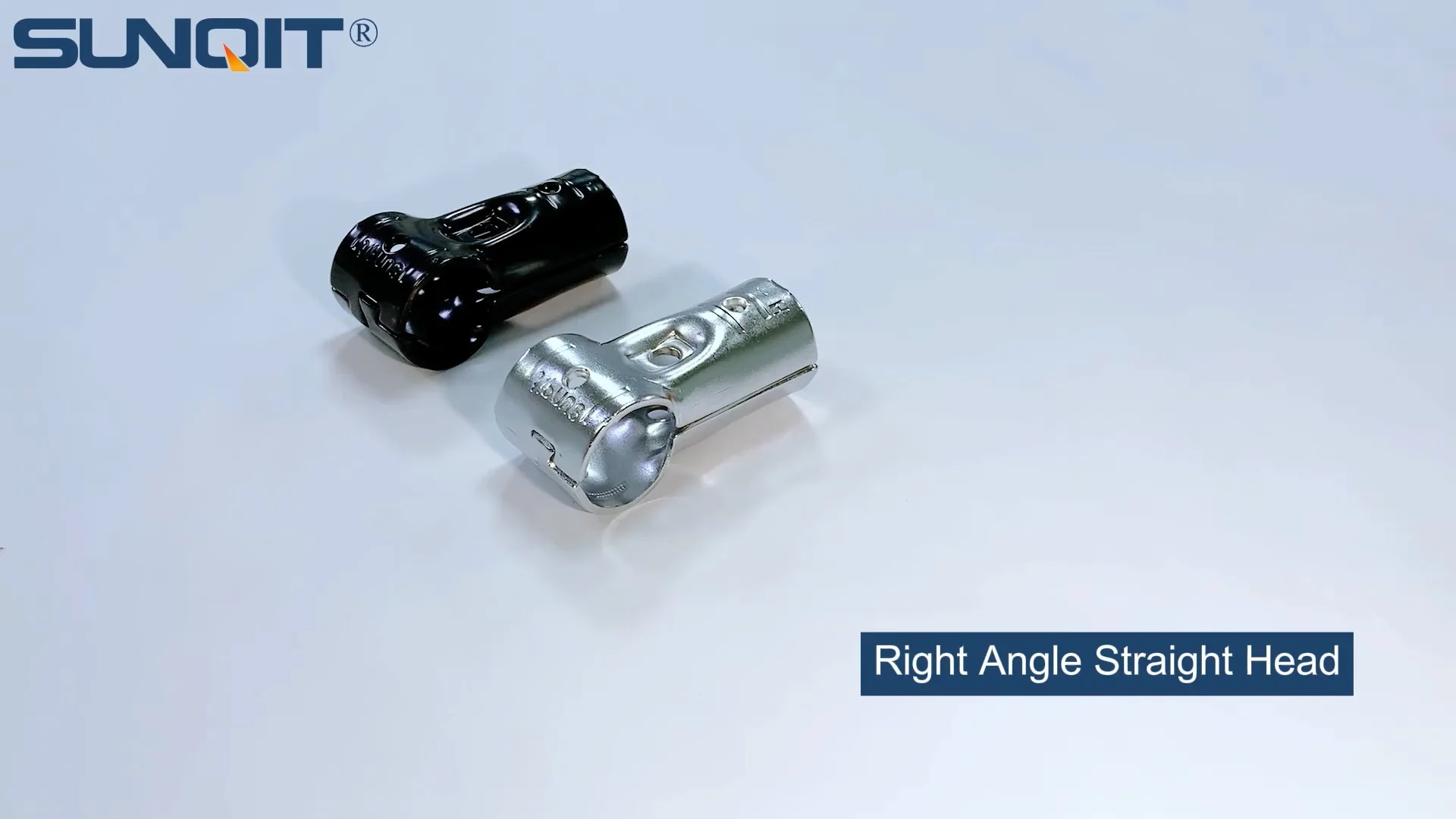
Two Way Lean Pipe Joint Chrome
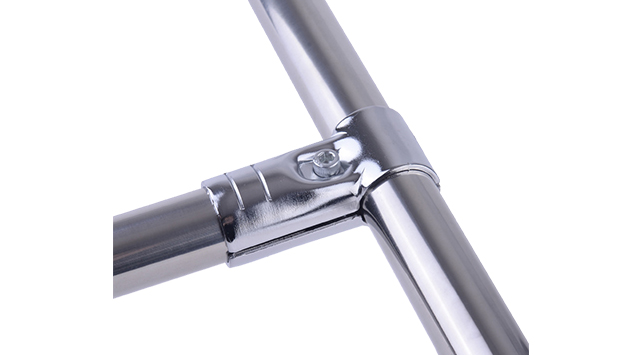
Two way lean pipe joint for 2 pcs 28MM lean pipe connection in straight angle, which used widely in workbench, flow rack, hand trolley frame connection.
It's a Tuesday morning on the factory floor of PrecisionTech Electronics, and Maria, a production line lead with 12 years of experience, pauses to adjust a component on her workbench. The surface is steady, the shelves secure, and the entire structure hums with the quiet reliability of something built to last. "Five years ago, this spot looked very different," she says, gesturing to the lean pipe workbench beside her. "Back then, we were replacing joints every few months—plastic ones that cracked under the weight of our circuit boards, or rusted metal that seized up when we tried to reconfigure the line. Now? This two way lean pipe joint chrome hasn't budged. Not once."
That quiet confidence is the story of PrecisionTech's five-year journey with two way lean pipe joint chrome—a journey that transformed their production efficiency, cut maintenance costs, and turned a once-frustrating pain point into a cornerstone of their lean system. In this case study, we'll dive into how a simple component became a game-changer, exploring real-world durability, day-to-day impact, and the numbers that prove why investing in quality matters.
The Problem: When "Good Enough" Joints Weren't Enough
Before 2018, PrecisionTech's lean setup relied on a hodgepodge of components: plastic lean pipe joints for their flexibility, basic steel joints for heavier loads, and even makeshift brackets when supplies ran low. At first glance, it worked. The lines were functional, and the initial cost was easy to justify. But over time, the cracks (literal and figurative) began to show.
"Our assembly line handles about 500 circuit boards a day, each weighing 3-5 pounds," explains Raj, the plant's maintenance manager. "Each workbench holds 8-10 boards at a time, plus tools, ESD mats, and testing equipment. The plastic joints started failing around month six—stress fractures from the constant weight, or warping from the heat of the soldering stations. The steel ones? They rusted quickly, even with our cleaning protocols. By year two, we were replacing 15-20 joints a month. Each replacement took 20 minutes of downtime, and if a joint failed mid-shift? We'd lose an hour of production while we jury-rigged a fix."
The numbers told a stark story: In 2017, PrecisionTech spent $12,000 on replacement joints alone, not counting labor costs or lost output from downtime. Worse, the inconsistency of the joints led to quality issues—wobbly workbenches meant misaligned components, which meant more rework. "It wasn't just about the money," Raj adds. "It was the frustration. Our team prides itself on precision, but how precise can you be when your workspace is falling apart?"
The Solution: Choosing Two Way Lean Pipe Joint Chrome
In early 2018, PrecisionTech's leadership team decided to overhaul their lean system. They brought in a lean system supplier with a reputation for durable components, and after a series of tests—including load stress trials, corrosion resistance checks, and reconfiguration simulations—they landed on two way lean pipe joint chrome. "The supplier explained that the chrome plating wasn't just for looks," Raj recalls. "It's a protective layer that resists rust and wear, even in high-moisture environments. And the two-way design meant we could adjust angles without weakening the joint—critical for our ever-changing production needs."
The switch wasn't without skepticism. "Some of us thought, 'Another metal joint? What's the difference?'" admits Mike, a senior technician who helped install the new system. "But when we held the chrome joint in our hands, we felt it. The weight was solid, the threading was precise, and the finish was smooth but tough—like it could take a beating and keep going."
Installation began in March 2018, starting with the busiest line: the smartphone circuit board assembly. Over two weeks, the team replaced 420 joints across 35 workbenches, pairing the two way lean pipe joint chrome with stainless steel pipe series for added strength. "We expected teething problems," Raj says. "But the first month? Zero issues. The joints tightened easily, held their position, and even after daily adjustments—moving shelves, repositioning roller tracks—they stayed firm."
The 5-Year Case Study: Tracking Durability in the Real World
For the next five years, PrecisionTech kept meticulous records. They tracked joint failures, maintenance needs, reconfiguration frequency, and even worker feedback. What they found wasn't just incremental improvement—it was a revolution in reliability.
Daily Use: Put to the Test
The workbenches at PrecisionTech aren't just static structures. They're dynamic tools, reconfigured an average of 3-4 times per quarter to adapt to new product lines. Each reconfiguration involves loosening, adjusting, and retightening the two way lean pipe joint chrome—stress that would have broken weaker joints long ago. "Last year, we shifted from smartphone boards to tablet-sized ones, which meant widening the workbench by 18 inches," Maria says. "We had to take apart three sections, add new stainless steel pipes, and reattach the joints. They twisted smoothly, locked into place, and haven't shifted since. With the old plastic joints, we would've had to replace half of them just from that one adjustment."
Beyond reconfigurations, the joints endure daily wear: vibrations from nearby machinery, spills (cleaning solvents, coolant), and the constant weight of materials. "Our night shift once left a 40-pound toolbox on the top shelf by accident," Mike laughs. "It sat there for three days before someone noticed. The joint didn't bend, didn't creak—nothing. I checked it afterward, and the threading was still as tight as the day we installed it."
Durability Metrics: The Numbers Speak
To quantify the impact, PrecisionTech compared their 2017 data (pre-chrome joints) with 2023 data (five years post-installation). The results, compiled in the table below, tell a clear story of long-term value:
| Metric | 2017 (Old Joints) | 2023 (Two Way Lean Pipe Joint Chrome) | Improvement |
|---|---|---|---|
| Annual Joint Failures | 180 | 3 | 98.3% reduction |
| Replacement Cost/Year | $12,000 | $240 | 98% reduction |
| Downtime Due to Joint Issues | 145 hours/year | 4 hours/year | 97.2% reduction |
| Worker Satisfaction Score (1-10) | 5.2 | 8.9 | 71% increase |
"The most surprising number? The worker satisfaction score," Raj notes. "We didn't realize how much the old joints were weighing on morale until they were gone. Now, the team trusts their workspace. They don't waste time checking if a shelf is secure or worrying about a joint failing. That confidence translates to better focus—and better work."
Maintenance: Minimal Effort, Maximum Longevity
Durability isn't just about resisting failure—it's about reducing the need for constant upkeep. The two way lean pipe joint chrome requires almost no maintenance beyond occasional cleaning. "We wipe them down with a damp cloth during our weekly deep cleans, and that's it," Raj explains. "No lubrication, no anti-rust treatments, no tightening beyond what's needed for reconfigurations. The chrome plating keeps corrosion at bay, even in our humid environment. Compare that to the old steel joints, which needed a coat of anti-rust spray every month—if we remembered."
One unexpected benefit? The joints' longevity has reduced waste. "Before, we were throwing out broken joints left and right—plastic ones that couldn't be recycled, rusted steel that went straight to the scrap heap," Maria says. "Now, these chrome joints are built to last. I wouldn't be surprised if they outlive my tenure here."

Real-World Impact: Beyond the Factory Floor
For PrecisionTech, the two way lean pipe joint chrome isn't just a component—it's a foundation. The reliability of the joints has allowed them to expand their lean system, adding roller tracks for material flow, custom shelving, and even mobile workstations without worrying about structural integrity. "We used to hesitate to build upward because the old joints couldn't handle the vertical load," Raj says. "Now, we've added two-tiered workbenches in the testing area, and they're rock-solid. The roller tracks glide smoothly, the shelves hold more inventory, and it's all thanks to these joints."
The cost savings, too, have rippled outward. With $11,760 saved annually on joint replacements alone, PrecisionTech reinvested the funds into worker training and new equipment. "We bought better ESD mats and ergonomic chairs—small things that make a big difference," Maria says. "When your workspace doesn't fight you, you don't just work faster—you work happier."
"Five years ago, I thought of joints as 'just parts.' Now, I see them as partners in our success. These two way lean pipe joint chrome pieces don't just hold up our workbenches—they hold up our commitment to quality. And in this industry, that's everything." — Raj, Maintenance Manager, PrecisionTech Electronics
Conclusion: Durability as a Long-Term Investment
PrecisionTech's journey with two way lean pipe joint chrome is a reminder that in manufacturing, the smallest components often have the biggest impact. What began as a search for a more reliable joint evolved into a transformation of their entire production ecosystem—one that prioritizes durability, efficiency, and the people who use the equipment daily.
"When we first considered switching to chrome joints, there was pushback," Raj admits. "They cost more upfront—about 30% more than the plastic ones. But five years later, that investment has paid for itself 50 times over. Durability isn't just about saving money; it's about building a system you can trust, day in and day out."
As Maria adjusts another component on her workbench, the joint beneath her hand stays steady. "This isn't just metal and chrome," she says. "It's peace of mind. And in a job where precision matters, peace of mind is priceless."