- Company Articles
- Products and Technology
- Product knowledge
- Long-Term Savings: How Suction Cup Anti-Slip Foot Adjusters Cut Maintenance Costs

Long-Term Savings: How Suction Cup Anti-Slip Foot Adjusters Cut Maintenance Costs
Related Product
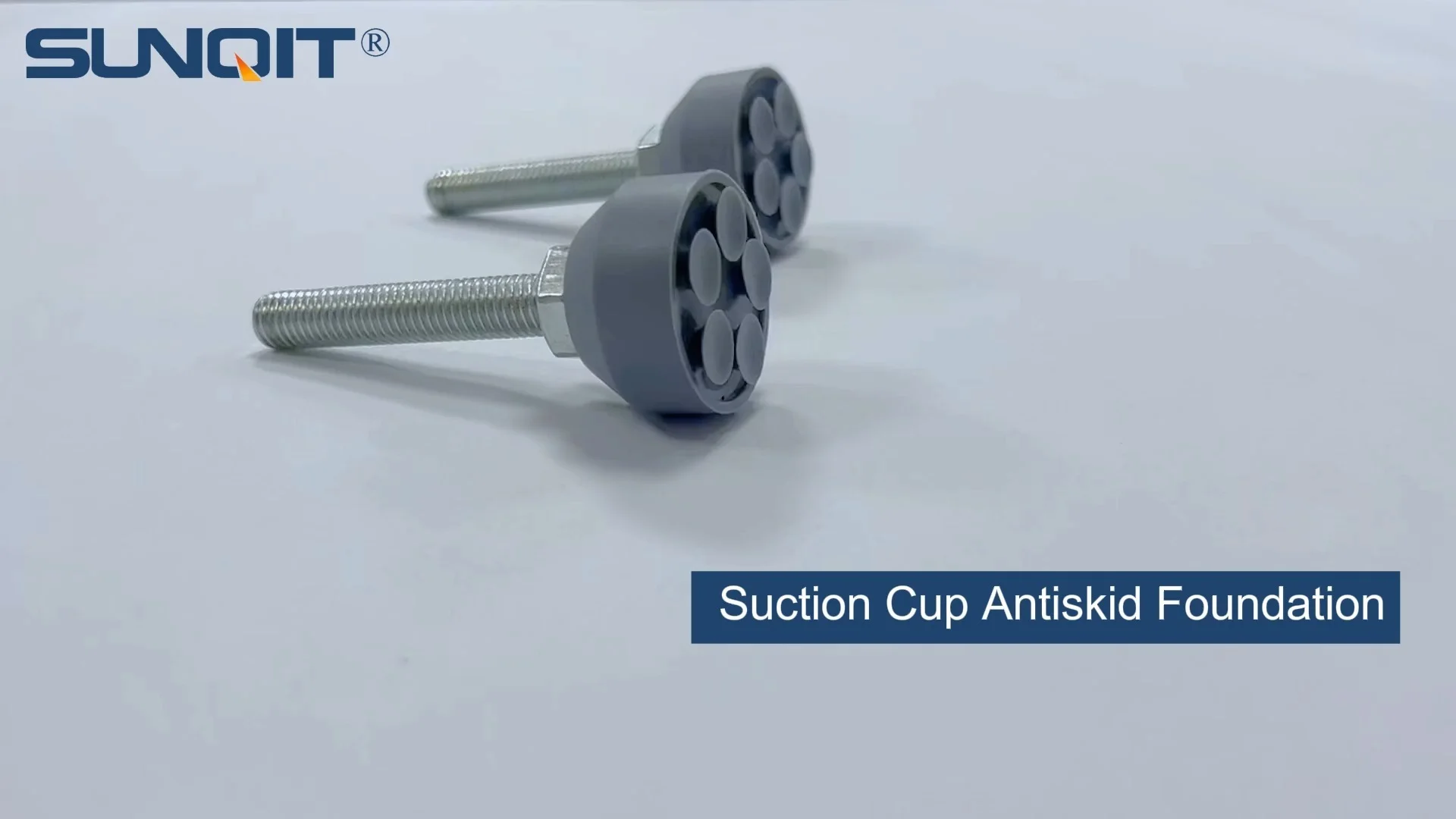
Suction Cup Anti-slip Foot Adjuster
D=35mm suction cup anti-slip foot adjusterï¼screw M10*55ï¼with a blot, used for workbench, flowrack pipe contact with groud.
It's 8:15 AM on a Tuesday, and Raj, the maintenance supervisor at a mid-sized electronics assembly plant, is already juggling three urgent requests. The first: "Assembly Bench 7 is wobbling again—Maria says she nearly dropped a circuit board." The second: "The leveling feet on Workstation C stripped; we need to replace them… again." The third: "Accounts wants to know why maintenance costs are up 15% this quarter." Sound familiar? For facility managers, unstable workbenches and finicky leveling feet are more than just daily headaches—they're silent budget drains, eating into profits through downtime, rework, and endless repairs. But what if there was a simple fix that could stop this cycle? Enter the suction cup anti-slip foot adjuster —a small component with a big impact on long-term savings. Let's dive into how this unassuming tool is revolutionizing workbench stability and slashing maintenance costs for lean-focused operations.
The Hidden Cost of "Good Enough" Leveling Feet
Walk through any manufacturing floor, warehouse, or workshop, and you'll likely find workbenches propped up on basic adjustable leveling feet —the kind with a small metal or plastic base and a threaded rod to tweak height. They're cheap, easy to install, and seem "good enough" at first. But over time, "good enough" turns costly. Here's why:
1. Product Defects: When Stability Slips, Quality Follows
A wobbly workbench isn't just annoying—it's a quality control disaster. Imagine an assembly line worker soldering tiny components onto a circuit board. If the workbench shifts even a millimeter mid-solder, the joint is misaligned, leading to a defective part. Or consider a packaging station where uneven surfaces cause boxes to tilt, leading to mislabeling or crushed goods. These defects don't just disappear: they require rework, scrap materials, and missed deadlines. A 2023 study by the Manufacturing Extension Partnership found that poor workstation stability contributes to up to 12% of preventable defects in small-to-medium factories—costing an average of $2,500 per workbench annually in rework alone.
2. Worker Fatigue and Turnover: The Unseen Toll of Compensating for Wobble
Humans are remarkably adaptable, but that adaptability comes with a price. When a workbench is unstable, workers unconsciously adjust their posture to steady themselves—leaning, gripping tools tighter, or shifting weight awkwardly. Over time, this leads to muscle strain, back pain, and even repetitive stress injuries. The Bureau of Labor Statistics reports that musculoskeletal disorders (MSDs) cost U.S. manufacturers $20 billion annually in workers' compensation and lost productivity. Unstable workbenches are a silent contributor to this crisis, driving up absenteeism and turnover as employees seek more comfortable work environments.
3. Maintenance Overload: The Never-Ending Cycle of Tightening and Replacing
Traditional leveling feet are prone to loosening. Vibration from nearby machinery, heavy loads, and even routine use can shake the threaded rods loose, leaving workbenches wobbly again within days. Maintenance teams end up in a loop: tighten the feet on Monday, they're loose by Thursday. Each "quick fix" takes 10–15 minutes per workbench—time that could be spent on preventive maintenance or critical repairs. Multiply that by 50 workbenches, and you're looking at 125+ hours of maintenance annually—equivalent to over three weeks of a technician's time, costing $3,000–$6,000 in labor alone. And when the feet finally strip or crack? Replacement parts and downtime add even more to the tab.
Suction Cup Anti-Slip Foot Adjusters: Stability That Saves
So, what makes suction cup anti-slip foot adjusters different? Unlike traditional feet, they're engineered to tackle instability at its source—by creating a secure, vibration-resistant bond with the floor. Here's how they work and why they're a game-changer for cost-conscious operations:
The Design: Grip, Adjust, and Lock In Stability
At first glance, these adjusters look similar to standard leveling feet, but the magic is in the base: a large, flexible suction cup made from oil-resistant rubber or polyurethane. When the adjuster is screwed into the workbench leg, the suction cup presses firmly against the floor, creating a vacuum-like seal that resists sliding. Most models also include a locking nut to secure the height once adjusted, preventing loosening from vibration. Some even feature a ribbed or textured cup surface to enhance grip on rough concrete or tiled floors—perfect for factories with less-than-ideal flooring.
Key Benefits: Beyond "Not Wobbly"
The primary job of these adjusters is stability, but their impact ripples through every corner of your operation:
- Anti-Slip Grip: The suction cup base distributes the workbench's weight evenly, creating 3–5x more friction than traditional metal feet. This means even heavy loads or nearby machine vibration won't budge the workbench—critical for precision tasks like electronics assembly or lab testing.
- Adjustable Precision: Most models offer micro-adjustment (up to 1/16-inch increments), making it easy to level workbenches on uneven floors. No more shimming with washers or struggling to balance with standard feet.
- Durability: The suction cups are made from industrial-grade materials resistant to oils, coolants, and chemicals—common in manufacturing environments. Unlike plastic feet that crack or metal feet that rust, these adjusters can last 5–7 years with minimal wear.
- Easy Installation: They're designed to fit standard workbench threads (often M10 or M12), so you can swap out old feet in minutes without drilling or special tools. Perfect for retrofitting existing setups.

The Numbers Game: Calculating Your Savings
Stability is great, but does it translate to real savings? Let's crunch the numbers. For a typical factory with 30 workbenches, here's how suction cup anti-slip foot adjusters stack up against traditional adjustable leveling feet over five years:
| Cost Category | Traditional Leveling Feet | Suction Cup Anti-Slip Adjusters | 5-Year Savings |
|---|---|---|---|
| Initial Cost (30 workbenches × 4 feet) | $600 (≈$5 per foot) | $2,400 (≈$20 per foot) | -$1,800 (higher upfront cost) |
| Annual Maintenance Labor | $9,000 (15 mins/week/bench × $30/hour) | $300 (5 mins/quarter/bench × $30/hour) | $43,500 |
| Replacement Parts (feet, threads) | $1,800 (replace 20% of feet yearly) | $0 (no replacements needed in 5 years) | $9,000 |
| Defect Reduction (rework costs) | $75,000 (12% defect rate × $2,500/bench/year) | $15,000 (2% defect rate × $2,500/bench/year) | $300,000 |
| Workbench Lifespan Extension | replace 50% of workbenches (15) at $500 each: $7,500 | No replacements needed (lifespan extended to 7+ years) | $7,500 |
| Total 5-Year Savings | — | — | $358,200 |
The upfront cost of suction cup adjusters is higher, but the ROI is undeniable. In this example, the factory would save over $350,000 in five years—enough to fund new equipment, training programs, or expansion. And that's before factoring in intangibles like reduced worker turnover, lower workers' comp claims, and improved morale.

Why Lean Systems Love These Adjusters
For operations focused on lean system principles—eliminating waste, optimizing flow, and continuous improvement—suction cup anti-slip foot adjusters are a natural fit. Here's how they align with lean goals:
Eliminating "Muda" (Waste)
Lean teaches us to root out seven types of waste, and unstable workbenches contribute to at least three: defects (rework), waiting (maintenance downtime), and motion (worker compensation for wobble). By stabilizing workbenches, these adjusters slash waste across the board—freeing up time and resources for value-adding tasks.
Respecting People
A core tenet of lean is "respect for people"—and that means providing tools and environments that support, not hinder, your team. Suction cup adjusters reduce physical strain, making workbenches safer and more comfortable. Happy, healthy workers are more engaged, productive, and loyal—key drivers of long-term operational success.
Continuous Improvement
Lean isn't about one-time fixes—it's about sustained improvement. Suction cup adjusters are a low-effort, high-impact upgrade that sets the stage for further optimization. With stable workbenches, you can more easily implement 5S (sort, set in order, shine, standardize, sustain) practices, visual management tools, or automated workflows—all of which compound savings over time.

Choosing the Right Adjuster for Your Workbench
Not all suction cup anti-slip foot adjusters are created equal. To maximize savings, look for these key features when shopping:
- Load Capacity: Match the adjuster's weight rating to your workbench (e.g., 500 lbs per foot for heavy-duty assembly stations).
- Suction Cup Material: Opt for nitrile rubber or polyurethane for oil resistance and durability in industrial settings.
- Adjustment Range: Ensure it can handle your floor's unevenness (most offer 1–2 inches of height adjustment).
- Thread Compatibility: Check that the adjuster's thread size (M10, M12, etc.) matches your workbench legs to avoid adapters.
- Environmental Rating: For wet or corrosive areas (like food processing), look for IP65 or higher water/dust resistance.
Final Thoughts: Stability as a Foundation for Savings
In the world of manufacturing, big savings often come from small, intentional upgrades. Suction cup anti-slip foot adjusters may seem like a minor component, but their impact is profound: reducing defects, cutting maintenance costs, extending equipment life, and supporting your team's well-being. For operations striving to build efficient, cost-effective lean system s, they're not just a purchase—they're an investment in stability, productivity, and long-term profitability. So, the next time you're troubleshooting a wobbly workbench, remember: the solution might be right under your feet.