- Company Articles
- Products and Technology
- Product knowledge
- Longevity of Parallel Rotatory Lean Pipe Joint Chrome: Expected Lifespan

Longevity of Parallel Rotatory Lean Pipe Joint Chrome: Expected Lifespan
Related Product
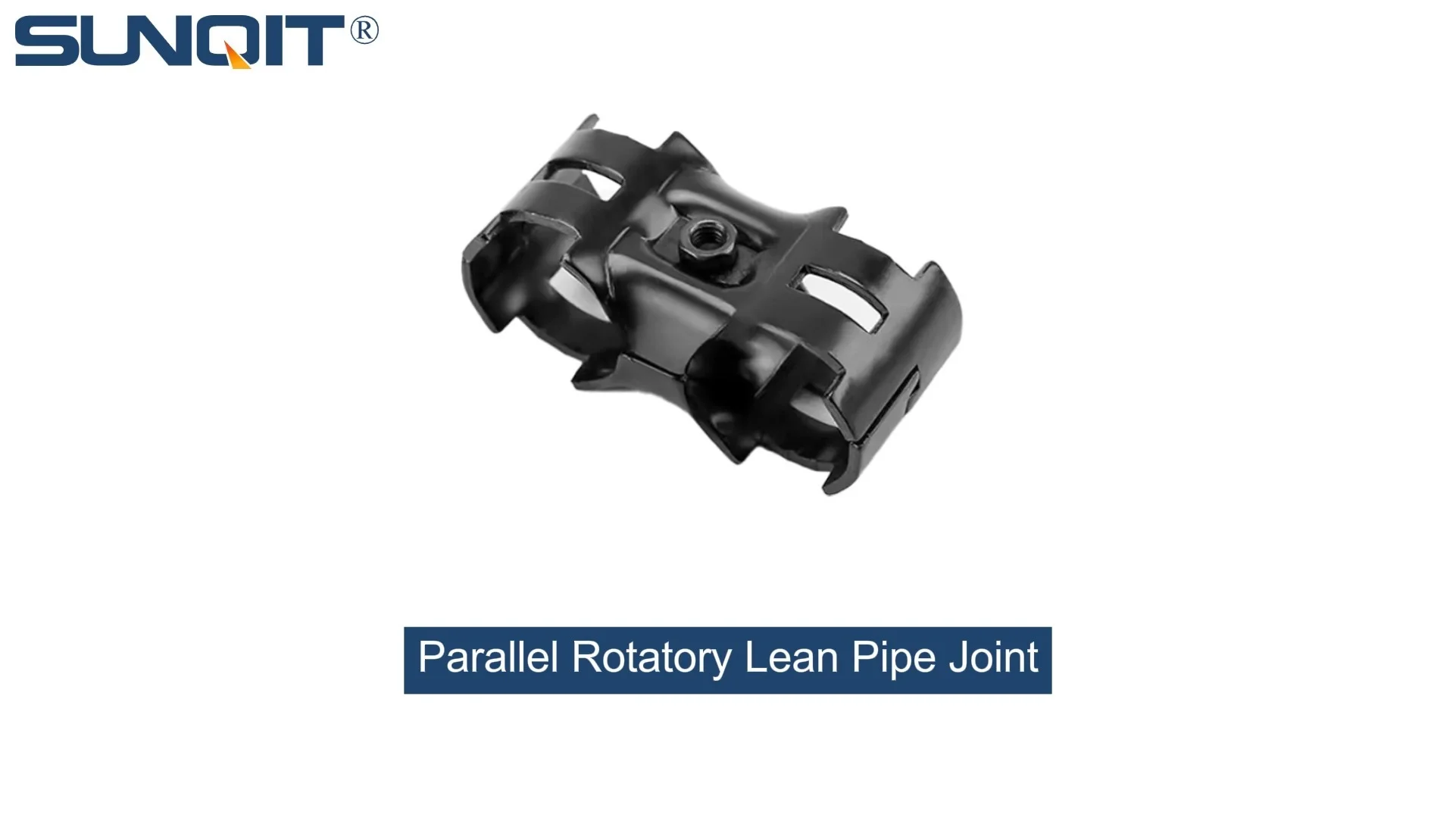
Parallel Rotatory Lean Pipe Joint
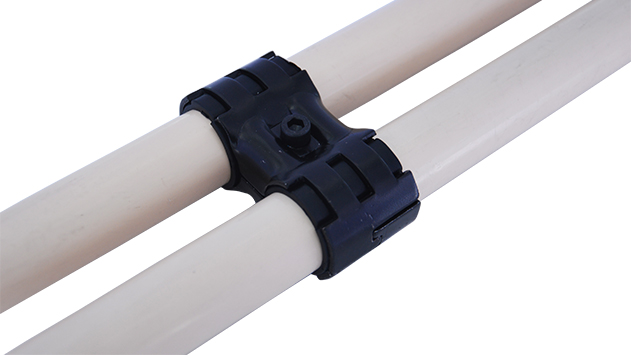
Parallel rotatory lean pipe joint, for 2 pcs pipe conenction in parallel direction with rotatory function.
In the fast-paced world of lean manufacturing, where every second counts and efficiency is the backbone of productivity, it's easy to overlook the small components that keep the entire operation running smoothly. We often celebrate the big machines, the advanced software, or the high-tech assembly lines—but what about the unsung heroes holding it all together? Take a walk through any busy factory, and you'll see them: the unassuming joints connecting pipes, the hinges allowing flexibility, the tiny but critical parts that turn a static structure into a dynamic, functional workspace. Among these, the Parallel Rotatory Lean Pipe Joint Chrome stands out as a workhorse, quietly ensuring that lean pipes, workbenches, and material racks stay sturdy, flexible, and reliable. But how long can we expect these joints to last? And what factors influence their lifespan? Let's dive into the details, exploring the design, materials, and real-world performance that determine just how much mileage you can get out of this essential component.
What Is the Parallel Rotatory Lean Pipe Joint Chrome, Anyway?
Before we talk about lifespan, let's make sure we're all on the same page about what this joint actually does. At its core, a lean pipe joint is the "glue" of lean systems—literally connecting the pipes that form workbenches, flow racks, turnover trolleys, and other structures. But not all joints are created equal. The "parallel rotatory" designation here is key: unlike fixed joints that lock pipes into a rigid angle, this type allows for controlled rotation along a parallel axis. Imagine a workbench where a section needs to swing out to load materials, or a material rack where a shelf tilts to unload parts—this joint makes that movement possible without compromising stability.
Then there's the "chrome" part. Chrome plating isn't just for aesthetics (though it does give the joint a sleek, professional look). It's a protective layer applied to the base metal (typically steel) through a process called electroplating, which bonds a thin layer of chromium to the surface. This coating adds (hardness), resists corrosion, and reduces wear—all critical for a component that's often exposed to dust, moisture, and regular use in industrial settings. When you combine that with the "parallel rotatory" functionality, you get a joint that's not just strong, but versatile: it can handle both static loads and dynamic movement, making it a favorite in environments where adaptability is key, like electronics assembly lines or automotive part manufacturing.
The Building Blocks: Materials and Construction
To understand why some joints last longer than others, we need to start with what they're made of. The Parallel Rotatory Lean Pipe Joint Chrome isn't just a hunk of metal with a shiny coating—it's a carefully engineered component where every detail matters. Let's break down its construction:
Base Material: Most of these joints start as steel, chosen for its high tensile strength and durability. Steel can withstand heavy loads without bending or warping, which is essential when the joint is holding up a workbench loaded with tools or a material rack stacked with components. Some manufacturers use low-carbon steel for cost-effectiveness, while others opt for alloy steel for added strength—though this can vary by supplier.
Chrome Plating: The chrome layer is where the magic happens (or at least, the durability). A typical chrome plating for industrial joints is between 0.0005 to 0.001 inches thick—thin, but mighty. This layer acts as a barrier, preventing oxygen and moisture from reaching the steel beneath, which would otherwise cause rust and corrosion. It also has a low coefficient of friction, meaning parts move more smoothly (important for the "rotatory" function) and wear down more slowly. To put it in perspective: a joint without chrome plating might start showing rust after a few months in a humid factory, while a chrome-plated one could go years without a spot.
Internal Mechanism: Since this is a rotatory joint, there's more to it than just a coating. Inside, you'll find bearings or bushings that allow the rotation to happen smoothly. High-quality joints use ball bearings or sintered bronze bushings, which reduce friction and distribute wear evenly. Cheaper alternatives might skip the bearings, relying instead on a simple metal-on-metal connection—which might work initially but will wear out quickly as the metal grinds against itself.
Compare this to, say, an aluminum lean pipe joint. Aluminum is lightweight and corrosion-resistant by nature (thanks to its oxide layer), but it's softer than steel. For applications where weight is a priority—like mobile trolleys—aluminum joints are great. But for heavy, high-use structures, steel with chrome plating often outlasts aluminum because it can handle more stress and resist dents or deformation better. It's a trade-off: aluminum is lighter, but chrome-plated steel is tougher.
Factors That Make or Break Lifespan: It's Not Just About the Joint Itself
A well-made Parallel Rotatory Lean Pipe Joint Chrome is built to last—but its actual lifespan depends on a mix of design, usage, and care. Let's explore the key factors that determine how many years (or decades) you'll get out of these joints:
| Factor | How It Affects Lifespan | Real-World Impact |
|---|---|---|
| Load Capacity | Exceeding the joint's rated load causes stress, bending, and premature wear. | A joint rated for 50kg that's regularly loaded with 70kg might fail in 2 years instead of 5. |
| Environmental Conditions | Humidity, chemicals, and temperature extremes accelerate corrosion and material breakdown. | A joint in a damp food processing plant may rust faster than one in a dry electronics factory. |
| Maintenance Frequency | Lack of lubrication or cleaning leads to friction buildup and debris damage. | Joints cleaned and lubricated monthly last 30-50% longer than neglected ones. |
| Installation Quality | Over-tightening or misalignment creates uneven stress on the joint. | A joint installed at a 5° angle instead of straight will wear out the bearing on one side faster. |
| Chrome Coating Thickness | Thicker chrome (0.001+ inches) resists scratches and corrosion better than thin layers. | Thin chrome may chip after 6 months of heavy use; thick chrome can last 3+ years. |
Let's unpack a few of these. Take load capacity, for example. Every joint comes with a rated maximum load—say, 60kg for a single joint. But in busy factories, it's easy to ignore that number. A worker might pile extra parts on a workbench, or a supervisor might add an extra shelf to a material rack without checking if the joints can handle the weight. Over time, this extra stress bends the joint's metal, stretches the chrome coating, and wears down the internal bearings. It's like driving a car with a 500kg payload limit while hauling 700kg—eventually, something's going to give.
Then there's maintenance. I once talked to a maintenance supervisor at a automotive parts plant who told me a story: their factory had two identical workbenches, both using Parallel Rotatory Lean Pipe Joint Chrome. One was in the main assembly area, cleaned and lubricated every month; the other was in a back corner, rarely touched. After three years, the main bench joints still rotated smoothly, while the back bench joints were seized up, the chrome chipped, and the bearings grinding. The difference? A little bit of care. Even something as simple as wiping off dust and applying a drop of lubricant (like lithium grease) every few weeks can drastically extend a joint's life by reducing friction and preventing debris from wearing down the chrome.

Real-World Lifespan: What to Expect in Practice
So, after all that, how many years can you realistically expect a Parallel Rotatory Lean Pipe Joint Chrome to last? The short answer: it depends—but we can narrow it down based on typical scenarios.
Best-Case Scenario: Light to Moderate Use, Ideal Conditions
Imagine a small electronics workshop where the joint is used on a workbench that holds lightweight tools (20-30kg total) and is rotated maybe 5-10 times a day. The workshop is climate-controlled, with low humidity, and the maintenance team cleans and lubricates the joint monthly. In this case, the joint could easily last
7-10 years
. The chrome coating stays intact, the bearings remain smooth, and the steel base shows minimal wear. I've visited workshops where joints this well-cared-for are still going strong after a decade—testament to how much environment and maintenance matter.
Moderate-Case Scenario: Regular Industrial Use
Now, let's move to a busier setting: a mid-sized factory with a material rack using these joints to support shelves loaded with 40-50kg of parts. The joint is rotated 20-30 times a day as workers load and unload materials, and the environment is a bit dusty with moderate humidity (think a typical warehouse in a temperate climate). Maintenance happens quarterly—basic cleaning, but maybe not regular lubrication. Here, the lifespan drops to
4-6 years
. The chrome might start to show minor scratches, and the rotation might feel slightly stiffer after 4 years, but with a little maintenance (like re-lubricating the bearings or touching up small chrome chips), you can squeeze out an extra year or two.
Worst-Case Scenario: Heavy Use, Harsh Conditions
Finally, consider a heavy-duty manufacturing plant where the joint is part of a flow rack supporting 70-80kg per shelf, rotated 50+ times daily. The environment is humid (maybe near a washing station) or exposed to chemicals (like a factory with solvent-based cleaning processes), and maintenance is sporadic at best. In this case, the joint might only last
2-3 years
. The chrome coating could start peeling or rusting within a year, the bearings might seize up from lack of lubrication, and the steel base might even bend under the constant stress. This isn't a failure of the joint itself—it's simply pushing it beyond its limits.

Extending Lifespan: Pro Tips from the Pros
The good news? Even in challenging environments, you can take steps to extend the life of your Parallel Rotatory Lean Pipe Joint Chrome. I spoke with Carlos, a maintenance manager with 15 years of experience in automotive manufacturing, who shared his top tips:
1. Match the Joint to the Job – "Don't use a light-duty joint for heavy loads," Carlos emphasized. "Check the manufacturer's specs and over-engineer a little—if you need to support 50kg, use a joint rated for 70kg. It's cheaper to spend a few extra dollars upfront than to replace joints every year."
2. Keep It Clean and Lubed – "Dust is the enemy," he said. "Wipe down joints weekly with a dry cloth to remove debris, and lubricate every month with a high-temperature grease (like Mobil 1) if they're in a hot area, or a waterproof grease if it's humid. A $5 tube of grease can save you hundreds in replacement costs."
3. Inspect Regularly for Red Flags – "Look for chips in the chrome, rust spots, or looseness," Carlos advised. "If a joint starts to 'stick' when rotating, don't force it—clean and lube first. If that doesn't work, replace the bearings (you can buy them separately in lean pipe and accessories kits). Replacing a $10 bearing is way cheaper than replacing the whole joint."
4. Protect Against the Elements – For joints in humid or chemical-exposed areas, Carlos recommends adding a thin layer of clear sealant over the chrome (after cleaning) to add an extra barrier. "It's not permanent—you'll need to reapply every 6 months—but it can double the time between rust formation."
How It Compares to Other Joints
To truly appreciate the lifespan of the Parallel Rotatory Lean Pipe Joint Chrome, it helps to compare it to other common options. Let's take a quick look at two alternatives:
Aluminum Lean Pipe Joints – As mentioned earlier, aluminum joints are lightweight and naturally corrosion-resistant, but they're softer than steel. In moderate use, they might last 3-5 years—shorter than chrome-plated steel, but better for applications where weight is critical (like mobile trolleys). They're also often cheaper upfront, but the shorter lifespan can make them more costly in the long run for heavy use.
Uncoated Steel Joints – These are the budget option: steel joints without chrome plating. They're strong, but they rust quickly in humid environments. In a typical factory, you'd be replacing them every 1-2 years—fine for temporary setups, but not ideal for long-term lean systems.
The Parallel Rotatory Lean Pipe Joint Chrome strikes a balance: it's not the lightest, but it's durable, corrosion-resistant, and long-lasting—making it a smart investment for most permanent lean structures.
Final Thoughts: The Value of a Long-Lasting Joint
At the end of the day, the Parallel Rotatory Lean Pipe Joint Chrome is more than just a piece of hardware—it's a silent partner in your lean system's success. Its lifespan directly impacts your bottom line: a joint that lasts 7 years instead of 3 means fewer replacements, less downtime, and lower maintenance costs. It's a reminder that in lean manufacturing, efficiency isn't just about speed—it's about sustainability. By choosing quality joints, matching them to the job, and caring for them properly, you're not just extending the life of a component—you're building a more resilient, productive operation.
So, the next time you walk past a workbench or a material rack, take a second to notice the joints holding it together. They might not get the glory, but they're the reason your lean system keeps moving forward—one rotation, one year, one decade at a time.