- Company Articles
- Products and Technology
- Product knowledge
- Low Maintenance Costs: Long-Term Savings with Single Side Aluminum Pipe

Low Maintenance Costs: Long-Term Savings with Single Side Aluminum Pipe
Related Product
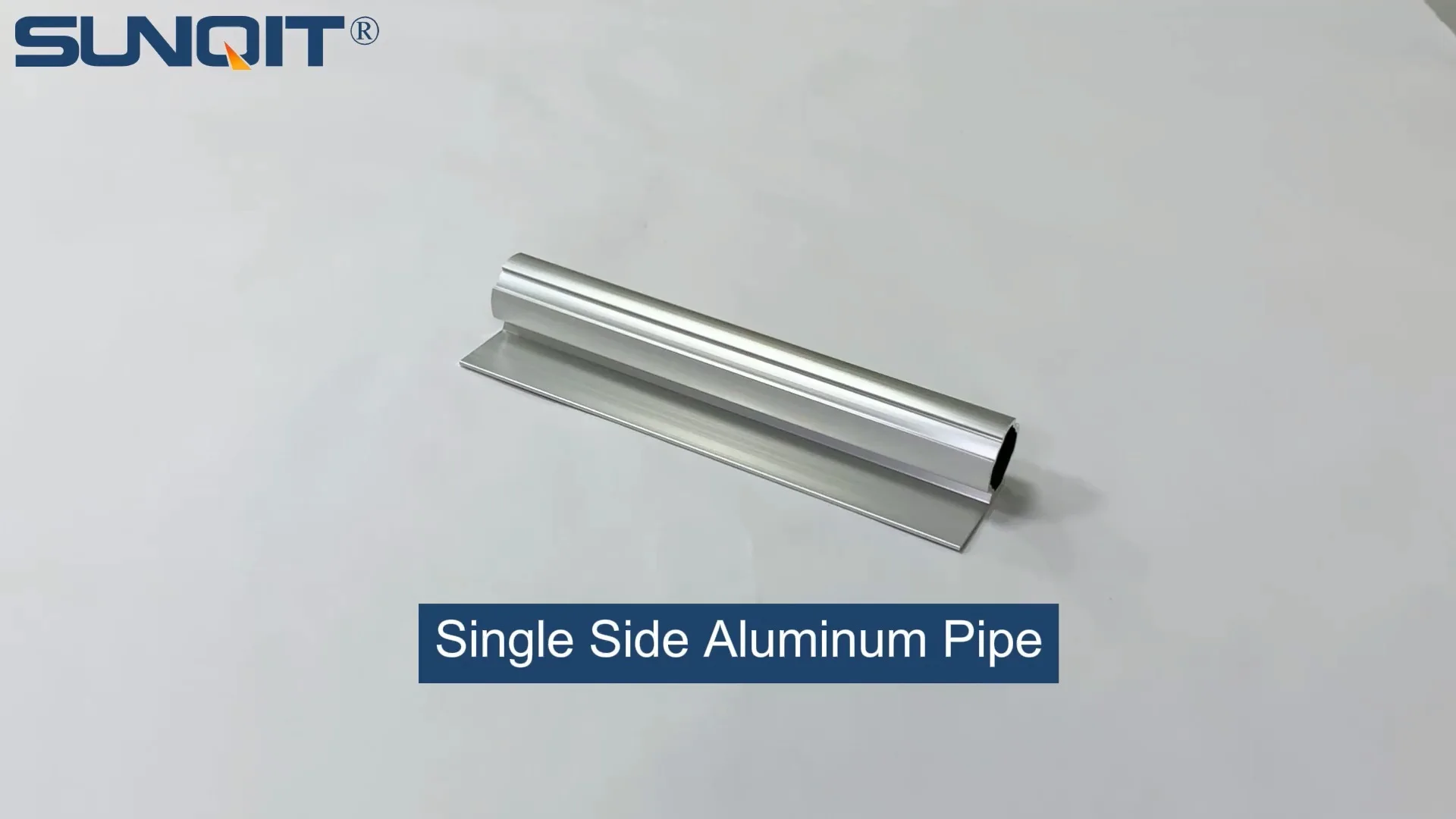
Single Side Aluminum Pipe
The single-sided plane can be installed with a back-mounted material box, and can also be used as a sidewall or partition.
In the fast-paced world of manufacturing, every minute of downtime and every dollar spent on repairs can feel like a step backward. For plant managers, maintenance teams, and operations leaders, the constant battle to keep equipment running smoothly while keeping costs in check is a daily reality. Rusting steel frames, warped wooden workbenches, and plastic components that crack under pressure—these are the silent budget drainers that eat into profits without fanfare. But what if there was a solution that flipped the script? A material that turns maintenance from a costly headache into a long-term investment? Enter single side aluminum pipe —a humble component that's quietly revolutionizing how factories, warehouses, and production lines approach durability, flexibility, and cost savings.
This isn't just about swapping one pipe for another. It's about rethinking how we build the backbone of our manufacturing systems. From workbenches where assembly line workers spend their shifts to the lean systems that keep materials flowing efficiently, the choice of materials directly impacts everything from daily operations to the bottom line. In this article, we'll dive deep into why single side aluminum pipe has become the go-to choice for forward-thinking facilities, focusing on its unmatched low maintenance benefits and the long-term savings that follow. We'll explore real-world scenarios, break down the numbers, and show you how this unassuming aluminum solution can transform your maintenance budget from a liability into a strategic advantage.
What Exactly Is Single Side Aluminum Pipe?
Before we jump into the "why," let's clarify the "what." Single side aluminum pipe is a type of aluminum extrusion profile —meaning it's formed by pushing molten aluminum through a die to create a specific cross-sectional shape. What sets it apart is its unique design: a sleek, lightweight pipe with a single T-slot running along one side. This slot isn't just a design quirk; it's the secret to its versatility. It allows for quick, tool-free attachment of accessories—think brackets, shelves, casters, or even entire workbench surfaces—without the need for welding, drilling, or complex hardware. Unlike traditional steel pipes that require nuts, bolts, and constant tightening, or plastic pipes that lack structural integrity, single side aluminum pipe strikes a rare balance between strength and adaptability.
But it's not just the slot that matters. The material itself—aluminum—brings a host of benefits. Aluminum is naturally resistant to corrosion, meaning it won't rust when exposed to moisture, oils, or chemicals common in manufacturing environments. It's also lightweight (about one-third the weight of steel), making it easy to handle during installation or reconfiguration. And because it's an extrusion, each piece is consistent in shape and strength, ensuring reliability across your entire system. When paired with high-quality aluminum profile accessories—like joints, connectors, and end caps—single side aluminum pipe becomes a modular building block that can be assembled, disassembled, and reassembled countless times without losing structural integrity.
To put it simply: Single side aluminum pipe is the Lego of industrial construction. It's designed to be built, modified, and repurposed—all while requiring minimal upkeep. But why does that matter for maintenance costs? Let's break it down.
The Maintenance Revolution: Why Aluminum Beats Traditional Materials
Maintenance isn't just about fixing things when they break. It's about preventing breakdowns in the first place, reducing the time spent on repairs, and avoiding costly replacements. When we compare single side aluminum pipe to traditional materials like steel, wood, or even standard plastic, the difference in maintenance demands is staggering. Let's take a closer look at the most common pain points and how aluminum solves them.
1. No More Rust, No More Repainting
Steel has long been a staple in manufacturing, but its Achilles' heel is rust. Even with a coat of paint, steel pipes and frames will eventually corrode when exposed to humidity, spills, or cleaning agents. For maintenance teams, this means regular touch-ups: sanding off rust, applying primer, and repainting—often shutting down workstations or production lines in the process. A single rusted joint can compromise an entire structure, leading to wobbly workbenches or unsafe material racks. Over time, the cumulative cost of paint, labor, and downtime adds up.
Single side aluminum pipe? It laughs in the face of rust. Aluminum forms a thin, protective oxide layer when exposed to air, which prevents further corrosion. Even in damp warehouses or facilities that use water-based cleaning solutions, the pipe remains intact. No sanding, no repainting, no toxic fumes from paint strippers—just a quick wipe with a cloth to keep it clean. Imagine a maintenance team that used to spend 8 hours a month repainting steel workbenches now reallocating that time to more critical tasks, like optimizing production flow or training staff. That's the kind of efficiency gain aluminum brings.
2. Say Goodbye to Loose Bolts and Stuck Joints
Traditional steel or wooden structures rely on bolts, screws, or nails to hold them together. Over time, vibrations from machinery, frequent use, or temperature changes can loosen these fasteners, leading to wobbly frames or unstable shelves. Tightening them becomes a weekly chore, and if left unchecked, loose bolts can cause equipment failure or even safety hazards. Worse, in steel systems, rust can fuse bolts to nuts, making disassembly nearly impossible—meaning you might have to cut the entire structure apart just to make a small adjustment.
Single side aluminum pipe eliminates this headache. Its T-slot design uses specialized aluminum profile accessories like sliding nuts and quick-locking levers that grip the slot securely. These connections stay tight even under vibration, and when you need to adjust or reconfigure, they release easily with a simple tool (often just a hex key). No rusted bolts, no stripped screws, no time wasted wrestling with stuck hardware. For example, a lean system that needs to be repositioned to accommodate a new production line can be disassembled and rebuilt in hours instead of days—minimizing downtime and maximizing productivity.
3. Durability That Stands Up to Daily Abuse
Manufacturing environments are tough on equipment. Workbenches get banged with tools, material racks bear heavy loads, and trolleys get bumped into walls or machinery. Plastic pipes might crack under impact, wood can splinter or warp, and even steel can dent or bend if not properly reinforced. The result? Frequent replacements, which add up quickly in both time and money.
Single side aluminum pipe is built to withstand this abuse. Aluminum has a high strength-to-weight ratio, meaning it can support heavy loads (think 200+ pounds per linear foot, depending on the pipe diameter) without bending or warping. It's also naturally resilient to impact—dropping a wrench on an aluminum workbench might leave a small scratch, but it won't crack or dent like plastic. And because it's an extrusion, there are no weak points or seams to fail. We've seen facilities use the same single side aluminum pipe workbenches for over a decade with minimal signs of wear—no replacements needed, just occasional cleaning and part swaps.

Flexibility: The Hidden Maintenance Saver
Here's a truth many facility managers learn the hard way: Rigid systems cost more in the long run. When your production needs change (and they will), a fixed steel or wooden structure becomes a liability. You either live with inefficiencies or spend thousands on new equipment. Single side aluminum pipe, however, is inherently flexible—and flexibility directly reduces maintenance and replacement costs.
Let's take a common example: workbenches. A typical factory might have dozens of workbenches, each customized for a specific task—assembly, testing, packaging. If a new product line requires taller benches, or additional shelving, or a different layout, traditional workbenches would need to be replaced or heavily modified. With single side aluminum pipe workbenches, though, you simply adjust the height by moving the legs, add shelves using the T-slot, or reconfigure the entire structure using the same pipes and accessories. No new materials, no specialized labor—just a few hours of work by your existing maintenance team.
This flexibility extends to lean systems, too. Lean system design is all about minimizing waste—whether it's time, materials, or space. Single side aluminum pipe makes it easy to adapt your material flow as production demands shift. Need to add a new conveyor section? Attach roller track to the T-slot. Want to create a temporary staging area for peak season? Build a quick turnover rack using leftover pipes and casters. When the season ends, disassemble it and store the components for next time. This ability to repurpose existing materials means you're not constantly buying new equipment, and that translates directly to lower long-term costs.

Real-World Impact: A Factory's Journey to Lower Maintenance Costs
Numbers and features are great, but let's ground this in reality. Consider a mid-sized electronics manufacturing plant we worked with a few years back. They had 15 steel workbenches spread across their assembly lines, each about 5 years old. Their maintenance log told a familiar story: monthly repainting to cover rust, weekly bolt tightening, and at least two workbenches replaced each year due to warped surfaces or cracked frames. The maintenance team was spending 12–15 hours per week just on workbench upkeep, and the plant manager estimated they were spending $15,000 annually on replacements and repairs.
They decided to test single side aluminum pipe by replacing three of their worst-performing workbenches. The initial investment was higher—about $600 per aluminum workbench versus $400 for steel—but the results were immediate. Within the first month, the maintenance team reported zero hours spent on those three benches. No rust, no loose bolts, no repainting. After six months, they expanded the switch to all 15 workbenches. Today, two years later, they've replaced zero aluminum workbenches, and maintenance time on workstations has dropped to just 2 hours per week. The annual savings? Over $12,000 in repairs and replacements, plus the value of the maintenance team's time freed up for more critical tasks. That's a return on investment in less than a year—and the savings will only grow as the aluminum workbenches continue to last.
This isn't an isolated case. Warehouses using aluminum profile material racks report 70% fewer maintenance hours. Distribution centers with aluminum lean systems see 50% less downtime during reconfigurations. The common thread? Single side aluminum pipe reduces the need for constant upkeep, letting teams focus on what matters: keeping production running smoothly.

The Numbers Don't Lie: A Cost Comparison
Still skeptical that the initial investment in single side aluminum pipe is worth it? Let's break down the costs side by side. Below is a 5-year cost comparison between a typical steel workbench and a single side aluminum pipe workbench, based on industry averages and real-world data.
| Cost Category | Traditional Steel Workbench | Single Side Aluminum Pipe Workbench |
|---|---|---|
| Initial Purchase Cost | $400 | $600 |
| Annual Maintenance Cost* | $300 (painting, bolt replacement, rust treatment) | $20 (occasional cleaning, minor accessory adjustments) |
| Replacement Cost (every 2–3 years for steel) | $400 (replaced once at Year 3) | $0 (no replacement needed in 5 years) |
| Total 5-Year Cost | $400 + ($300 x 5) + $400 = $2,300 | $600 + ($20 x 5) = $700 |
*Based on average maintenance labor costs of $50/hour and 6 hours/month for steel vs. 0.5 hours/month for aluminum.
The difference is clear: over five years, the steel workbench costs nearly three times as much as the aluminum one. And this is just for a single workbench. Multiply this by 10, 20, or 50 workbenches, plus material racks, lean systems, and trolleys, and the savings become transformative. For larger facilities, the 5-year savings could easily reach six figures—funds that can be reinvested in new equipment, employee training, or other growth initiatives.
Beyond Workbenches: Where Else Does Single Side Aluminum Pipe Shine?
While workbenches are a common application, single side aluminum pipe's low maintenance benefits extend to nearly every corner of your facility. Let's explore a few more areas where it makes a big impact:
Lean Systems and Material Flow
Lean systems depend on efficient material flow—getting parts and products from point A to point B with minimal waste. Single side aluminum pipe is ideal for building flow racks, conveyors, and pick-to-light systems. Its lightweight nature makes it easy to integrate with rollers or ball transfers, and its corrosion resistance ensures smooth operation even in humid or oily environments. Unlike steel systems that require regular lubrication to prevent rusted rollers, aluminum-based lean systems need little more than an occasional wipe-down to keep materials moving freely.
Trolleys and Mobile Carts
Warehouses and production lines rely on trolleys to move materials, tools, or finished products. Steel trolleys are heavy and prone to rust, while plastic ones lack durability. Single side aluminum pipe trolleys are lightweight (easy for workers to push), rust-proof, and easy to customize with shelves or bins using aluminum profile accessories. Plus, their modular design means you can reconfigure a trolley from a tool cart to a parts transporter in minutes—no need to buy multiple specialized carts.
Safety Barriers and Guardrails
Safety is non-negotiable in manufacturing, and guardrails or machine barriers are critical for protecting workers. Steel barriers are heavy and hard to reposition, while plastic ones can crack. Single side aluminum pipe barriers are lightweight (easy to move during equipment maintenance), durable (resistant to impact), and highly visible (easily painted or paired with colored accessories). They also require no maintenance beyond occasional cleaning, ensuring your safety systems stay effective for years.
Choosing the Right Single Side Aluminum Pipe: Quality Matters
Not all single side aluminum pipe is created equal. To maximize your maintenance savings, it's important to choose high-quality products. Look for pipes made from 6063-T5 aluminum alloy—the industry standard for extrusions, known for its strength, corrosion resistance, and weldability. Check that the T-slot is precisely formed to ensure compatibility with aluminum profile accessories (ill-fitting slots can lead to loose connections). And opt for suppliers that offer a range of accessories—from brackets to casters—to ensure you can customize your system without mixing and matching brands (which can cause compatibility issues).
Remember, the cheapest aluminum pipe might save you money upfront, but if it bends under load or the slot wears out quickly, you'll end up replacing it sooner—erasing those maintenance savings. Investing in quality means investing in long-term durability and lower costs.
Conclusion: Maintenance as a Profit Driver
At the end of the day, manufacturing is about more than just making products—it's about making profits. And in a world where margins are tight and competition is fierce, every dollar saved counts. Single side aluminum pipe isn't just a material choice; it's a strategic decision to turn maintenance from a cost center into a profit driver. By reducing downtime, eliminating frequent repairs, and enabling endless flexibility, it frees up your team, your budget, and your creativity to focus on what really matters: growing your business.
The electronics plant we mentioned earlier isn't an anomaly. Facilities across industries—automotive, aerospace, pharmaceuticals, food processing—are discovering that the initial investment in single side aluminum pipe pays off in spades. It's a classic case of spending a little more now to save a lot later, with the added bonus of a more efficient, adaptable, and sustainable operation.
So, if you're tired of pouring money into never-ending maintenance, if your team is stretched thin fixing preventable issues, or if you're looking for a way to future-proof your facility, it might be time to take a closer look at single side aluminum pipe. It's not just a pipe. It's a smarter way to build, a better way to maintain, and a proven path to long-term savings. Your maintenance team will thank you, your budget will thank you, and your bottom line will too.