- Company Articles
- Products and Technology
- Product knowledge
- Low-Noise Advantages of 60 Aluminum Roller Track Small Wheel in Industrial Environments

Low-Noise Advantages of 60 Aluminum Roller Track Small Wheel in Industrial Environments
Related Product
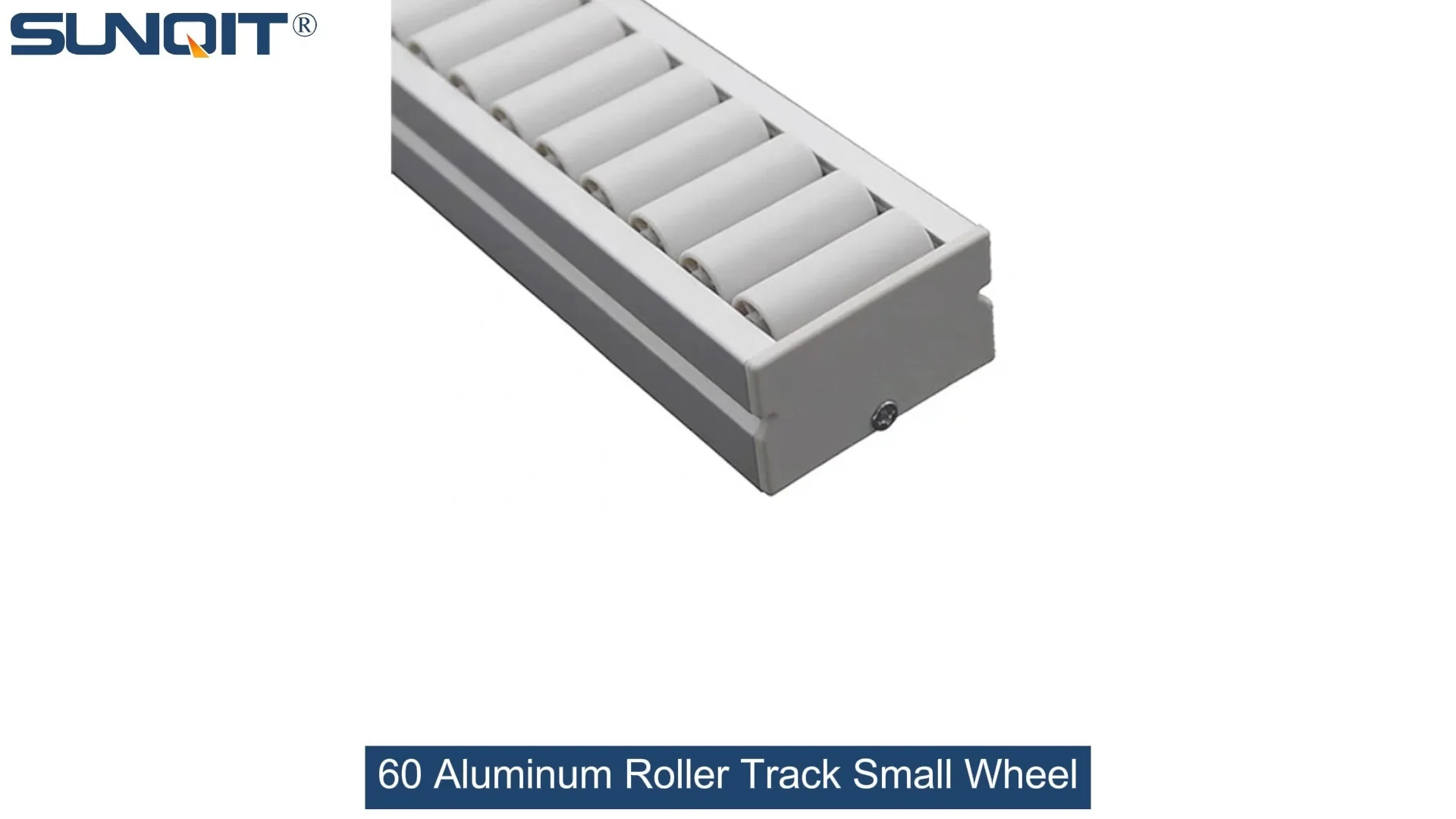
60 Aluminum Roller Track Small Wheel
Modular system roller tracks aluminum gravity roller tracks are an excellent solution for transporting materials within industrial environments, warehouses and distribution centres.
Industrial workplaces are often a symphony of activity—machines whirring, parts clinking, and conveyors humming. But that constant din isn't just an annoyance; it's a hidden health hazard. Workers exposed to high noise levels over long shifts face increased risks of hearing loss, stress-related illnesses, and reduced focus. For manufacturers, this translates to higher error rates, lower productivity, and potential compliance issues with safety regulations. Enter the 60 aluminum roller track small wheel: a quiet game-changer that balances performance with peace of mind. This component isn't just another piece of equipment—it's a step toward creating workplaces where efficiency and employee well-being go hand in hand.
The Silent Hero: What Is the 60 Aluminum Roller Track Small Wheel?
Before diving into its noise-reducing magic, let's clarify what this component actually is. The 60 aluminum roller track small wheel is part of a roller track system designed to move materials smoothly across industrial settings. The "60" refers to the profile size of the aluminum frame, while the small wheels are precision-engineered to minimize friction and vibration. These wheels are typically made from high-quality polymer or rubber, paired with durable bearings, and mounted on an aluminum profile that's both lightweight and rigid. Unlike bulkier roller systems, this small-wheel variant is built for precision. It's commonly used in conveyors and flow racks , where quiet operation is critical for maintaining a focused work environment. Whether you're moving delicate 3C components or heavy automotive parts, this roller track ensures that materials glide without the jarring noise of traditional systems.
Why It's Quiet: Key Features Driving Low-Noise Performance
The low-noise advantage of the 60 aluminum roller track small wheel isn't a happy accident—it's the result of intentional design choices. Let's break down the factors that make it stand out:1. Vibration-Dampening Aluminum Profile
Aluminum is a natural vibration absorber. Unlike steel, which amplifies noise when parts collide, the aluminum profile of this roller track dampens vibrations before they turn into sound. This means that even when heavy items are moved, the track doesn't resonate with the impact, keeping noise levels low. The smooth surface of the profile also reduces friction between the wheel and track, further minimizing sound production.2. Precision-Engineered Small Wheels
The small size of the wheels is a strategic choice. Smaller wheels have less contact area with the track, which translates to less friction. Friction is one of the biggest sources of noise in roller systems—so reducing it directly cuts down on sound. These wheels are also made from soft yet durable materials like polyurethane or nylon, which absorb shock and prevent the metallic clatter common in steel wheels.3. High-Quality Bearings
Inside each small wheel, you'll find precision bearings with tight tolerances. These bearings are lubricated to perfection, ensuring that they spin smoothly without rattling or grinding. Poorly maintained or low-quality bearings are a major noise source, but the bearings in this roller track are designed to last, keeping noise levels consistent over time.4. Smooth Track Design
The track itself is manufactured with extreme precision. No rough edges, no uneven surfaces—every inch is designed to let wheels glide seamlessly. This attention to detail eliminates the "bump" noise that often occurs when wheels hit irregularities in the track, making the entire system quieter and more reliable.
Beyond Silence: Additional Benefits for Industrial Operations
While low noise is the star feature, the 60 aluminum roller track small wheel offers a host of other advantages that make it a smart choice for industrial settings:1. Durability That Saves Costs
Aluminum is resistant to rust and corrosion, meaning this roller track can withstand harsh industrial environments without degrading. The small wheels are made from wear-resistant materials, so they don't need frequent replacement. Over time, this durability translates to lower maintenance costs and less downtime—key factors for any manufacturing operation.2. Flexibility for Lean Manufacturing
This roller track is an integral part of lean solutions . It's modular, so it can be easily reconfigured as production needs change. Whether you're adjusting a conveyor line or modifying a flow rack, the system adapts without requiring a complete overhaul. This flexibility aligns with lean principles of eliminating waste and improving efficiency, making it a favorite among manufacturers looking to optimize their processes.3. Improved Productivity
A quieter workplace isn't just nicer—it's more productive. Studies show that workers in low-noise environments make fewer errors and stay focused longer. When employees don't have to shout to communicate or strain to hear instructions, they can complete tasks faster and with greater accuracy. This boost in productivity directly impacts the bottom line.4. Compliance with Safety Regulations
Many countries have strict noise limits for industrial workplaces. For example, OSHA in the U.S. sets a permissible exposure limit (PEL) of 90 decibels over an 8-hour workday. The 60 aluminum roller track small wheel helps manufacturers stay within these limits, avoiding fines and ensuring a safer work environment for their employees.
Real-World Impact: Industries Reaping the Rewards
Let's look at how this roller track is transforming operations across different sectors:1. 3C Assembly
In 3C factories (making computers, communication devices, and consumer electronics), precision is everything. Delicate components like smartphone screens or camera modules need to be moved with care. Conveyors equipped with the 60 aluminum roller track small wheel ensure that these parts glide silently from one station to the next. A leading 3C manufacturer reported a 30% reduction in noise levels after installing this system, leading to a 15% increase in production efficiency. Workers noted less fatigue and more focus, which translated to fewer defective products.2. Medical Device Manufacturing
Medical device production requires an environment of calm and precision. Even small distractions can lead to costly mistakes. Flow racks fitted with these small wheels make picking and storing medical components a quiet, efficient process. A medical equipment company in Europe switched to this roller track and saw a significant improvement in employee satisfaction—92% of workers reported feeling less stressed at the end of their shifts. The quiet operation also helped the company meet strict regulatory standards for cleanroom environments.3. Automotive Production
Automotive plants are known for their high noise levels, but the 60 aluminum roller track small wheel is changing that. Used in conveyors that move engine parts and body panels, this system reduces noise while handling heavy loads. An automotive manufacturer in Asia noted that noise levels in their assembly line dropped by 25% after installation. This not only improved worker well-being but also made it easier for teams to communicate, leading to faster problem-solving and reduced downtime.4. Warehousing & Logistics
Warehouses rely on flow racks and conveyors to keep operations moving. The 60 aluminum roller track small wheel makes these systems quieter, even during peak hours. A logistics company in North America reported that their picking teams were 20% more efficient after switching to this roller track. The quiet operation allowed workers to concentrate better, reducing the time spent searching for items and minimizing errors.
Noise Level Comparison: How It Stacks Up Against Competitors
To truly understand the low-noise advantage, let's compare the 60 aluminum roller track small wheel with other common options:| Roller Track Type | Noise Level at 1m/s (dB) | Noise Level at 2m/s (dB) | Noise Level at 3m/s (dB) | Durability Rating (1-10) | Cost Efficiency (1-10) |
|---|---|---|---|---|---|
| 60 Aluminum Small Wheel | 45 | 50 | 55 | 9 | 8 |
| Standard Steel Roller Track | 60 | 68 | 75 | 8 | 7 |
| Plastic Roller Track | 50 | 58 | 65 | 7 | 6 |
| Heavy-Duty Iron Roller Track | 65 | 72 | 80 | 10 | 6 |
Integrating Into Your Lean System: A Smart Investment
Lean manufacturing is about creating value with minimal waste, and the 60 aluminum roller track small wheel fits perfectly into this philosophy. Here's how:1. Reusability & Adaptability
The system is modular, so you can reconfigure it as your production needs change. Whether you're expanding a line or adjusting a workflow, the roller track can be disassembled and reassembled without losing its functionality. This reusability reduces waste and aligns with sustainable manufacturing practices.2. Reduced Downtime
The durable design of the roller track means fewer breakdowns and less maintenance. This translates to reduced downtime, which is a key goal of lean manufacturing. When your systems run smoothly, you can keep production moving without unnecessary interruptions.3. Improved Workplace Culture
A quieter workplace fosters a positive culture. Employees feel valued when their health and comfort are prioritized, leading to higher retention rates and greater loyalty. This positive culture is an intangible but powerful asset for any lean organization.4. Long-Term Cost Savings
While the initial investment may be slightly higher than other options, the long-term savings are significant. Lower maintenance costs, reduced downtime, and higher productivity all contribute to a better return on investment. Over time, the system pays for itself through improved efficiency and employee well-being.
The 60 aluminum roller track small wheel is more than just a piece of industrial equipment—it's a solution that addresses a critical problem in modern manufacturing: noise pollution. Its low-noise performance, combined with durability, flexibility, and compatibility with
lean solutions
, makes it an ideal choice for industries ranging from 3C assembly to automotive production.
By investing in this roller track, manufacturers can create quieter, more efficient workplaces that benefit both employees and the bottom line. It's a small change that makes a big difference—one silent wheel at a time.