- Company Articles
- Products and Technology
- Product knowledge
- Low-Volume Production Runs: T-Groove Aluminum Pipe for Cost-Effective Systems

Low-Volume Production Runs: T-Groove Aluminum Pipe for Cost-Effective Systems
Related Product
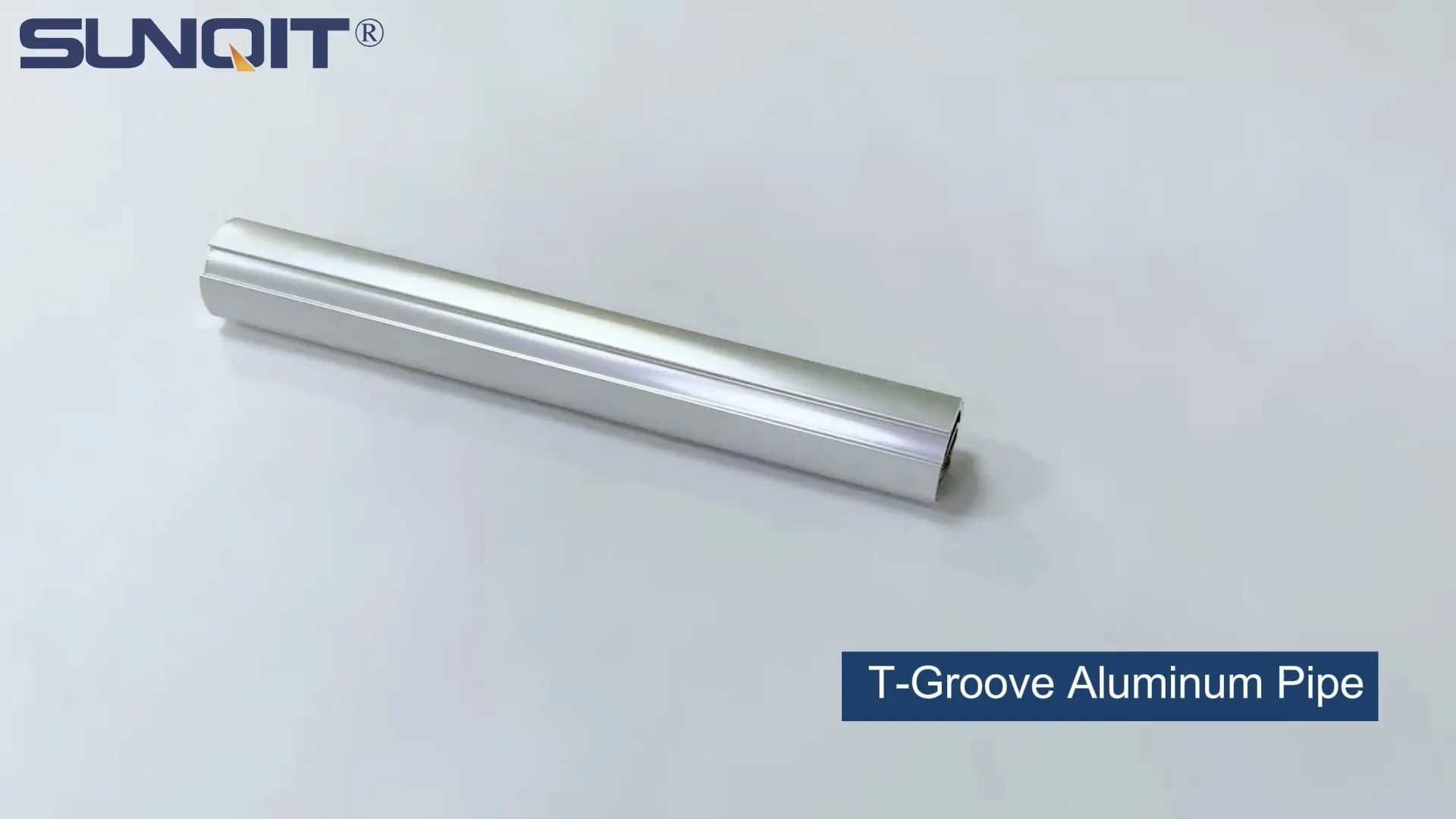
T-Groove Aluminum Pipe
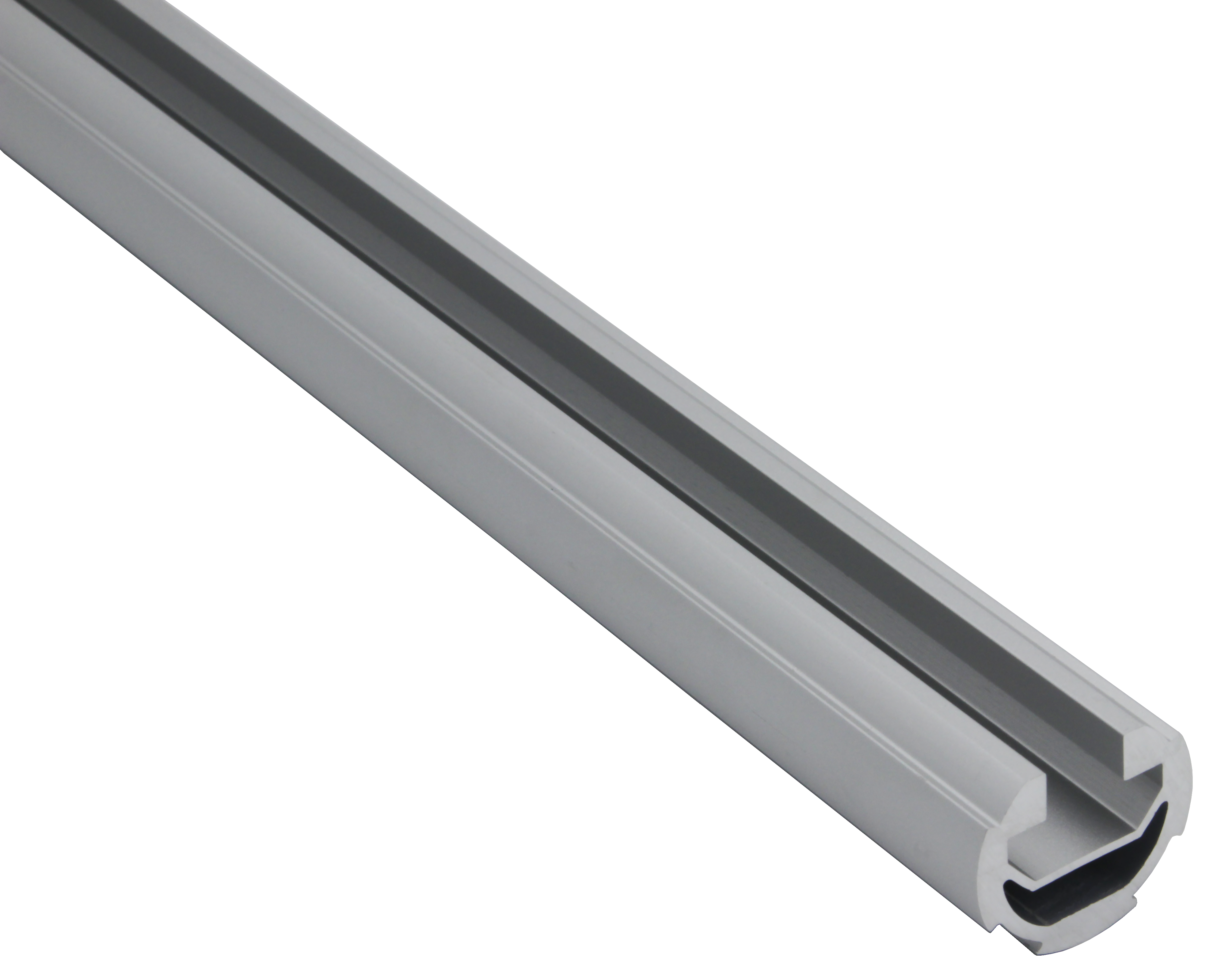
The aluminum pipe opening 10mm is installed into the T-shaped slider, which can be installed with casters or other matching functional parts. The groove can be used for positioning and is used for the track of the roller.
If you've ever run a small manufacturing shop, a custom fabrication business, or even a startup scaling up from prototype to production, you know the unique headaches of low-volume production. It's a balancing act: you need to deliver high-quality, customized products without breaking the bank on rigid, one-size-fits-all equipment. Traditional setups—think welded steel workbenches, fixed conveyor lines, or custom-built material racks—are great for high-volume, repetitive tasks, but they're a nightmare when your needs change month to month (or even week to week). What if you could build a production system that adapts as quickly as your orders do? Enter T-slot aluminum pipe: the unsung hero of flexible, cost-effective manufacturing for low-volume runs.
The Low-Volume Challenge: Why Rigid Systems Fail
Let's start with the basics: low-volume production isn't just "smaller high-volume production." It's a different beast entirely. Maybe you're making 50 units of a custom gadget one month, then switching to 20 units of a modified version the next. Or perhaps you're handling short runs for multiple clients, each with unique assembly steps. In these scenarios, flexibility isn't a "nice-to-have"—it's survival. Rigid systems, however, are designed for stability, not change. A welded steel workbench, for example, can't be adjusted if you need to add a shelf, lower the height, or reposition tools. A fixed conveyor might work for one product's workflow but become a bottleneck when you need to reroute materials for the next. And let's not forget cost: building a custom setup for every new project eats into profit margins faster than you can say "rework."
This is where many small manufacturers get stuck. They either overinvest in expensive, inflexible equipment that sits idle half the time, or they cobble together makeshift solutions (think plywood workbenches, PVC pipe racks) that wear out quickly and compromise safety. There's a middle ground—and it starts with a material that's been quietly revolutionizing shops and factories for decades: T-slot aluminum pipe.
What Is T-Slot Aluminum Pipe, Anyway?
If you're not familiar with it, T-slot aluminum pipe (sometimes called "aluminum extrusion profile") is exactly what it sounds like: lightweight aluminum tubes or bars with a continuous T-shaped groove running along their length. These grooves aren't just for show—they're the secret to its flexibility. By sliding bolts, brackets, or accessories into the T-slot, you can attach, adjust, or reconfigure components without welding, drilling, or specialized tools. It's like building with industrial-grade Legos, but sturdier than plastic and more adaptable than steel.
Unlike traditional steel pipe, which is heavy and requires welding or heavy-duty fasteners to assemble, T-slot aluminum is lightweight (about 1/3 the weight of steel for the same strength) and designed for quick, tool-free modifications. And unlike wood, it won't warp, rot, or splinter, even in messy shop environments. But what really sets it apart is its modularity: with the right aluminum profile accessories—joints, clamps, casters, panels—you can build just about anything, then take it apart and rebuild it when your needs change.
Why T-Slot Aluminum Pipe Solves Low-Volume Pain Points
Let's break down the benefits, because this isn't just about "a cool new material"—it's about solving real, day-to-day problems for small manufacturers. Here's how T-slot aluminum pipe transforms low-volume production:
1. Modularity: Build, Break Down, Rebuild—No Welding Required
Imagine this: You've just finished assembling 30 units of Product A on your workbench. Next week, Product B comes in, and it's taller, requiring a higher work surface. With a traditional wooden or steel bench, you'd either have to buy a new one (expensive) or prop it up with blocks (unsafe). With a T-slot aluminum workbench? Loosen a few bolts, adjust the height using internal rotatary aluminum joints, tighten them back up, and you're done—15 minutes, no power tools needed.
This modularity extends to everything from material racks to conveyor systems. Need a 3-tier rack for small parts this month? Assemble it with aluminum profile and brackets. Next month, that rack could become a turnover trolley by adding caster wheels and a handle. The components are reusable, so you're not throwing money away on one-off setups. It's like having a workshop full of building blocks that never run out.
2. Cost-Effectiveness: Pay Once, Use Forever (Almost)
At first glance, T-slot aluminum might seem pricier than, say, plywood or PVC. But let's do the math. A basic wooden workbench might cost $100 to build, but it'll warp in a year, and you can't reconfigure it. A welded steel bench could run $500, but if you need to modify it, you're paying a welder $100/hour to cut and reweld. T-slot aluminum? A mid-sized workbench might cost $300 upfront, but you can reconfigure it 10 times over 5 years, adapting to new products, team sizes, or workflows. The initial investment pays for itself in avoided replacement costs and reduced downtime.
Plus, aluminum is durable. It won't rust (unlike steel), it's scratch-resistant, and it holds up to the wear and tear of daily use. I've seen T-slot setups in shops that are 10+ years old, still going strong after countless rebuilds. Compare that to a plywood rack that starts falling apart after a few rain-soaked storage months, and the value becomes clear.
3. Customization: Build Exactly What You Need (No Compromises)
Low-volume production thrives on customization—and so does T-slot aluminum. Whether you need a workbench with a specific weight capacity, a material rack with adjustable shelf heights, or a conveyor track that curves around a corner, the system adapts to you. Aluminum profile accessories are the key here: from swivel casters for mobility to plastic roller track guide rails for smooth material flow, there's an accessory for nearly every need.
For example, let's say you're assembling small electronics and need an ESD (electrostatic discharge) safe workstation to protect sensitive components. Instead of buying a pre-made ESD workbench (which might not fit your space), you can build one using T-slot aluminum pipe, add an ESD mat, and attach grounding clips—all with off-the-shelf parts. Need to add a tool rail? Screw on an aluminum guide rail. Want to mount a monitor arm for work instructions? Slide a bracket into the T-slot. It's customization without the custom price tag.
4. Speed: From Idea to Setup in Hours (Not Weeks)
In low-volume production, time is money. Waiting weeks for a custom-built conveyor or a new workbench can mean missing deadlines. With T-slot aluminum, you can go from "I need a better way to move parts" to "it's done" in a day. Most suppliers stock standard lengths of aluminum pipe and common accessories (joints, brackets, casters), so you can pick up what you need locally or have it shipped overnight.
I worked with a small automotive parts shop once that needed a temporary assembly line for a 2-week run of custom brackets. They ordered T-slot aluminum pipe, roller track, and casters on Monday, built the line on Tuesday, used it for two weeks, then broke it down and stored the parts for the next project. No downtime, no rush fees, no wasted space—just quick, efficient problem-solving.

Real-World Applications: T-Slot Aluminum in Action
Enough theory—let's talk about how this works in actual shops. Here are a few common low-volume scenarios where T-slot aluminum pipe shines:
Workbenches: The Heart of Flexible Production
The workbench is where the magic happens, and T-slot aluminum takes it from "static surface" to "multi-tool." A basic setup might include a flat aluminum top, adjustable legs with internal rotatary joints (for height changes), and side rails for tool hooks or bins. But it can get as complex as needed: add a shelf for parts bins, mount a vice, attach a light bar, or even integrate a small conveyor section using plastic roller track guide rails for moving parts along the bench.
One of my favorite examples is a custom furniture maker who builds 5-10 pieces per month. Each piece has unique dimensions, so their workbench needs to adapt. They use T-slot aluminum with removable stops and clamps—when building a table, they set the stops for the length; when switching to chairs, they remove the stops and reposition the clamps. No more wrestling with mismatched jigs or buying new clamps for every project.
Material Racks and Turnover Trolleys: Organize Without Overspending
Low-volume production often means juggling multiple materials—different sizes of aluminum extrusion, various fasteners, custom components. A disorganized shop wastes time (hunting for parts) and money (losing small components). T-slot aluminum material racks solve this by letting you build exactly the storage you need, right now.
For example, a 3-row, 3-floor material rack (similar to "Material Rack B" in many supplier catalogs) can be built in an afternoon using aluminum pipe, brackets, and vertical supports. If next month you need more space for longer pipes, you can add a fourth row by inserting new brackets into the T-slots. Need to move materials from the rack to the workbench? Add casters to the bottom, and suddenly it's a turnover trolley. It's storage that moves with your workflow.
Lean Systems: Streamlining Workflow on a Budget
Lean manufacturing principles—like 5S (Sort, Set in Order, Shine, Standardize, Sustain)—are just as important for small shops as they are for big factories. T-slot aluminum pipe makes lean accessible without the enterprise-level price tag. For example, a simple flow rack built with roller track and aluminum profile can turn a messy pile of parts into a first-in, first-out (FIFO) system, reducing waste and speeding up assembly.
I visited a small bakery that used T-slot aluminum to build a lean system for decorating custom cakes. They had a roller track conveyor (using 40 steel roller track with yellow wheels) that moved cakes from the oven to the decorating station, with adjustable shelves above for icing tools and sprinkles. When they added gluten-free options (which required separate tools), they simply added a second track section and more shelves—no major overhaul, just a quick expansion.
| Traditional Setup | T-Slot Aluminum Setup | Key Advantage for Low-Volume |
|---|---|---|
| Welded steel workbench | T-slot aluminum workbench with adjustable height | Reconfigurable in minutes for different product sizes |
| Fixed wooden material rack | Modular aluminum material rack with casters | Converts to a trolley for moving materials; expands with brackets |
| Custom-built conveyor line | Roller track conveyor with T-slot supports | Disassembles for storage; reconfigures for new workflows |
| Static ESD workstation | ESD-safe T-slot workstation with add-on rails | Add/remove components (tool holders, bins) as needed |

Choosing the Right T-Slot Aluminum: Key Considerations
So, you're sold—now what? Not all T-slot aluminum pipe is created equal, and choosing the right setup depends on your specific needs. Here are a few things to keep in mind:
Pipe Size and Strength
Aluminum pipe comes in different widths and wall thicknesses. For light-duty work (like a small parts bin or a mobile cart), a 20mm x 20mm profile might be enough. For heavier loads (like a workbench supporting 200+ lbs), go with 30mm x 30mm or 40mm x 40mm. Most suppliers list weight capacities for their profiles, so check those before buying.
Accessories Make the System
Don't skimp on accessories—they're what make T-slot aluminum pipe truly flexible. Invest in a variety of joints (90-degree, 45-degree, internal rotatary), brackets, and fasteners. Casters are a must if you need mobility (look for locking casters to keep things stable when in use). For material handling, roller track and swivel roller balls (1-inch or 0.5-inch) make moving parts smooth and easy.
Supplier Support Matters
Not all suppliers are created equal. Look for one that stocks a wide range of aluminum profile accessories and offers technical support—someone who can help you design a workbench or rack that fits your space and needs. Many suppliers even have online configurators where you can mock up your setup before buying.
The Bottom Line: T-Slot Aluminum Pipe = Low-Volume Freedom
Low-volume production doesn't have to mean sacrificing efficiency, safety, or quality. It just means choosing tools that work with your flexibility needs, not against them. T-slot aluminum pipe isn't a silver bullet, but it's a foundational tool that empowers small manufacturers to adapt, innovate, and compete without breaking the bank.
Whether you're building your first workbench, revamping a material storage system, or designing a lean assembly line, T-slot aluminum pipe gives you the freedom to say "yes" to new projects, "no" to unnecessary expenses, and "let's try this" without fear of wasted time or money. In a world where low-volume production demands agility, it's not just a material—it's a mindset: build smart, stay flexible, and keep growing.
So, the next time you're staring at a rigid, outdated setup and thinking, "There must be a better way," remember: there is. It's probably sitting in a supplier's catalog, waiting to be turned into whatever you need it to be—today, tomorrow, and for every custom order after that.