- Company Articles
- Products and Technology
- Product knowledge
- Lubrication for 60 Aluminum Roller Track Yellow: Best Practices

Lubrication for 60 Aluminum Roller Track Yellow: Best Practices
Related Product
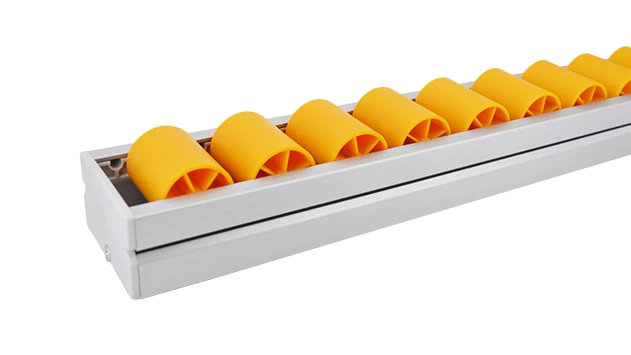
60 Aluminum Roller Track Yellow
Modular syetem roller tracks aluminum gravity roller tracks are an excellent solution for transporting materials within industrial environments, warehouses and distribution centres.
Lubrication for 60 Aluminum Roller Track Yellow: Best Practices
Lubrication isn't just a quick fix for squeaky parts—it's the backbone of keeping your 60 aluminum roller track yellow running smoothly, efficiently, and for years to come. If you're using these tracks in your flow racks, conveyor systems, or lean production lines, you know how critical they are to moving materials quickly and reducing waste. But without proper lubrication, even the highest-quality roller tracks can start to stick, wear out prematurely, or cause unexpected downtime—all things that throw a wrench in your lean system's performance.
In this article, we'll dive deep into everything you need to know about lubricating your 60 aluminum roller track yellow. We'll cover why it matters, which components need attention, how to choose the right lubricant, step-by-step processes to do it right, common mistakes to avoid, and even a real-world case study showing the impact of proper maintenance. Plus, we'll touch on how using quality roller track accessories and aluminum profile accessories can complement your lubrication efforts to keep your entire system in top shape.
Understanding the 60 Aluminum Roller Track Yellow
The 60 aluminum roller track yellow is a popular choice for manufacturers and warehouses looking for durable, flexible material handling solutions. As the name suggests, it's made from aluminum (a lightweight yet strong material) and features yellow rollers—often made from plastic or nylon—that glide smoothly to move boxes, parts, or containers along the track.
These tracks are a staple in flow racks, where gravity helps materials move from one end to the other, and in conveyor systems where motorized movement is used. They're especially common in lean production environments, where efficiency and minimal waste are key priorities.
Key Features of 60 Aluminum Roller Track Yellow
- Lightweight but Durable: Aluminum's strength-to-weight ratio means the track can handle heavy loads without being too bulky to install or adjust.
- Corrosion Resistance: Aluminum naturally resists rust, making it ideal for environments where moisture or chemicals might be present (like in some 3C assembly lines or medical device manufacturing).
- Yellow Rollers: The yellow color isn't just for aesthetics—it often indicates that the rollers are made from a wear-resistant plastic (like PA or PP) that's compatible with a wide range of materials, from cardboard boxes to plastic bins.
- Easy to Assemble: Thanks to standardized roller track accessories (like connectors and brackets), these tracks can be quickly installed or modified to fit your specific needs—perfect for flexible lean systems.
Common Uses of 60 Aluminum Roller Track Yellow
- Flow Racks: Used in warehouses and production lines to move parts from storage to assembly stations, reducing the need for manual lifting.
- Conveyor Systems: Integrated into motorized or gravity-fed conveyors to transport products between different stages of production.
- Lean Workstations: Part of workstations designed to keep materials within easy reach, minimizing motion waste (a core principle of lean manufacturing).
Why Does This Track Need Special Lubrication Attention? Aluminum and plastic components have unique lubrication needs. For example, using a lubricant that's too harsh can damage the plastic rollers, while using one that's not compatible with aluminum might cause corrosion. Additionally, the yellow rollers are often in constant contact with moving parts, so they need lubrication to reduce friction and prevent wear.
If you skip lubrication or do it incorrectly, you might notice: squeaky or grinding noises when materials move along the track; rollers that stick or move slowly, leading to slower material flow; premature wear on rollers, bearings, or connectors—costing you money in replacement parts and downtime; increased friction that can cause materials to get stuck or even fall off the track, leading to product damage or safety hazards.
So, taking the time to lubricate your 60 aluminum roller track yellow properly is an investment in your system's longevity and your operation's efficiency.

Key Components to Lubricate
Before we get into the how-to, let's identify the key components of your 60 aluminum roller track yellow that need lubrication:
1. Rollers & Bearings
The yellow rollers are the heart of the track. Each roller has a bearing at both ends that allows it to spin freely. These bearings are the most critical components to lubricate—without proper lubrication, they'll start to wear out and cause the roller to stick.
2. Connectors
Roller track connectors hold the track together and keep it aligned. Moving connectors (like adjustable joints) need lubrication to maintain their flexibility, while fixed connectors may need occasional lubrication to prevent rust or corrosion.
3. Guide Rails
If your track has plastic guide rails (like the yellow or grey plastic roller track guide rails), they need lubrication to reduce friction between the material and the rail. This helps keep materials aligned and moving smoothly.
4. Frame Joints
The aluminum frame of your track (or flow rack) uses aluminum profile accessories like joints and brackets. These components may need lubrication to maintain their stability and adjustability.

Choosing the Right Lubricant
Choosing the right lubricant is half the battle. The wrong lubricant can damage your track, attract dust, or cause more problems than no lubrication at all. Here's a breakdown of the best lubricant options for your 60 aluminum roller track yellow:
| Lubricant Type | Best For | Pros | Cons | Compatibility Notes |
|---|---|---|---|---|
| Silicone-Based Grease | Rollers, Bearings | Water-resistant, safe for plastic/aluminum, long-lasting | Can attract dust if over-applied | Works with yellow plastic rollers, aluminum tracks, most roller track accessories |
| PTFE-Based Oil | Guide Rails, Connectors | Low friction, dry film (less dust attraction), ESD-safe options available | Needs more frequent application than grease | Ideal for ESD-sensitive environments (like 3C assembly lines using ESD workstations) |
| Mineral Oil (Food-Grade) | Food/Medical Environments | Non-toxic, meets FDA standards | Not suitable for high-temperature environments | Safe for aluminum and plastic, but check with supplier for roller track accessory compatibility |
| Lithium-Based Grease | Heavy-Duty Bearings | High load capacity, works in high temperatures | May not be safe for some plastic rollers | Use only if your yellow rollers are compatible (check manufacturer specs) |
Pro Tip:
If you're using the track in an ESD-sensitive environment (like assembling electronic components), opt for ESD-safe lubricants. This prevents static electricity from building up and damaging sensitive parts—a key consideration for 3C assembly lines that rely on ESD workstations and ESD workbenches.
Step-by-Step Lubrication Process
Proper lubrication isn't just about squirting oil on parts—it's a systematic process that starts with preparation and ends with inspection. Here's how to do it right:
1. Prepare the Work Area
Before you start, make sure the track is turned off (if motorized) or empty of materials. Wear gloves to protect your hands from lubricants and dirt. Gather your supplies: the right lubricant, a clean cloth, a small brush (like a toothbrush for hard-to-reach areas), and a rag for wiping excess.
2. Clean the Track
Dirt, dust, and old lubricant buildup can prevent new lubricant from working effectively. Use a clean cloth to wipe down the aluminum track frame and rollers. For hard-to-reach areas (like between rollers or inside connectors), use a small brush to remove debris. If there's heavy buildup, you can use a mild detergent (safe for aluminum and plastic) and water, then dry thoroughly before proceeding.
3. Lubricate the Rollers
For each roller, apply a small amount of lubricant to the bearing area (usually at the ends of the roller). If using grease, use a grease gun or a small spatula to apply a thin layer. If using oil, use a dropper or spray bottle to apply 1-2 drops per bearing. Rotate the roller a few times to distribute the lubricant evenly inside the bearing. Wipe off any excess lubricant with a clean cloth—over-lubrication can attract dust and cause more problems than no lubrication.
4. Lubricate the Connectors
Connectors (like roller track connectors) are critical for keeping the track stable and aligned. Apply a small amount of lubricant to the moving parts of the connectors (e.g., hinges or adjustable joints). For fixed connectors, you may only need to lubricate them every few months, but moving connectors should be lubricated more frequently.
5. Lubricate the Guide Rails
If your track has plastic guide rails (like the yellow or grey plastic roller track guide rails), apply a thin layer of PTFE-based oil or silicone grease. These guide rails help keep materials aligned, so lubrication reduces friction between the material and the rail. Wipe off any excess to prevent it from transferring to the materials being moved.
6. Inspect and Test
After lubricating all components, inspect the track for any missed areas or excess lubricant. Test the track by moving a few materials along it—listen for any squeaks or grinding noises, and check if the materials move smoothly. If you notice any issues, re-inspect the affected area and reapply lubricant if needed.
7. Document the Maintenance
Keep a log of when you lubricated the track, what lubricant you used, and any issues you noticed. This helps you establish a consistent schedule and track the track's performance over time.
Common Mistakes to Avoid
Even with the right lubricant and process, there are common mistakes that can undermine your efforts. Here are the top mistakes to avoid:
- Over-Lubrication: Too much lubricant attracts dust and can cause rollers to stick. Less is often more here.
- Using the Wrong Lubricant: Using a lubricant that's not compatible with plastic rollers (like some heavy-duty greases) can cause the rollers to swell or crack. Always check the lubricant's specifications before using it.
- Ignoring Hard-to-Reach Areas: Connectors and hidden bearings are easy to miss, but they need lubrication too. Take the time to inspect every part of the track.
- Skipping Cleaning: Applying new lubricant over old buildup won't fix the problem—it'll just trap dirt and make things worse. Always clean first!
- Not Testing After Lubrication: Don't assume the job is done until you test the track. A quick test can catch issues before they cause downtime.
Lubrication Frequency
The frequency of lubrication depends on a few factors: usage intensity, environment, and component type. Here's a general schedule to follow:
- Rollers: Every 1-2 weeks (high usage) or every month (low usage).
- Connectors: Every 2-3 months (fixed) or every month (moving).
- Guide Rails: Every 1-2 months.
- Frame Joints: Every 3-6 months.
Remember: This is just a starting point. Adjust the schedule based on your specific environment and usage patterns. For example, a track in a dusty warehouse may need lubrication every 3-4 days, while one in a clean assembly line may need it every 2 weeks.
Maintenance Beyond Lubrication
Lubrication is important, but it's not the only thing you need to do to keep your 60 aluminum roller track yellow in top shape. Here are some other maintenance tips:
1. Regular Inspection
Check the track weekly for signs of wear—like cracked rollers, loose connectors, or bent aluminum frames. If you notice any issues, fix them immediately to prevent further damage.
2. replace Worn Parts
When rollers or connectors start to wear out, replace them with quality roller track accessories. Using cheap or incompatible parts can lead to more downtime and higher costs in the long run.
3. Align the Track
Over time, the track may become misaligned, causing materials to get stuck or fall off. Check the alignment monthly and adjust the connectors or frame as needed.
4. Clean the Track Regularly
Even if you're not lubricating, wiping down the track weekly to remove dust and debris helps prevent buildup and extends the track's life.
5. Use Quality Aluminum Profile Accessories
If your track is part of a larger system (like a flow rack or conveyor), using high-quality aluminum profile accessories (like joints or brackets) ensures the entire system stays stable and aligned. These accessories are often designed to work seamlessly with the track, so they're worth investing in.
Real-World Case Study: The Impact of Proper Lubrication
Company: A 3C assembly plant that produces smartphones.
Problem: The plant used flow racks equipped with 60 aluminum roller track yellow to move components from storage to assembly stations. Over time, the rollers started to stick, leading to: 15 minutes of downtime per shift (to fix stuck rollers); slower material flow, which reduced assembly line throughput by 10%; increased wear on roller track accessories, leading to frequent replacements.
Solution: The plant implemented the lubrication best practices outlined in this article: switched to a silicone-based grease (safe for plastic rollers and aluminum); established a weekly lubrication schedule for rollers and monthly for connectors; trained staff to clean the track before lubricating and document maintenance.
Results: Downtime dropped to 2 minutes per shift—a 87% reduction; throughput increased by 20%, as materials moved smoothly from storage to assembly; the lifespan of roller track accessories doubled, reducing replacement costs by 50%; the plant's lean system performance improved, with less waste and higher efficiency.
This case study shows that proper lubrication isn't just a maintenance task—it's a strategic investment that pays off in reduced downtime, lower costs, and better overall performance.
How to Source Quality Parts and Support
To keep your 60 aluminum roller track yellow running smoothly, you need access to high-quality parts and expert guidance. Here's what to look for in a supplier:
- Wide Range of Products: A good supplier should offer not just the 60 aluminum roller track yellow, but also roller track accessories (like connectors and guide rails) and aluminum profile accessories (for the frame). This ensures compatibility and makes it easy to get all the parts you need in one place.
- Expertise in Lean Systems: Since these tracks are often used in lean production lines, a supplier with knowledge of lean principles can help you design and maintain your system for maximum efficiency.
- Customization Options: If you have unique needs (like ESD-safe tracks or custom lengths), look for a supplier that offers customization.
- Support and Guidance: A great supplier won't just sell you parts—they'll provide guidance on lubrication, maintenance, and troubleshooting. This can save you time and money in the long run.
Whether you're looking for wholesale parts or custom solutions, choosing the right supplier is key to keeping your system in top shape.
Conclusion
Lubricating your 60 aluminum roller track yellow is more than just a chore—it's a critical part of maintaining your lean system's efficiency, reducing downtime, and extending the life of your equipment. By following the best practices outlined in this article—choosing the right lubricant, sticking to a consistent schedule, avoiding common mistakes, and complementing lubrication with regular maintenance—you can keep your track running smoothly for years to come.
Remember: Every minute of downtime costs you money, so investing in proper lubrication and maintenance is well worth it. And when you need quality parts or guidance, don't hesitate to reach out to a trusted supplier that offers roller track accessories, aluminum profile accessories, and expert support.
Here's to smooth, efficient material handling—one lubricated roller at a time!