- Company Articles
- Products and Technology
- Installation And Maintenance
- Lubrication Guide for All Direction Roller Track Maintenance

Lubrication Guide for All Direction Roller Track Maintenance
Related Product
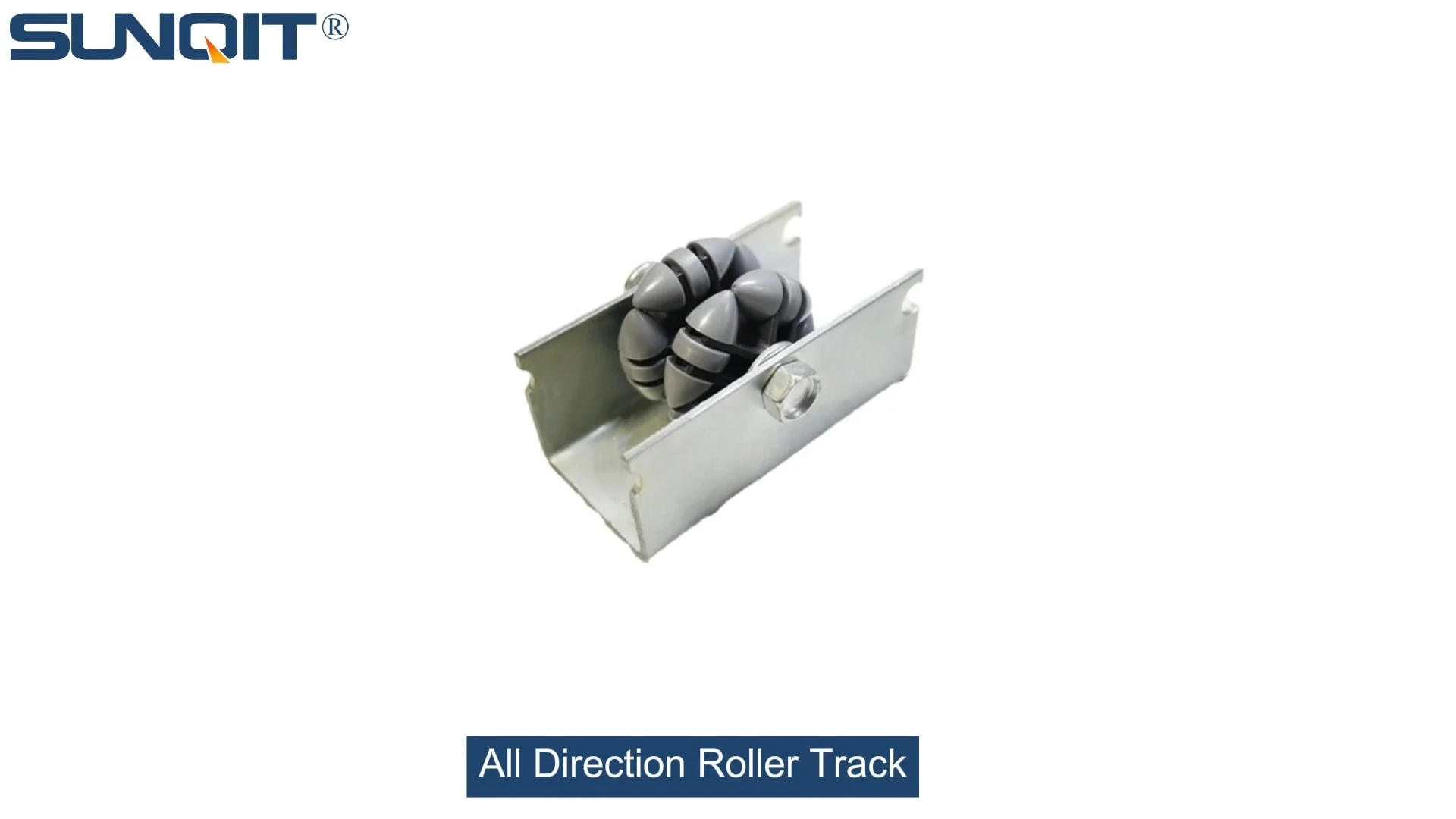
All Direction Roller Track
All direction roller track made of steel frame and multiple direction move wheel which will make boxes are always in contact with the rollers, reducing jams and enhancing flow reliability.
Picture this: You're walking through a busy manufacturing facility, and the hum of production fills the air. At the heart of it all, all direction roller tracks are hard at work—smoothly moving components from one station to the next, keeping assembly lines flowing like a well-choreographed dance. These unsung heroes of efficiency rarely get the spotlight, but anyone who's dealt with a seized roller or a noisy track knows: their performance directly impacts your team's productivity, your bottom line, and even workplace morale. That's where proper lubrication comes in. It's not just about "oiling the wheels"—it's about protecting your investment, keeping your operations lean, and ensuring every part of your lean solution works in harmony. Let's dive into how to keep your all direction roller tracks running like new, step by step.
Why Lubrication Matters for Your All Direction Roller Track
You might be thinking, "Do I really need to stress about lubrication? Can't I just spray some oil and call it a day?" If only it were that simple! All direction roller tracks are precision tools, designed to handle constant movement, varying loads, and the daily grind of manufacturing. Without proper lubrication, here's what could happen:
- Friction Build-Up: Metal-on-metal contact (or plastic-on-metal) creates heat and wear. Over time, this can warp components, leading to jams or even track failure.
- Corrosion Risks: Dust, moisture, and industrial debris love to settle in tight spaces—like the gaps between roller track connectors. Without a protective layer of lubricant, rust and corrosion start eating away at your equipment.
- Noise Pollution: A dry track isn't just inefficient; it's loud. Squeaks, rattles, and grinding sounds disrupt focus and can be a sign of bigger issues brewing.
- Wasted Time: A stuck roller or misaligned track means downtime. Your team stops assembling, your conveyor sits idle, and suddenly that "quick fix" turns into hours of lost production. And in lean manufacturing, downtime is the enemy of progress.
The good news? With a little care and the right lubrication routine, you can avoid all of this. Think of it as giving your roller track a daily vitamin—small, consistent effort that pays off in longevity and reliability.
Before You Start: Prep Work That Saves Time Later
Lubrication isn't a "grab and go" task. Rushing in without preparation is how mistakes happen—like using the wrong oil, missing a critical component, or worse, risking injury. Let's break down what you need to do before cracking open that lubricant bottle.
Safety First: Protect Yourself and Your Team
Never skip this step! All direction roller tracks are often part of larger conveyor systems or production lines, which means they might be connected to power sources or located near heavy machinery. Before you touch anything:
- Lockout/Tagout (LOTO): If the track is motorized or connected to a power supply, shut off the electricity and use a lockout/tagout device to prevent accidental startup. This isn't just a formality—it's a life-saver.
- Wear Protective Gear: Gloves (to keep oil off hands and protect against sharp edges), safety glasses (in case of splashes), and non-slip shoes. Better safe than sorry!
- Clear the Area: Remove any tools, boxes, or debris around the track. You need space to move, inspect, and work without tripping hazards.
Tools and Supplies: Gather What You Need
Nothing kills momentum like realizing you're missing a brush or the right lubricant halfway through the job. Here's your checklist:
| Tool/Supply | Purpose | Pro Tip |
|---|---|---|
| Lubricant (more on choosing this later!) | Reduces friction, protects against corrosion | Store in a cool, dry place away from direct sunlight |
| Clean rags or lint-free cloths | Wipe away old oil, dirt, and debris | Use microfiber cloths for sensitive components like caster wheels |
| Small bristle brushes (soft and medium stiffness) | Reach tight spaces (e.g., roller track connector joints) | Label brushes for specific lubricants to avoid cross-contamination |
| Syringe or oiler (for precision application) | Apply small amounts of lubricant to bearings or tiny gaps | Disposable syringes work great for one-time use |
| Plastic scraper (non-metallic) | Remove caked-on grease or debris without scratching surfaces | Avoid metal scrapers—they can damage plastic or painted parts |
Clean First, Lubricate Later: The Golden Rule
Applying fresh lubricant over old, dirty oil is like putting a band-aid on a wound without cleaning it first—it traps grime, creates sludge, and makes the problem worse. Take 10-15 minutes to clean each component:
- Rollers: Wipe each roller with a damp cloth to remove dust. For stubborn debris, use a soft brush to dislodge particles from the bearing area.
- Roller Track Connectors: These are the "joints" that hold the track together. Use a small brush to clean out dirt from the connection points—buildup here can cause misalignment over time.
- Caster Wheels (if your track has them): Spin the wheels by hand and wipe the axles. If you see rust, gently scrub with a wire brush (soft bristle!) before wiping clean.
- Track Rails: Run a cloth along the length of the rails to remove any loose debris. Pay extra attention to corners or curves where dust likes to collect.
Once everything is clean, let it dry completely. Moisture mixed with lubricant creates a sticky mess—you don't want that!

Choosing the Right Lubricant: It's Not One-Size-Fits-All
Now that you're prepped and ready, let's talk about the star of the show: lubricant. Walk into any industrial supply store, and you'll be bombarded with options—oils, greases, sprays, pastes… How do you pick the right one for your all direction roller track? Let's simplify.
Key Factors to Consider
Not all lubricants are created equal. The best choice depends on three things:
- Operating Conditions: Is your track in a hot environment (like near ovens or welders)? Or a cold one (freezers or outdoor storage)? High temperatures require lubricants with higher viscosity (thicker consistency) to avoid breaking down.
- Load and Speed: Heavy loads (think pallets of 3C assembly components) need thicker greases to stay in place. High-speed tracks might benefit from lighter oils that flow more easily.
- Material Compatibility: If your track has plastic rollers or nylon roller track connector parts, some lubricants can cause swelling or cracking. Always check the manufacturer's specs!
Common Lubricant Types for All Direction Roller Tracks
Let's break down the most popular options and when to use them:
| Lubricant Type | Best For | Pros | Cons |
|---|---|---|---|
| Mineral Oil-Based Lubricants | General-purpose use, moderate temperatures (-10°C to 60°C) | Affordable, widely available, compatible with most metals | Can break down in high heat; needs more frequent reapplication |
| Synthetic Lubricants | Extreme temperatures (-40°C to 150°C), high-speed tracks | Longer-lasting, better resistance to oxidation and corrosion | More expensive upfront; overkill for simple, low-stress tracks |
| Silicone-Based Lubricants | Plastic components (e.g., nylon caster wheels, plastic roller track guide rails) | Non-reactive with plastics, water-resistant, low friction | Not ideal for heavy loads; can attract dust in dirty environments |
| PTFE (Teflon) Lubricants | High-load, high-friction areas (e.g., steel roller track connectors) | Excellent for reducing wear, works in extreme temps | Expensive; can be messy to apply without precision tools |
Pro Tip: When in doubt, start with the lubricant recommended by your roller track supplier. They know their products best!

Step-by-Step Lubrication Guide: From Rollers to Connectors
Now that you're prepped and have the right lubricant, let's get to work! We'll walk through each critical component of your all direction roller track and how to lubricate it properly. Remember: patience is key. Rushing leads to missed spots or over-lubrication (yes, that's a real problem!).
1. Lubricating the Rollers: The Heart of the Track
Rollers are the workhorses of your track—they bear the load and keep everything moving. Most all direction roller tracks have two types of rollers: fixed (non-spinning) and rotating. We're focusing on the rotating ones here, as they have internal bearings that need regular care.
- Locate the Bearing Seals: Look for small rubber or metal seals on the ends of the rollers. These protect the bearings from dirt. Gently pry them open with a plastic scraper (be careful not to tear them!).
- Clean the Bearing Cavity: Use a syringe to squirt a small amount of clean lubricant into the bearing, then spin the roller by hand to flush out old oil and debris. Wipe away the dirty residue with a cloth.
- Apply Fresh Lubricant: Fill the bearing cavity about 1/3 to 1/2 full with lubricant. Too much will cause excess to leak out and attract dust. For small bearings, use a syringe for precision.
- Reinstall Seals and Test: Press the seals back into place. Spin the roller by hand—it should move smoothly, with no resistance or grinding sounds. If it's stiff, you might have over-filled it; wipe away excess and try again.
2. Roller Track Connectors: Keeping the Track Together
Roller track connectors are easy to overlook, but they're critical for stability. These joints allow the track to flex slightly (important for uneven floors or dynamic loads) while keeping everything aligned. Without lubrication, they can seize up, leading to track warping or even collapse.
Here's how to lubricate them:
- Identify Connection Points: Walk the length of the track and note where sections meet—these are your roller track connectors. Look for bolts, pins, or sliding joints.
- Loosen (If Needed): For bolted connectors, slightly loosen the bolts (don't remove them!) to allow lubricant to seep into the threads and mating surfaces.
- Apply Lubricant: Use a brush to apply a thin layer of lubricant to the connector surfaces. For threaded parts, drip a few drops of oil onto the threads and tighten/loosen the bolt a few times to distribute it evenly.
- Test Movement: Gently push/pull the track sections to ensure the connectors move freely. If they're still stiff, apply a bit more lubricant and repeat.
Pro Tip: If your roller track connectors are made of aluminum (common in lightweight lean pipe systems), avoid lubricants with high acid content—they can cause pitting over time.
3. Caster Wheels: For Mobile Tracks
Many all direction roller tracks come with caster wheels for easy repositioning—great for flexible production lines! But these wheels have their own lubrication needs, especially since they handle both vertical (load-bearing) and horizontal (swiveling) movement.
- Clean the Wheel Axles: Wipe away dirt and old grease from the axle and swivel joint. If there's a lot of buildup, use a brush to scrub the area.
- Lubricate the Wheel Bearings: Remove the wheel (if possible) by taking off the axle nut. Apply lubricant to the inner bearing race, then reinstall the wheel and tighten the nut (not too tight—you want the wheel to spin freely).
- Swivel Joint Care: The part that allows the wheel to turn (the swivel joint) has tiny ball bearings. Apply a few drops of oil to the joint and rotate the wheel 360° to distribute the lubricant. Wipe away any excess.
- Brake Mechanisms (If Equipped): If your caster wheels have brakes, apply a small amount of lubricant to the brake pads (but not too much—you don't want them slipping!). Test the brakes afterward to ensure they still grip.
4. Other Key Components: Don't Forget These Spots
Your all direction roller track might have other moving parts, depending on its design. Here are a few more to check:
- Adjustment Screws/Knobs: These control track height or alignment. A drop of oil on the threads prevents them from seizing when you need to make adjustments.
- Side Guides: Plastic or aluminum guide rails that keep items centered on the track. If they're friction-fit (sliding), apply a thin layer of silicone lubricant to reduce wear.
- Drive Belts (If Motorized): Some tracks have belts that power the rollers. While belts don't need lubrication, the pulleys they run on do—apply a small amount of grease to pulley bearings.

Troubleshooting Common Lubrication Headaches
Even with the best intentions, things can go wrong. Let's tackle the most common lubrication-related problems and how to fix them—no panic required!
Problem #1: The Track is Noisy After Lubrication
You just lubricated everything, but now the track is squeaking louder than before. What gives? Chances are, you either missed a spot or used the wrong lubricant.
- Check for Dry Spots: Walk the track and listen for the source of the noise. It might be a single roller or a sticky connector. Re-lubricate that specific area.
- Over-Lubrication: Too much lubricant can cause rollers to slip, creating a "squeal" as they catch. Wipe away excess oil/grease with a cloth and test again.
- Wrong Lubricant Viscosity: If you used a thin oil in a high-load track, it might not be staying in the bearings. Switch to a thicker grease and see if the noise stops.
Problem #2: Rollers Are Sticking or Jamming
A jammed roller is a production stopper. Here's how to diagnose it:
- Debris Trapped: Even after cleaning, a small piece of metal or plastic might be stuck between the roller and track. Use a flashlight to inspect the area and remove it with tweezers (never your fingers!)
- Corroded Bearings: If the track was neglected for a long time, bearings might be rusted. Try flushing them with a solvent (like mineral spirits) to dissolve rust, then re-lubricate. If they still stick, it might be time to replace the roller.
- Misaligned Rollers: Lubrication won't fix a bent roller or misaligned track. Use a level to check if the track is straight, and adjust the roller positions if needed.
Problem #3: Lubricant Keeps Leaking Everywhere
Oil drips on the floor, grease on products—messy! This is usually a sign of over-lubrication or using the wrong type of lubricant.
- Wipe Excess: Use a cloth to soak up leaking lubricant. Check the roller bearings—if they're overflowing, remove the seals and wipe out the excess with a cotton swab.
- Switch to a Thicker Lubricant: If you're using oil and it's leaking, try a grease instead. Grease stays in place better, especially on vertical surfaces.
- Check for Damaged Seals: Cracked or missing bearing seals can cause lubricant to leak. replace the seals to keep the grease where it belongs.
Creating a Maintenance Schedule: Consistency is Key
Now that you know how to lubricate your all direction roller track, when should you do it? The answer depends on how hard your track works. A track in a 24/7 medical device assembly line will need more frequent care than one used occasionally in a small warehouse. Here's a sample schedule to adapt to your needs:
| Maintenance Task | Frequency | What to Do | Tools Needed |
|---|---|---|---|
| Visual Inspection | Daily (before shift starts) | Check for obvious issues: loose rollers, damaged connectors, oil leaks, debris on the track | Flashlight, gloves |
| Quick Lubrication Touch-Up | Weekly | Spot-lubricate noisy or slow-moving rollers/connectors; wipe away excess oil | Lubricant, cloth, small brush |
| Full Lubrication Service | Monthly (or every 250 operating hours) | Clean and lubricate all rollers, connectors, and caster wheels; check lubricant levels | Complete tool kit (see "Tools and Supplies" section) |
| Deep Clean and Inspection | Quarterly | Disassemble key components (rollers, connectors) for thorough cleaning; replace worn parts; test track alignment | Disassembly tools (wrenches, screwdrivers), replacement parts |
| Annual Professional Check-Up | Yearly | Have a technician inspect for hidden wear (e.g., internal bearing damage); review lubrication practices | Manufacturer's specs, maintenance logs |
Pro Tip: Keep a maintenance log! Jot down dates, what was lubricated, and any issues you noticed. Over time, this helps you spot patterns (e.g., "Rollers 5-8 always need extra lubricant") and adjust your routine.
How This Fits Into Your Lean Solution: More Than Just Maintenance
You might be thinking, "This is all great, but how does lubrication tie into our lean solution goals?" Excellent question! Lean manufacturing is about eliminating waste—whether it's time, materials, or energy. Proper roller track maintenance directly supports that by:
- Reducing Downtime: A well-lubricated track breaks down less often, so your production line stays running. No more "emergency stops" to fix a seized roller!
- Extending Equipment Life: Replacing an all direction roller track is expensive. Regular lubrication can double (or even triple!) its lifespan, saving you money in the long run.
- Improving Safety: A maintained track is a safe track. No more unexpected jolts or flying debris from failed components—protecting your team and your products.
- Boosting Efficiency: Smooth-moving tracks mean faster material flow, which speeds up assembly times. In 3C manufacturing, where seconds count, this can add up to big gains in output.
Think of it this way: Your lean solution is built on the idea of continuous improvement. Maintenance isn't a "one-and-done" task—it's part of that cycle. By taking care of your equipment, you're ensuring your lean system works as efficiently as possible, day in and day out.
Wrapping Up: Your Roller Track Deserves the Best
At the end of the day, your all direction roller track is more than just metal and plastic—it's a critical part of your team. It keeps materials moving, assembly lines flowing, and your lean solution on track. With a little time, the right tools, and consistent care, you can keep it running smoothly for years to come.
Remember: lubrication isn't a chore—it's an investment. An investment in less stress, fewer headaches, and a production line that works as hard as you do. So grab your lubricant, your cloth, and let's keep those rollers rolling!
Got questions? drop a comment below—we're here to help you keep your lean system in top shape. Happy maintaining!
Imagine walking through a bustling manufacturing plant—conveyors hum, products glide, and every second counts. At the center of this organized chaos, all direction roller tracks work tirelessly, moving components from assembly lines to packaging stations. These unassuming systems are the unsung heroes of efficiency, but like any hardworking team member, they need a little TLC to stay at the top of their game. That's where lubrication comes in. It's not just about "oiling the wheels"—it's about keeping your production line flowing, reducing costly downtime, and ensuring your lean solution stays true to its promise of efficiency. Let's dive into how to give your roller track the care it deserves.
Why Lubrication Matters for Your All Direction Roller Track
You might be thinking, "Can't I just spray some oil and call it a day?" If only it were that simple! All direction roller tracks are precision-engineered to handle constant movement, varying loads, and the daily grind of manufacturing. Without proper lubrication, here's what happens:
- Friction Build-Up: Metal-on-metal contact creates heat and wear, warping components and leading to jams.
- Rust and Corrosion: Dust, moisture, and debris sneak into tiny gaps—like the crevices of your roller track connector—eating away at metal over time.
- Unnecessary Noise: A dry track doesn't just slow down production; it squeaks, rattles, and disrupts the workflow your team relies on.
- Wasted Time: A seized roller or misaligned track means downtime. In lean manufacturing, every minute of halted production is a step away from your efficiency goals.
The good news? With regular lubrication, you can avoid all this. Think of it as a wellness check for your equipment—small, consistent effort that pays off in smoother operations and longer lifespans.
Before You Start: Prep Work That Saves Time Later
Safety First—Always!
Lubrication might seem straightforward, but cutting corners on safety is never worth it. Start by powering down the track and using lockout/tagout procedures to prevent accidental startup. Wear gloves to protect your hands from sharp edges, and safety glasses to shield against splatters. Clear the area around the track of tools, boxes, or debris—you need space to move freely.
Tools You'll Need
| Tool | Purpose | Pro Tip |
|---|---|---|
| Lubricant (more on choosing this later!) | Reduces friction and protects against corrosion | Store in a cool, dry place to maintain effectiveness |
| Clean rags or microfiber cloths | Wipe away old oil and debris | Use lint-free cloths to avoid leaving fibers on moving parts |
| Small bristle brushes (soft and medium) | Reach tight spots like roller track connector joints | Label brushes for specific lubricants to avoid mixing types |
| Syringe or precision oiler | Apply small amounts of lubricant to bearings | Disposable syringes work great for hard-to-reach areas |
Clean Before You Lubricate
Applying fresh lubricant over old, dirty oil is like putting a band-aid on a dusty wound—it traps grime and creates sludge. Take 10 minutes to wipe down rollers with a damp cloth, and use a brush to dislodge debris from roller track connectors. For caked-on grease, a plastic scraper (never metal!) will gently remove buildup without scratching surfaces.
Choosing the Right Lubricant: It's Not One-Size-Fits-All
Not all lubricants are created equal. The best choice depends on your track's environment, load, and materials. Here's how to pick:
Key Factors to Consider
- Operating Temperature: If your track is near ovens or welders, opt for high-temperature lubricants that won't break down. Cold environments? Go for low-viscosity options that flow easily.
- Load and Speed: Heavy loads (think pallets of 3C assembly parts) need thicker greases to stay in place. High-speed tracks work better with lighter oils.
- Material Compatibility: Plastic rollers or nylon components? Avoid lubricants with harsh chemicals that can cause swelling or cracking.
Top Lubricant Types for Roller Tracks
| Type | Best For | Pros | Cons |
|---|---|---|---|
| Mineral Oil-Based | General use, moderate temps (-10°C to 60°C) | Affordable, widely available | Needs reapplication more often in high heat |
| Synthetic Lubricants | Extreme temps (-40°C to 150°C), high-speed tracks | Long-lasting, resists oxidation | More expensive upfront |
| Silicone-Based | Plastic parts (e.g., caster wheel components) | Non-reactive, water-resistant | Not ideal for heavy metal-on-metal contact |
Step-by-Step Lubrication Guide
1. Lubricating Rollers: The Heart of the Track
Rollers do the heavy lifting, so they need extra attention. Start by locating the bearing seals on each roller—these small rubber caps protect the inner workings. Gently pry them open with a plastic scraper (metal tools can damage the seal!). Use a syringe to squirt a small amount of fresh lubricant into the bearing, then spin the roller by hand to distribute it evenly. Wipe away excess oil, replace the seals, and test the roller—it should spin smoothly with no resistance.
2. Caring for Roller Track Connectors
Roller track connectors are the "joints" that keep your track aligned. Over time, dirt and grime can make them stiff. First, loosen the bolts slightly (don't remove them!) to allow lubricant to seep into the threads. Apply a thin layer of lubricant to the connector surfaces and threads, then tighten and loosen the bolts a few times to work the oil in. Gently push the track sections to ensure they move freely—if they're still stiff, add a bit more lubricant and repeat.
3. Caster Wheel Maintenance (For Mobile Tracks)
Many all direction roller tracks come with caster wheels for easy repositioning—perfect for flexible production lines! To lubricate them, start by cleaning the axle and swivel joint with a cloth. Remove the wheel by taking off the axle nut, apply lubricant to the inner bearing race, and reinstall the wheel (don't overtighten—you want it to spin freely). For the swivel joint, add a few drops of oil and rotate the wheel 360° to distribute it. Wipe away excess to avoid attracting dust.
Common Lubrication Headaches (And How to Fix Them)
Problem: The Track is Noisier After Lubrication
This usually means you missed a spot or used the wrong lubricant. Walk the track and listen for squeaks—target those areas with extra lubricant. If the noise persists, check if you used a thin oil in a high-load area; switching to a thicker grease might do the trick.
Problem: Rollers Are Sticking
Sticky rollers often mean debris is trapped or bearings are corroded. Use a flashlight to inspect the roller area—tweezers can help remove small pieces of dirt. If the roller still won't move, the bearings might be rusted; flush them with a solvent (like mineral spirits) and re-lubricate.
Problem: Lubricant Leaks Everywhere
Over-lubrication is usually the culprit. Wipe away excess oil with a cloth, and check the bearing seals—if they're cracked, replace them to keep lubricant where it belongs. For vertical surfaces, switch to a thicker grease that stays put.
Sticking to a Schedule: Consistency is Key
How often should you lubricate? It depends on how hard your track works. Here's a sample schedule to adapt:
| Task | Frequency | What to Do |
|---|---|---|
| Visual Inspection | Daily (before shift) | Check for loose rollers, damaged connectors, or oil leaks |
| Spot Lubrication | Weekly | Lubricate noisy or slow-moving parts |
| Full Lubrication | Monthly (or 250 operating hours) | Clean and lubricate all rollers, connectors, and caster wheels |
| Deep Clean | Quarterly | Disassemble key components, clean thoroughly, replace worn parts |
Pro Tip: Keep a maintenance log! Jotting down dates and issues helps you spot patterns—like "Rollers 3-5 always need extra lube"—so you can adjust your routine.
How This Ties Into Your Lean Solution
At the end of the day, lubrication isn't just about keeping parts moving—it's about honoring the principles of lean manufacturing. A well-maintained track reduces waste (no more downtime!), extends equipment life (fewer replacements), and keeps your team focused on what they do best: producing quality products. It's a small step that aligns with your larger goal of continuous improvement.
Your all direction roller track is more than just a piece of equipment—it's a partner in your success. With the right tools, a little patience, and regular lubrication, you can keep it running smoothly for years to come. Remember: every drop of oil is an investment in efficiency, safety, and the lean solution you've worked hard to build. So grab your lubricant, roll up your sleeves, and let's keep that track moving!