- Company Articles
- Products and Technology
- Product knowledge
- M10*56 Rubber Leveling Feet Compatibility with Lean Pipe Systems

M10*56 Rubber Leveling Feet Compatibility with Lean Pipe Systems
Related Product
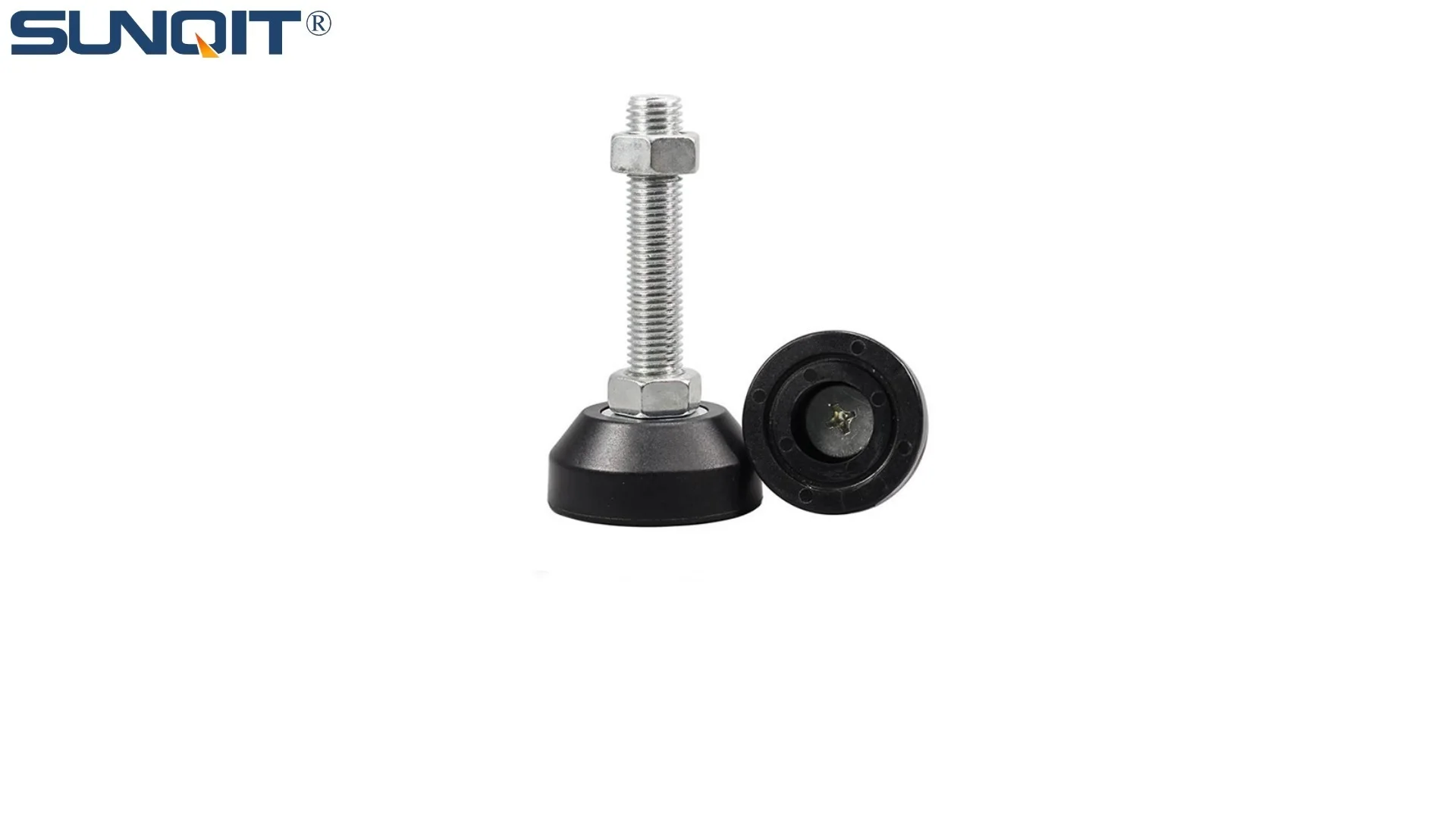
M10*56 Rubber Leveling Feet
Adjustable leveling feet are designed to keep machines level when placed on uneven or sloped ground. Otherwise known as adjustable equipment feet, they are available to order in a wide variety of size and load capacity combinations.
In the world of manufacturing and workshop efficiency, stability isn't just a nicety—it's the foundation of productivity. Imagine a lean pipe workbench where tools slide unevenly, or a material rack that wobbles mid-operation. These small inconsistencies can derail workflows, compromise safety, and eat into profits. Enter the M10*56 rubber leveling foot: a but critical component that bridges the gap between uneven floors and the precision of lean systems. In this article, we'll explore how this specific leveling foot integrates with lean pipe systems, why compatibility matters, and how it elevates everything from assembly lines to warehouse setups.
What Are M10*56 Rubber Leveling Feet?
Before diving into compatibility, let's unpack what makes M10*56 rubber leveling feet unique. At first glance, they might look like simple bolts with rubber tips, but their design is engineered for purpose. The "M10" refers to the metric thread size (10mm in diameter), while "56" indicates the length of the threaded stem (56mm). The base is typically a durable rubber pad, often with a metal core for strength, and the stem is usually made of steel or stainless steel to withstand heavy loads.
These feet are adjustable—twisting the stem raises or lowers the height, allowing users to fine-tune the balance of equipment. The rubber base serves two key roles: it grips the floor to prevent slipping, and it absorbs vibrations, protecting sensitive tools or components on the workbench. Unlike rigid metal feet, the rubber also avoids scratching concrete or tile floors, a small detail that reduces long-term maintenance costs.
But why this specific size? M10 threads are common in industrial settings because they strike a balance between load capacity and versatility. A 56mm stem provides enough adjustability to compensate for most floor unevenness (typically up to 10-15mm in workshops) without being overly long and prone to bending. For lean systems, which prioritize adaptability, this adjustability is non-negotiable.
Understanding Lean Pipe Systems: Flexibility Meets Function
Lean pipe systems—often called "flexible pipe systems"—are the backbone of modern lean manufacturing. They're built using lightweight, modular components: primarily lean pipe (either steel with a plastic coating, aluminum, or stainless steel), joints, and accessories like wheels, brackets, and workbench tops. The magic of lean systems lies in their modularity: you can assemble a workbench in the morning, reconfigure it into a material rack by afternoon, and disassemble it entirely at week's end—all without welding or specialized tools.
Common applications include lean pipe workbenches (used for assembly, packaging, or quality control), flow racks (for Just-In-Time material delivery), turnover trolleys (for moving goods between stations), and even conveyor supports. What ties these applications together? The need for stability. A lean system's flexibility means it's only as reliable as its base. If the foundation wobbles, the entire structure becomes a liability—tools slide, parts misalign, and workers waste time readjusting instead of producing.

Key Compatibility Factors: Why M10*56 Rubber Leveling Feet Work with Lean Pipes
Compatibility between M10*56 rubber leveling feet and lean pipe systems isn't accidental—it's a result of matching engineering needs with practical design. Let's break down the critical factors that make this pairing successful:
1. Thread Size and Mounting Fit
Lean pipe systems, especially those used for workbenches and racks, are designed with standardized mounting points. Most lean pipe frames feature pre-drilled holes or threaded inserts sized for M8, M10, or M12 bolts. M10 threads are a sweet spot here: they're strong enough to support medium to heavy loads (think 200-500kg per foot, depending on the model) but not so large that they add unnecessary bulk. The 56mm stem length is ideal for lean pipe setups, providing enough thread engagement to secure the foot firmly to the frame while leaving room to adjust height—critical for compensating for uneven floors in old workshops or warehouses.
2. Material Synergy: Rubber Meets Lean Pipe
Lean pipes are often made of steel with a plastic coating, aluminum, or stainless steel—materials chosen for durability and corrosion resistance. The M10*56 leveling foot's stem is typically steel (zinc-plated or stainless steel) to match this ruggedness, preventing rust in humid or oily environments. The rubber base, usually made of nitrile or polyurethane, complements the pipe's finish: it won't scratch coated steel, won't react with aluminum, and provides a non-slip grip that metal feet can't match. This material harmony ensures the leveling foot doesn't damage the lean system or vice versa, extending the lifespan of both.
3. Load Capacity Alignment
Lean pipe systems are built to handle specific weight ranges. A basic lean pipe workbench might support 100-300kg, while a heavy-duty material rack could carry 500kg or more. M10*56 rubber leveling feet are engineered to align with these loads. A typical M10*56 foot can support 200-400kg individually, meaning four feet (standard for a workbench) can easily handle 800-1600kg—well above the needs of most lean setups. This overcapacity isn't overkill; it adds a safety buffer, ensuring stability even when the workbench is loaded unevenly (e.g., tools on one corner, parts on another).
4. Environmental Adaptability
Workshops are harsh environments: oil spills, chemical cleaners, temperature fluctuations, and constant foot traffic. M10*56 rubber leveling feet are designed to thrive here. Nitrile rubber bases resist oils and chemicals, while stainless steel stems stand up to moisture. This resilience means they won't degrade in factories where coolants are used or warehouses with high humidity—common settings for lean pipe systems. Unlike plastic feet that crack or metal feet that rust, these leveling feet maintain their grip and adjustability over time.

Real-World Applications: Where M10*56 Leveling Feet Shine in Lean Systems
To understand compatibility in action, let's look at three common lean system setups where M10*56 rubber leveling feet make a tangible difference:
1. Lean Pipe Workbenches: The Heart of Assembly Lines
A lean pipe workbench is where precision happens—whether assembling electronics, packaging products, or inspecting parts. Even a 1-2mm wobble can throw off measurements or cause tools to roll. M10*56 leveling feet solve this by letting workers adjust each corner independently. For example, in a smartphone assembly line, a workbench with misaligned leveling feet might cause a circuit board to shift during soldering, leading to defects. With M10*56 feet, the bench stays rock-solid, reducing rework and improving throughput.
2. Material Racks: Stability for Stacked Goods
Material racks (like the "material rack B (3 row and 3 floor)" from many lean suppliers) hold boxes, bins, or components. When loaded, uneven weight distribution can make the rack lean—risking collapse. M10*56 leveling feet distribute weight evenly, even when the rack is loaded to capacity. In a warehouse storing automotive parts, for instance, a leaning rack might cause a bin of screws to tip, spilling contents and halting production. The rubber base also dampens vibrations from nearby forklifts, preventing items from shifting.
3. Turnover Trolleys: Mobile Stability
While many turnover trolleys use casters for mobility, some (especially those for heavy loads) combine casters with leveling feet. When parked, the feet are lowered to stabilize the trolley, preventing it from rolling during loading/unloading. M10*56 feet are perfect here: their steel stems are strong enough to bear the trolley's weight, and the rubber base grips the floor to keep it steady. In a food processing plant, for example, a trolley holding bulk ingredients needs to stay put while workers scoop contents—leveling feet ensure it doesn't drift, reducing spills and waste.

Comparing M10*56 with Other Leveling Feet: Why It's the Right Fit for Lean Pipes
Not all leveling feet are created equal. Let's compare M10*56 rubber feet with two common alternatives to see why they're compatible with lean pipe systems:
| Feature | M10*56 Rubber Leveling Foot | M8*40 Plastic Leveling Foot | M12*60 Metal-Only Leveling Foot |
|---|---|---|---|
| Thread Size | M10 (10mm diameter) | M8 (8mm diameter) | M12 (12mm diameter) |
| Load Capacity (per foot) | 200-400kg | 50-150kg | 400-600kg |
| Base Material | Nitrile rubber (oil/chemical resistant) | Hard plastic (prone to cracking) | Steel (no grip; scratches floors) |
| Best for Lean Pipes? | Yes—balances load, adjustability, and grip | No—too weak for most lean setups | Rarely—overkill for typical loads; damages floors |
The table tells the story: M10*56 rubber feet hit the sweet spot for lean pipe systems. M8 plastic feet lack the strength, while M12 metal feet are over-engineered and risk damaging both floors and the lean pipe frame itself.
Installation Tips: Ensuring Perfect Compatibility
Even the most compatible components can underperform with poor installation. Here's how to install M10*56 rubber leveling feet on lean pipe systems for maximum stability:
- Check the mounting holes: Ensure your lean pipe frame has M10 threaded holes or inserts. If not, use a tap to create threads (for steel pipes) or install threaded inserts (for aluminum pipes). Mismatched threads will strip the holes or loosen over time.
- Hand-tighten first: Screw the leveling foot into the hole by hand until it's snug. This prevents cross-threading, which can damage both the foot and the frame.
- Use a torque wrench (optional): For heavy-duty setups, tighten the foot to 15-20 Nm (check the manufacturer's specs). Over-tightening can crack the pipe frame, especially if it's aluminum.
- Adjust for level: Place a spirit level on the workbench or rack. Twist each foot to raise/lower until the bubble is centered. For uneven floors, adjust one foot at a time to avoid overcorrecting.
- Test stability: Apply gentle pressure to each corner of the system. If it wobbles, readjust the feet. For mobile setups (like trolleys), test stability both when parked (feet down) and moving (feet up).
Long-Term Maintenance: Keeping Compatibility Strong
To ensure M10*56 rubber leveling feet remain compatible with your lean pipe system for years, follow these maintenance tips:
- Clean threads regularly: Dust, oil, and debris can jam the threads, making adjustment hard. Wipe the stem with a cloth and apply a light machine oil (e.g., 3-in-1 oil) every 6 months.
- Inspect rubber bases: Check for cracks, tears, or hardening (a sign of). replace the foot if the base is damaged—grip is critical for stability.
- Tighten loose feet: Vibration can loosen leveling feet over time. Check tightness monthly, especially in high-traffic areas.
- replace corroded stems: If the steel stem rusts (common in humid environments), replace the foot. Rust weakens the thread and can make adjustment impossible.
Conclusion: Stability as a Catalyst for Lean Success
In the world of lean manufacturing, every component is a puzzle piece—and M10*56 rubber leveling feet are the piece that holds the puzzle steady. Their compatibility with lean pipe systems stems from thoughtful engineering: the right thread size, material durability, load capacity, and environmental resilience. Whether you're building a lean pipe workbench, a material rack, or a turnover trolley, these feet ensure your system isn't just flexible—but rock-solid.
At the end of the day, stability translates to efficiency. A level workbench reduces rework. A steady material rack prevents spills. A stable trolley speeds up loading. And in lean systems, where every second counts, that's the difference between good and great. So the next time you're designing a lean setup, don't overlook the small components. Sometimes, the most impactful solutions come in the form of a 56mm stem with a rubber tip.