- Company Articles
- Products and Technology
- Product knowledge
- M10*56 Rubber Leveling Feet for Heavy-Duty Conveyors: Stability Solutions

M10*56 Rubber Leveling Feet for Heavy-Duty Conveyors: Stability Solutions
Related Product
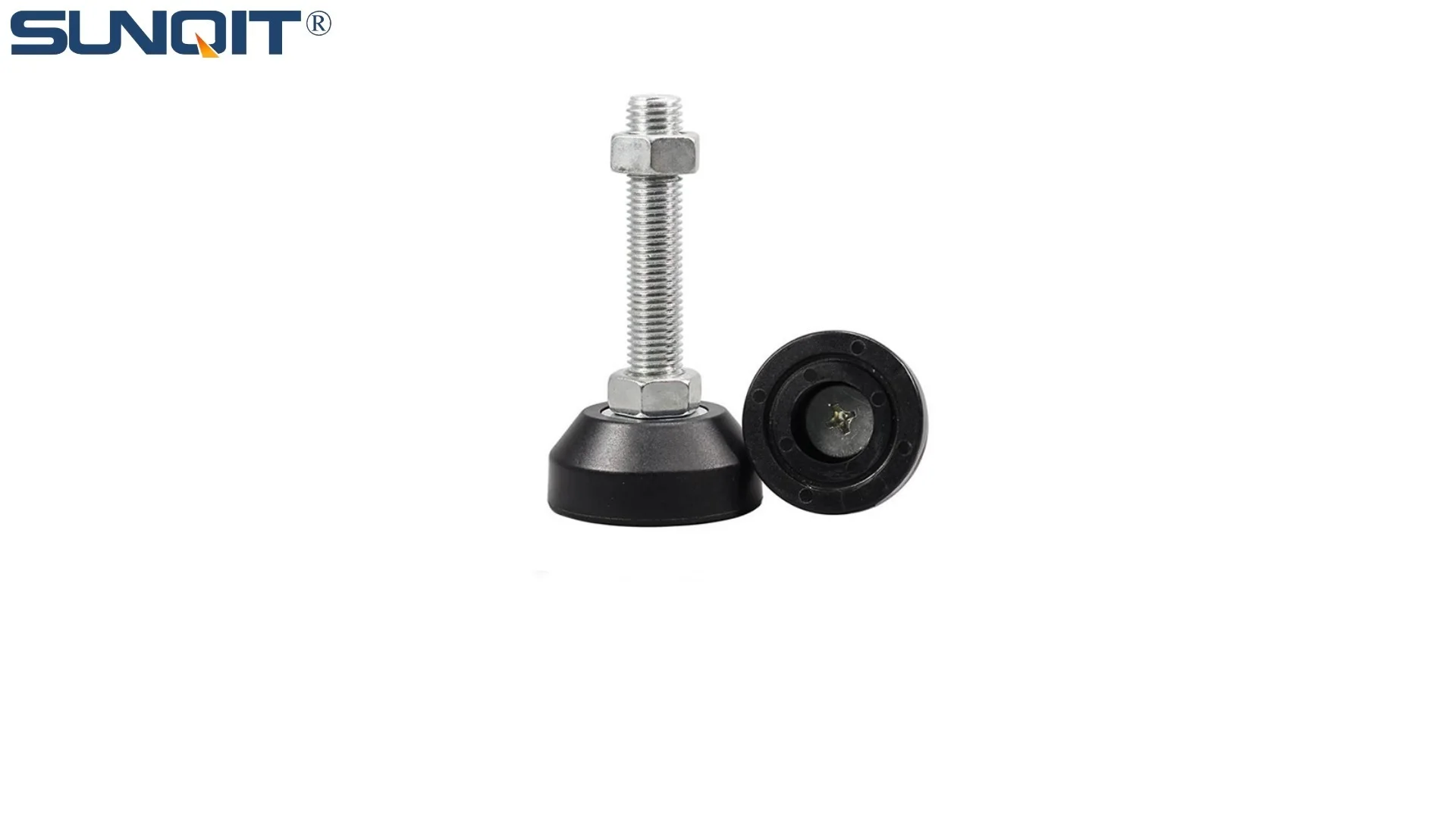
M10*56 Rubber Leveling Feet
Adjustable leveling feet are designed to keep machines level when placed on uneven or sloped ground. Otherwise known as adjustable equipment feet, they are available to order in a wide variety of size and load capacity combinations.
The Hidden Cost of a Wobbly Conveyor: Why Stability Matters More Than You Think
Walk through any busy manufacturing plant, and you'll hear the steady hum of machinery, the clink of tools, and the rhythmic roll of products gliding along conveyors. These conveyors are the backbone of production—they move parts from assembly to packaging, keep lines flowing, and ensure deadlines are met. But what happens when that backbone starts to wobble? A single unstable conveyor can throw a wrench into the entire operation, and the costs add up fast.
Consider this: A mid-sized automotive parts plant was losing 2-3 hours of production weekly because their heavy-duty conveyor kept tipping. Boxes of components would slide off, getting damaged or jamming the belt. Workers had to stop, reset the line, and inspect for broken parts—time that could have been spent building products. Worse, the constant vibration from the unsteady conveyor was loosening bolts on adjacent workbenches, leading to even more downtime. The root cause? The conveyor's base wasn't level, and the cheap plastic feet it came with couldn't handle the load or adjust to the factory floor's minor unevenness.
This isn't an isolated problem. Factory floors settle over time, heavy machinery creates small dips, and even new facilities rarely have perfectly flat surfaces. For conveyors hauling 500kg+ loads—think pallets of electronics, engine parts, or bulk materials—stability isn't just a "nice-to-have"; it's critical. That's where M10*56 rubber leveling feet come in. These unassuming components are the unsung heroes of conveyor reliability, designed to turn a shaky line into a steady, efficient workhorse.
What Are M10*56 Rubber Leveling Feet, Anyway?
At first glance, they might look like simple bolts with rubber bottoms—and in a way, they are. But that simplicity is their strength. M10*56 rubber leveling feet are adjustable support legs designed to stabilize heavy equipment, with a focus on conveyors. Let's break down the name: "M10" refers to the metric thread size (10mm diameter), ensuring compatibility with most industrial conveyor frames. "56" is the length of the threaded rod (56mm), giving you enough adjustability to compensate for uneven floors. The "rubber" base is key—it grips the floor to prevent sliding, absorbs vibrations, and reduces noise, unlike metal feet that scratch floors and amplify clatter.
These feet aren't just for new conveyors, either. Many facilities retrofit old systems with them to extend their lifespan. A plant manager I spoke with recently mentioned, "We had a 10-year-old roller track conveyor that we were ready to replace. It was so wobbly, we could barely run it at full speed. We swapped out the original metal feet for M10*56 rubber ones, and now it runs smoother than some of our newer lines. Saved us $20k on a replacement—just by upgrading a $15 part per foot."

5 Key Features That Make M10*56 Rubber Leveling Feet a Game-Changer
Not all leveling feet are created equal. The M10*56 rubber variant stands out for a few critical reasons, each tailored to the demands of heavy-duty conveyor systems:
- Heavy-Duty Load Capacity: Built with a solid steel core, these feet can handle up to 800kg per unit—more than enough for even the bulkiest conveyors. That means you can stack heavier products without worrying about the feet compressing or bending.
- Precision Adjustability: The 56mm threaded rod lets you fine-tune the height by up to 40mm, so even floors with ½-inch dips or bumps can be leveled out. No more shimming with washers or wood blocks—just twist the foot to raise or lower, lock it in place with a nut, and you're done.
- Vibration-Dampening Rubber Base: The rubber isn't just soft—it's a high-density, oil-resistant compound that absorbs shocks from moving loads. This reduces wear on the conveyor's motor and bearings, extending their life. One food packaging plant reported a 30% drop in motor replacements after installing these feet.
- Non-Slip Grip: The base has a textured surface that grips concrete, tile, or epoxy floors, preventing the conveyor from shifting during operation. This is a big safety win—no more sudden lurches that could send workers scrambling or products crashing.
- Corrosion Resistance: The steel rod is zinc-plated to stand up to moisture, chemicals, and dusty environments. In a pharmaceutical facility where floors are regularly sanitized with harsh cleaners, these feet lasted 3 years without rusting—twice as long as the uncoated metal feet they replaced.

How M10*56 Rubber Leveling Feet Solve Your Conveyor's Toughest Stability Problems
Let's get specific: What exactly do these feet fix? Here are the three biggest issues they address in heavy-duty conveyor systems:
1. Uneven Floors: The Silent Productivity Killer
Factory floors are rarely perfect. Years of heavy equipment rolling over them creates small depressions; concrete can crack or settle; and even new construction might have slight slopes. A conveyor with rigid, non-adjustable feet will tilt to match these uneven surfaces, leading to products sliding off, uneven wear on rollers, and increased friction that strains the motor.
M10*56 feet eliminate this by letting you "dial in" each corner of the conveyor. For example, if the left rear corner sits 15mm lower than the right front, you simply extend the left rear foot by 15mm until the conveyor is level. It's like leveling a table, but for a machine that weighs a ton. The result? Products stay centered, rollers wear evenly, and the motor runs cooler and lasts longer.
2. Vibration: More Than Just an Annoyance
Conveyors vibrate—that's normal. But when that vibration isn't controlled, it becomes destructive. Unchecked, it loosens bolts, cracks welds, and even transfers to nearby equipment like workbenches or roller tracks, causing them to fail too. The rubber base of M10*56 feet acts like a shock absorber, dampening these vibrations before they spread. In one case study, a beverage bottling plant using these feet reduced vibration-related maintenance calls by 45% in six months.
3. Slippage: A Safety Hazard Waiting to Happen
A conveyor that shifts during operation is a disaster waiting to happen. Even a small slide can misalign the belt or roller track, leading to jams or product spills. The textured rubber base of these feet creates friction between the conveyor and the floor, keeping it anchored even when heavy loads start moving. In high-traffic areas where forklifts or pallet jacks pass nearby, this grip is non-negotiable.

M10*56 vs. Other Leveling Feet: Why Rubber Beats the Rest
You might be thinking, "Can't I just use any leveling foot?" Sure—but not all feet are built for the demands of heavy-duty conveyors. Let's compare M10*56 rubber leveling feet to two common alternatives to see why they're worth the investment:
| Feature | M10*56 Rubber Leveling Feet | Standard Metal-Only Leveling Feet | Smaller M8 Rubber Leveling Feet |
|---|---|---|---|
| Max Load Capacity | 800kg per foot | 1000kg per foot (higher, but with trade-offs) | 400kg per foot (too low for heavy conveyors) |
| Adjustment Range | Up to 40mm (56mm rod length) | Similar range, but metal threads corrode faster | Up to 25mm (less flexibility for uneven floors) |
| Vibration Absorption | Excellent—rubber dampens shocks | Poor—metal transfers vibration to the floor | Good, but lower load capacity limits use |
| Floor Protection & Grip | Rubber base prevents scratches and slips | Metal scratches floors; slippery on smooth surfaces | Rubber base, but smaller contact area reduces grip |
| Noise Reduction | Quiet—rubber muffles operational noise | Loud—metal-on-concrete amplifies clatter | Quiet, but again, limited by load capacity |
| Best For | Heavy-duty conveyors, roller tracks, large workbenches | Static, ultra-heavy equipment (e.g., presses) with no vibration | Light conveyors, small workbenches, lab equipment |
The takeaway? Metal feet might handle more weight, but they sacrifice vibration control and floor safety—two things conveyors can't do without. Smaller rubber feet (like M8) are great for light loads but will buckle under a heavy-duty conveyor's weight. M10*56 rubber feet strike the perfect balance: strong enough to handle the load, flexible enough to adjust to uneven floors, and gentle enough to protect your facility and equipment.
Beyond Conveyors: Where Else Can These Feet Make a Difference?
While conveyors are their bread and butter, M10*56 rubber leveling feet are versatile. They're a staple in lean system setups, where stability and adaptability are key. Here are a few other places you might find them hard at work:
- Workbenches: Assembly workbenches need to stay steady, especially when workers are using power tools or handling delicate parts. A wobbly workbench leads to mistakes and fatigue. These feet keep benches level, even if the floor dips under the weight of tools and materials.
- Roller Tracks: Roller tracks (used to slide bins or pallets between stations) rely on a slight incline to work. If the track isn't level, items either get stuck or slide too fast. M10*56 feet let you adjust the angle precisely, ensuring smooth, controlled movement.
- Material Racks: Heavy-duty material racks loaded with inventory can tip if not properly stabilized. These feet distribute the weight evenly, preventing rack collapse and keeping inventory safe.
- Packaging Machines: Like conveyors, packaging machines vibrate and need to stay level to seal bags or boxes correctly. A misaligned machine can lead to faulty seals, product waste, and customer returns.
One warehouse manager summed it up: "We started with using these feet on our conveyors, but now we put them on everything. Our workbenches, our roller tracks, even our shipping scales—if it needs to stay steady, it gets M10*56 rubber feet. It's one of those small investments that pays off everywhere."
Installing M10*56 Rubber Leveling Feet: A Step-by-Step Guide
Installing these feet is straightforward—you don't need a professional, just a few basic tools. Here's how to do it:
- Prep the Conveyor: Power down the conveyor and lock it out (safety first!). If possible, empty it of products to reduce weight.
- Remove Old Feet: Use a wrench to unscrew the existing feet from the conveyor's base. If they're rusted, spray with penetrating oil and let it sit for 10 minutes.
- Clean the Threaded Holes: Use a wire brush to remove dirt or rust from the holes where the new feet will go. This ensures a tight, secure fit.
- Screw in the New Feet: Hand-tighten each M10*56 foot into the holes. Don't fully tighten yet—you'll need to adjust them for level.
- Level the Conveyor: Place a spirit level on the conveyor frame. Start with one corner, adjust the foot up or down until the bubble is centered, then move to the next corner. Repeat until the entire conveyor is level front-to-back and side-to-side.
- Lock Them In: Once level, use a wrench to tighten the lock nut on each foot against the conveyor base. This prevents the feet from loosening over time due to vibration.
- Test It Out: Power the conveyor back on (unloaded first) and let it run for 10-15 minutes. Check for wobbling or unusual noise. If everything looks good, load it up and watch it glide!
Pro tip: If your conveyor is extra long (20ft+), add a few extra feet in the middle for extra support. Even with a level floor, long conveyors can sag in the center under heavy loads—middle feet prevent that.
Caring for Your M10*56 Feet: Maintenance Tips to Extend Their Life
These feet are tough, but they'll last even longer with a little care. Here's what to do:
- Inspect Monthly: Check for loose lock nuts, cracks in the rubber base, or rust on the steel rod. Tighten nuts or replace feet if you see damage.
- Clean the Base: Wipe the rubber base with a damp cloth to remove dirt or debris that could reduce grip. Avoid harsh chemicals—mild soap and water work best.
- Lubricate Threads: Every 6 months, apply a small amount of anti-seize lubricant to the threads to prevent rust and make future adjustments easier.
- replace When Worn: The rubber base will eventually wear down (after 3-5 years, depending on use). If you notice the conveyor starting to slide or vibrate more, it's time for new feet.
Choosing the Right Supplier: Why Quality Matters
Not all M10*56 rubber leveling feet are created equal. Cheap knockoffs might look the part, but they'll use thin steel rods that bend or low-quality rubber that cracks in a year. To avoid wasting money on inferior products, look for a supplier that:
- Uses High-Grade Materials: The steel should be zinc-plated for corrosion resistance, and the rubber should be oil-resistant and rated for heavy loads.
- Offers Load Testing Data: Reputable suppliers will share test results proving their feet can handle the advertised weight (800kg+ per foot).
- Has Positive Reviews: Check for feedback from other manufacturers or warehouses. If customers mention "long-lasting" or "solved our vibration issues," that's a good sign.
- Provides Technical Support: A good supplier will help you figure out how many feet you need, how to install them, or troubleshoot if something goes wrong.
Remember: These feet are an investment in your productivity. Spending a little more on quality now will save you from costly downtime and replacements later.
Final Thoughts: Stability That Drives Results
At the end of the day, M10*56 rubber leveling feet are more than just "feet"—they're a solution to one of the most frustrating, hidden problems in manufacturing: instability. They turn wobbly conveyors into reliable workhorses, reduce downtime, protect your equipment, and make your facility safer and more efficient. Whether you're setting up a new lean system, retrofitting an old conveyor, or just trying to stop the daily battle with a wobbly workbench, these feet deliver results.
So the next time you walk through your plant and hear that telltale rattle of an unstable conveyor, don't just sigh and add it to the "fix later" list. Grab a set of M10*56 rubber leveling feet. Your workers will thank you for the smoother operation, your bottom line will thank you for the reduced downtime, and your conveyor? It'll keep rolling—steadier than ever.