- Company Articles
- Products and Technology
- Product knowledge
- M10*56 Rubber Leveling Feet for Heavy-Duty Material Racks: A Must-Have

M10*56 Rubber Leveling Feet for Heavy-Duty Material Racks: A Must-Have
Related Product
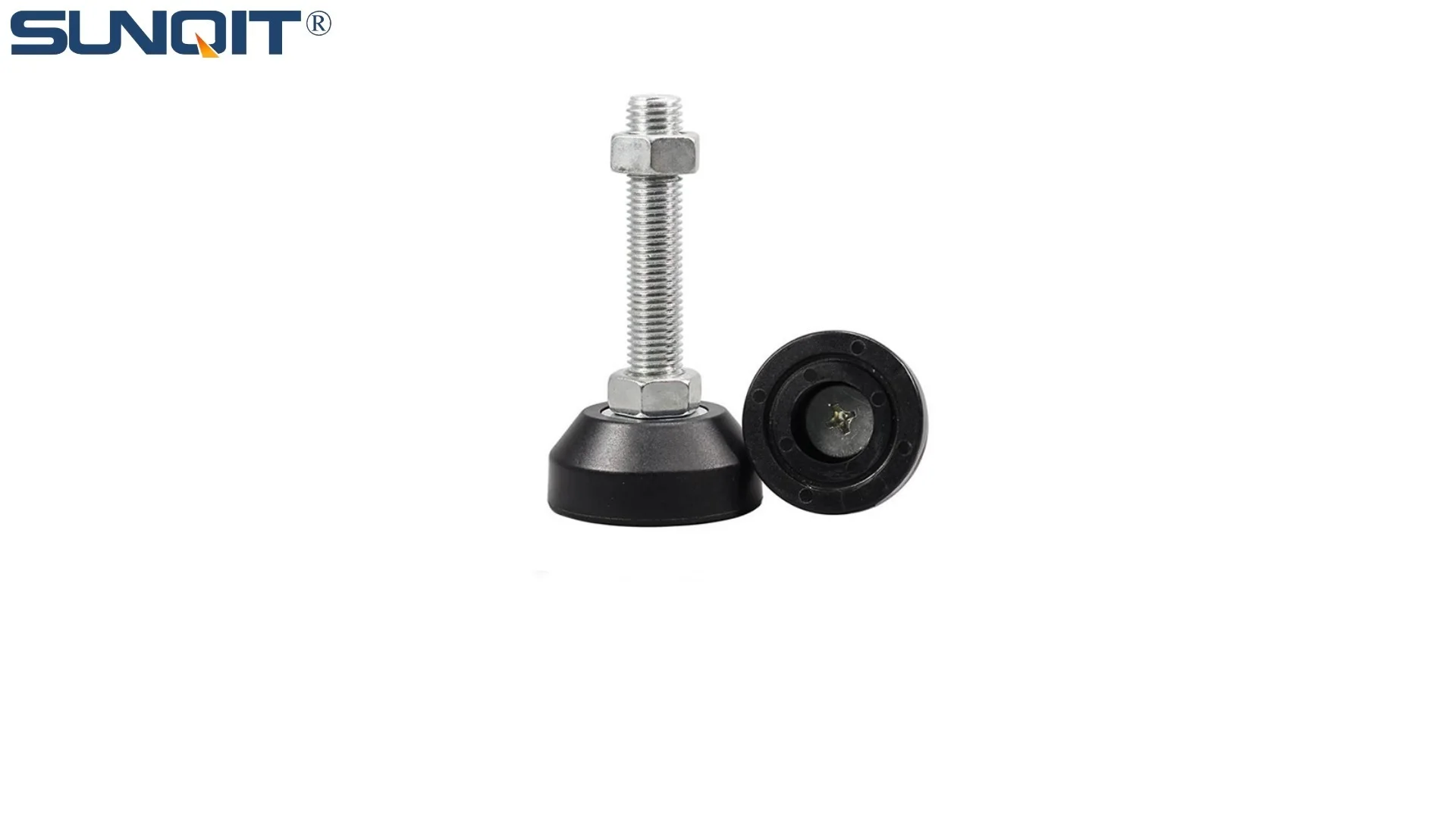
M10*56 Rubber Leveling Feet
Adjustable leveling feet are designed to keep machines level when placed on uneven or sloped ground. Otherwise known as adjustable equipment feet, they are available to order in a wide variety of size and load capacity combinations.
Introduction: The Hidden Cost of Unstable Racks
Imagine walking into a busy warehouse on a Monday morning. Pallets are being unloaded, workers are rushing to fill orders, and the air hums with the sound of forklifts and conveyor belts. But in the corner, something's off: a material rack loaded with fragile electronic components is wobbling slightly. One wrong bump from a passing trolley, and a box teeters, then crashes to the floor—cracking circuit boards, scattering parts, and leaving a worker staring at the mess, frustrated. "Not again," they sigh. "This rack's been wobbly for weeks."
If this scenario sounds familiar, you're not alone. Unstable material racks are a silent productivity killer in factories, warehouses, and workshops worldwide. They don't just damage inventory—they slow down workflows, increase stress, and even put workers at risk of injury. Over time, the costs add up: replacement parts, missed deadlines, and the hidden toll of a team constantly fixing preventable problems instead of focusing on their core tasks.
The root cause? Often, it's something small and easy to overlook: the feet that keep the rack grounded. Cheap plastic feet crack under heavy loads. Metal feet scratch floors and slip on smooth surfaces. Ill-fitting sizes leave gaps, letting racks rock with every vibration. But what if there was a solution that could stabilize even the heaviest racks, absorb shocks, and stand up to the chaos of daily operations? Enter the M10*56 Rubber Leveling Feet—a but game-changing component that's quietly transforming how businesses handle material storage.
What Are M10*56 Rubber Leveling Feet?
At first glance, they might look like simple bolts with rubber caps. But M10*56 Rubber Leveling Feet are engineered for one critical job: keeping heavy-duty material racks steady, no matter what. Let's break down the name: "M10" refers to the metric thread size (10mm in diameter), ensuring a secure fit into standard rack legs. "56" is the length of the threaded rod (56mm), long enough to adjust for uneven floors while maintaining stability. And the "rubber" cap? That's where the magic happens.
These feet are designed to bridge the gap between your rack and the floor. The threaded rod screws into the bottom of the rack leg, letting you twist it up or down to level the rack—even if the floor is warped, cracked, or sloped. The rubber base then grips the floor, absorbing vibrations from passing equipment, reducing noise, and preventing the rack from sliding. It's a small part, but it turns a shaky, unreliable structure into a rock-solid foundation for your materials.
But why this specific size? M10 threads are strong enough to handle heavy loads—think hundreds of kilograms of metal parts, boxes of inventory, or tools—without bending or stripping. The 56mm length is ideal for most industrial settings: long enough to compensate for minor floor unevenness (common in older warehouses) but not so long that it compromises stability. And unlike generic leveling feet, these are built with heavy-duty use in mind—no flimsy plastic, no weak threads, just durable metal and high-quality rubber that stands up to grease, oil, and daily wear.
Key Features That Make Them Stand Out
1. Vibration-Absorbing Rubber: More Than Just Grip
The rubber cap on these feet isn't just for traction—it's a shock absorber. In busy facilities, floors vibrate constantly: forklifts rumble by, conveyor belts hum, and workers drop tools. Over time, these vibrations can loosen rack bolts, shift materials, or even cause items to fall. The rubber in M10*56 feet dampens these shocks, acting like a buffer between the rack and the floor. This isn't just about stability; it's about protecting your inventory. Delicate parts, electronics, or glassware stay safer when their storage rack isn't shaking with every passing cart.
Plus, the rubber is resistant to common industrial hazards: oil, grease, cleaning chemicals, and UV light. It won't dry out, crack, or degrade in harsh environments—unlike cheaper rubber compounds that break down after a few months. That means less time replacing worn feet and more time focusing on your workflow.
2. Adjustable Design: Perfect for Any Floor
No warehouse floor is perfectly flat. Even new facilities can have minor slopes or unevenness from concrete settling. M10*56 Rubber Leveling Feet solve this with their adjustable threaded rod. Simply twist the foot clockwise to lower it or counterclockwise to raise it, fine-tuning the height until the rack is level. No need for shims, wedges, or makeshift fixes—just a quick twist with a wrench, and you're done.
This adjustability is a lifesaver during installation. Imagine setting up a new flow rack (a common type of material rack used for lean systems, where items slide forward for easy access). Without leveling feet, you'd spend hours shimming the legs to get it straight, only to have it wobble again when the floor vibrates. With M10*56 feet, you can level each leg in minutes, ensuring the flow rack works as intended—items glide smoothly, no jams, no stuck boxes.
3. Heavy-Duty Load Capacity: Built for the Big Stuff
Not all leveling feet are created equal. A cheap plastic foot might work for a lightweight shelf in an office, but in a factory storing steel parts or automotive components? It'll crack under the weight. M10*56 Rubber Leveling Feet are rated to support up to 500kg per foot (depending on the model), making them ideal for heavy-duty material racks, industrial workbenches, and even lean pipe workbenches loaded with tools and equipment.
To put that in perspective: a standard four-legged material rack with these feet could safely hold 2000kg—more than enough for pallets of raw materials, stacks of boxes, or bulky machinery parts. And because the load is distributed evenly across the feet, there's no risk of one leg bearing too much weight and failing.
Why Heavy-Duty Material Racks Can't Afford to Skip Them
Let's get back to that warehouse scenario from earlier. Suppose the team had installed M10*56 Rubber Leveling Feet on their wobbly rack. The box of circuit boards wouldn't have fallen. The worker wouldn't have spent an hour cleaning up and filing a damage report. The order would have shipped on time, and the team's morale would stay high. That's the tangible impact of these feet—but the benefits go deeper.
Safety First: Protecting Your Team
A wobbly rack isn't just a risk to inventory—it's a risk to your workers. A rack that tips could crush feet, trap hands, or cause falls. OSHA reports that unstable storage structures are a leading cause of workplace injuries in warehouses, with hundreds of incidents each year. By installing secure leveling feet, you're not just avoiding fines—you're showing your team you care about their safety. And when workers feel safe, they're more productive, more engaged, and less likely to miss days due to injury.
Lean Systems Love Stability: Reducing Waste, Boosting Efficiency
Lean manufacturing is all about eliminating waste—whether it's wasted time, wasted materials, or wasted effort. Unstable racks create waste in spades: time spent realigning racks, money spent replacing damaged inventory, and effort wasted on fixing preventable problems. M10*56 Rubber Leveling Feet fit perfectly into lean systems by turning storage into a reliable, low-maintenance process.
Take a lean pipe workbench, for example. These workbenches are designed for flexibility—they can be reconfigured quickly to adapt to new tasks. But if the bench wobbles, workers waste time steadying tools or adjusting materials instead of focusing on assembly. By adding leveling feet, the bench stays stable, letting the team work faster and with fewer errors. It's a small change that aligns with lean principles: stabilize the process, reduce waste, and boost output.
Long-Term Savings: Cheaper Than Replacing Racks (or Inventory)
It's easy to think, "Why spend money on fancy feet when I can just use the ones that came with the rack?" But generic feet often fail within months. A cracked plastic foot leads to a wobbly rack, which leads to damaged inventory (costing hundreds of dollars to replace), which leads to a rushed order (costing overtime pay), which leads to a frustrated customer (costing future business). The math adds up fast.
M10*56 Rubber Leveling Feet cost a few dollars each, but they pay for themselves in weeks. A single box of damaged electronics could cost $500 to replace; a worker's injury could lead to thousands in medical bills and lost productivity. Investing in stable feet is insurance against these costs—and it extends the life of your racks, too. A rack with secure feet won't warp or bend over time, so you won't need to replace it as soon as you would with cheap feet.
Real-World Impact: How One Warehouse Turned Things Around
Let's meet Raj, a warehouse manager at a mid-sized automotive parts supplier. His team was struggling with a row of old material racks that stored heavy engine components—think 20kg boxes stacked three high. The racks came with basic plastic leveling feet, which had cracked and worn down over the years. "Every time a forklift went by, the racks would shake," Raj recalls. "We had boxes falling off at least once a week. We tried shimming the legs with wood, but the wood would compress, and they'd wobble again. My team was stressed, and I was spending hours filling out damage reports."
After researching solutions, Raj ordered a set of M10*56 Rubber Leveling Feet. Installation took his team an afternoon: they unscrewed the old plastic feet, screwed in the new ones, and adjusted the height to level each rack. "The difference was night and day," he says. "The racks stopped shaking. No more falling boxes. My team could focus on picking orders instead of cleaning up messes. And the rubber feet even made the warehouse quieter—less clanging when things moved around."
Six months later, Raj hasn't had a single incident. "We saved at least $2,000 in damaged inventory alone," he estimates. "Plus, my team's morale is way up. They don't dread walking past those racks anymore." For Raj, the feet weren't just a purchase—they were a investment in his team's productivity and peace of mind.
How They Play Nice with Other Equipment
M10*56 Rubber Leveling Feet aren't just for standalone racks—they integrate seamlessly with other industrial equipment, making them a versatile addition to any facility. Here are a few examples:
Flow Racks: Keeping Materials Moving Smoothly
Flow racks use gravity to slide materials forward, so workers can grab the next item without bending or reaching. But if the rack isn't level, materials get stuck, jamming the flow and slowing down picking. M10*56 feet ensure the rack is perfectly angled, so boxes or parts glide smoothly from the back to the front. No more shaking the rack to free a stuck box—just consistent, reliable flow.
Lean Pipe Workbenches: Stability for Precision Work
Lean pipe workbenches are popular in assembly lines because they're lightweight, customizable, and easy to reconfigure. But a wobbly bench makes precision work impossible—screws won't line up, parts will shift, and errors will pile up. Adding leveling feet keeps the bench steady, whether it's holding a laptop for quality checks or a tool kit for assembly. It's a small tweak that turns a flexible workbench into a precision workstation.
Aluminum Profile Racks: A Perfect Match
Many modern material racks are built with aluminum profiles—lightweight, strong, and easy to assemble. M10*56 feet screw directly into the bottom of aluminum profile legs, creating a secure connection that won't loosen over time. Unlike generic feet that might not fit aluminum threads, these are designed to work with standard industrial profiles, making installation a breeze.
Installation & Maintenance: Simple, Even for Beginners
You don't need to be a mechanic to install M10*56 Rubber Leveling Feet. Here's how easy it is:
- Remove old feet: If your rack has existing feet, unscrew them using a wrench (most are standard thread, so no special tools needed).
- Screw in the new feet: Twist the M10*56 foot into the rack leg by hand until it's tight, then use a wrench to give it a final turn (don't over-tighten—you'll need to adjust the height later).
- Level the rack: Place a bubble level on top of the rack. Twist the feet up or down until the bubble is centered. Repeat for all legs.
- Test it out: Give the rack a gentle shake. It should feel solid, with no wobbling. If it moves, double-check the leveling.
Maintenance is just as simple. Every few months, wipe the rubber caps with a damp cloth to remove dirt or grease (this helps maintain grip). Check the threads for rust (unlikely, since most are zinc-plated) and tighten any feet that have loosened over time. That's it—no oil, no special cleaners, just a quick check to keep them working like new.
Comparison: M10*56 Rubber Feet vs. Generic Alternatives
| Feature | M10*56 Rubber Leveling Feet | Generic Plastic Feet | Short (30mm) Metal Feet |
|---|---|---|---|
| Load Capacity | Up to 500kg per foot | Max 100kg (easily cracks under heavy loads) | High, but short length can't adjust for uneven floors |
| Vibration Absorption | Excellent (rubber dampens shocks) | Poor (plastic transmits vibrations) | Very poor (metal amplifies noise and vibrations) |
| Floor Protection | Rubber prevents scratches; grips slippery floors | Plastic may scratch; slides on smooth floors | Metal scratches floors; no grip |
| Adjustability | 56mm length for uneven floors | Short (20-25mm); limited adjustment | 30mm length; can't fix major unevenness |
| Durability | Lasts 3-5+ years in industrial use | Fails in 6-12 months (cracks, strips) | Durable, but short length limits usability |
Conclusion: Small Part, Big Difference
M10*56 Rubber Leveling Feet might not be the flashiest piece of equipment in your warehouse, but they're one of the most important. They turn wobbly, unreliable racks into stable, safe storage solutions. They protect your inventory, your team, and your bottom line. They integrate with lean systems, flow racks, and aluminum profile setups, making them a versatile tool for any facility.
So the next time you walk past a wobbly rack, don't just sigh and hope it holds. Invest in the fix that pays for itself: M10*56 Rubber Leveling Feet. Your team will thank you, your inventory will stay intact, and your workflow will run smoother than ever. After all, in business, the smallest parts often make the biggest difference.