- Company Articles
- Products and Technology
- Product knowledge
- M10*56 Rubber Leveling Feet for Medical Device Manufacturing Racks

M10*56 Rubber Leveling Feet for Medical Device Manufacturing Racks
Related Product
M10*56 Rubber Leveling Feet
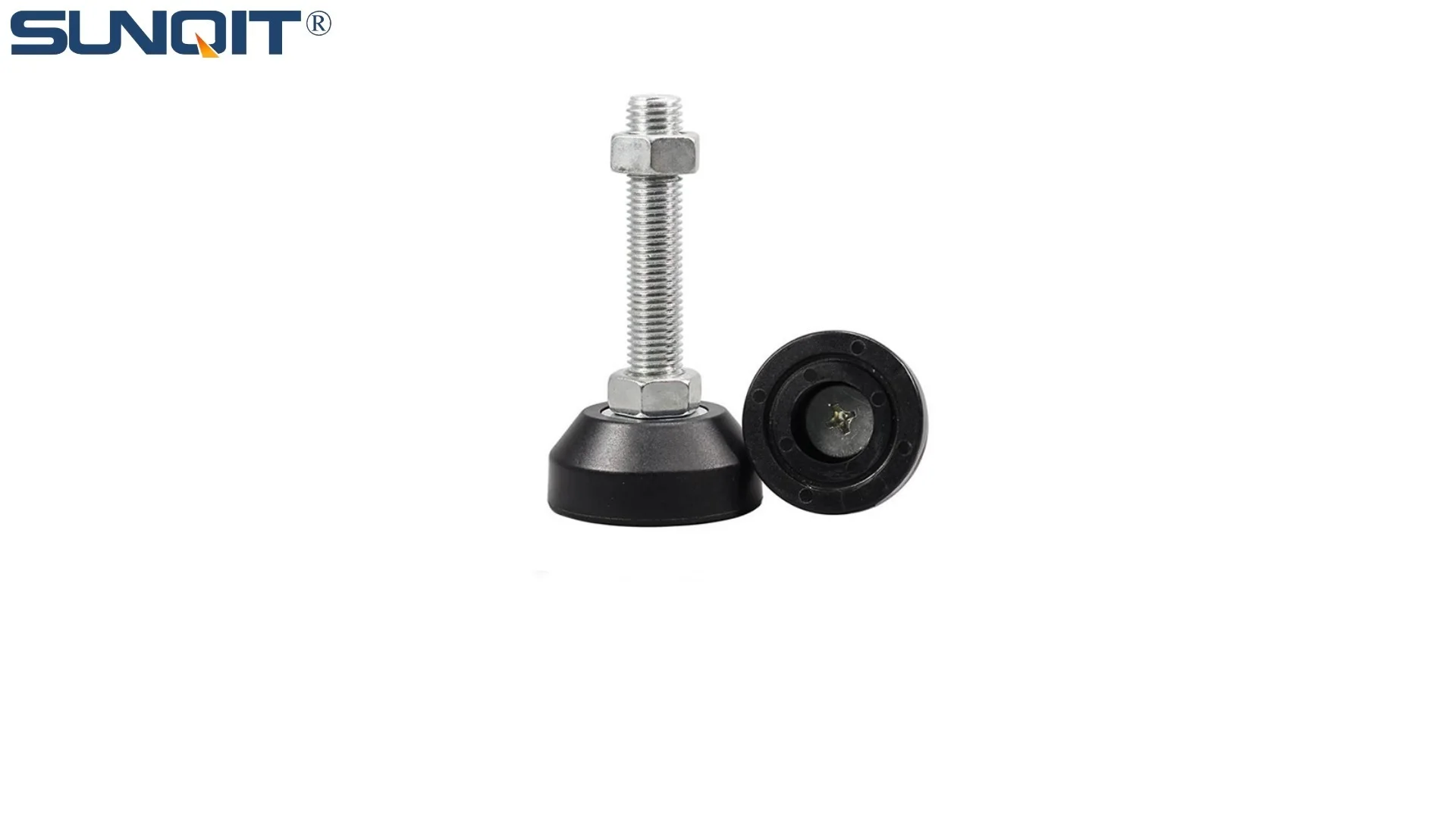
Adjustable leveling feet are designed to keep machines level when placed on uneven or sloped ground. Otherwise known as adjustable equipment feet, they are available to order in a wide variety of size and load capacity combinations.
Introduction: Why Stability Matters in Medical Device Manufacturing
Walk into any medical device manufacturing facility, and you'll likely be struck by the quiet intensity of the space. Every workstation hums with purpose, every conveyor belt moves with precision, and every component—from tiny surgical tools to complex diagnostic machines—is handled with the care it deserves. In this world, where a fraction of a millimeter can mean the difference between a life-saving device and a costly error, stability isn't just a nice-to-have; it's the backbone of reliability.
Think about the racks that hold delicate components, the workbenches where assemblies take shape, or the material carts that transport sensitive parts across the floor. These structures aren't just pieces of equipment—they're the silent partners in ensuring that every product meets the rigorous standards of the medical industry. And at the heart of their stability? Often, it's a small but mighty component: the leveling foot. Today, we're shining a spotlight on one such unsung hero: the M10*56 rubber leveling foot.:M10*56.
In this article, we'll explore why these unassuming devices are critical for medical device manufacturing racks, how they integrate with systems like lean pipe workbenches and aluminum profiles, and what makes the M10*56 model stand out in a crowded market. Whether you're an engineer designing a new production line, a procurement manager sourcing components, or simply curious about the nuts and bolts of medical manufacturing, this deep dive will show you why the right leveling foot can transform operations from good to great.
The Basics: What Are M10*56 Rubber Leveling Feet?
Let's start with the fundamentals. A leveling foot, as the name suggests, is a component attached to the base of a structure—like a rack, workbench, or cart—to adjust its height and ensure it sits evenly on the floor. This might sound simple, but in practice, it's a masterclass in engineering simplicity solving complex problems. The M10*56 rubber leveling foot, specifically, is defined by two key measurements: the thread size (M10, meaning a metric thread with a 10mm diameter) and the stem length (56mm, the distance from the base of the thread to the top of the foot). The "rubber" in its name refers to the material of the base, which sits in contact with the floor.
At first glance, you might wonder: Why focus on such a specific size? In medical manufacturing, where equipment is often custom-built to fit unique workflows, standardization matters—but so does specificity. The M10 thread is a common choice for medium-duty applications, striking a balance between load capacity and ease of adjustment, while the 56mm stem provides enough length to compensate for uneven floors or minor height differences between rack legs. The rubber base, meanwhile, adds a layer of functionality: it dampens vibrations, prevents slipping, and protects sensitive floors from scratches—all critical in a clean, controlled environment.

Design Deep Dive: What Makes the M10*56 Rubber Leveling Foot Unique?
Materials: Durability Meets Compliance
Medical device manufacturing isn't just about stability—it's about compliance. Facilities must adhere to strict regulations, from ISO 13485 for quality management to FDA guidelines for product safety. The materials used in components like leveling feet are no exception. The M10*56 rubber leveling foot is typically constructed with two key materials: a metal stem (often carbon steel or stainless steel) and a rubber base (usually EPDM, nitrile, or silicone).
The metal stem is engineered for strength. Carbon steel, coated with zinc or nickel for corrosion resistance, is a popular choice for its affordability and durability, while stainless steel (304 or 316 grade) is preferred in environments where hygiene is paramount—like cleanrooms or areas with frequent washdowns. The rubber base, on the other hand, is selected for its non-marking properties, chemical resistance, and elasticity. EPDM rubber, for example, stands up well to heat, moisture, and common cleaning agents, making it ideal for facilities that require regular sanitization.
What sets this design apart is how these materials work in tandem. The rigid metal stem provides the structural support needed to bear heavy loads (we're talking up to 500kg per foot in some cases), while the flexible rubber base conforms to minor floor irregularities, ensuring maximum contact and minimizing wobble. It's a partnership of strength and adaptability—exactly what medical manufacturing demands.
Adjustability: Fine-Tuning for Perfection
In an ideal world, factory floors would be perfectly level, and racks would never shift. But in reality, even the most well-maintained facilities have subtle imperfections: a crack here, a slight slope there, or a floor that settles over time. This is where the M10*56's adjustability shines. The threaded stem allows operators to twist the foot up or down, raising or lowering the rack leg by fractions of a millimeter until the structure is perfectly balanced.
Imagine a scenario: A new aluminum profile rack is installed to hold trays of precision-machined surgical screws. The team levels it carefully, but after a week, they notice a slight tilt—likely due to the floor settling under the rack's weight. Without adjustable leveling feet, fixing this would mean shimming the legs with pieces of metal or plastic, a temporary solution that could slip or damage the floor. With the M10*56, though, it's a five-minute fix: simply twist the foot until a spirit level shows the rack is plumb, and you're done. No hassle, no downtime, just consistent stability.

Integration with Medical Manufacturing Systems: From Racks to Workbenches
The M10*56 rubber leveling foot doesn't exist in a vacuum. It's part of a larger ecosystem of components that make medical manufacturing facilities run smoothly. Let's explore how it integrates with two common systems: lean pipe workbenches and aluminum profile racks.
Lean Pipe Workbenches: Flexibility with a Stable Foundation
Lean manufacturing principles have revolutionized medical device production, emphasizing efficiency, waste reduction, and adaptability. Lean pipe workbenches—constructed with modular pipes and joints—are a cornerstone of this approach, allowing teams to reconfigure workstations on the fly as needs change. But flexibility doesn't mean sacrificing stability. In fact, it demands it.
A typical lean pipe workbench might support tools, assembly jigs, and even small machinery. Without proper leveling, the bench could wobble, leading to misalignments during assembly or vibrations that damage sensitive components. The M10*56 rubber leveling foot is often the solution here. Its compact design fits neatly into the base of the workbench's legs, and its adjustable stem ensures the bench remains level even as the layout is modified. For example, if a team adds a new shelf to the workbench, shifting its center of gravity, the leveling feet can be readjusted to compensate—keeping the surface steady for precise tasks like soldering or part inspection.
Aluminum Profile Racks: Strength, Lightweight, and Stability
Aluminum profiles are another staple in medical manufacturing. Lightweight yet strong, they're used to build everything from material racks to automated system frames. But aluminum's lightness can be a double-edged sword: without proper grounding, racks made from aluminum profiles can shift or vibrate more easily than their steel counterparts. This is where the M10*56 rubber leveling foot steps in.
Aluminum profile racks often hold heavy loads—think pallets of raw materials or stacks of finished devices. The M10*56's metal stem screws directly into the profile's T-slot (a common feature in aluminum extrusion profiles), creating a secure connection. The rubber base, meanwhile, grips the floor, preventing the rack from sliding even when loaded to capacity. In cleanrooms, where static electricity is a concern, some models even feature conductive rubber bases to dissipate charges—protecting sensitive electronics from damage.
| Application | Key Benefit of M10*56 Rubber Leveling Feet | Common Integration Feature |
|---|---|---|
| Lean Pipe Workbenches | Adjustable stability for reconfigurable layouts | Threaded stem fits into pipe leg end caps |
| Aluminum Profile Racks | Non-slip grip and vibration dampening | T-slot compatibility for secure mounting |
| Material Carts | Shock absorption for fragile components | Swivel compatibility with caster wheels |
| Testing Stations | Micrometer-level height adjustment | Locking nuts to prevent accidental movement |

Real-World Impact: How M10*56 Rubber Leveling Feet Solve Common Challenges
To truly appreciate the value of the M10*56 rubber leveling foot, let's look at a hypothetical (but realistic) scenario in a medical device plant. Imagine a facility that manufactures pacemakers—a product where precision is literally a matter of life and death. The production line includes a material rack B (3 row and 3 floor) that holds trays of microchips, batteries, and wiring harnesses. For months, the team has struggled with a recurring issue: trays on the top shelf of the rack occasionally slide off, causing minor damage to components and disrupting workflow.
An initial inspection blames operator error, but after installing motion sensors, the team discovers the real culprit: the rack is slightly tilted. Even though the floor was poured to be level, the weight of the trays (especially when fully loaded) causes the rack's legs to compress unevenly, creating a slope. The result? Gravity does its work, and trays slowly inch toward the edge.
The solution? Upgrading the rack's standard plastic feet to M10*56 rubber leveling feet. The maintenance team adjusts each foot, using a laser level to ensure the rack is perfectly horizontal. The rubber base grips the floor, preventing shifting, and the adjustable stem allows for quick readjustments as the rack's load changes. Within a week, the sliding trays stop. Over time, the team notices other benefits: fewer component replacements, less time spent cleaning up spills, and even improved morale—no one likes dealing with avoidable mistakes.
This story isn't an anomaly. In facilities around the world, M10*56 rubber leveling feet quietly resolve issues like uneven wear on conveyor belts, vibrations that throw off calibration tools, and noisy, unstable workbenches. They're not the flashiest components, but they're the ones that turn "good enough" operations into ones.
Choosing the Right Leveling Foot: Why the M10*56 Stands Out
With so many leveling feet on the market, why choose the M10*56 rubber model for medical device manufacturing racks? Let's break down the decision factors.
Load Capacity: Balancing Strength and Practicality
Medical racks can carry significant weight—from 50kg for small component trays to 500kg or more for bulk materials. The M10*56 rubber leveling foot is designed to handle these loads without compromising. Most models have a load rating of 200-300kg per foot, meaning a four-legged rack can safely support 800-1200kg—more than enough for most medical applications. This balance of strength and size makes it versatile, fitting into tight spaces without sacrificing performance.
Environmental Resistance: Thriving in Cleanrooms and Beyond
Medical manufacturing facilities are diverse. Some are cleanrooms with controlled temperatures and humidity, others are general assembly areas with regular washdowns. The M10*56 rubber leveling foot is built to thrive in these environments. The rubber base resists chemicals like isopropyl alcohol (used for cleaning), while the metal stem's corrosion-resistant coating stands up to moisture. For sterile environments, stainless steel stems and silicone rubber bases are available, ensuring compliance with strict hygiene standards.
Cost-Effectiveness: Long-Term Value Over Short-Term Savings
It's tempting to cut costs by choosing cheaper leveling feet, but in medical manufacturing, this can backfire. A low-quality foot might wear out quickly, leading to frequent replacements, or fail to hold adjustment, causing stability issues. The M10*56 rubber leveling foot strikes a balance between upfront cost and long-term value. Its durable materials and precision engineering mean it lasts for years, reducing maintenance downtime and replacement costs. When you factor in the cost of errors caused by instability—like scrapped components or rework—the investment in quality leveling feet pays for itself.
Installation and Maintenance: Getting the Most Out of Your Leveling Feet
Even the best leveling foot won't perform well if installed incorrectly. Here's a quick guide to ensuring your M10*56 rubber leveling feet deliver optimal stability.
Installation Tips: Precision from the Start
1. Prep the Surface: Ensure the floor is clean and free of debris before installing the rack or workbench. Even small particles can prevent the rubber base from making full contact. 2. Hand-Tighten First: Screw the leveling feet into the rack legs by hand until they're snug. This prevents cross-threading, which can damage the threads and reduce adjustability. 3. Level in Stages: Use a spirit level or laser level to check both horizontal axes (front-to-back and side-to-side). Adjust each foot incrementally—don't over-tighten, as this can warp the rack frame. 4. Lock It In: Once level, use a lock nut (if included) to secure the foot in place. This prevents it from loosening over time due to vibrations.
Maintenance: Keeping Stability Consistent
1. Regular Inspections: Check leveling feet monthly for signs of wear, like cracks in the rubber base or corrosion on the stem. replace any damaged feet immediately. 2. Re-Level After Moves: If a rack or workbench is relocated, always recheck the level. Floors can vary in flatness across the facility. 3. Clean the Base: Wipe the rubber base periodically to remove dust or spills that might reduce grip. For sticky residues, use a mild detergent—avoid harsh chemicals that can degrade the rubber.
Conclusion: The Quiet Confidence of Stable Racks
In the high-stakes world of medical device manufacturing, it's the small details that often make the biggest difference. The M10*56 rubber leveling foot may not grab headlines, but it plays a critical role in ensuring that racks, workbenches, and carts remain stable, precise, and reliable. From its durable materials and adjustable design to its seamless integration with lean pipe workbenches and aluminum profiles, it's a component that embodies the industry's commitment to quality.
The next time you walk through a medical manufacturing facility, take a moment to look down. Chances are, under those racks holding life-saving components, you'll find the M10*56 rubber leveling foot—quietly doing its job, ensuring that every product that leaves the facility does so with the precision and reliability patients deserve. In a world where perfection is the standard, these small, unassuming feet are the foundation of confidence.