- Company Articles
- Products and Technology
- Product knowledge
- M10*56 Rubber Leveling Feet for Medical Storage Racks: Hygiene Considerations

M10*56 Rubber Leveling Feet for Medical Storage Racks: Hygiene Considerations
Related Product
M10*56 Rubber Leveling Feet
Adjustable leveling feet are designed to keep machines level when placed on uneven or sloped ground. Otherwise known as adjustable equipment feet, they are available to order in a wide variety of size and load capacity combinations.
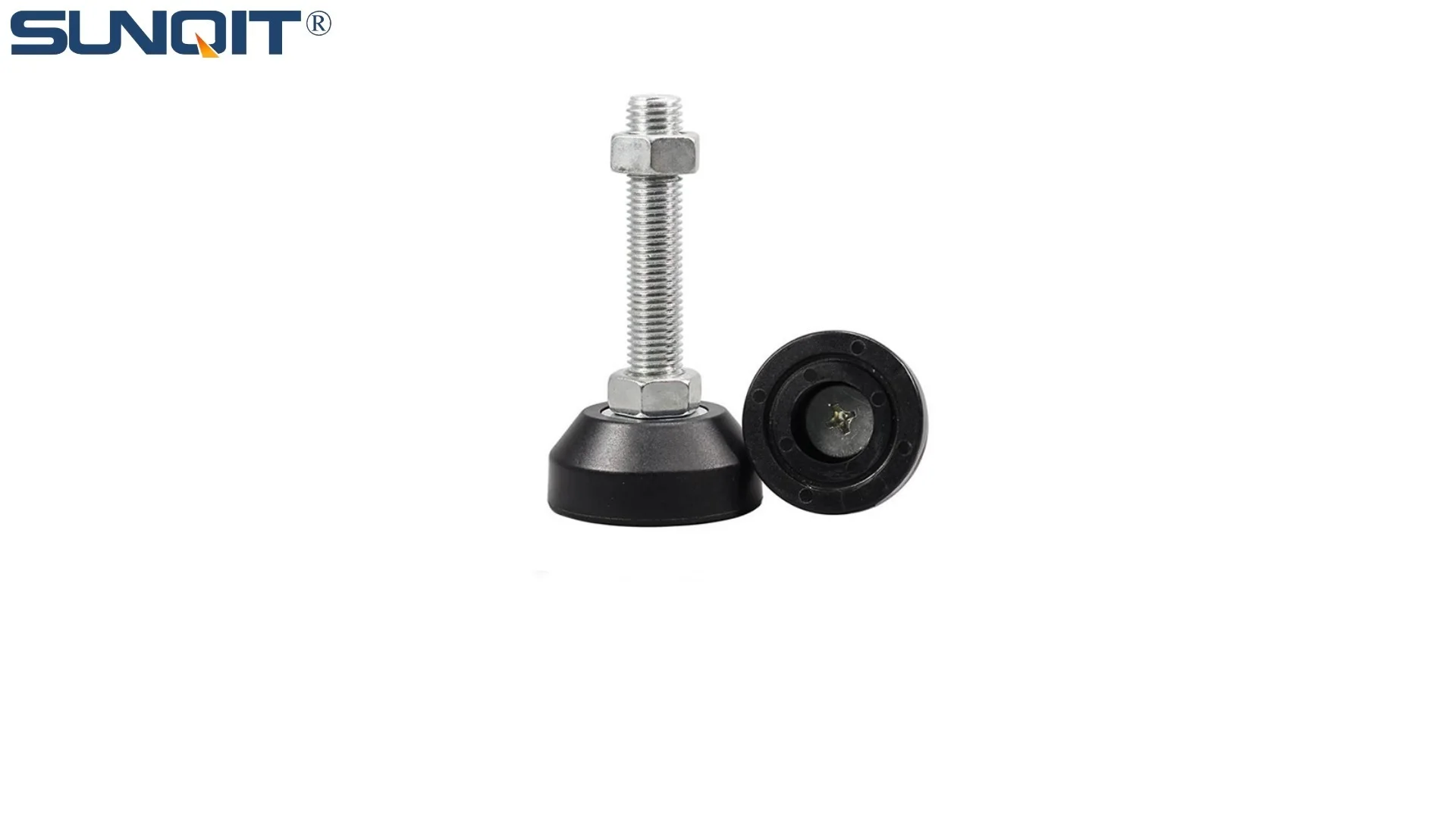
Walk into any hospital, laboratory, or pharmaceutical facility, and you'll quickly realize that every detail matters—especially when it comes to storage. Medical storage racks aren't just metal or aluminum profile structures holding supplies; they're critical components of infection control, regulatory compliance, and patient safety. From sterile surgical tools to temperature-sensitive vaccines, the items stored on these racks demand environments that are not just organized, but immaculately clean. Yet, amid discussions of rack materials, load capacities, and shelf heights, one small but vital component often goes overlooked: the feet that keep these racks stable. Enter the M10*56 rubber leveling foot—a humble part with outsized importance in maintaining hygiene standards. In this article, we'll explore why these adjustable feet are non-negotiable for medical storage, diving into material science, design nuances, and real-world implications for healthcare settings.
The Unsung Hero: Why Leveling Feet Matter in Medical Storage
Before we zoom in on the M10*56 rubber leveling foot itself, let's set the stage: medical facilities operate in environments where even the tiniest gap or uneven surface can become a breeding ground for pathogens. Floors in hospitals, for example, are rarely perfectly level—constant foot traffic, equipment movement, and structural settling can create minor (but critical) irregularities. A storage rack that wobbles or sits unevenly isn't just a stability risk; it leaves space between the rack base and the floor. That space? It's a magnet for dust, spilled liquids, and debris—all of which can harbor bacteria like Staphylococcus aureus or E. coli . Over time, these contaminants can migrate upward, compromising the cleanliness of the items on the shelves above.
This is where adjustable leveling feet come into play. Designed to compensate for uneven floors, they ensure racks sit flush and stable, eliminating those dangerous gaps. But not all leveling feet are created equal—especially in medical settings. The M10*56 rubber leveling foot, with its specific dimensions (10mm thread diameter, 56mm length) and rubber base, is engineered to address both stability and hygiene. Let's break down why this combination matters.
Material Matters: Rubber, Metal, and the Fight Against Contamination
The M10*56 leveling foot is a hybrid of two key materials: a metal (often steel or stainless steel) threaded rod and a rubber base. Each material plays a role in hygiene, and understanding their properties is essential to appreciating why this design works. Let's start with the rubber component—the part that makes direct contact with the floor.
Rubber, by nature, is non-porous when properly formulated, which is a game-changer for hygiene. Unlike porous materials like wood or some plastics, non-porous rubber resists absorbing liquids, oils, or cleaning agents. This means when a spill occurs—say, a drop of disinfectant or a splash of saline— the rubber base won't soak it in, preventing the growth of mold or bacteria beneath the rack. But not all rubber is created equal. Medical-grade rubber used in M10*56 feet is often treated with additives to enhance chemical resistance, ensuring it can withstand frequent exposure to harsh disinfectants like quaternary ammonium compounds (QACs) or hydrogen peroxide without degrading. Degradation, after all, leads to cracks—and cracks are where germs hide.
Then there's the metal threaded rod. In medical settings, stainless steel is the gold standard here, thanks to its corrosion resistance. Regular steel, if exposed to moisture (common in areas like operating rooms or labs), can rust. Rust isn't just unsightly; it flakes off, creating particles that can contaminate nearby supplies. Stainless steel, part of the broader stainless steel pipe series of components used in medical equipment, avoids this issue. Its chromium content forms a protective oxide layer, preventing rust and ensuring the thread mechanism (which allows height adjustment) remains smooth and debris-free. A stuck or corroded leveling foot isn't just hard to adjust—it can trap dirt in its threads, turning a simple component into a hygiene hazard.

Designing for Cleanliness: The M10*56's Hygiene-Conscious Features
Beyond materials, the design of the M10*56 rubber leveling foot is intentionally tailored to minimize contamination risks. Let's consider three key design elements:
- Smooth, Seamless Bases: The rubber base of the M10*56 foot is typically molded as a single piece, with no seams or crevices. This is critical. Seams are micro-gaps where dirt and bacteria can accumulate, making thorough cleaning nearly impossible. A seamless base, by contrast, can be wiped down with a disinfectant cloth or sprayed with a cleaning solution, leaving no place for pathogens to linger.
- Thread Protection: The threaded rod of the M10*56 foot is often coated or sealed to prevent debris from lodging in the threads. Some models even include a rubber O-ring where the rod meets the base, creating a barrier against dust and liquids. This not only keeps the adjustment mechanism working smoothly but also prevents the threads from becoming a hidden reservoir for contaminants.
- Low-Profile Design: At 56mm in length, the M10*56 foot strikes a balance between adjustability and proximity to the floor. A longer foot might offer more height adjustment, but it also creates more space between the rack and the floor—space that's harder to clean. The 56mm length keeps the rack low enough to allow easy access for floor cleaning machines (like autoscrubbers) while still providing enough adjustment to level racks on uneven surfaces.
To put this in perspective, imagine a busy hospital pharmacy. Each night, after hours, the cleaning crew mops the floors with a hospital-grade disinfectant. If the storage racks have leveling feet with rough, seamed bases, the crew would need to spend extra time scrubbing around each foot—time they might not have in a facility with hundreds of racks. The M10*56's smooth, low-profile design cuts down on that time, ensuring cleaning is efficient and thorough.

Compliance: Meeting the Strict Standards of Healthcare
Medical facilities don't just want clean storage—they're legally required to maintain it. Organizations like the FDA, CDC, and ISO (International Organization for Standardization) set rigorous standards for medical device storage, and non-compliance can lead to fines, revoked licenses, or, worst of all, patient harm. The M10*56 rubber leveling foot, when properly selected, helps facilities meet these standards.
Take ISO 13485, for example—a standard specific to medical device manufacturing. It mandates that all equipment used in storage must be "designed to prevent contamination." This includes components like leveling feet, which must be easy to clean and resistant to corrosion. The M10*56's stainless steel rod and seamless rubber base directly address this requirement. Similarly, the CDC's guidelines for environmental infection control in healthcare facilities emphasize "routine cleaning of non-critical surfaces," which includes the areas around and under storage racks. A stable, flush rack base (made possible by effective leveling feet) ensures these areas are accessible for cleaning, reducing the risk of cross-contamination.
Perhaps most importantly, regulatory bodies like the FDA often conduct unannounced inspections. During these visits, inspectors don't just check the shelves—they look under the shelves. A rack with a broken, rusted, or poorly designed leveling foot is an immediate red flag. In contrast, a facility using M10*56 feet sends a clear message: "We prioritize even the smallest details of hygiene."

Installation and Maintenance: Keeping Hygiene in Mind Post-Purchase
Even the best leveling foot can fail if installed or maintained improperly. Let's walk through best practices for both, with hygiene as the guiding principle.
Installation: When installing M10*56 feet, the goal is to achieve a stable, gap-free connection between the rack and the floor. Over-tightening the foot can compress the rubber base unevenly, creating creases that trap dirt. Under-tightening, on the other hand, leaves the rack wobbly, increasing the risk of spills and gaps. A good rule of thumb? Tighten until the rack is stable, then give the foot a quarter-turn more to ensure the rubber base is fully seated. Additionally, always clean the floor thoroughly before installing the rack—debris under the rubber base can prevent proper contact, leading to instability and hidden dirt pockets.
Maintenance: Regular inspection is key. Healthcare facilities should include leveling feet in their preventive maintenance schedules. This means checking for signs of rubber degradation (cracking, hardening, or discoloration), rust on the threaded rod, or debris in the threads. If a foot shows wear, replace it immediately—don't wait for it to fail. For cleaning, use a mild detergent or hospital-approved disinfectant. Avoid abrasive scrubbers, which can scratch the rubber base and create new hiding spots for bacteria. A soft cloth or sponge is sufficient to wipe down the base and rod, ensuring the foot remains a hygiene asset, not a liability.
Beyond Hygiene: How Leveling Feet Support Lean Systems in Healthcare
While hygiene is the focus here, it's worth noting that the M10*56 rubber leveling foot also aligns with broader trends in healthcare operations, particularly the adoption of lean system principles. Lean, which emphasizes efficiency, waste reduction, and continuous improvement, is increasingly used in hospitals to streamline workflows and reduce costs. How does a leveling foot fit into this? Stability and cleanliness directly support lean goals.
Consider a hospital's central supply room, where nurses retrieve sterile instruments for surgeries. If a storage rack is unstable, staff might waste time adjusting it or avoiding it altogether, leading to delays. A stable rack, leveled with M10*56 feet, ensures supplies are easily accessible, reducing "motion waste" (a key lean concept). Similarly, a clean rack environment means fewer instances of contaminated supplies, which would otherwise lead to reprocessing, delays, or wasted inventory—all forms of waste lean systems aim to eliminate. In short, the M10*56 foot isn't just about hygiene; it's about creating a more efficient, reliable healthcare operation.
Real-World Impact: A Case Study in Pediatric Care
To illustrate the importance of M10*56 rubber leveling feet, let's look at a real-world example: a 300-bed pediatric hospital in the Midwest that upgraded its storage racks in 2023. Prior to the upgrade, the hospital used older racks with plastic leveling feet that had begun to crack and discolor. Environmental services staff reported spending an extra 2 hours per shift cleaning around the racks, as debris accumulated in the cracked bases. Worse, during a routine FDA inspection, inspectors noted "potential contamination risks" due to uneven rack placement and hard-to-clean footings.
The hospital's solution? They replaced all rack feet with M10*56 rubber leveling feet, paired with aluminum profile racks for enhanced durability. Within three months, several key improvements emerged: environmental services reported a 40% reduction in time spent cleaning under racks, thanks to the seamless rubber bases. The next FDA inspection resulted in zero citations related to storage hygiene. Perhaps most notably, the hospital's infection control team documented a 15% decrease in surface bacteria counts near storage areas—a direct result of eliminating the gaps and crevices where pathogens had thrived.
"We didn't realize how much those little feet were holding us back," said the hospital's director of operations. "It's a small change, but it's made a huge difference in both compliance and peace of mind."
Choosing the Right Leveling Foot: Key Considerations for Healthcare Buyers
Not all M10*56 rubber leveling feet are created equal, and healthcare facilities must be discerning when selecting suppliers. Here are five questions to ask before purchasing:
- Is the rubber medical-grade? Look for feet with rubber bases certified to meet USP Class VI standards, which ensure the material is non-toxic and compatible with medical environments.
- What type of stainless steel is used in the rod? 304 or 316 stainless steel is ideal for medical settings, as they offer superior corrosion resistance compared to lower-grade steels.
- Does the design include thread protection? O-rings or protective caps can prevent debris from entering the threads, extending the foot's life and maintaining hygiene.
- Can the foot withstand common disinfectants? Ask for test reports showing resistance to agents like bleach, alcohol, and hydrogen peroxide.
- What's the load capacity? Ensure the foot can support the rack's maximum load without deforming, which could create gaps or instability.
By prioritizing these factors, healthcare facilities can ensure they're investing in leveling feet that protect both patients and staff.
The Future of Hygiene: Innovations in Leveling Foot Technology
As healthcare continues to evolve, so too will the technology behind components like leveling feet. Looking ahead, we can expect to see two key trends:
- Antimicrobial Additives: Some manufacturers are already experimenting with rubber bases infused with silver ions or other antimicrobial agents, which actively kill bacteria on contact. While these additives are still in early stages, they could add an extra layer of protection in high-risk areas like ICUs.
- Smart Monitoring: Imagine a leveling foot with a built-in sensor that alerts staff when it becomes unstable or when the rubber base shows signs of wear. Paired with IoT (Internet of Things) systems, these "smart feet" could integrate with facility management software, ensuring maintenance is proactive rather than reactive.
These innovations, while exciting, won't replace the core principles that make the M10*56 foot effective today: thoughtful material selection, seamless design, and a focus on cleanability. As healthcare facilities strive for ever-higher hygiene standards, the basics will remain foundational.
Conclusion: Small Parts, Big Impact
In the grand scheme of healthcare, the M10*56 rubber leveling foot is easy to overlook. It's small, unassuming, and rarely mentioned in discussions of cutting-edge medical technology. But as we've explored, its role in maintaining hygiene is irreplaceable. From its seamless rubber base to its stainless steel rod, every aspect of its design is a testament to the idea that in healthcare, no detail is too small. For facilities aiming to protect patients, meet regulations, and embrace lean system efficiency, investing in high-quality leveling feet isn't just a choice—it's a necessity.
So the next time you walk into a hospital storage room, take a moment to look down. The feet holding up those racks might be small, but their impact on patient safety? That's immeasurable.
Material Comparison: Leveling Feet for Medical Storage
| Material Type | Hygiene Rating (1-10) | Chemical Resistance | Ease of Cleaning | Best For |
|---|---|---|---|---|
| M10*56 Rubber (Medical-Grade) + Stainless Steel | 9 | High (resists bleach, alcohol, peroxide) | Excellent (seamless, non-porous) | Operating rooms, pharmacies, pediatric units |
| Plastic (PVC/Polypropylene) | 6 | Moderate (may degrade with strong disinfectants) | Good (but prone to cracking over time) | Low-risk storage (e.g., office supplies) |
| Metal (Uncoated Steel) | 4 | Low (rusts easily, traps debris in threads) | Poor (requires frequent scrubbing to prevent rust) | Non-medical industrial settings only |