- Company Articles
- Products and Technology
- Application Cases
- M10*56 Rubber Leveling Feet in Pharmaceutical Manufacturing: Compliance & Safety

M10*56 Rubber Leveling Feet in Pharmaceutical Manufacturing: Compliance & Safety
Related Product
M10*56 Rubber Leveling Feet
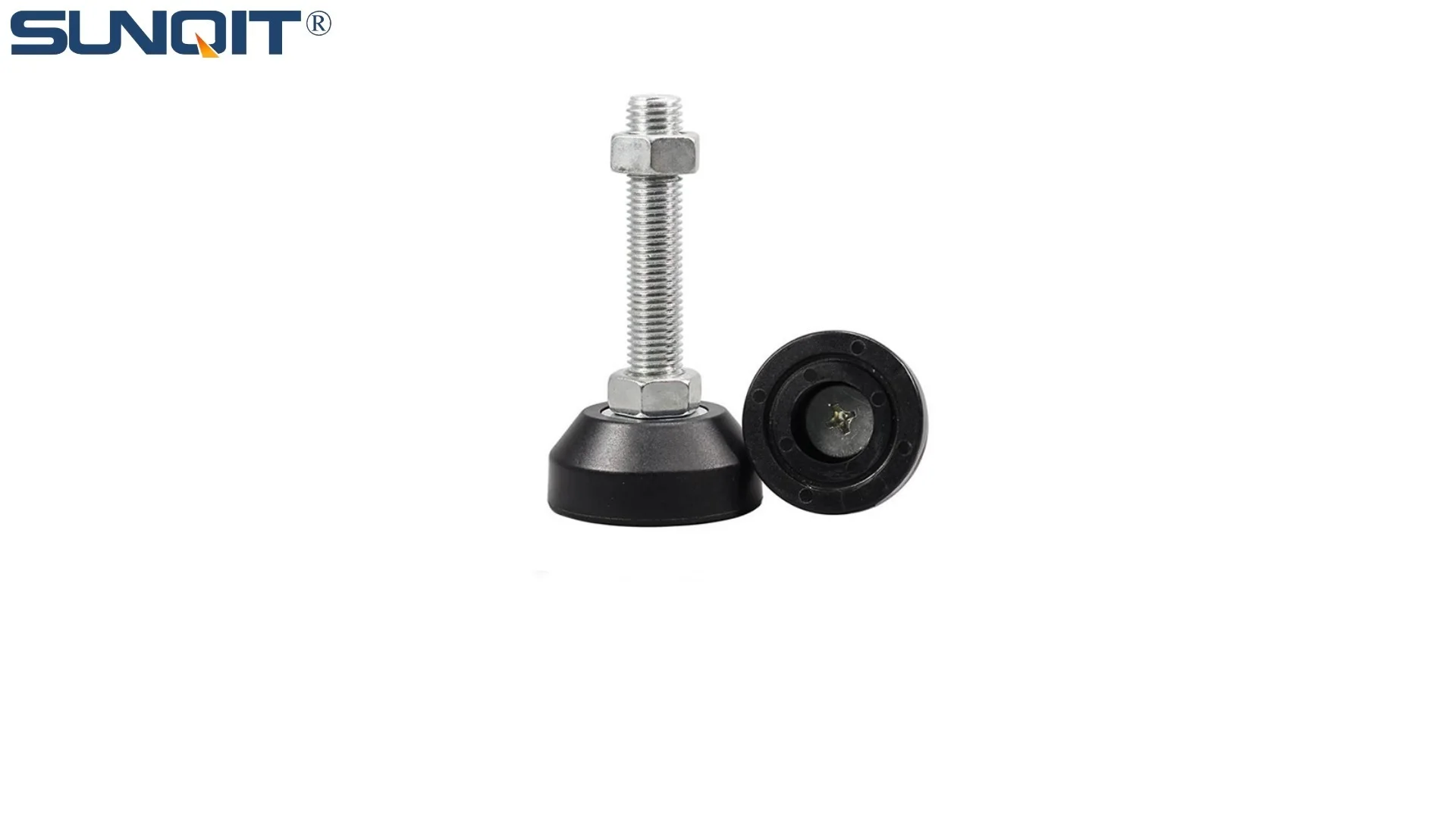
Adjustable leveling feet are designed to keep machines level when placed on uneven or sloped ground. Otherwise known as adjustable equipment feet, they are available to order in a wide variety of size and load capacity combinations.
In the world of pharmaceutical manufacturing, where precision isn't just a goal but a legal requirement, every component of your production setup matters—even the ones you might not notice at first glance. Take, for example, the humble leveling foot under your workbench. It's easy to overlook, but when that workbench is where life-saving medications are measured, mixed, or packaged, stability and safety become non-negotiable. That's where M10*56 rubber leveling feet come into play. These small but mighty components are quietly ensuring that your equipment stays steady, your processes stay compliant, and your team stays safe. Let's dive into why these unassuming parts are so critical in pharmaceutical settings, and how they fit into the bigger picture of compliance, safety, and even lean system efficiency.
Why Stability Matters in Pharmaceutical Manufacturing
Before we get into the specifics of M10*56 rubber leveling feet, let's talk about why stability is the backbone of pharmaceutical production. Imagine a lab technician carefully measuring a milligram of an active pharmaceutical ingredient (API)—a substance so potent that a tiny miscalculation could render a batch ineffective or, worse, dangerous. Now, picture that technician's workbench wobbling slightly because the floor isn't perfectly level, or the equipment wasn't properly stabilized. That small movement could throw off measurements, leading to costly rework, regulatory violations, or even patient harm.
It's not just about measurements, either. Many pharmaceutical processes involve delicate machinery: centrifuges spinning at high speeds, liquid dispensers with micro-pipettes, or automated packaging lines that rely on precise alignment. If any of these machines are unbalanced, the risk of breakdowns, spills, or product contamination skyrockets. And in an industry governed by strict Good Manufacturing Practices (GMP), even a minor incident can trigger audits, fines, or production halts.
This is where leveling feet step in. Their job is simple on the surface—adjust the height of equipment to compensate for uneven floors or surfaces—but their impact is huge. They ensure that workbenches, material racks, and machinery stay perfectly level, reducing vibration, preventing slippage, and maintaining the integrity of every step in the production process. And among the many types of leveling feet available, M10*56 rubber leveling feet have emerged as a go-to choice for pharmaceutical facilities. Let's find out why.
What Are M10*56 Rubber Leveling Feet, Anyway?
Let's break down the name first, because those numbers and terms tell you a lot about what these feet do. "M10" refers to the metric thread size—specifically, a 10mm diameter thread that screws into the base of equipment, allowing for height adjustment. "56" indicates the length of the threaded rod, meaning you can extend or retract the foot up to 56mm to level the equipment. The "rubber" part is the base of the foot, which sits on the floor, providing grip and shock absorption.
But there's more to these feet than just size. The rubber used in pharmaceutical-grade M10*56 leveling feet is typically a high-quality, chemical-resistant compound—often EPDM (ethylene propylene diene monomer) or silicone. Why? Because in pharmaceutical environments, materials must not react with drugs, leach harmful substances, or harbor bacteria. Rubber is non-corrosive, easy to clean, and provides excellent traction, preventing equipment from sliding even on smooth factory floors. Plus, the flexibility of rubber helps dampen vibrations, which is crucial for sensitive equipment like analytical balances or chromatography machines.
Another key feature is adjustability. Unlike fixed feet, M10*56 rubber leveling feet let you fine-tune the height of each corner of a workbench or rack independently. This is a game-changer in older facilities where floors might be uneven due to years of use, or in modular setups where equipment is moved and reconfigured regularly. A quick twist of the foot, and suddenly that wobbly material rack is steady, or that packaging line aligns perfectly with the conveyor belt.

Compliance: Meeting the Strict Standards of Pharma Manufacturing
If there's one word that drives pharmaceutical manufacturing, it's "compliance." Regulatory bodies like the FDA (U.S. Food and Drug Administration), EMA (European Medicines Agency), and WHO (World Health Organization) have laid out exhaustive guidelines for how drugs must be produced, and every piece of equipment—including the leveling feet holding it up—must meet these standards. Let's look at how M10*56 rubber leveling feet help facilities stay on the right side of the rules.
GMP Compliance: The Foundation of Safe Production
Good Manufacturing Practices (GMP) are the gold standard for pharmaceutical production, and they leave no stone unturned. GMP guidelines require that equipment be "designed, constructed, placed, and maintained to facilitate operations for its intended purpose" (FDA 21 CFR Part 211). Translated, that means your workbench or machinery must be stable enough to prevent errors, contamination, or accidents. Unstable equipment fails this requirement—plain and simple.
M10*56 rubber leveling feet directly support GMP compliance in two key ways. First, their adjustability ensures that equipment is always level, which is critical for processes like liquid filling (where uneven surfaces can lead to overfilling or underfilling vials) or tablet compression (where uneven pressure can result in inconsistent tablet weights). Second, the rubber material is non-porous and easy to sanitize, which aligns with GMP's strict cleaning protocols. Unlike metal feet that might rust or harbor bacteria in crevices, rubber feet can be wiped down with disinfectants like isopropyl alcohol or hydrogen peroxide without degrading—keeping your facility's hygiene standards intact.
Material Safety: No Compromises on Substance Interaction
Pharmaceutical products are sensitive to even the smallest chemical interactions. That's why the materials used in equipment components must be "inert" — meaning they don't react with drugs, release harmful substances, or absorb residues. M10*56 rubber leveling feet are made from rubber compounds that are tested and certified to meet USP (United States Pharmacopeia) Class VI standards, which set limits on leachable substances and biological reactivity. USP Class VI rubber is considered safe for direct or indirect contact with pharmaceutical products, giving manufacturers peace of mind that their leveling feet won't compromise batch purity.
For example, if a workbench is used to prepare sterile injectables, any leaching from the leveling feet into the air or onto the bench surface could contaminate the product. With USP Class VI rubber, that risk is eliminated. This level of material safety isn't just a nice-to-have; it's often a requirement for regulatory approval. When auditors visit your facility, they'll ask for documentation proving that all equipment components—including leveling feet—meet these material standards. M10*56 rubber feet with USP Class VI certification make that conversation a whole lot easier.

Safety: Protecting Your Team and Your Products
Compliance keeps the regulators happy, but safety keeps your team healthy and your products intact. In a fast-paced pharmaceutical plant, where workers are moving heavy materials, operating machinery, and handling sensitive substances, the last thing anyone needs is an accident caused by unstable equipment. M10*56 rubber leveling feet play a surprisingly big role in preventing these incidents.
Preventing Slips, Spills, and Equipment Damage
A workbench or material rack that's not properly leveled is a ticking time bomb. It might start with a slight wobble, but over time, that instability can cause equipment to shift, leading to spills of hazardous chemicals or costly active ingredients. Worse, a rack loaded with heavy containers could tip over, injuring nearby workers or damaging other equipment. M10*56 rubber leveling feet address this by providing a secure, non-slip base. The rubber's high coefficient of friction grips the floor, even when the surface is smooth or slightly wet (a common scenario in facilities that use floor cleaners regularly). This stability reduces the risk of equipment movement, keeping both people and products safe.
Vibration damping is another safety benefit. Many pharmaceutical machines, like tablet presses or mixers, generate vibrations during operation. Over time, these vibrations can loosen bolts, misalign components, or even cause equipment to "walk" across the floor. Rubber leveling feet absorb these vibrations, preventing them from transferring to the floor or other equipment. This not only extends the life of your machinery but also reduces the risk of mechanical failures that could lead to accidents or production delays.
Ergonomic Benefits: Reducing Strain on Workers
Safety isn't just about preventing accidents—it's also about protecting workers from long-term ergonomic injuries. An unlevel workbench can force technicians to hunch, stretch, or twist awkwardly to perform their tasks, leading to back pain, carpal tunnel syndrome, or repetitive strain injuries. M10*56 rubber leveling feet let you adjust the height of workbenches to match the ergonomic needs of your team. For example, a taller worker might need the bench raised by 50mm, while a shorter colleague might prefer it 30mm lower. By fine-tuning the height, you create a more comfortable workspace, reducing fatigue and injury rates. Happier, healthier workers are also more productive—an added bonus for any lean system focused on efficiency.

Integration with Lean Systems: Efficiency Meets Stability
Lean manufacturing principles have revolutionized pharmaceutical production by focusing on eliminating waste, streamlining processes, and maximizing value. At first glance, leveling feet might not seem like a "lean" component, but they play a quiet role in keeping lean systems running smoothly. Here's how:
Lean systems thrive on flexibility and adaptability. In a lean facility, workstations are often reconfigured to accommodate new products, higher volumes, or process improvements. M10*56 rubber leveling feet make this reconfiguration quick and easy. Instead of struggling to shim unlevel equipment with pieces of wood or metal (a common waste of time in non-lean setups), workers can simply adjust the leveling feet to stabilize the equipment in minutes. This reduces downtime and ensures that new workflows are up and running faster—key to lean's "continuous improvement" mindset.
Waste reduction is another lean goal, and unstable equipment is a hidden source of waste. Think about the time spent cleaning up spills from a wobbly table, or the cost of scrapping a batch due to measurement errors caused by vibration. M10*56 rubber leveling feet minimize these wastes by keeping equipment stable and processes consistent. When your workbench doesn't wobble, your technicians make fewer mistakes, and your materials are used more efficiently. Over time, these small savings add up, making your lean system even more effective.
M10*56 Rubber Leveling Feet vs. Other Leveling Solutions: A Comparison
Not all leveling feet are created equal. In pharmaceutical manufacturing, choosing the right type can mean the difference between compliance and non-compliance, safety and risk. Let's compare M10*56 rubber leveling feet with other common options to see why they stand out:
| Feature | M10*56 Rubber Leveling Feet | Metal-Only Leveling Feet | Smaller Rubber Feet (e.g., M8*40) | Fixed Plastic Feet |
|---|---|---|---|---|
| Load Capacity | High (typically 500-1000 kg per foot) | Very High (1000+ kg per foot) | Medium (300-500 kg per foot) | Low (100-300 kg per foot) |
| Material Safety | USP Class VI rubber; inert, easy to clean | Stainless steel (safe, but prone to scratching floors) | May use lower-grade rubber (not always USP Class VI) | Plastic may absorb chemicals; not always FDA-compliant |
| Vibration Damping | Excellent (rubber absorbs shocks) | Poor (metal transfers vibrations) | Good, but less than M10*56 (smaller rubber surface) | Fair (plastic has some flexibility) |
| Adjustment Range | Up to 56mm (ideal for uneven floors) | Variable (depends on thread length) | Up to 40mm (less flexibility for uneven surfaces) | None (fixed height) |
| Best For | Heavy workbenches, material racks, precision equipment | Extremely heavy machinery (e.g., industrial mixers) | Light to medium equipment (e.g., small lab benches) | Light, stationary equipment (e.g., storage shelves) |
As the table shows, M10*56 rubber leveling feet strike a balance between load capacity, compliance, and practicality that's hard to beat for most pharmaceutical applications. Metal feet might handle heavier loads, but they lack vibration damping and can scratch floors—a problem in cleanrooms where floor integrity is important. Smaller rubber feet work for light equipment but aren't robust enough for the heavy workbenches and racks common in pharmaceutical production. Fixed plastic feet, meanwhile, offer no adjustability, making them useless on uneven floors.
Real-World Application: How M10*56 Rubber Leveling Feet Solved a Compliance Crisis
To put this all in perspective, let's look at a real-world example (with details anonymized to protect privacy). A mid-sized pharmaceutical manufacturer was preparing for an FDA audit when their quality team noticed a problem: the workbenches in their tablet compression room were slightly wobbly. The benches were loaded with equipment that measured and dispensed API, and the wobble was causing minor variations in tablet weight—variations that were just barely within acceptable limits, but enough to raise red flags during an audit.
The root cause? The facility had recently replaced old concrete floors with smooth epoxy floors, which were more hygienic but slightly uneven in spots. The existing leveling feet on the workbenches were small plastic feet with limited adjustability, and they couldn't compensate for the new floor's irregularities. The quality team knew they needed a solution fast—auditors were due in three weeks.
After consulting with their equipment supplier, they chose M10*56 rubber leveling feet with USP Class VI certification. The installation was quick: workers unscrewed the old plastic feet, screwed in the new M10*56 feet, and adjusted each corner until the workbenches were perfectly level. The results were immediate: tablet weight variations dropped by 40%, and the benches felt rock-solid. When the FDA auditors visited, they praised the facility's attention to equipment stability, and the plant passed the audit with no findings related to workbench setup. Today, the manufacturer uses M10*56 rubber leveling feet on all new workbenches and has even retrofitted older equipment to ensure consistent stability.
Maintenance and Care: Keeping Your Leveling Feet in Top Shape
Like any equipment component, M10*56 rubber leveling feet need regular maintenance to perform their best. Fortunately, caring for them is simple—just a few quick steps can extend their lifespan and ensure they keep your equipment stable and compliant.
Regular Inspection: Catching Issues Early
Make it a habit to inspect leveling feet during routine equipment checks. Look for signs of wear, like cracks or tears in the rubber base, which can reduce grip and stability. Check the threaded rod for rust or corrosion—though most pharmaceutical-grade leveling feet have stainless steel rods, humidity or chemical exposure can still cause issues. If you notice rust, clean the rod with a soft brush and apply a thin layer of food-grade lubricant to prevent further damage.
Cleaning: Keeping Them Hygienic
In pharmaceutical cleanrooms, even the bottom of leveling feet needs to be clean. Wipe the rubber base with a damp cloth and a mild, pharmaceutical-grade disinfectant (like 70% isopropyl alcohol) during regular cleaning cycles. Avoid harsh chemicals like bleach, which can degrade rubber over time. For heavily soiled feet, use a soft-bristled brush to remove debris from the treads—this ensures the rubber maintains its grip on the floor.
Replacement: Knowing When to Upgrade
Rubber leveling feet don't last forever. Over time, the rubber can harden or lose elasticity, reducing its vibration-damping and non-slip properties. As a general rule, plan to replace M10*56 rubber leveling feet every 3-5 years, depending on usage. If you notice that your equipment starts to wobble even after adjustment, or the rubber feels brittle to the touch, it's time for new feet. Investing in replacement feet is far cheaper than dealing with the consequences of unstable equipment—like batch failures or regulatory fines.
Future Trends: What's Next for Leveling Feet in Pharma?
As pharmaceutical manufacturing evolves, so too will the components that support it. Here are a few trends to watch for in leveling feet technology:
Smart Leveling Feet: Imagine leveling feet with built-in sensors that monitor stability in real time. If a foot starts to loosen or the equipment becomes unbalanced, the sensor could send an alert to your maintenance team—preventing issues before they cause problems. While this technology is still in its early stages, it aligns with the "Industry 4.0" trend of connected manufacturing, where data-driven insights improve efficiency and safety.
Antimicrobial Rubber: Rubber compounds infused with antimicrobial agents (like silver ions) are becoming more common. These agents inhibit the growth of bacteria, mold, and fungi on the leveling feet, an extra layer of protection in sterile environments like cleanrooms. While USP Class VI rubber is already non-porous and easy to clean, antimicrobial additives could further reduce contamination risks.
Lightweight but Stronger Materials: As pharmaceutical facilities adopt more modular and mobile equipment, there's a demand for leveling feet that are lighter but still durable. Manufacturers are experimenting with composite materials—like carbon fiber-reinforced rubber—that offer the same load capacity as traditional rubber feet but with less weight, making equipment easier to move and reconfigure.
Conclusion: The Unsung Hero of Pharma Manufacturing
M10*56 rubber leveling feet may not be the most glamorous components in your pharmaceutical facility, but they're undoubtedly among the most important. From ensuring compliance with GMP and USP standards to keeping workers safe and lean systems efficient, these small but critical parts play a vital role in the production of life-saving medications. They're a reminder that in pharmaceutical manufacturing, excellence lies in the details—in the stability of a workbench, the safety of a material rack, and the reliability of even the most unassuming components.
So the next time you walk through your production floor, take a moment to look down at the feet holding up your equipment. Chances are, they're M10*56 rubber leveling feet—quietly doing their job to keep your processes compliant, your team safe, and your products perfect. And that's a role worth celebrating.