- Company Articles
- Products and Technology
- Product knowledge
- M10*56 Rubber Leveling Feet Thread Size: Ensuring Secure Fit in Lean Systems

M10*56 Rubber Leveling Feet Thread Size: Ensuring Secure Fit in Lean Systems
Related Product
M10*56 Rubber Leveling Feet
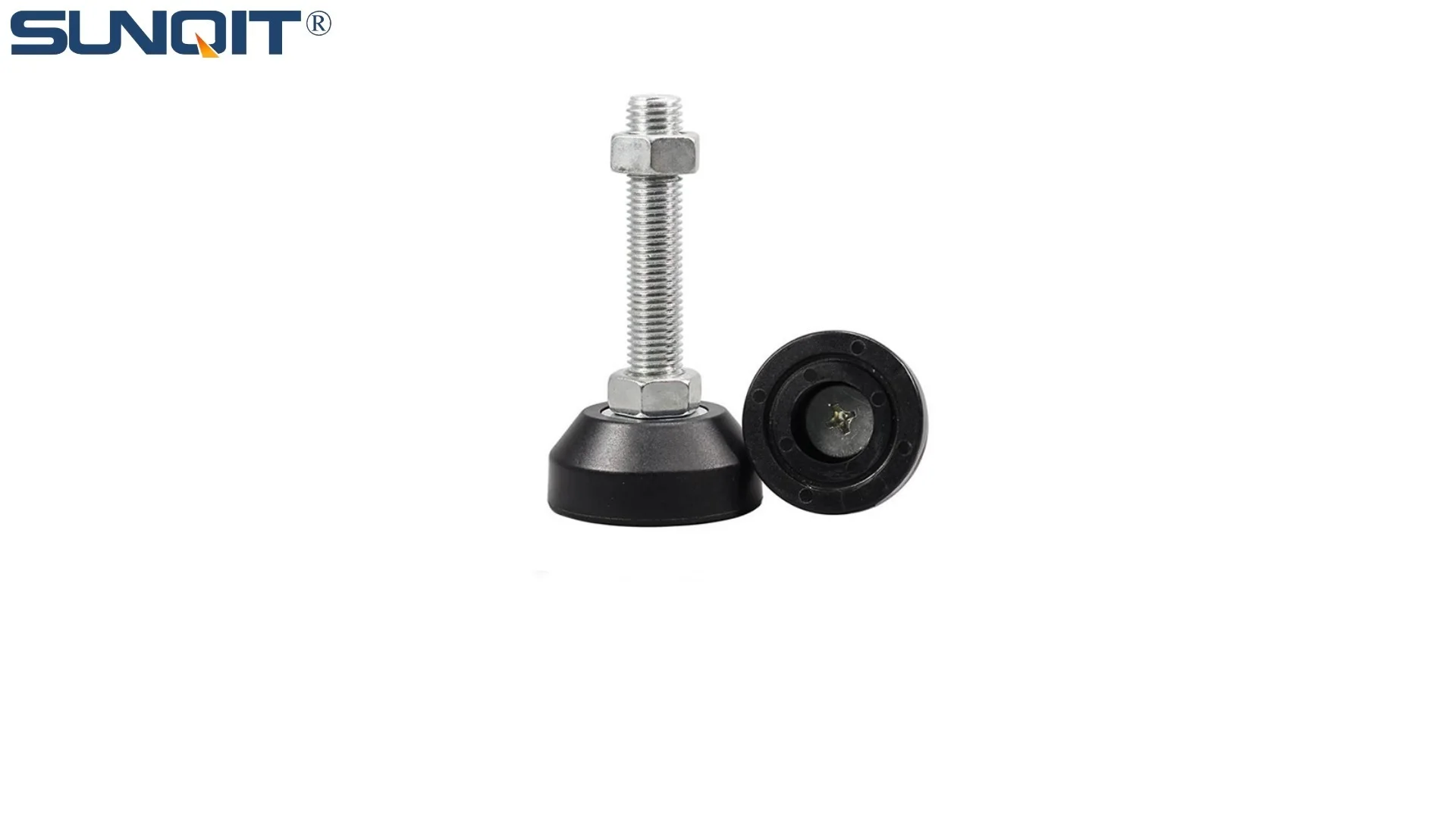
Adjustable leveling feet are designed to keep machines level when placed on uneven or sloped ground. Otherwise known as adjustable equipment feet, they are available to order in a wide variety of size and load capacity combinations.
In the world of manufacturing, where precision and efficiency are the backbone of success, even the smallest components can make a world of difference. Walk into any well-run production facility, and you'll notice a symphony of moving parts—conveyors gliding, workbenches bustling, and material racks holding supplies with steady reliability. But behind that seamless operation lies a network of unsung heroes: the components that keep everything stable, aligned, and productive. One such hero? The M10*56 rubber leveling foot. While it might not grab headlines, this small but mighty part plays a critical role in ensuring lean systems run smoothly, particularly in setups like lean pipe workbenches and assembly stations. Let's dive into why the thread size of these leveling feet matters, how they integrate into lean systems, and why they're more than just a "foot" for your equipment.
What Are M10*56 Rubber Leveling Feet, Anyway?
Before we get into their role in lean systems, let's break down what M10*56 rubber leveling feet actually are. At first glance, they look like simple, unassuming components: a threaded metal rod topped with a rubber base. But their design is purposeful, and every detail—from the rubber material to the thread size—is engineered for stability. Let's start with the basics: the "M10*56" in their name. The "M" stands for "metric," the "10" refers to the diameter of the threaded rod (10 millimeters), and the "56" is the length of the threaded section (56 millimeters). This specific thread size isn't random; it's a sweet spot between adjustability and strength, making it ideal for medium to heavy-duty applications in industrial settings.
The rubber base is another key feature. Unlike hard plastic or metal bases, rubber offers two critical benefits: grip and vibration dampening. In a busy factory, machinery vibrations are unavoidable—they travel through floors, workbenches, and even the smallest tools. Over time, these vibrations can loosen connections, misalign parts, or even damage sensitive equipment. The rubber base of these leveling feet absorbs much of that shock, acting like a buffer between the equipment and the floor. It also prevents slipping: even on smooth concrete or uneven surfaces, the rubber grips tightly, ensuring the workbench or rack stays exactly where it's supposed to be.
The metal rod itself is typically made from steel, often zinc-plated to resist corrosion. This is important because manufacturing environments can be harsh—exposure to oils, coolants, or humidity can take a toll on unprotected metal. The zinc plating adds a layer of defense, ensuring the leveling foot lasts longer and maintains its structural integrity, even in less-than-ideal conditions.
Why Thread Size Matters: The Science of a Secure Fit
You might be wondering: Does thread size really make that big of a difference? Can't any leveling foot with a similar diameter work? The short answer is no—and here's why. The thread size directly impacts how securely the leveling foot attaches to your equipment, how much weight it can support, and how much adjustability you have to level uneven surfaces.
Let's start with secure attachment . When you screw a leveling foot into a workbench leg or a material rack frame, the threads on the rod interlock with the threads inside the leg. If the thread size is too small (say, M8 instead of M10), the connection might not be tight enough, leading to wobbling or even the foot unscrewing over time. If it's too large (M12, for example), it might not fit at all, or it could strip the threads inside the leg, ruining the equipment. M10*56 strikes a balance: the 10mm diameter provides enough surface area for a strong connection, while the 56mm length gives you enough thread engagement to ensure the foot won't loosen, even under constant use.
Next, load capacity . Industrial workbenches, especially those used in assembly lines or material handling, aren't light. A typical lean pipe workbench might hold tools, components, and even heavy machinery parts—easily weighing 200kg or more. The M10*56 thread size is designed to handle these loads. The thicker 10mm rod can bear more weight without bending, and the longer 56mm thread ensures that the load is distributed evenly across the connection point. This reduces stress on both the leveling foot and the equipment, preventing bending, cracking, or failure.
Then there's adjustability . No factory floor is perfectly level. Even brand-new concrete can have slight dips or slopes, and over time, wear and tear can make surfaces even more uneven. Leveling feet are meant to compensate for this: you twist them to raise or lower one corner of a workbench until it's perfectly flat. The 56mm thread length gives you plenty of room to adjust—up to 56mm of height variation, in fact. This is crucial for lean systems, where even a 1mm tilt can throw off material flow, cause parts to slide, or make assembly tasks more difficult for workers.

M10*56 Leveling Feet in Lean Systems: More Than Just Stability
Now, let's connect the dots: how do these leveling feet fit into lean systems? Lean manufacturing is all about eliminating waste—whether that's wasted time, wasted materials, or wasted effort—and maximizing efficiency. Instability in workbenches, racks, or conveyors is a hidden source of waste. A wobbly workbench might slow down assembly workers as they struggle to keep parts steady. A tilted material rack could cause boxes to tip, leading to damaged supplies or time spent reorganizing. A conveyor that's not level might jam, halting the entire line. M10*56 rubber leveling feet tackle these issues head-on, making them a quiet but essential part of lean principles in action.
Take lean pipe workbenches , for example. These workbenches are a staple in lean environments because they're modular, customizable, and easy to reconfigure as production needs change. They're built using aluminum or steel pipes and joints, allowing teams to add shelves, tool holders, or bins exactly where they're needed. But all that flexibility means nothing if the workbench itself isn't stable. Imagine a lean pipe workbench used for electronics assembly: workers are placing tiny, delicate components onto circuit boards. If the bench wobbles even slightly, a component might slip, leading to rework or scrap. With M10*56 leveling feet, the bench stays rock-solid. Workers can focus on the task at hand, not on compensating for instability, which cuts down on errors and speeds up production—both key goals of lean systems.
Another area where these leveling feet shine is in material flow . Lean systems rely on smooth, uninterrupted movement of materials from one station to the next. If a flow rack (used to hold and dispense parts) isn't level, parts might get stuck or roll too quickly, causing jams or spills. M10*56 feet ensure the rack is perfectly aligned, so parts glide smoothly to the next workstation. This reduces the need for workers to manually adjust parts, saving time and reducing frustration—another win for lean efficiency.
Even worker ergonomics tie into this. A level workbench isn't just about stability; it's about comfort. If a bench is tilted, workers might hunch or strain to reach tools or parts, leading to fatigue or even injury over time. Lean systems prioritize worker well-being because tired or injured employees are less productive. By keeping workbenches level, M10*56 leveling feet help maintain proper ergonomics, keeping workers comfortable and focused throughout their shifts.

How M10*56 Leveling Feet Compare to Other Options
Not all leveling feet are created equal. To understand why M10*56 rubber leveling feet stand out, let's compare them to other common options. Below is a breakdown of how they stack up against smaller thread sizes (like M8*40), larger sizes (like M12*60), and non-rubber materials (like plastic or steel bases):
| Feature | M10*56 Rubber Leveling Feet | M8*40 Plastic Leveling Feet | M12*60 Steel Base Leveling Feet |
|---|---|---|---|
| Thread Diameter/Length | 10mm / 56mm | 8mm / 40mm | 12mm / 60mm |
| Load Capacity | Medium to heavy (up to 300kg per foot) | Light (up to 150kg per foot) | Heavy to extra-heavy (up to 500kg per foot) |
| Vibration Dampening | Excellent (rubber absorbs shock) | Poor (plastic transmits vibrations) | Poor (steel amplifies vibrations) |
| Floor Protection | High (rubber won't scratch floors) | Medium (plastic may scratch soft floors) | Low (steel can damage concrete/floors) |
| Best For | Lean pipe workbenches, flow racks, medium-duty conveyors | Light shelving, small workbenches | Heavy machinery, industrial presses |
As the table shows, M10*56 rubber leveling feet hit a sweet spot for most lean system applications. They're strong enough to handle the weight of a fully loaded lean pipe workbench or flow rack, but not so heavy-duty that they add unnecessary bulk or cost (unlike M12 steel-base feet, which are overkill for many lean setups). The rubber base also protects factory floors from scratches—a small detail that adds up over time, as floor repairs are another form of waste lean systems aim to avoid.

Installing M10*56 Rubber Leveling Feet: Tips for a Secure Fit
Even the best leveling feet won't perform well if they're installed incorrectly. Here's a quick guide to getting them right:
1. Check the equipment's thread compatibility first. Before installing, make sure the legs of your workbench, rack, or conveyor have M10 threaded holes. If the holes are too small, you could strip the threads; if they're too large, the leveling foot won't grip. Most lean pipe workbenches and industrial equipment are designed with M10 threads, but it's always worth double-checking.
2. Clean the threads. Over time, dust, grease, or debris can build up in the threaded holes of equipment legs. Before screwing in the leveling foot, wipe the threads clean with a dry cloth. If there's stubborn grime, use a small brush (like a toothbrush) to dislodge it. Clean threads ensure a tight, even fit.
3. Hand-tighten first, then adjust for level. Start by screwing the leveling foot into the leg by hand—this prevents cross-threading (which can ruin both the foot and the leg). Once it's hand-tight, place a level on the workbench or rack. Twist the leveling foot clockwise to lower it or counterclockwise to raise it until the bubble in the level is centered. Repeat for all feet until the entire unit is stable.
4. Lock it in place (if needed). For extra security, some leveling feet come with a lock nut. After adjusting the foot to the right height, tighten the lock nut against the leg to prevent the foot from unscrewing over time. This is especially useful for equipment that vibrates heavily, like conveyors or power tools.
Maintaining Your Leveling Feet: Keeping Them Working for Lean Success
Like any component in a lean system, M10*56 rubber leveling feet need a little care to keep performing their best. Here's how to maintain them:
Inspect regularly. Once a month, take a quick look at the leveling feet on your workbenches and racks. Check for cracks in the rubber base, rust on the threaded rod, or looseness in the connection. Cracks in the rubber can reduce grip and vibration dampening, while rust can weaken the rod over time. Catching these issues early prevents bigger problems later.
Clean the rubber base. Oil, grease, or dirt on the rubber can reduce its grip. Wipe the base with a damp cloth and mild soap to remove grime. Avoid harsh chemicals, as they can degrade the rubber.
Tighten if needed. Even with lock nuts, leveling feet can loosen over time due to vibrations. If you notice a foot is wobbly, give it a gentle twist with a wrench to tighten it back up. This takes 30 seconds and can save hours of rework caused by instability.
Final Thoughts: Small Part, Big Impact on Lean Systems
In the grand scheme of lean manufacturing, M10*56 rubber leveling feet might seem like a tiny detail. But as any lean expert will tell you, it's the tiny details that add up to big results. A stable workbench reduces errors. A level flow rack speeds up material flow. A vibration-dampened conveyor minimizes downtime. All of these contribute to the lean goal of eliminating waste and maximizing value.
Whether you're setting up a new lean pipe workbench, upgrading an existing flow rack, or simply looking to improve the stability of your production line, don't overlook the importance of thread size. M10*56 rubber leveling feet offer the perfect combination of strength, adjustability, and grip to keep your lean system running smoothly. They're not just "feet"—they're the foundation of productivity, precision, and lean success.
So the next time you walk through a manufacturing plant and admire the efficiency of the lean system, take a moment to look down. Chances are, there's an M10*56 rubber leveling foot holding it all together—quietly, reliably, and with a thread size that's just right.