- Company Articles
- Products and Technology
- Installation And Maintenance
- Maintaining 1.2mm Stainless Steel Pipe: Tips to Prevent Rust and Extend Lifespan

Maintaining 1.2mm Stainless Steel Pipe: Tips to Prevent Rust and Extend Lifespan
Related Product
1.2mm Stainless Steel Pipe
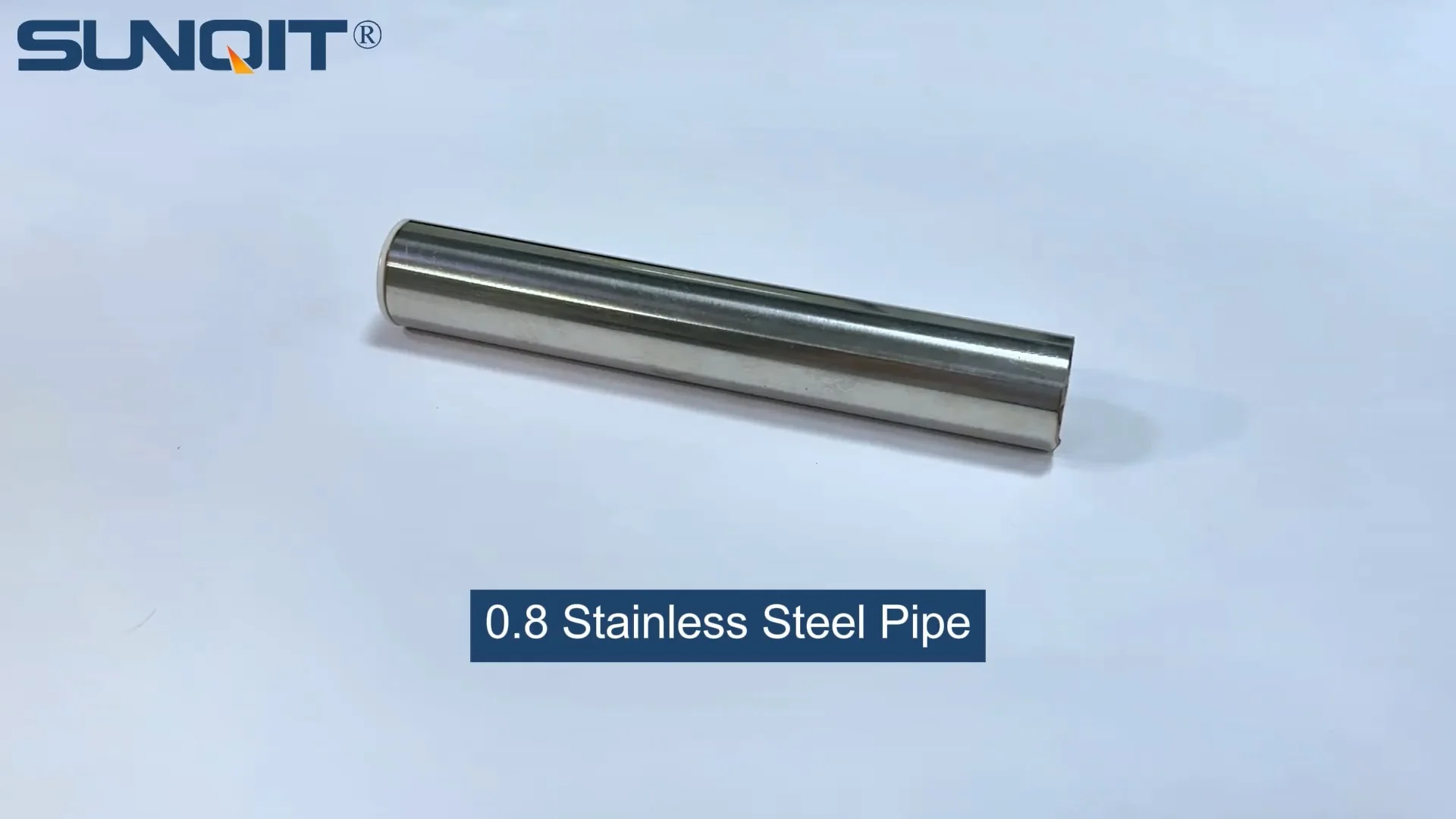
Stainless steel pipe, lean pipe, diameter is 28mm, material is SS201 or SS304, SS201 is normally used in the market. It knows a KARAKURI, KAIZEN material for industrial plant to improve efficiency, save labor cost, standard management.
Introduction: Why Your 1.2mm Stainless Steel Pipe Deserves Care
If you've ever stepped into a busy workshop, a manufacturing plant, or even a well-organized garage, chances are you've seen it: the unsung hero of industrial setups—the 1.2mm stainless steel pipe. Sleek, sturdy, and surprisingly versatile, this pipe is the backbone of everything from workbenches and roller tracks to material racks and conveyor systems. It's part of the broader stainless steel pipe series , a category prized for its durability and resistance to corrosion. But here's the thing: even stainless steel isn't invincible. Without proper care, that shiny pipe you installed last year could start showing rust spots, weaken over time, or even fail when you need it most.
Whether you're a small business owner running a production line, a maintenance technician keeping a workshop in shape, or a DIY enthusiast who invested in quality equipment, maintaining your 1.2mm stainless steel pipes isn't just about aesthetics—it's about efficiency, safety, and saving money. A rusted pipe on a workbench might slow down assembly; a corroded roller track could jam, halting workflow; and a weakened material rack? That's a safety hazard waiting to happen. So let's dive into how to keep these pipes in top shape, prevent rust, and make sure they last for years (or even decades) to come.
First Things First: What Makes 1.2mm Stainless Steel Pipe Special?
Before we jump into maintenance, let's get to know the star of the show. 1.2mm stainless steel pipe is part of the stainless steel pipe series , which is alloyed with chromium (at least 10.5%) and often nickel, giving it that "stainless" reputation. The 1.2mm thickness hits a sweet spot: it's thin enough to be lightweight and easy to work with (you can cut, bend, or connect it without heavy machinery) but thick enough to handle daily wear and tear—think tools leaning on it, parts sliding over it, or the constant vibration of a busy workspace.
You'll find this pipe in all sorts of places: supporting the shelves of a material rack, forming the frame of a workbench, or guiding products along a roller track. Its popularity comes down to two big factors: strength and rust resistance. But here's the catch: "rust-resistant" doesn't mean "rust-proof." Even the best stainless steel can corrode if it's not cared for. Let's break down why that happens.

Why Rust Sneaks In: The Hidden Threats to Your Pipe
You might be thinking, "If it's stainless, why does it rust?" Great question. Stainless steel gets its name from the thin, invisible layer of chromium oxide that forms on its surface when exposed to oxygen. This layer acts like a shield, blocking moisture and corrosive elements from reaching the metal underneath. But this shield isn't permanent. It can be damaged or worn away by a few common culprits:
- Moisture Traps: Water is rust's best friend. If your pipe stays damp—from spills, high humidity, or even condensation—it can break down that chromium oxide layer over time. Think about a roller track in a basement workshop: if it's not dried properly after cleaning, water can pool in the joints, starting tiny rust spots.
- Scratches and Dents: A sharp tool, a dropped part, or even rough handling can scratch the pipe's surface. These scratches damage the protective layer, leaving the metal exposed. Once that happens, rust can take hold in the nick and spread if left unchecked.
- Harsh Chemicals: Oils, solvents, acids, or even salty air (if you're near the coast) can eat away at the chromium oxide. For example, if you clean a workbench with a strong degreaser and don't rinse it off, the residue might drip onto the supporting stainless steel pipes, weakening their defense.
- Improper Installation: Believe it or not, how you install the pipe matters. If it's not level, water might pool in low spots. If the connections are loose, dirt and moisture can get trapped in the gaps. This is where small but mighty components like adjustable leveling feet come in—they keep the pipe stable and elevated, preventing pooling and reducing stress on the material.
Now that we know why rust happens, let's talk about how to stop it in its tracks.

5 Essential Maintenance Tips to Prevent Rust
Preventing rust on your 1.2mm stainless steel pipe isn't rocket science, but it does require consistency. Think of it like caring for a car: a little regular attention beats costly repairs later. Here are the key steps to keep your pipes rust-free:
1. Clean It—But Gently
Dirt, grease, and grime are more than just unsightly—they trap moisture and chemicals against the pipe's surface. So regular cleaning is a must. But forget the steel wool or abrasive scrubbers—those will scratch the surface (remember, scratches = rust risks). Instead, use a soft cloth or sponge with warm water and a mild detergent (dish soap works great). For tougher stains, like oil or grease, mix a little baking soda with water to make a paste, apply it gently, then rinse thoroughly.
Pro tip: Avoid harsh cleaners with bleach, ammonia, or hydrochloric acid—they'll damage the chromium oxide layer faster than you can say "rust."
2. Dry It Thoroughly
Washing is half the battle; drying is the other half. Even if you use "stainless" steel, leaving water droplets on the surface is an open invitation for rust. After cleaning, dry the pipe with a clean, lint-free cloth. Pay extra attention to joints, bends, and areas where water might pool—like the bottom of a workbench leg or the crevices of a roller track. If you're cleaning a large setup, a leaf blower (on low) can help speed up drying in hard-to-reach spots.
3. Inspect Regularly (Yes, Every Month)
Rust doesn't usually appear overnight—it starts as a tiny spot, maybe a pinprick of orange, before spreading. Catching it early is key. Set a calendar reminder to inspect your stainless steel pipes once a month. Look for:
- Small rust spots (especially in joints or scratched areas)
- Discoloration (dull, gray patches might mean the protective layer is thinning)
- Loose connections (gaps where dirt and moisture can sneak in)
- Signs of wear on moving parts, like caster wheels or roller track rollers (worn wheels can cause uneven pressure on pipes, leading to stress cracks)
If you spot something, don't ignore it—we'll cover how to fix minor rust later!
4. Install It Right (And Keep It Level)
You wouldn't build a house on a slanted foundation, right? The same logic applies to stainless steel pipes. Proper installation is one of the best ways to prevent rust. Make sure pipes are level to avoid water pooling—this is where adjustable leveling feet shine. These small, threaded feet attach to the bottom of pipes or frames, letting you tweak the height until everything is perfectly even. No more low spots where rain or cleaning water collects!
Also, ensure connections are tight but not over-tightened. Over-tightening can warp the pipe or crack the joints, creating gaps for moisture. Use the right tools for the job—wrenches that fit properly, not pliers that might scratch the surface.
5. Protect It from the Environment
Where you place your stainless steel pipes matters. If they're outdoors, they'll face rain, snow, and UV rays—all of which can wear down the protective layer. If you can't move them indoors, consider adding a clear protective coating (like a silicone spray or a specialized stainless steel sealant) to shield against the elements. For indoor pipes, keep the area well-ventilated to reduce humidity, and avoid placing them near sources of moisture (like leaky pipes or steam vents).
Extending Lifespan: Beyond Prevention—Repair and Upgrade
Even with the best prevention, life happens. A scratch here, a spill there, or a particularly humid summer might leave your pipe needing a little TLC. The good news? With quick action, you can stop rust in its tracks and even extend your pipe's lifespan beyond the average.
Fight Minor Rust Fast
If you spot a small rust spot (smaller than a dime), grab a piece of fine-grit sandpaper (200-grit or higher) and gently sand the area in the direction of the grain. Wipe away the dust, then clean the spot with water and mild soap. Dry it thoroughly, then apply a thin layer of stainless steel polish or sealant to rebuild the protective layer. For slightly larger spots, try a commercial rust remover designed for stainless steel—just follow the instructions carefully and rinse well.
Upgrade Worn Components
Your 1.2mm stainless steel pipe doesn't work alone—it's part of a system. If the caster wheels on your mobile workbench are worn, they might wobble, putting extra stress on the pipes. replace them with new, high-quality caster wheels to reduce strain. Similarly, if a roller track is starting to stick, clean the rollers, lubricate them with a silicone spray, or replace damaged ones. By keeping the entire system in good shape, you lighten the load on the pipes themselves.
Invest in Professional Servicing (When Needed)
For major rust, deep scratches, or structural issues (like bent pipes), don't DIY it. Call a professional who specializes in stainless steel repair. They can use techniques like passivation (a chemical treatment that rebuilds the chromium oxide layer) or welding (for cracks) to restore the pipe's strength. It might cost a little upfront, but it's cheaper than replacing the entire pipe or rack.
Maintenance Cheat Sheet: How to Adapt to Your Environment
Not all environments are created equal. A stainless steel pipe in a dry, air-conditioned workshop needs different care than one in a humid garage or a coastal factory. Use this table to tailor your maintenance routine:
| Environment | Key Risks | Cleaning Frequency | Special Tips |
|---|---|---|---|
| Indoor, dry (e.g., office workshop) | Dust, occasional spills | Every 2–3 months | Wipe with a dry cloth weekly to remove dust; use adjustable leveling feet to keep pipes off the floor (reduces dust buildup). |
| Indoor, high humidity (e.g., basement, kitchen) | Condensation, mold | Monthly | Use a dehumidifier; dry pipes thoroughly after cleaning; apply a silicone-based sealant every 6 months. |
| Outdoor or coastal | Rain, salt, UV rays | Every 2 weeks | Cover pipes during storms; rinse with fresh water after exposure to salt; apply a UV-resistant sealant quarterly. |
| Industrial (e.g., factory, warehouse) | Chemicals, heavy use, oil | Weekly | Use a mild degreaser monthly; inspect caster wheels and roller tracks biweekly; repair scratches immediately. |
Final Thoughts: Your Pipes Work Hard—Return the Favor
At the end of the day, maintaining your 1.2mm stainless steel pipe is about respect—respect for the tools that keep your operation running, respect for your team's safety, and respect for your own investment. It's not glamorous work, but it's simple: clean, dry, inspect, and fix small issues before they grow. By following these tips, you'll keep your pipes shining, strong, and reliable for years to come.
And remember: the stainless steel pipe series is built to last, but it's not built to last alone. With a little care, your 1.2mm pipes will be supporting your workbench, guiding your roller track, and holding your materials long after the next upgrade. Now go give those pipes a wipe-down—they've earned it.