- Company Articles
- Products and Technology
- Installation And Maintenance
- Maintaining 2040 Aluminum Profile End Caps: Longevity Strategies

Maintaining 2040 Aluminum Profile End Caps: Longevity Strategies
Related Product
2040 Aluminum Profile End Cap
The aluminum profile end cap adds a finishing touch to your project and closes off profile ends to limit dust and debris buildup, also it can avaid some scratch for material and labor during the assemble work.
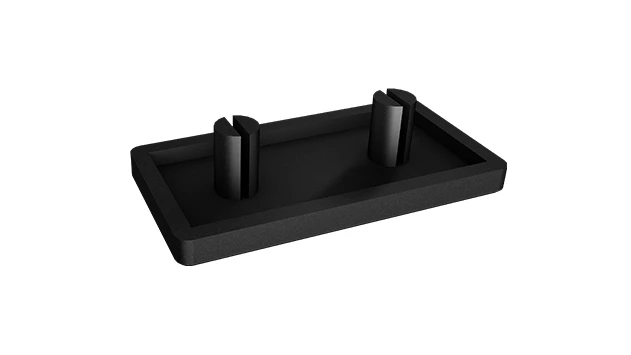
If you work with aluminum extrusion profiles—whether building workbenches, assembling material racks, or setting up production lines—you know the profile itself gets most of the attention. It's the backbone, the structure that holds everything together. But today, let's talk about the unsung hero that keeps your aluminum extrusion profile performing at its best: the 2040 aluminum profile end cap. These small, often-overlooked pieces play a huge role in protecting your equipment, ensuring safety, and extending the lifespan of your setup. In this guide, we'll walk through why these end caps matter, common issues that threaten their longevity, and practical strategies to keep them (and your profiles) in top shape for years to come.
Understanding 2040 Aluminum Profile End Caps: More Than Just a "Cap"
First, let's get clear on what a 2040 aluminum profile end cap actually is. If you've ever handled an aluminum extrusion profile, you've noticed the open ends—those hollow channels that give the profile its strength without excess weight. Left uncovered, these ends are vulnerable: dust, debris, and moisture can seep in, causing internal corrosion. Sharp edges might catch on gloves or clothing, creating safety hazards. And let's be honest—exposed raw ends just don't look professional, especially if your setup is part of a customer-facing workspace or a clean manufacturing environment.
The 2040 aluminum profile end cap is designed to solve all these problems. Made to fit snugly into the 20mm x 40mm profile (a common size for workbenches, flow racks, and light-duty machinery), these caps seal the end of the extrusion, block debris, smooth out sharp edges, and add a finished look. Think of them as the "shoes" for your profile—small, but essential for protection and functionality.
But not all end caps are created equal. They come in different materials, from plastic (PVC or nylon) to rubber and even aluminum, each suited to different environments and use cases. And while they're simple in design, their effectiveness depends entirely on how well you maintain them. A cracked, loose, or missing end cap might seem like a minor issue, but it's the first step toward bigger problems for your aluminum extrusion profile.
Why Maintenance Matters: The Cost of Neglecting End Caps
Let's start with a scenario we've all seen (or maybe even experienced): a workshop where the end caps on the aluminum workbench have started to crack or fall off. At first, it's easy to ignore—after all, the bench still holds tools, and the profile itself feels sturdy. But over time, here's what happens:
- Corrosion from the inside out: Moisture, oil, or cleaning chemicals seep into the open profile end. Aluminum is resistant to rust, but it's not impervious—especially if the extrusion's internal surface isn't anodized. Over months, this can lead to pitting or weakening of the profile walls.
- Debris buildup: Sawdust, metal shavings, or even small parts get trapped inside the profile. When you need to disassemble or reconfigure the setup (a common task in lean manufacturing environments), that debris can jam connections or scratch the profile's internal surfaces, making future adjustments harder.
- Safety risks: Exposed profile ends are sharp. A quick brush against them with bare hands or a sleeve can cause cuts. In busy production areas, where workers are moving quickly, this becomes a serious hazard.
- Premature replacement costs: A profile with internal damage or compromised structural integrity won't last as long. Replacing a 2040 aluminum extrusion profile costs far more than replacing a $2 end cap—especially if the damage spreads to connected components like aluminum profile accessories or workbench frames.
The bottom line? Neglecting end cap maintenance isn't just about aesthetics—it's about protecting your investment. A little time spent caring for these small parts can save you hours of repair work and hundreds of dollars in replacement costs down the line.

Materials Matter: Choosing (and Maintaining) the Right End Cap for Your Environment
Not all 2040 aluminum profile end caps are made the same, and the material you choose directly impacts how you should maintain them. Let's break down the most common options, their pros and cons, and maintenance tips tailored to each.
| Material Type | Common Uses | Pros | Cons | Maintenance Frequency | Key Care Tips |
|---|---|---|---|---|---|
| PVC Plastic | Indoor workbenches, dry environments | Affordable, lightweight, easy to install | Prone to cracking in cold temps; fades in UV light | Monthly inspection; annual replacement in high-use areas | Avoid harsh cleaners (use mild soap and water); keep away from direct sunlight |
| Nylon | Moderate-wear areas (e.g., material racks) | More durable than PVC; resistant to impact | Can warp in high heat (over 100°C) | Quarterly inspection; replace if warping or loosening | Check fit seasonally (nylon expands/contracts with temperature) |
| Rubber | Humid environments, vibration-prone setups | Flexible, seals tightly against moisture; absorbs shock | Degrades in oil or chemical exposure; attracts dust | Bi-monthly inspection; clean monthly | Wipe with a dry cloth to remove dust; replace if brittle or sticky |
| Aluminum | Heavy-duty machinery, outdoor use | Corrosion-resistant, high-temperature tolerance | More expensive; requires precise fitting | Semi-annual inspection; clean as needed | Check for dents (can loosen the seal); anodize periodically for extra protection |
The takeaway here? Start by choosing the right material for your environment. If you're working in a warehouse with temperature fluctuations, nylon might be better than PVC. If your setup is near a washdown area (like a food processing line), rubber could provide the moisture seal you need. And if you're using the profile outdoors, aluminum end caps will outlast plastic options by years. Once you've selected the right material, tailor your maintenance routine to its weaknesses—whether that's UV protection for PVC or oil resistance for rubber.

Step-by-Step Maintenance Routine: Keeping End Caps (and Profiles) in Top Shape
Now that you know why maintenance matters and which end cap to use, let's dive into the how . Below is a simple, actionable routine you can follow to extend the life of your 2040 aluminum profile end caps. This doesn't require special tools—just a few minutes of your time and some basic supplies.
1. Regular Inspection: Catch Issues Early
Set a calendar reminder to inspect your end caps monthly (or quarterly for low-use setups). Walk through your workspace and check each 2040 aluminum profile end cap for:
- Cracks or splits: Even small cracks can let moisture in. Plastic caps are especially prone to this in cold weather or after impact (e.g., a dropped tool hitting the end cap).
- Looseness: End caps should fit snugly. If you can wiggle one with your finger, it's time to re-seat or replace it. Loose caps often come from temperature expansion/contraction or vibration over time.
- Debris buildup around the edges: Dust, grease, or grime can prevent the cap from sealing properly. Wipe these away with a dry cloth during inspection.
- Discoloration or brittleness: Faded plastic or sticky rubber is a sign of material degradation. These caps won't seal well and should be replaced.
Pro tip: Keep a small notebook or digital checklist to track which caps need attention. This prevents "out of sight, out of mind" scenarios, especially in large workspaces.
2. Cleaning: Keep Them Sealing Tightly
Dirt and grime don't just look messy—they can compromise the end cap's seal. For most end caps, a monthly wipe-down with a soft cloth is enough. If they're particularly dirty (e.g., in a machine shop with oil residue), use mild soap and water, then dry thoroughly. Avoid harsh chemicals like acetone or bleach, which can degrade plastic or rubber.
For aluminum end caps, you can go a step further: use a soft-bristle brush to remove dust from the crevices, then polish with a metal-safe cleaner to prevent oxidation. This keeps them looking new and ensures the fit remains tight.
3. Repair or replace: Don't Wait for Failure
If you find a cracked, loose, or degraded end cap during inspection, replace it immediately. This isn't a "fix later" task—even a day of exposure can let moisture or debris into the profile. Keep a stock of spare 2040 aluminum profile end caps (and other aluminum profile accessories) on hand so you're never caught off guard.
When replacing, take a minute to clean the inside of the profile end first. Use a dry cloth or compressed air to blow out any dust or debris that may have accumulated since the last cap was installed. This ensures the new cap seats properly and forms a tight seal.
For loose caps that aren't damaged, try re-seating them first. Sometimes, they just need a firm push or a light tap with a rubber mallet to snap back into place. If they still won't stay tight, apply a small amount of silicone adhesive (clear, waterproof) to the inside of the cap before reinserting. Avoid super glue—it can damage the profile's anodized finish if you need to remove the cap later.
Advanced Longevity: Tailoring Maintenance to High-Stress Environments
If your workspace is harsh—think high humidity, extreme temperatures, or frequent exposure to chemicals—basic maintenance might not be enough. Here are strategies to boost end cap longevity in these challenging conditions:
Humid or Wet Environments (e.g., Food Processing, Outdoor Setups)
Moisture is the biggest enemy of aluminum extrusion profiles, so in humid areas, double down on sealing. Use rubber end caps instead of plastic—their flexibility creates a tighter seal. For extra protection, add a thin layer of petroleum jelly (or a food-safe lubricant, if needed) to the inside of the cap before installing. This repels water and prevents the cap from sticking to the profile over time.
You can also pair end caps with aluminum profile rubber strip—those soft, flexible strips designed to seal gaps in profiles. Run a small strip along the edge of the profile before adding the end cap; it acts as a secondary barrier against moisture.
High-Temperature Areas (e.g., Near Ovens, Welding Stations)
Plastic end caps warp in heat, so opt for aluminum caps here. They can withstand temperatures up to 200°C (far more than most workshop environments). If aluminum isn't an option, look for high-heat nylon caps (rated for 150°C+). Also, avoid placing heat sources directly next to profiles—even aluminum caps can degrade if exposed to constant radiant heat.
Vibration-Prone Setups (e.g., Conveyor Systems, Machinery)
Constant shaking (from conveyor belts or running machinery) can loosen even the tightest end caps. For these areas, use adhesive-backed end caps or add a drop of thread-locker (like Loctite) to the inside of the cap before installation. Just be sure to use a removable formula—you'll need to take the cap off someday for maintenance!
Installation 101: Start Strong to Avoid Maintenance Headaches
A lot of end cap issues stem from poor installation. Even the best cap won't last if it's not put on correctly. Here's how to install 2040 aluminum profile end caps for maximum longevity:
- Clean the profile end first: Wipe away dust, oil, or debris with a clean cloth. A dirty surface prevents the cap from seating properly.
- Check the fit: The cap should slide into the profile with gentle pressure. If it's too tight, don't force it—you could crack the cap or damage the profile's edges. If it's too loose, try a different size or brand (some manufacturers have slight variations in dimensions).
- Seat it evenly: Push the cap straight into the profile, not at an angle. If it's crooked, it won't seal and may pop off later. A light tap with a rubber mallet (for plastic/nylon) or your palm (for rubber) ensures it's fully seated.
- Avoid over-tightening: Some end caps come with screws to secure them. Tighten these just enough to hold the cap in place—over-tightening can strip the threads or crack the cap.
Pro tip: If you're installing multiple caps (e.g., on a workbench with four legs), do a final check after 24 hours. Temperature or humidity changes can cause the profile to expand/contract, loosening caps that felt tight during installation.
The Bottom Line: Small Effort, Big Returns
Maintaining 2040 aluminum profile end caps isn't glamorous work. It won't make your workspace look flashy or impress clients. But it will save you from costly repairs, keep your team safe, and ensure your aluminum extrusion profiles last for years—maybe even decades. By choosing the right material, sticking to a simple inspection routine, and addressing issues early, you're protecting the foundation of your workspace.
So next time you walk through your workshop, take a minute to look at those end caps. Give them a quick wipe, check for cracks, and replace any that are worn out. Your future self (and your budget) will thank you.