- Company Articles
- Products and Technology
- Installation And Maintenance
- Maintaining 3060 Aluminum Angle Yards: Tips for Longevity

Maintaining 3060 Aluminum Angle Yards: Tips for Longevity
Related Product
3060 Aluminum Angle Yards
It used for 90° flat connection for 20 series aluminum profile.
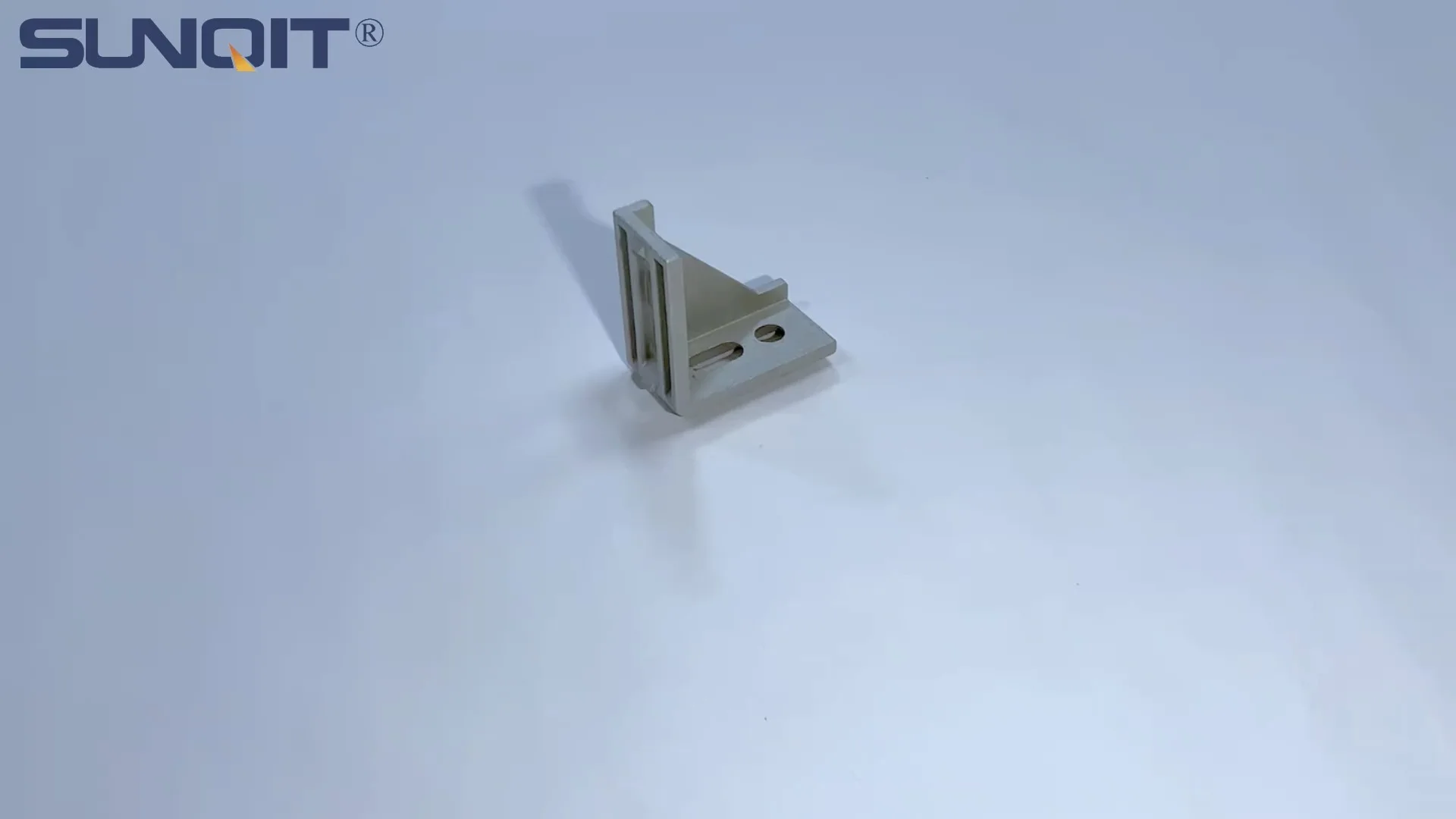
Walk into any busy manufacturing plant, warehouse, or workshop, and you'll likely spot them: sturdy, silver structures holding up shelves, framing workbenches, or supporting material racks. These unsung heroes are often made from 3060 aluminum angle yards—versatile, lightweight, and built to withstand the chaos of daily operations. But even the toughest materials need a little TLC. Whether your 3060 aluminum angle yards are part of a material rack b (3 row and 3 floor) , a production workbench, or a custom storage system, neglecting maintenance can turn a reliable asset into a wobbly liability. In this guide, we'll break down practical, actionable tips to keep your 3060 aluminum angle yards in top shape for years—because longevity isn't just about the material itself; it's about how well you care for it.
Understanding 3060 Aluminum Angle Yards: More Than Just Metal
Before diving into maintenance, let's get to know the star of the show. 3060 aluminum angle yards are part of the 3060 national standard profile a family—meaning they adhere to strict dimensional and quality guidelines, ensuring consistency and compatibility with other aluminum components. Made from extruded aluminum, they're prized for their strength-to-weight ratio: strong enough to support heavy loads (think stacks of raw materials or industrial tools) but light enough to be reconfigured or moved when needed.
What makes them so versatile? Their L-shaped design, which provides stability in both vertical and horizontal applications. You'll find them in everything from assembly line workbenches to shelving units, and even in mobile trolleys. But here's the catch: their durability relies on more than just the aluminum itself. They're often paired with aluminum profile accessories like joints, bolts, and end caps—small parts that play a huge role in keeping the structure intact. For example, 3060 aluminum profile end caps seal the ends of the angle yards, preventing dust, debris, and moisture from seeping in and causing damage over time. Ignore these details, and even the sturdiest angle yard will start to show signs of wear.
Why Maintenance Matters: The Cost of Cutting Corners
Let's talk about the elephant in the workshop: time. Between meeting production deadlines and troubleshooting urgent issues, scheduling maintenance can feel like just another task on an already overflowing to-do list. But skimping on care for your 3060 aluminum angle yards can cost you far more in the long run.
Consider this scenario: A small electronics manufacturer relies on a 3060 aluminum angle yard-based shelving unit to store delicate components. Over six months, dust and grime build up in the joints, and a few 3060 aluminum profile end caps go missing after a routine cleaning. Moisture from a leaky roof seeps into the exposed ends, causing tiny spots of corrosion. One day, during a busy shift, a shelf loaded with circuit boards wobbles and crashes to the floor—damaging inventory and halting production. The culprit? A corroded joint that could have been fixed with a 10-minute inspection.
On the flip side, a furniture workshop that schedules monthly check-ins on their 3060 angle yard workbenches reports zero major failures in three years. They tighten loose bolts, replace worn end caps, and wipe down surfaces regularly. The result? Fewer repairs, less downtime, and a workspace that feels safe and efficient. The lesson? Maintenance isn't an expense—it's an investment in reliability.

Tip 1: Regular Cleaning—Keep the Gunk at Bay
Dust, grease, oil, and even spilled chemicals are the enemies of aluminum. Over time, they can eat away at the protective oxide layer that keeps aluminum from corroding, or clog joints, making structures stiff or unstable. Cleaning your 3060 aluminum angle yards doesn't have to be a chore—just a consistent habit.
Daily Quick Cleans
Start small: At the end of each shift, grab a soft microfiber cloth and wipe down the surfaces of your angle yards. Focus on horizontal surfaces (like shelves or workbench edges) where dust and debris tend to settle. For greasy spots (common near machinery or tool stations), dampen the cloth with warm water and a drop of mild dish soap—avoid harsh chemicals like bleach or ammonia, which can strip the aluminum's finish.
Weekly Deep Dives
Once a week, take 15–20 minutes for a deeper clean. Use a soft-bristled brush (an old toothbrush works great) to dislodge dirt from tight spots: the crevices between angle yards and joints, around bolts, and especially under 3060 aluminum profile end caps . If end caps are loose, gently remove them, clean the inside of the aluminum tube with a cotton swab, then pop them back on snugly. This prevents dust from building up inside the tube, which can trap moisture and lead to corrosion later.
Seasonal Power Washing (With Caution)
For outdoor structures or particularly grimy indoor setups, a light power wash can work wonders—just keep the pressure low (under 1500 PSI) and hold the nozzle at least 12 inches away from the aluminum. High pressure can dent or scratch the surface. After washing, dry the angle yards thoroughly with a towel to prevent water spots, especially in humid climates.

Tip 2: Inspect Joints and Connections—The Glue That Holds It All Together
Your 3060 aluminum angle yards are only as strong as the connections holding them in place. Loose bolts, worn joints, or cracked aluminum can turn a stable structure into a safety hazard. Make joint inspections a monthly ritual—your future self (and your team) will thank you.
How to Inspect Like a Pro
Start by walking around the structure and giving it a gentle shake—yes, really. A stable angle yard setup should feel solid, with no noticeable wobbling. If it moves, track down the source: Is it a loose bolt? A cracked joint? Or a bent piece of aluminum?
Next, check each joint individually. Look for:
-
Loose hardware:
Use a wrench or screwdriver to tighten any bolts or screws that have worked their way loose. Pay extra attention to joints near areas with vibration (like near machinery), as these loosen faster.
-
Worn or cracked joints:
If you're using aluminum profile accessories like corner brackets or T-connectors, inspect them for cracks or deformation. replace any that look damaged—cheap, worn accessories can't support the weight they're meant to hold.
-
Exposed ends:
Missing
3060 aluminum profile end caps
are a red flag. Without them, dirt, moisture, and even pests (yes, we're talking about dust mites or tiny insects) can get inside the aluminum tube, causing internal corrosion. Keep a stash of spare end caps on hand and replace them immediately when they go missing.
When to replace vs. Repair
Not all damage is fixable. If you notice a bend in the aluminum angle yard itself (common after a heavy impact, like a dropped pallet), or a crack that runs along the length of the metal, it's time to replace the piece. Bent aluminum weakens the structure, and cracks can spread under load. For minor issues—like a loose bolt or a worn joint—repairing is usually sufficient.

Tip 3: Protect Against Corrosion—Aluminum's Silent Foe
Aluminum is naturally resistant to corrosion, thanks to its thin oxide layer that forms when it's exposed to air. But this layer isn't invincible. In humid environments, near saltwater, or around chemicals (like oils, acids, or cleaning agents), aluminum can still develop "white rust"—a powdery, chalky substance that weakens the metal over time. Here's how to fight back.
Spot the Signs Early
White rust is easy to miss at first—it starts as tiny white spots on the surface of the aluminum. Left unchecked, it can spread, turning into larger patches that flake off, exposing fresh metal to more corrosion. Check for white rust during your weekly inspections, especially in damp areas (like basements or near sprinklers) or around spill-prone zones (like chemical storage areas).
Treat Rust Fast
If you spot white rust, act quickly. Mix equal parts white vinegar and water in a spray bottle, spritz the affected area, and let it sit for 5–10 minutes. Scrub gently with a soft cloth or brush, then rinse thoroughly and dry. For stubborn spots, use a specialized aluminum cleaner (available at hardware stores)—just follow the manufacturer's instructions.
Add a Protective Layer
For extra protection, especially in high-moisture environments, apply a thin coat of clear acrylic sealant to your 3060 aluminum angle yards. Choose a water-based sealant (it's easier to apply and dries clear) and use a foam brush to cover all surfaces, including joints and under 3060 aluminum profile end caps . Reapply every 6–12 months, or whenever the sealant starts to look dull or patchy.
Tip 4: Watch the Weight—Don't Overload
3060 aluminum angle yards are strong, but they're not indestructible. Each piece is designed to support a specific weight load, based on its thickness, length, and how it's anchored. Overloading can bend or warp the aluminum, or strain joints to the point of failure. The good news? Avoiding overload is simple—just know your limits.
Check the Specs
When you first installed your 3060 angle yards (or if you inherited them from a previous team), track down the manufacturer's specs. Most suppliers provide load ratings for their 3060 national standard profile a products—for example, a 1-meter length of 3060 angle yard might safely support 50kg when mounted horizontally. Post these ratings near the structure (a small label works) as a reminder for everyone on the team.
Distribute Weight Evenly
Weight distribution matters as much as total load. Piling all your heaviest items on one end of a shelf can cause the angle yard to bow in the middle. Instead, spread weight evenly across the structure. For example, in a material rack b (3 row and 3 floor) , alternate heavy boxes with lighter ones on each shelf, and avoid stacking items taller than the shelf sides (they can topple and strain the rack).
Reinforce When Needed
If you regularly need to store heavier items than your angle yards can handle, don't risk it—add reinforcement. Install additional angle yards as cross-braces, or use thicker aluminum profile accessories like heavy-duty corner brackets. For example, adding a vertical support in the middle of a long horizontal angle yard can double its load capacity.
Troubleshooting Common Issues: A Quick Reference
Even with the best maintenance, problems can pop up. Use this table to diagnose and fix common 3060 aluminum angle yard issues fast:
| Issue | Probable Cause | Solution |
|---|---|---|
| Wobbly structure | Loose bolts or worn joints | Tighten bolts with a wrench; replace cracked/worn joints with new aluminum profile accessories. |
| White powdery spots (white rust) | Moisture trapped in joints or exposed ends | Clean with vinegar solution; dry thoroughly; replace missing 3060 aluminum profile end caps; apply sealant. |
| Bent or bowed angle yard | Overloading or impact damage | replace the bent piece; reinforce surrounding structure with cross-braces; reduce load on the shelf. |
| Stiff or stuck joints | Dirt or corrosion in joint mechanisms | Disassemble joint, clean with brush and soapy water; apply a drop of silicone lubricant (avoid oil-based lubes, which attract dust). |
| Loose or missing end caps | Vibration or accidental knock-off | replace with new 3060 aluminum profile end caps; tap gently with a rubber mallet to ensure a snug fit. |
Final Thoughts: Longevity Starts with Consistency
Maintaining 3060 aluminum angle yards isn't about grand gestures—it's about small, regular actions: wiping down surfaces, checking bolts, replacing a missing 3060 aluminum profile end cap , or noticing a tiny rust spot before it spreads. These steps add up to a workspace that's safer, more efficient, and built to last.
Think of it this way: Your 3060 aluminum angle yards work hard for you every day. They hold the tools that build products, the materials that keep lines running, and the shelves that keep chaos organized. A little care in return? That's the least they deserve. So grab your cloth, your wrench, and your bottle of vinegar—and let's keep those angle yards standing strong for years to come.