- Company Articles
- Products and Technology
- Installation And Maintenance
- Maintenance Best Practices for All Direction Roller Track Longevity

Maintenance Best Practices for All Direction Roller Track Longevity
Related Product
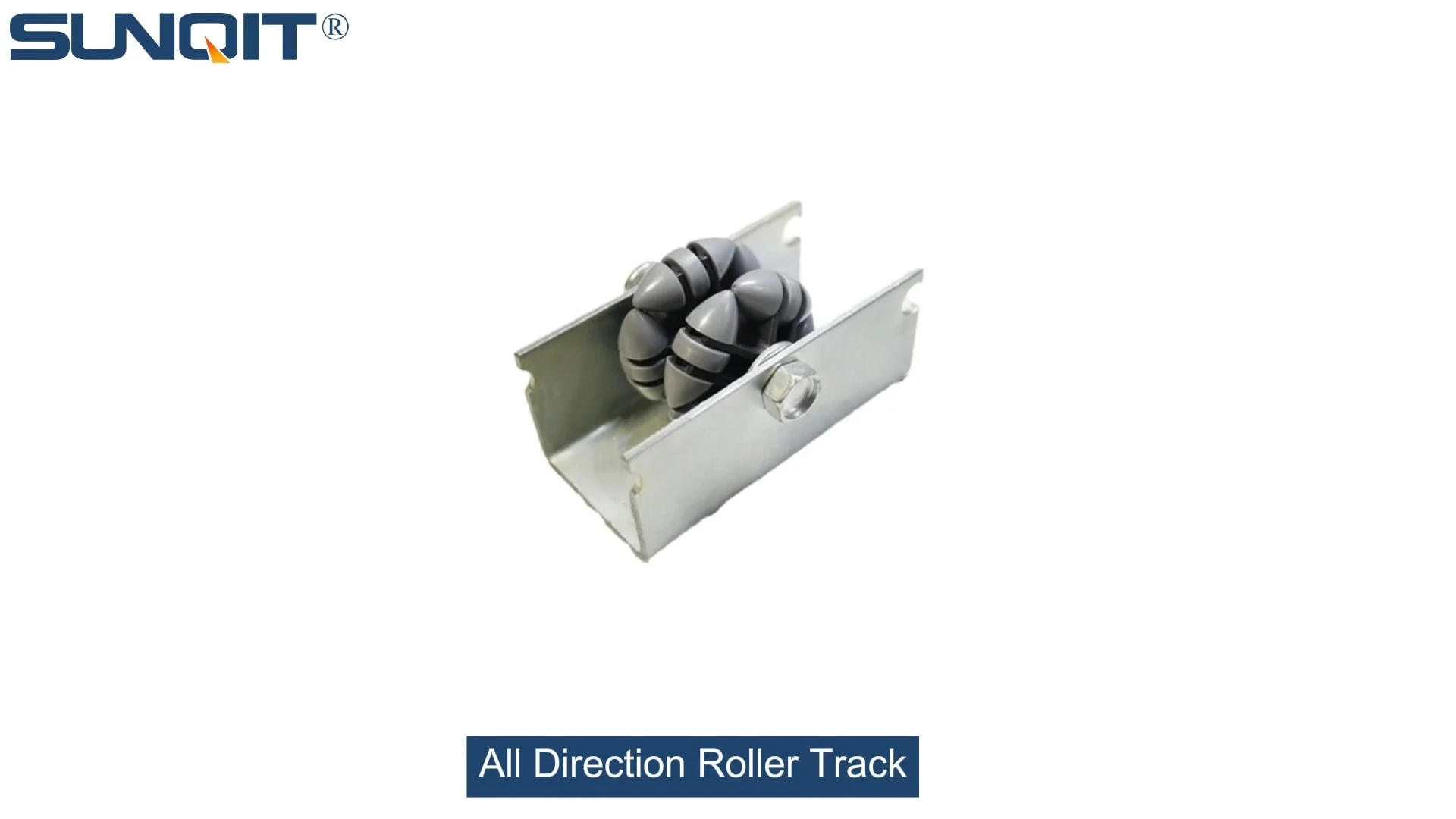
All Direction Roller Track
All direction roller track made of steel frame and multiple direction move wheel which will make boxes are always in contact with the rollers, reducing jams and enhancing flow reliability.
Keeping your material handling systems running smoothly isn't just about fixing problems—it's about building reliability into every shift. For manufacturing floors, warehouses, and assembly lines that rely on all direction roller tracks, proper maintenance isn't an afterthought; it's the backbone of consistent productivity. Let's walk through practical, actionable steps to extend the life of your roller tracks, reduce downtime, and keep your operations aligned with lean principles.
Why Roller Track Maintenance Matters More Than You Think
Imagine a busy 3C electronics assembly line: circuit boards glide along all direction roller tracks, moving from soldering stations to quality checks. A single stuck roller or misaligned guide rail can disrupt the entire flow—delaying orders, increasing labor costs, and creating bottlenecks that ripple through your workflow. In medical device manufacturing, where precision is non-negotiable, a worn roller track could even compromise product safety.
But the impact goes beyond daily disruptions. Well-maintained roller tracks align with the "sustainable improvement" core of lean systems. When your equipment lasts longer, you reduce waste from frequent replacements. When movements stay smooth, you cut energy use and minimize wear on connected machinery like conveyors and workbenches. Simply put, maintenance isn't just about saving money—it's about honoring the lean promise of efficiency and sustainability.
Daily Maintenance: Small Habits, Big Results
You don't need fancy tools or specialized training to start protecting your roller tracks. These five daily tasks take less than 15 minutes per track but prevent 80% of common issues:
| Task | How to Do It | Why It Matters |
|---|---|---|
| Visual Inspection | Walk the length of the track, checking for debris (dust, loose screws, packaging scraps) and visible damage (cracked rollers, bent frames). | Debris causes friction; even a small plastic chip can jam a roller over time. |
| Cleaning | Use a soft-bristle brush or compressed air to remove dust from roller bearings and guide rails. For sticky residues (like adhesive from labels), wipe with a damp cloth and mild detergent. | Buildup on rollers increases drag, forcing motors to work harder and shortening their lifespan. |
| Load Check | Ensure loads match the track's weight rating. A 40 steel roller track with yellow wheels, for example, isn't designed for the same weight as an 85 staggered steel roller track. | Overloading bends frames and wears bearings unevenly—common culprits behind "sudden" failures. |
| Noise Monitoring | Listen for unusual sounds: squeaking, grinding, or rattling often signal loose roller track connectors or worn bearings. | Noise is an early warning system. Catching it early avoids costly repairs later. |
| Immediate Fixes | Tighten loose roller track placon mount brackets or replace missing end caps. Keep a small toolkit with hex keys, wrenches, and spare plastic roller track guide rails (yellow or grey) nearby for quick adjustments. | Small issues compound fast. A loose bracket today can lead to a bent rail by the end of the week. |

Weekly Deep Dive: Going Beyond the Basics
Daily checks keep things running, but weekly inspections help you spot trends before they become problems. Set aside 30–45 minutes each week to focus on these critical areas:
Roller & Bearing Health
- Spin Test: Gently spin each roller. It should rotate smoothly without wobbling or stopping abruptly. If a roller sticks, remove it, clean the bearing with lubricant (avoid over-greasing—excess attracts dust), and reinsert. replace rollers that still resist movement.
- Bearing Play: Grasp a roller with two fingers and try to wiggle it side to side. Minimal movement is normal, but if there's noticeable "play," the bearing is worn and needs replacement. This is especially critical for stainless steel swivel roller balls (1 inch or 0.5 inch) used in precision applications like medical device assembly.
Frame & Alignment
- Level Check: Use a spirit level to ensure the track is flat (horizontal) and aligned with connected conveyors. A misaligned track causes uneven wear—for example, the left side of rollers will wear faster than the right.
- Joint Integrity: Inspect roller track placon mount connectors and aluminum guide rail joints. Look for cracks in plastic components or rust on steel parts (common in humid warehouse environments). Tighten bolts on 90° aluminum crossing joints and replace any bent or damaged brackets immediately.
Accessory Wear
- Guide Rails: Check plastic roller track guide rails (yellow or grey) for chips or cracks, especially at entry/exit points where loads often bump against them. Damaged rails can derail products or scratch sensitive materials like circuit boards.
- End Supports: Ensure end support for roller track placon mount with stop (or with wheel) are secure. Loose end supports can cause the track to shift, leading to product jams at transfer points.

Monthly Maintenance: Proactive Care for Longevity
Monthly maintenance is where you invest in long-term durability. These tasks take a bit more time but pay off in years of reliable service:
Lubrication: The Lifeline of Moving Parts
Not all lubricants are created equal. For steel roller tracks, use a light machine oil (ISO VG 32) on bearings—apply 2–3 drops per bearing, then spin the roller to distribute evenly. For aluminum roller tracks (like 38 aluminum roller track black ESD), avoid oil-based lubricants that can damage ESD coatings; instead, use a dry PTFE spray. Pro tip: Over-lubricating attracts dust, so less is more!
Tightness Audit
Walk the entire track and tighten all fasteners: roller track placon mount for aluminum profile high, castor installation bases, and bracket connections. Vibration from daily use loosens bolts over time—this simple step prevents catastrophic failures. For tracks in high-vibration areas (near stamping machines, for example), use thread-locking fluid on critical bolts.
Load Distribution Test
Place a standard load (matching your typical daily use) on the track and observe its movement. Does it drift to one side? That could mean uneven wear on rollers or a misaligned frame. Use shims under adjustable leveling feet to correct minor unevenness, or contact your roller track supplier for guidance on major alignment issues.
ESD System Check (For ESD Workstations)
If your roller track is part of an ESD workstation (common in electronics manufacturing), test continuity weekly with an ESD meter. Clean ESD-safe components with isopropyl alcohol to remove static-attracting dust, and replace worn ESD wheels (like 40 steel roller track black ESD wheels) immediately—damaged ESD protection puts sensitive electronics at risk.

Troubleshooting Common Roller Track Issues
Even with perfect maintenance, problems happen. Here's how to diagnose and fix the most common issues quickly:
| Problem | Likely Cause | Solution |
|---|---|---|
| Products get stuck mid-track | Debris in bearings, misaligned guide rails, or worn rollers | Clean bearings, realign rails with a straightedge, replace rollers with visible wear |
| Uneven product movement (side-to-side drift) | Track frame is bent or leveling feet are uneven | Adjust leveling feet, use a laser level to realign frame; replace bent sections if needed |
| Loud grinding during operation | Dry bearings or damaged roller track joint | Lubricate bearings; inspect joints for cracks and replace if damaged |
| ESD failures (static discharge damage) | Worn ESD wheels or broken ground connections | replace ESD wheels, check ground wires for corrosion, clean ESD surfaces |
| Plastic guide rails cracking | Overloading, impact damage, or UV exposure (for tracks near windows) | replace with heavy-duty plastic rails (grey often has higher impact resistance than yellow); add protective end caps at transfer points |
Long-Term Care: Building a Maintenance Culture
Great maintenance isn't just a checklist—it's a habit. Here's how to make it stick:
Train Your Team
Operators who use the roller tracks daily are your first line of defense. Teach them to spot early warning signs: "If the track sounds different today, stop and check." Hold 10-minute monthly huddles to review common issues and celebrate small wins (like a week without jams).
Stock Smart Spare Parts
Keep a small inventory of critical roller track accessories: spare rollers (matching your track type, like 40 steel roller track white wheel), guide rails, and roller track placon mount connectors. Partner with a reliable roller track supplier to ensure fast delivery of less common parts—waiting weeks for a replacement bracket can derail lean goals.
Document & Improve
Keep a maintenance log: note when you lubricate, replace parts, or adjust alignment. Over time, patterns will emerge—maybe your 60 steel roller track green wheels wear faster on Monday mornings (due to weekend humidity). Use these insights to tweak your schedule and prevent issues before they start.
Final Thoughts: Maintenance as a Lean Investment
At the end of the day, maintaining all direction roller tracks isn't just about equipment—it's about respecting the people who rely on that equipment to do their jobs well. When the track runs smoothly, operators focus on quality, not fixing jams. When downtime drops, teams hit targets with less stress. And when your roller tracks last 5+ years instead of 2, you free up budget for the innovations that truly move your business forward.
Remember: lean systems thrive on consistency. By making maintenance a priority, you're not just extending the life of your roller tracks—you're building a foundation for sustainable success. Now go out there, grab that checklist, and keep those rollers rolling!