- Company Articles
- Products and Technology
- Installation And Maintenance
- Maintenance Best Practices for End Support for Roller Track Placon Mount with Stop

Maintenance Best Practices for End Support for Roller Track Placon Mount with Stop
Related Product
End Support for Roller Track Placon Mount with Stop
Roller track placon mount work as a connector for roller track and pipe or aluminum profile in rack syetem, it is a necessary parts in rack system which widely used in industrial plant and logistic,warehouse storage.
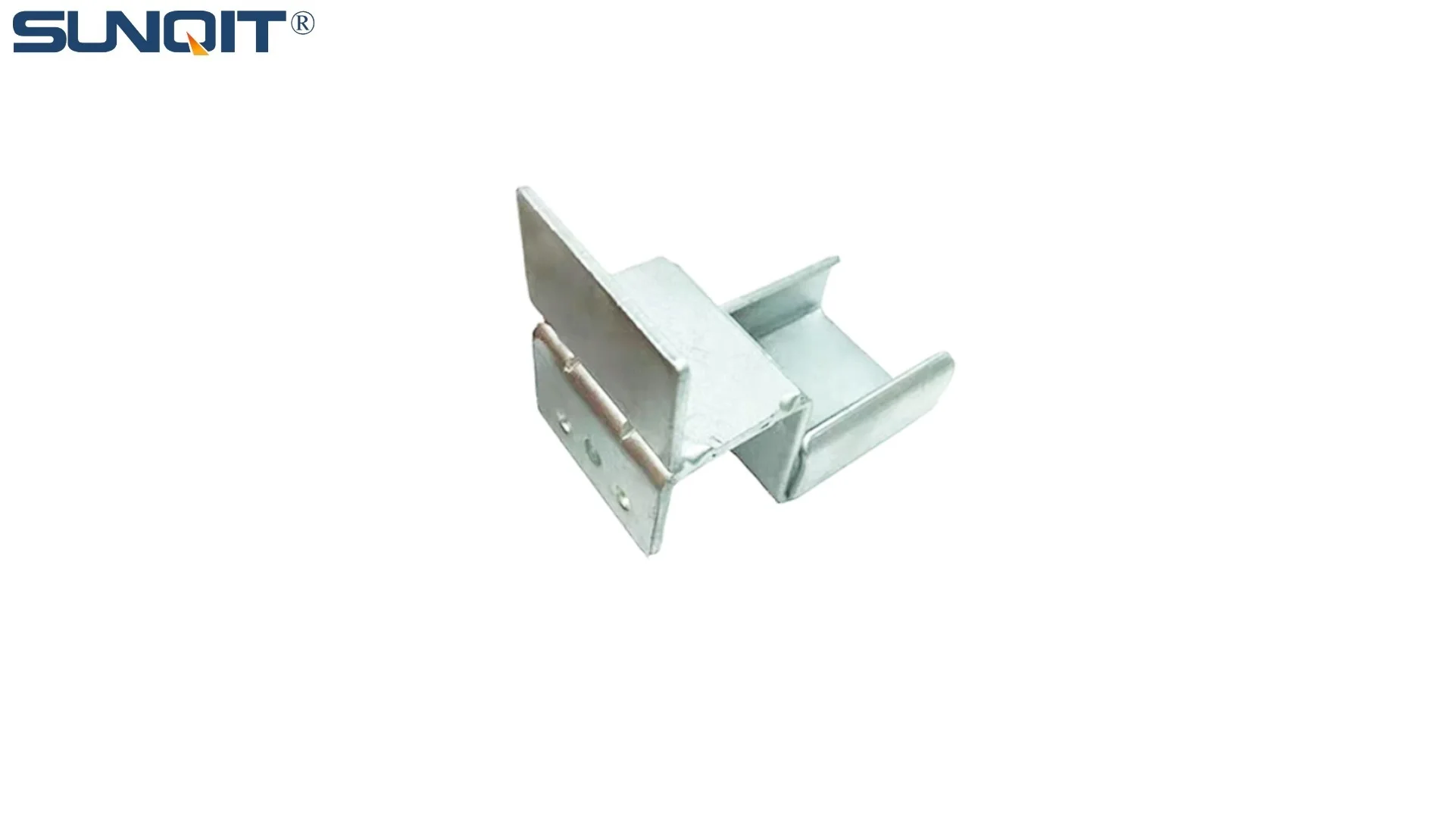
If you're running a warehouse, production line, or any operation that relies on smooth material flow, you know the heartbeat of your system lies in the small, often overlooked components. One such workhorse? The end support for roller track placon mount with stop. This unassuming part plays a critical role in keeping your roller track stable, your materials moving in the right direction, and your entire workflow—whether it's part of a lean system, conveyor setup, or flow rack—running like a well-oiled machine. Let's dive into how to keep this essential component (and by extension, your entire operation) in top shape.
Why This End Support Matters More Than You Think
First, let's get clear on what this part actually does. The end support for roller track placon mount with stop is the unsung hero that anchors the end of your roller track. It keeps the track aligned, prevents sagging under heavy loads, and that "stop" feature? It ensures materials don't slide off the end unexpectedly—saving you from damaged goods, delays, or even safety hazards. Think of it as the goalie of your roller track system: quiet, reliable, and always ready to block problems before they start.
In lean manufacturing setups, where efficiency and waste reduction are king, a faulty end support can throw off your entire process. Imagine a 3C assembly line where a loose end support causes a roller track to wobble—suddenly, circuit boards jam, workers waste time fixing the issue, and your "just-in-time" production schedule takes a hit. Or in a medical device warehouse, where precision is non-negotiable: a misaligned stop could lead to fragile components sliding off, risking contamination or damage. Simply put, maintaining this part isn't just about upkeep—it's about protecting your productivity, your products, and your team's hard work.
Daily Inspection: Catch Issues Before They Escalate
The key to keeping your end support (and roller track) in great shape is consistency. A quick daily check takes just 5 minutes and can save you hours of downtime later. Here's what to look for:
| Check Item | What to Look For | Why It Matters |
|---|---|---|
| Physical Damage | Cracks, bends, or dents in the support bracket or stop plate | Damage weakens structural integrity—heavy loads could cause collapse |
| Loose Fasteners | Wobbly screws, bolts, or connections to the aluminum profile | Loose parts lead to misalignment, noise, and eventual failure |
| Stop Functionality | Does the stop plate spring back properly? Is it aligned with the track? | A stuck or misaligned stop means materials might slide off or jam |
| Debris Buildup | Dust, dirt, or small parts caught between the support and track | Debris causes friction, slowing movement and wearing down components |
Pro tip: Make this a part of your team's daily startup routine. Assign a quick "end support check" to the first operator on shift—they'll get to know the normal look and feel of the part, making it easier to spot anomalies.

Step-by-Step Cleaning: Keep It Smooth and Debris-Free
Even with daily checks, dirt and grime will build up over time—especially in busy environments like manufacturing floors or warehouses. A monthly deep clean will keep your end support (and the surrounding roller track accessories) working smoothly. Here's how to do it right:
- Gather your tools: A soft-bristle brush (to avoid scratching aluminum surfaces), a lint-free cloth, mild soap (dish soap works), and warm water. Avoid harsh chemicals—they can damage the finish on aluminum profiles or the stop's mechanism.
- Power down (if needed): If the roller track is part of a powered conveyor system, turn off the power to avoid accidental movement during cleaning.
- Brush away loose debris: Use the soft brush to sweep away dust, dirt, or small particles from the end support bracket, the stop plate, and the connection points to the roller track and aluminum profile.
- Wipe with soapy water: Dampen the cloth with warm, soapy water and gently wipe the entire surface of the end support. Pay extra attention to crevices where debris likes to hide—like where the stop plate hinges or where the support meets the track.
- Rinse and dry: Wipe the support with a clean, damp cloth to remove soap residue, then dry thoroughly with a lint-free towel. Moisture left on metal parts can lead to rust, especially in humid environments.
- Check for wear: While cleaning, take a close look at the stop plate's contact surface. If it's showing signs of heavy wear (like scratches or dents), it might need to be replaced soon—more on that later.
Pro Cleaning Hack: For hard-to-reach spots (like the area where the end support connects to the aluminum profile), use a cotton swab dipped in soapy water. It's small enough to get into tight spaces without damaging components.

Lubrication: Keep the Stop Moving (and Quiet)
The stop mechanism on your end support relies on smooth movement to do its job. Over time, friction can make it sticky or noisy—imagine a stop that doesn't snap back into place, causing materials to pile up. A little lubrication goes a long way here, but you've got to use the right product and apply it correctly.
What to use: Stick with lightweight, non-dusty lubricants like silicone spray or white lithium grease. Avoid heavy oils—they attract dirt, which can gum up the mechanism. If your end support is used in a clean environment (like a medical device assembly area), check if food-grade or low-VOC lubricants are required to meet industry standards.
How to apply:
- First, clean the hinge or pivot point of the stop plate (you did this in the cleaning step, right?). Dirt mixed with lubricant is just a messy, abrasive paste—yuck.
- Apply a small amount of lubricant directly to the hinge. A single spray or a pea-sized dab of grease is enough—more isn't better here.
- Move the stop plate back and forth a few times to work the lubricant into the mechanism. You should feel it move more smoothly and quietly immediately.
- Wipe away any excess lubricant with a clean cloth to prevent dust buildup.
Frequency: Lubricate every 2–3 months under normal use. If your facility is dusty, humid, or the roller track is used heavily (multiple shifts), step it up to monthly. Keep a log of when you lubricate—consistency is key!

Tightening and Alignment: Keep It Straight and Secure
Vibration is the enemy of any mechanical component—and roller tracks vibrate. Over time, the screws or bolts holding your end support to the roller track or aluminum profile will loosen. If left unchecked, this can lead to misalignment, wobbling, or even the end support detaching entirely. A quarterly tightening session will keep everything secure.
Tools you'll need: The right size screwdriver or wrench (check the fasteners first—most use hex screws or Phillips heads), and a torque wrench if your system has specific torque requirements (common in precision setups like electronics manufacturing).
Steps to tighten and align:
- Check all fasteners: Go through each screw or bolt connecting the end support to the roller track and the aluminum profile. Tighten any that feel loose—turn them clockwise until snug, but don't over-tighten (you could strip the threads or warp the aluminum profile).
- Verify alignment: Stand back and look at the roller track. It should be straight, with the end support perpendicular to the track. If the track is sagging or the end support is tilted, gently adjust it while tightening the fasteners. A level tool can help here—place it on top of the roller track to ensure it's even.
- Test the stop: After tightening, give the stop plate a gentle push. It should spring back quickly and firmly. If it's slow or sticks, double-check the alignment—the stop might be rubbing against the roller track, causing friction.
- Inspect neighboring components: While you're at it, check the roller track itself. Are the rollers spinning freely? Is the track properly aligned with adjacent sections? A misaligned track can put extra stress on the end support, so fixing those issues now will save you trouble later.
Troubleshooting Common Issues (and How to Fix Them Fast)
Even with great maintenance, problems can pop up. Here are the most common issues with end supports for roller track placon mount with stop, and how to solve them quickly:
| Problem | What's Likely Causing It | Quick Fix |
|---|---|---|
| Stop plate doesn't spring back | Dirty or dry hinge mechanism; bent hinge pin | Clean and lubricate the hinge. If it still sticks, inspect the hinge pin—if bent, replace the end support. |
| End support wobbles when touched | Loose fasteners; damaged connection to aluminum profile | Tighten all screws/bolts. If wobbling continues, check if the aluminum profile is bent—replace the profile if needed. |
| Materials slide past the stop | Stop plate is worn, bent, or misaligned; stop height is too low | Adjust the stop plate alignment. If worn, replace the stop plate or entire end support. Ensure the stop height matches the height of your materials. |
| Creaking or grinding noise | Dry hinge; loose fasteners; misaligned track | Lubricate the hinge, tighten fasteners, and realign the track. If noise persists, check for damaged rollers in the track. |
| Rust on the end support | Exposure to moisture; lack of proper drying after cleaning | Light rust: Scrub with a wire brush, then apply a rust-inhibiting spray. Heavy rust: replace the end support—rust weakens structural integrity. |
Remember: If you're unsure about a fix, or if the problem keeps coming back, don't hesitate to reach out to your roller track supplier. They can help diagnose issues and recommend replacement parts (like a new end support or stop plate) that are compatible with your system.
Preventive Maintenance: Plan for Longevity
Lean manufacturing isn't just about fixing problems—it's about preventing them. A proactive preventive maintenance plan will extend the life of your end support (and your entire roller track system) and keep unexpected downtime to a minimum. Here's how to build one:
- Daily: 5-minute visual inspection (as outlined earlier).
- Weekly: Test the stop functionality with a sample material (use a box or part similar to what normally runs on the track) to ensure it stops reliably.
- Monthly: Clean the end support and lubricate the stop mechanism.
- Quarterly: Tighten fasteners, check alignment, and inspect for wear (like worn stop plates or bent brackets).
- Annually: Evaluate the end support's overall condition. If it's been in use for 3+ years, or shows signs of heavy wear (even with good maintenance), consider replacing it proactively. This is where the "sustainable improvement" part of lean comes in—investing in a new end support now is cheaper than dealing with a breakdown during a busy production run.
Keep a maintenance log (digital or paper) to track when tasks are done, issues found, and parts replaced. Over time, this log will help you spot patterns—like if end supports in a certain area wear out faster, you might need to adjust cleaning frequency or check for excessive vibration in that zone.
Safety First: Protect Your Team During Maintenance
Last but never least: safety. Maintenance work, even on small components like end supports, can pose risks if not done carefully. Always follow these guidelines:
- Power down powered systems: If the roller track is part of a powered conveyor, lock out/tag out the power source before starting any work. Never assume the system is off—verify with a test run (if safe) before beginning.
- Wear PPE: Safety glasses to protect against flying debris, gloves to prevent cuts from metal edges, and non-slip shoes to avoid falls—especially if the floor is wet from cleaning.
- Use the right tools: A loose or ill-fitting screwdriver can slip and cause injury. Invest in quality tools, and replace any that are worn or damaged.
- Don't rush: Maintenance is not a race. Take your time to ensure each step is done correctly—rushing leads to mistakes, which can lead to accidents.
- Train your team: Make sure everyone who performs maintenance on the end support knows these best practices. A quick 15-minute training session can prevent costly errors.
Wrapping Up: Your End Support, Your Success
At the end of the day, maintaining your end support for roller track placon mount with stop is about more than just keeping a part in good shape. It's about honoring the lean principles that drive your operation—eliminating waste, improving efficiency, and building a system that can adapt and thrive. When this small but critical component is well-cared for, your roller track runs smoothly, your materials flow without hiccups, and your team can focus on what they do best: creating quality products and delivering value.
So, grab your brush, your lubricant, and your maintenance log—and give your end support the attention it deserves. Your future self (and your production schedule) will thank you.