- Company Articles
- Products and Technology
- Installation And Maintenance
- Maintenance Checklist for Flat Rigid Castor Wheels in High-Traffic Warehouses

Maintenance Checklist for Flat Rigid Castor Wheels in High-Traffic Warehouses
Related Product
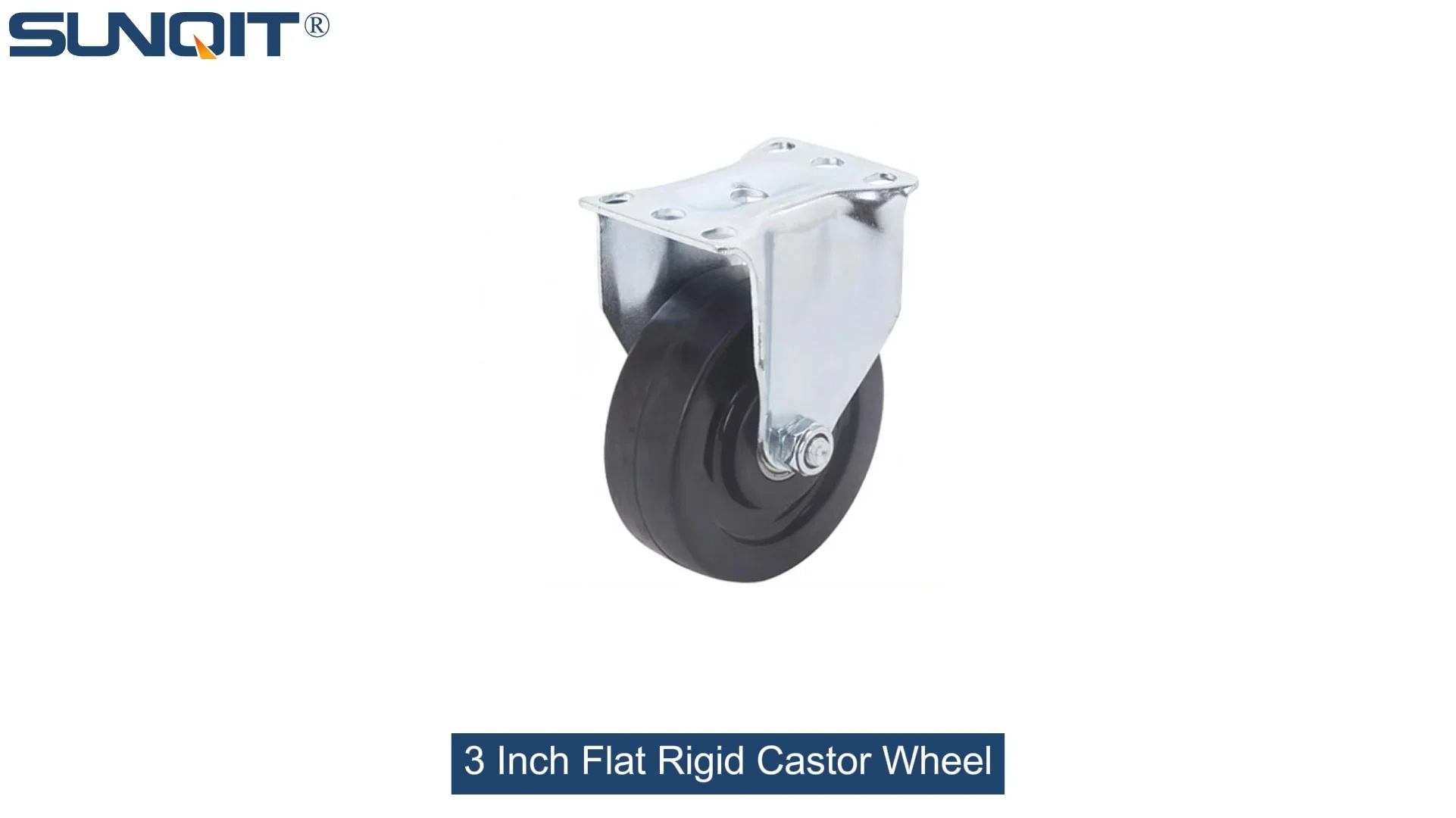
Flat Rigid Castor Wheel
Chair Casters Ball Bearing Wheels Rubber Base. Resistant to abrasion, impact and corrosion. Heavy payload can hold 70Kgs per pcs,which can make it works at a stable and smooth status.
Why Flat Rigid Castor Wheels Matter in High-Traffic Warehouses
In the bustling world of high-traffic warehouses, where every minute counts and efficiency is king, there's a silent workhorse that often goes unnoticed: the flat rigid castor wheel . These unassuming components are the backbone of material handling, quietly supporting everything from loaded turnover trolley and rack units to mobile workbenches. Yet, despite their critical role, they're frequently overlooked until something goes wrong.
Picture this: It's a peak morning shift, and your team is racing to restock shelves before the day's orders start rolling in. A worker grabs a turnover trolley stacked with inventory, but as they push, it jerks to the side—one of the flat rigid castor wheels is stuck, caked in debris. What should've been a 2-minute trip across the warehouse turns into a 10-minute struggle, delaying not just that task but the entire line of operations downstream. Multiply that by a handful of trolleys or a workbench with faulty castors, and suddenly you're looking at hours of lost productivity.
But the stakes go beyond delays. A worn or damaged flat rigid castor wheel can compromise safety, too. A wobbly trolley might tip, risking injury to workers or damage to goods. Loose caster accessories like axles or bearings can create tripping hazards, turning a routine shift into a liability nightmare. In high-traffic environments, where floors are constantly busy with foot traffic and machinery, these small issues can escalate quickly.
The good news? With a proactive maintenance routine, you can keep your flat rigid castor wheels rolling smoothly, avoid costly downtime, and ensure your warehouse stays safe and efficient. This guide will walk you through a comprehensive checklist tailored to the unique demands of high-traffic settings, so you can keep those unsung heroes—your castor wheels—in top shape.
Understanding Flat Rigid Castor Wheels: Basics and Common Issues
What Are Flat Rigid Castor Wheels?
Flat rigid castor wheels are fixed-direction wheels mounted on a rigid bracket, meaning they don't swivel like their swivel counterparts. Their "flat" design refers to the wheel's tread, which is typically broad and stable, making them ideal for heavy loads and smooth surfaces—think concrete or warehouse flooring. Unlike swivel castors, which allow for 360° movement, rigid castors keep equipment moving in a straight line, making them perfect for turnover trolley and rack units that follow fixed paths, or workbenches that stay in one spot but need occasional repositioning.
Key Components to Know
To maintain flat rigid castor wheels effectively, it helps to know their parts. Here's a breakdown of the essentials:
- Wheel Tread: The outer surface that touches the floor. Made from materials like rubber, polyurethane, or nylon, depending on load capacity and floor type.
- Bracket: The metal frame that attaches the wheel to the equipment (e.g., a turnover trolley or workbench).
- Axle: The rod that connects the wheel to the bracket, allowing it to spin.
- Bearings: Small metal components inside the wheel that reduce friction, letting the wheel spin smoothly. These are critical caster accessories —without them, movement becomes stiff or noisy.
- Axle Nut/Cotter Pin: Fasteners that secure the axle to the bracket, preventing the wheel from wobbling or falling off.
Common Problems in High-Traffic Environments
High-traffic warehouses are tough on equipment, and flat rigid castor wheels take a beating. Here are the most frequent issues to watch for:
Debris Buildup: Dust, dirt, and small debris (like loose screws or packaging tape) get trapped between the wheel and bracket, jamming movement. In warehouses with constant foot traffic, this is almost inevitable.
Worn Bearings: Bearings wear down over time from friction, especially under heavy loads. When they fail, the wheel stops spinning smoothly, causing squeaking or sticking.
Loose Axles or Nuts: The constant vibration of a busy warehouse can loosen axle nuts or cotter pins, leading to wobbly wheels or even wheels detaching from the bracket.
Damaged Treads: Cracks, tears, or uneven wear on the wheel tread can make movement unstable, increase rolling resistance, or scratch floors.
Rust or Corrosion: If your warehouse is humid or handles damp goods, metal components like brackets or axles can rust, seizing up the wheel or weakening the structure.

The Ultimate Maintenance Checklist for Flat Rigid Castor Wheels
High-traffic warehouses demand a maintenance schedule that's both consistent and thorough. Below is a tiered checklist, organized by frequency, to keep your flat rigid castor wheels in peak condition.
| Frequency | Tasks | Tools Needed | Key Notes |
|---|---|---|---|
| Daily | Visual inspection for debris, loose parts, or damage; quick debris removal | Gloves, stiff brush, rag | Focus on high-use equipment like turnover trolleys and workbenches |
| Weekly | Deep cleaning, lubrication of moving parts, tightness checks for nuts/axles | Degreaser, lubricant (lithium-based grease), wrench set, rag | Lubricate bearings and axles to reduce friction; avoid over-lubricating (attracts dust) |
| Monthly | Tread wear assessment, bearing condition check, alignment inspection | Tread depth gauge (optional), flashlight, feeler gauge | replace wheels with >50% tread wear; check for bearing "play" (excess movement) |
| Quarterly | Full component review, replacement of worn caster accessories, floor condition check | Screwdriver, pliers, replacement parts (bearings, axles, nuts) | Inspect brackets for cracks; repair or replace bent/damaged components |
Daily Checks: Quick Wins for Busy Shifts
Daily checks are all about catching small issues before they snowball. Spend 5–10 minutes per piece of equipment (focusing on high-priority items like heavily used turnover trolleys or workbenches) to:
- Inspect for Debris: Kneel down and look between the wheel and bracket. Dust, dirt, or small objects (like plastic wrap or wood chips) often get trapped here. Use a stiff brush or gloved hand to sweep them away—even a tiny pebble can cause a wheel to stick.
- Check for Loose Parts: Give the wheel a gentle shake. If it wobbles or shifts, the axle nut or cotter pin might be loose. Tighten it on the spot with a wrench if you have one handy, or flag it for weekly maintenance.
- Spot Visible Damage: Look for cracks in the wheel tread, bent brackets, or rust. If a wheel is visibly cracked or the bracket is bent, remove the equipment from use immediately—safety first.
Weekly Maintenance: Deep Cleaning and Lubrication
Weekly tasks dive deeper to prevent wear and tear. Set aside 30–60 minutes (depending on how many castor wheels you have) to:
- Deep Clean: Spray a mild degreaser (avoid harsh chemicals that damage rubber treads) on the wheel and bracket. Wipe with a rag to remove built-up grime. For stubborn debris, use a toothbrush to scrub crevices around the axle and bearings.
- Lubricate Moving Parts: Apply a lithium-based grease (water-resistant and durable for warehouse conditions) to the axle and bearings. Use a grease gun for precision, applying just enough to coat the surfaces—over-lubricating attracts dust, which can gum up the works. Spin the wheel a few times to distribute the grease evenly.
- Tighten Caster Accessories: Use a wrench to check axle nuts, bracket bolts, and any other fasteners. In high-traffic environments, vibration can loosen these over time, so snug them up—but don't overtighten, as this can strip threads or damage bearings.
Monthly Deep Dive: Assessing Wear and Tear
Monthly checks help you plan for replacements and avoid sudden failures. Allocate 1–2 hours to:
- Check Tread Wear: Measure tread depth with a gauge or simply compare to a new wheel. If the tread is less than 50% of its original thickness, or if there are deep cracks or uneven wear (common in high-traffic areas with uneven floors), it's time to replace the wheel.
- Inspect Bearings: Spin the wheel by hand. It should turn smoothly with minimal resistance. If it grinds, squeaks, or feels "rough," the bearings are worn and need replacement. You can also check for "play" by gently rocking the wheel side to side—excess movement means bearings are loose or damaged.
- Align Brackets: Ensure the bracket is straight and perpendicular to the floor. A bent bracket (often caused by hitting curbs or heavy impacts) will cause uneven wear on the wheel and make movement harder. Use a level to check alignment, and gently bend back into place if needed (or replace if bent beyond repair).
Quarterly Overhaul: Long-Term Care
Quarterly maintenance is about longevity. Take a few hours to:
- Review All Components: Disassemble one wheel per trolley/workbench (rotating through equipment each quarter) to inspect internal parts. Look for rust on axles, cracks in brackets, or worn caster accessories like washers or cotter pins. replace any parts showing signs of fatigue.
- Check Floor Conditions: Uneven or damaged floors are a leading cause of castor wheel wear. Walk the warehouse and note cracks, potholes, or uneven seams. Repairing these not only extends castor life but also improves overall safety.
- update Inventory of Spare Parts: High-traffic warehouses go through caster accessories quickly. Take stock of spare wheels, bearings, axles, and nuts, and reorder as needed. There's nothing worse than a breakdown with no replacement parts on hand.

Troubleshooting Common Flat Rigid Castor Wheel Problems
Even with regular maintenance, issues can pop up. Here's how to diagnose and fix the most common problems:
Problem: Wheel is Sticking or Jamming
Cause: Debris buildup (dust, dirt, or small objects) between the wheel and bracket, or dry bearings.
Solution: First, clean the area thoroughly with a brush and degreaser. If the wheel still sticks, check the bearings—they may need lubrication or replacement. For stubborn jams, remove the wheel, clean the axle and bracket, and reassemble with fresh grease.
Problem: Wheel Wobbles or Shakes
Cause: Loose axle nut, bent axle, or worn bearings.
Solution: Tighten the axle nut first—this is often the culprit. If the wobble persists, remove the wheel and inspect the axle for bends (replace if bent). If the axle is straight, the bearings are likely worn and need to be swapped out.
Problem: Excessive Noise (Squeaking or Grinding)
Cause: Dry or damaged bearings, or debris in the wheel mechanism.
Solution: Lubricate the bearings first—squeaking is often a sign of friction. If the noise continues, disassemble the wheel and check for debris or bearing damage. replace bearings if they're pitted or cracked.
Problem: Wheel Tread is Unevenly Worn
Cause: Misaligned bracket, uneven floor, or overloading the trolley/workbench.
Solution: Check bracket alignment with a level and adjust if needed. Inspect floors for unevenness and repair cracks or seams. Also, ensure you're not exceeding the castor wheel's weight capacity—overloading causes uneven pressure on the tread, leading to premature wear.

Best Practices for Extending Castor Wheel Lifespan
Maintenance is key, but these extra tips will help you get the most out of your flat rigid castor wheels in high-traffic environments:
Train Your Team to Spot Issues Early
Your frontline workers—those pushing turnover trolley and rack units or using mobile workbenches—are the first to notice problems. Train them to report squeaks, wobbles, or stuck wheels immediately. Create a simple logbook or digital form for tracking issues, and reward proactive reporting. A small issue reported on Monday can be fixed by Tuesday, avoiding a breakdown on Friday.
Match Castor Wheels to the Task
Not all flat rigid castor wheels are created equal. For heavy loads, choose wheels with thick, durable treads and reinforced brackets. For uneven floors, opt for shock-absorbing materials like polyurethane. Using the right wheel for the job reduces wear and tear and prevents overloading.
Invest in Quality Caster Accessories
Cheap bearings or axles might save money upfront, but they'll wear out fast in high-traffic settings. Spend a little more on high-quality caster accessories —stainless steel axles, sealed bearings (to keep out dust), and heavy-duty nuts. They'll last longer and reduce maintenance time in the long run.
Schedule Regular Floor Maintenance
Smooth floors mean smoother-rolling castors. Sweep or vacuum daily to remove debris, and repair cracks or uneven areas promptly. Consider applying a floor sealant to reduce friction and protect against wear—this not only helps your castor wheels but also extends the life of your warehouse flooring.
Pro Tip: Label each trolley or workbench with its castor wheel specifications (size, weight capacity, part numbers for caster accessories ). This makes ordering replacements a breeze and ensures you always get the right parts.
Conclusion: Keep Rolling Toward Better Efficiency
In the fast-paced world of high-traffic warehouses, flat rigid castor wheel maintenance might not be the most glamorous task, but it's one of the most impactful. By following this checklist—staying on top of daily inspections, weekly cleanings, and monthly deep dives—you can avoid downtime, reduce safety risks, and keep your operations running like a well-oiled machine.
Remember: Every time a turnover trolley glides smoothly across the warehouse floor, or a workbench rolls easily into place, it's thanks to those small but mighty castor wheels. Treat them with care, invest in proactive maintenance, and they'll repay you with reliability, efficiency, and peace of mind.
So, the next time you walk through your warehouse, take a moment to appreciate those flat rigid castor wheels. They're not just parts—they're partners in your success. And with the right care, they'll keep rolling strong for years to come.