- Company Articles
- Products and Technology
- Product knowledge
- Maintenance-Free Benefits of 1.0mm Stainless Steel Pipe for Industrial Racks

Maintenance-Free Benefits of 1.0mm Stainless Steel Pipe for Industrial Racks
Related Product
1.0mm Stainless Steel Pipe
Stainless steel pipe, lean pipe, diameter is 28mm, material is SS201 or SS304, SS201 is normally used in the market. It knows a KARAKURI, KAIZEN material for industrial plant to improve efficiency, save labor cost, standard management.
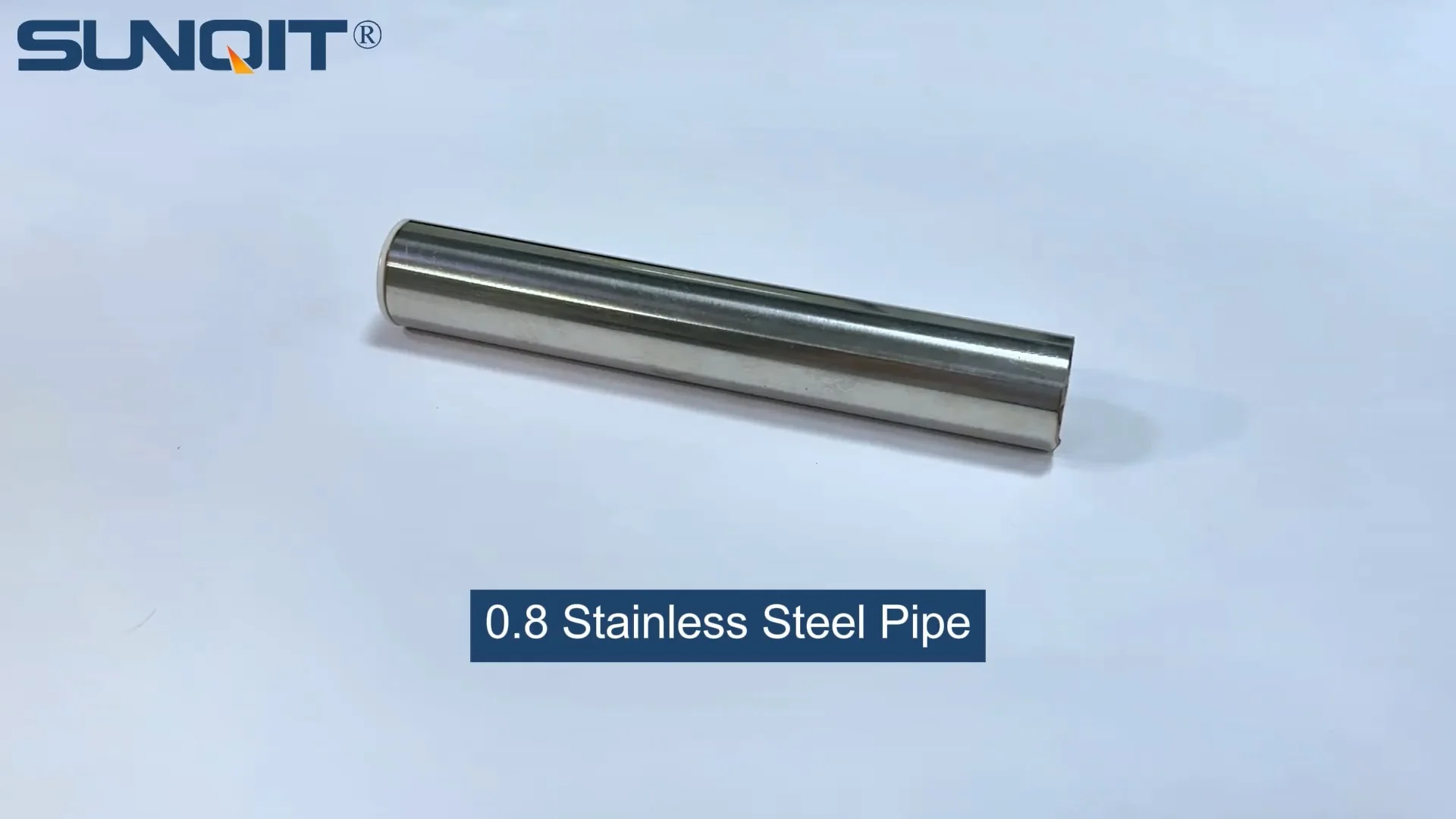
Walk into any busy warehouse, manufacturing plant, or distribution center, and you'll quickly notice the backbone of the operation: industrial racks. These structures hold everything from raw materials to finished products, keeping workflows moving and spaces organized. But ask any facility manager about their biggest headaches, and you'll likely hear the same complaint: maintenance. Racks rust. Pipes corrode. Joints loosen. And every hour spent fixing, painting, or replacing these components is an hour taken away from actual production. That's where the 1.0mm stainless steel pipe comes in—a game-changer in the world of industrial racking, promising not just durability, but true maintenance-free performance. Let's dive into why this unassuming piece of metal is becoming the unsung hero of efficient, hassle-free operations.
The Hidden Cost of "Cheap" Racks: Why Maintenance Eats Into Your Bottom Line
Let's start with a scenario we've all heard (or lived through). A small manufacturing facility invests in budget-friendly racks made from standard steel pipes. At first, everything seems fine. The racks are sturdy, the price was right, and setup was quick. But six months later, the first signs of trouble appear: a little rust around the joints, a pipe that's starting to warp under heavy loads, and wheels on the turnover trolleys that stick because of corrosion. Fast-forward a year, and the maintenance log is full of entries: "Repaint rusted sections," "Tighten loose joints," "replace bent pipe on Rack C." Each of these tasks takes a team member away from their core job—picking orders, assembling products, or managing inventory. Over time, the "cheap" racks end up costing far more in labor, replacement parts, and downtime than anyone anticipated.
This is where the 1.0mm stainless steel pipe steps in. Part of the broader stainless steel pipe series , this specific variant is designed to address the root causes of those maintenance headaches. But what makes it so different? Let's break it down.
What Makes 1.0mm Stainless Steel Pipe a Maintenance-Free Marvel?
1. Corrosion Resistance: Say Goodbye to Rust
Stainless steel is famous for its ability to resist corrosion, and the 1.0mm thickness only amplifies this trait. Unlike standard steel, which needs constant painting or coating to stay rust-free, stainless steel contains chromium—a metal that forms a thin, invisible layer of chromium oxide on the surface when exposed to oxygen. This layer acts as a shield, preventing moisture, chemicals, and even harsh cleaning agents from eating away at the pipe. For warehouses in humid climates, food processing plants where sanitation is critical, or facilities near the coast where salt air is a problem, this is a game-changer. Imagine never having to sand down rust spots or repaint a rack again. That's the reality with stainless steel pipes.
2. Strength Without the Bulk: The 1.0mm Sweet Spot
You might be thinking, "If it's thin (1.0mm), is it strong enough?" The answer is a resounding yes. Stainless steel has a higher tensile strength than many other metals, meaning it can withstand heavy loads without bending or warping. The 1.0mm thickness strikes the perfect balance: it's lightweight enough to make assembly easy (no need for heavy machinery to move pipes around) but strong enough to support the demands of industrial use. For example, a material rack b (3 row and 3 floor) built with 1.0mm stainless steel pipes can comfortably hold hundreds of pounds of inventory—from boxes of components to heavy tools—without showing signs of strain, even after years of use.
3. Low Maintenance, High Durability: A Match Made in Warehouse Heaven
Maintenance-free doesn't just mean "no rust." It means minimal upkeep across the board. Stainless steel pipes are resistant to scratches, dents, and impact—common issues in busy warehouses where forklifts, pallet jacks, and turnover trolleys are constantly on the move. Even if a pipe does get scratched, the chromium oxide layer self-heals, preventing further damage. Cleaning is a breeze too: a quick wipe with a damp cloth is usually all it takes to keep them looking new. Compare this to PE-coated lean pipes, which can chip or peel, exposing the metal underneath to corrosion, or aluminum pipes, which can dent easily under heavy loads. The 1.0mm stainless steel pipe is built to last, with little more than occasional cleaning required.

How Does It Stack Up? A Comparison of Industrial Pipe Materials
To truly understand the benefits of 1.0mm stainless steel pipe, let's compare it to other common materials used in industrial racks and workbenches. The table below breaks down key factors like maintenance needs, durability, and cost-effectiveness:
| Material | Thickness | Maintenance Needs | Corrosion Resistance | Load Capacity | Best For |
|---|---|---|---|---|---|
| 1.0mm Stainless Steel Pipe (Stainless Steel Pipe Series) | 1.0mm | Minimal (occasional cleaning) | Excellent (resists rust, chemicals) | High (supports heavy loads) | Humid environments, food processing, heavy-duty racks (e.g., Material Rack B) |
| Aluminum Lean Pipe | 1.2-2.0mm | Low (prone to dents; may need anodizing) | Good (but can corrode in acidic environments) | Medium (lighter loads) | Light assembly lines, cleanrooms |
| PE-Coated Lean Pipe | 1.0-1.5mm (steel core) | High (coating chips; steel core rusts if exposed) | Poor (if coating is damaged) | Medium-Low | Temporary setups, dry environments |
As the table shows, 1.0mm stainless steel pipe outperforms other materials in key areas, especially when it comes to long-term maintenance and durability. While aluminum and PE-coated pipes might have lower upfront costs, they often end up costing more over time due to repairs and replacements. Stainless steel, on the other hand, is a one-time investment that pays off for years.

Real-World Applications: From Racks to Workbenches
The versatility of 1.0mm stainless steel pipe makes it ideal for a wide range of industrial setups. Let's look at a few common applications:
1. Material Racks: Sturdy Storage for Every Industry
Take the material rack b (3 row and 3 floor) , a popular choice for warehouses needing to maximize vertical space. When built with 1.0mm stainless steel pipes and compatible joints, this rack becomes a fortress of organization. Each shelf can hold stacks of boxes, tools, or raw materials without bowing, and the open design makes it easy to access items from any side. In a automotive parts warehouse, for example, this rack might store heavy engine components—items that would quickly damage lesser materials. With stainless steel, the rack stays strong, clean, and rust-free, even in the oily, humid conditions common in such facilities.
2. Workbenches: Durable Surfaces for Precision Work
Workbenches are the heart of any production line, and they take a beating—from tools being dropped to chemicals being spilled. A workbench framed with 1.0mm stainless steel pipes is built to handle this abuse. The smooth, non-porous surface resists stains and is easy to sanitize, making it perfect for laboratories, medical device assembly lines, or food packaging facilities. Even in a busy electronics plant, where static control is key, stainless steel workbenches (paired with ESD accessories) provide a stable, maintenance-free workspace that keeps operations running smoothly.
3. Turnover Trolleys: Mobile Solutions That Last
Turnover trolleys are essential for moving materials from one workstation to another, but their wheels and frames often wear out quickly—especially if they're used outdoors or in wet areas. Trolleys built with 1.0mm stainless steel pipes and high-quality caster wheel (another key component in industrial setups) are a different story. The pipes resist rust from rain or puddles, while the sturdy frame handles the bumps and jostles of daily use. A logistics company using these trolleys to transport packages between loading docks and storage areas, for example, would see fewer breakdowns and less time spent on repairs—meaning more packages delivered on time.
Why Choosing the Right Supplier Matters
Of course, not all 1.0mm stainless steel pipes are created equal. To truly enjoy the maintenance-free benefits, it's crucial to partner with a reputable lean pipe supplier —one that prioritizes quality, consistency, and customer support. Here's what to look for:
- Material Quality: Ensure the supplier uses high-grade stainless steel (like 304 or 316) for their pipes. Lower grades may contain less chromium, reducing corrosion resistance.
- Precision Manufacturing: Pipes should have uniform thickness and smooth edges to ensure easy assembly and a secure fit with joints.
- Accessory Compatibility: A good supplier will offer a range of compatible joints, caster wheels, and connectors, making it easy to build custom racks, workbenches, or trolleys.
- Technical Support: Whether you need help designing a rack system or troubleshooting an assembly issue, a responsive supplier can save you time and frustration.
Imagine ordering pipes for a critical project, only to find they're warped, too thin, or incompatible with your existing joints. A reliable lean pipe supplier avoids these headaches, ensuring you get the right products, on time, every time.
The Bottom Line: Investing in Long-Term Efficiency
At the end of the day, the 1.0mm stainless steel pipe isn't just a piece of metal—it's an investment in your facility's efficiency, safety, and bottom line. By eliminating the need for constant maintenance, reducing downtime, and standing up to the toughest industrial conditions, it transforms how you manage your workspace. Whether you're running a small warehouse or a large manufacturing plant, the benefits are clear: less time fixing problems, more time growing your business.
So, if you're tired of repainting rusted racks, replacing bent pipes, or watching maintenance costs eat into your budget, it's time to consider the stainless steel pipe series. Partner with a trusted lean pipe supplier, explore options like the material rack b (3 row and 3 floor), and experience the difference maintenance-free industrial equipment can make. Your team, your bottom line, and your peace of mind will thank you.